Sources for this article
Herding group · Hungary
Puli
Also called Hungarian Puli
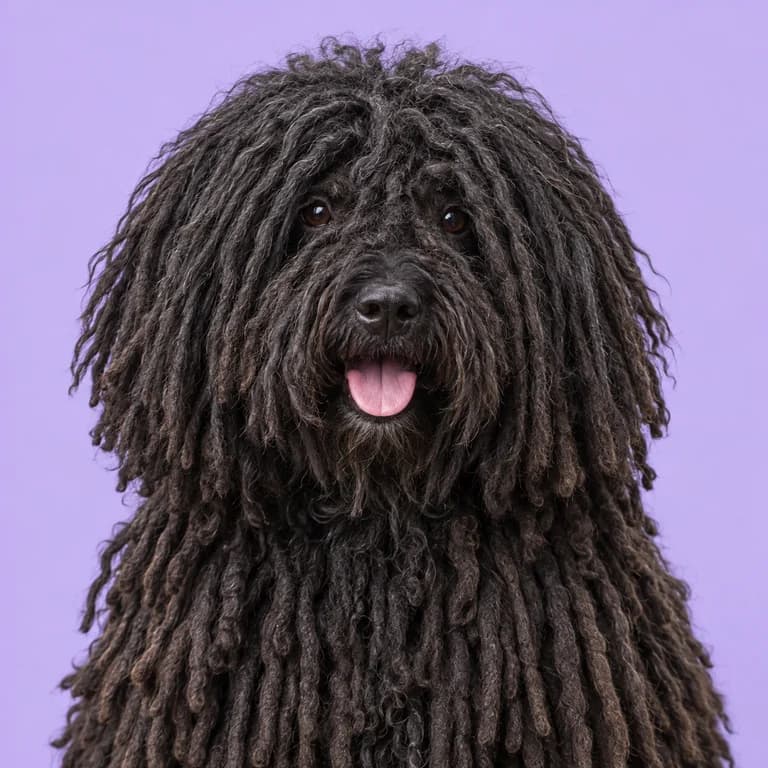
A Hungarian sheepdog wearing its own dreadlocks, quick on its feet and quicker still to notice anything unusual.
The Puli is a compact herding dog from the Hungarian plains, famous for a coat that forms natural cords. Under that coat is an agile, alert and fiercely loyal working dog. Caring for the cords is a skill in its own right, and it shapes daily life with a Puli more than anything else about the breed.
Original AI-generated breed illustration
Weight
10 to 15 kg
22 to 33 lb
Height
36 to 45 cm
at the shoulder
Life expectancy
12 to 16 yrs
Activity estimate
90 to 120 min
editorial daily planning range
Adult-size estimate
12 months
approximate model input
Life with a Puli
Grooming comes first with a Puli because the coat defines life with one. As the dog matures, the soft undercoat and coarser outer hair naturally mat together, and the owner's job is to guide those mats into separate, even cords instead of letting them fuse into felted slabs. Done well, the result is a dog that looks like a moving mop and sheds almost nothing on your floors.
The working history explains that unusual coat. Hungarian shepherds on the open plains needed a small, fast dog to move and gather sheep in all weathers, and the corded coat shielded it from rain, frost and the occasional kick. The much larger Komondor guarded the flock at night, while the Puli did the daytime herding. Shepherds valued good dogs so highly that one was reportedly worth about a year's wages.
Pulik are lively, clever and deeply loyal to their family. They like to keep watch over everything, often choosing a spot with a view of the front door, and they are naturally reserved with people they do not know. Inside the family they are playful, funny and athletic, with a springy gait and sudden changes of direction that surprise anyone who expected a slow, shaggy dog.
What stands out
Grooming
Cord care is a routine rather than a single job. Separate new mats every week or two, pull apart any cords that begin to join at the base, and trim the hair around the paws, eyes and rear for hygiene. Many owners of pet Pulik keep the cords shorter, perhaps 10 to 15 cm (4 to 6 in), which cuts bathing and drying time considerably.
Read the full grooming guideIllustrative grooming schedule based on our editorial coat-care score. Adjust it to the individual coat and professional advice.
Brushing
Daily
Bathing
Every 3 to 6 weeks
Shedding
Minimal
Nail trim
Every 3 to 4 weeks
A great match for
- owners prepared for hands-on coat care
- active homes interested in herding, agility or obedience
- people wanting a dog that barely sheds
- households looking for an alert watchdog
Think twice if
- cord care takes several hours a month
- wary of strangers and quick to bark
- may herd children and other pets
- long drying times after baths or rain
Personality and needs at a glance
Living together
Good with children
Good with other dogs
Open with strangers
Apartment friendly
Copes with alone time
Energy and character
Energy level
Playfulness
Easy to train
Barking
5 means very vocal
Care and climate
Grooming needs
Shedding
Drooling
Handles cold
Handles heat
How much a Puli eats
Illustrative calculations for neutered adults at midpoint breed weights, with food at 370 kcal per 100 g and 100 g per cup. These are not measured breed requirements. Use actual weight, the food label and veterinary body-condition advice.
| Dog | Weight | Calories | Dry food |
|---|---|---|---|
| Female, relaxed lifestyle | 12 kg | 610 kcal | 165 g (1.8 cups) |
| Female, typical pet | 12 kg | 700 kcal | 190 g (2 cups) |
| Male, typical pet | 14 kg | 810 kcal | 220 g (2.3 cups) |
| Male, very active | 14 kg | 1010 kcal | 275 g (2.8 cups) |
Care guides for the Puli
Things owners are often surprised by
- 1Cords usually begin forming at around 9 to 12 months and can take four to five years to reach the ground.
- 2A fully corded Puli may need 24 to 48 hours to dry completely after a bath.
- 3Ancestors of the breed are thought to have arrived in the Carpathian Basin with Magyar tribes over 1,000 years ago.
- 4Traditionally the Puli herded the flock by day while the much larger Komondor guarded it.
- 5The correct plural in Hungarian is Pulik.
Puli questions
At what age does a Puli coat start to cord?
Most Puli coats begin to form cords somewhere between 9 and 12 months, when the adult undercoat grows in and tangles with the outer coat. At first you will notice flat mats rather than cords. Splitting these by hand every week or two guides them into even cords. Full-length cords that brush the floor can take four to five years to grow.
Does a Puli shed?
Very little on your floors. Loose undercoat stays trapped in the cords instead of falling out, which is why the coat forms cords in the first place. That makes the Puli appealing to tidy households, but the trapped hair still needs managing through regular cord separation. Brushed-out Pulik shed more visibly than corded ones.
Can you brush out a Puli coat instead of cording it?
Yes. A brushed Puli has a fluffy, wavy look and is common in some countries, though it takes regular, thorough brushing to prevent mats. Many pet owners instead keep the coat clipped short, which is the easiest option. Show dogs are usually corded, but for a companion the choice is simply about what suits your time and lifestyle.
What is the difference between a Puli and a Komondor?
Both are Hungarian breeds with corded coats, but they had different jobs. The Puli is a medium-sized herding dog of about 10 to 15 kg (22 to 33 lb) that moved sheep, while the Komondor is a giant livestock guardian often weighing over 50 kg (110 lb). Pulik come in black, gray and white, whereas Komondorok are always white.
How often should you bathe a corded Puli?
Most owners bathe a corded Puli every one to three months, or when the coat is genuinely dirty. Each bath takes time, and drying a full-length coat can take a day or two with a strong blower. Between baths, spot clean the face, feet and rear. Never leave a Puli damp overnight, since wet cords can mildew and irritate the skin.
Popular answers for owners
- Exercise and playWhat are the rules for a safe game of tug?
- Exercise and playWhat is the difference between a chew toy and a play toy?
- How much to feedHow much should I feed a 120 lb dog?
- Puppy feeding and growthWhen can puppies start having chew treats?
- How much to feedIs diet or exercise more important for a dog to lose weight?
- How much to feedMy dog looks fine from above but not from the side, what does that mean?
Breeds you might compare
Herding group
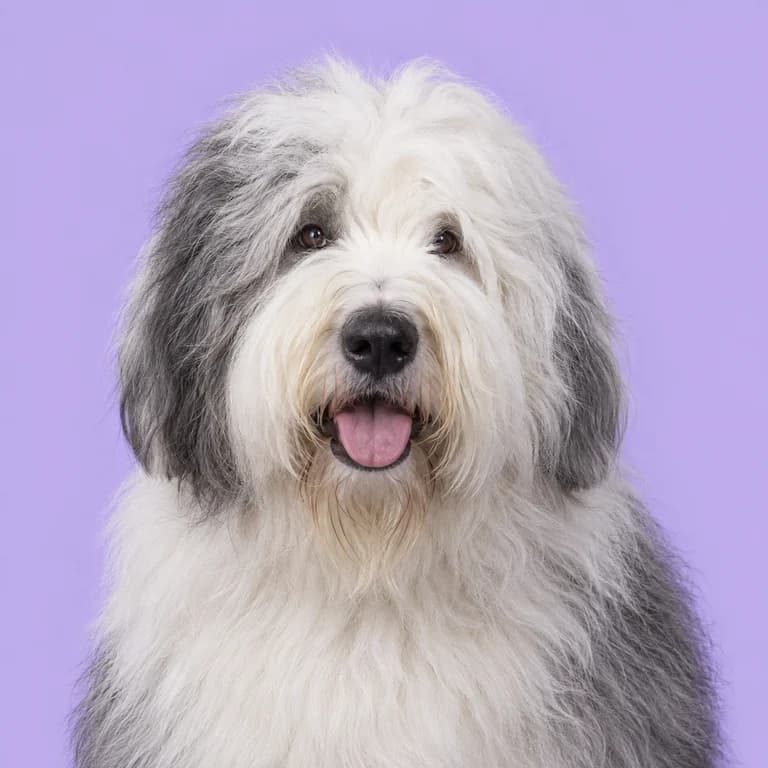
Old English Sheepdog
27 to 45 kg · 10 to 12 years
A shaggy English drover with a rolling bear-like walk and a coat that asks for hours of your week.
Herding group
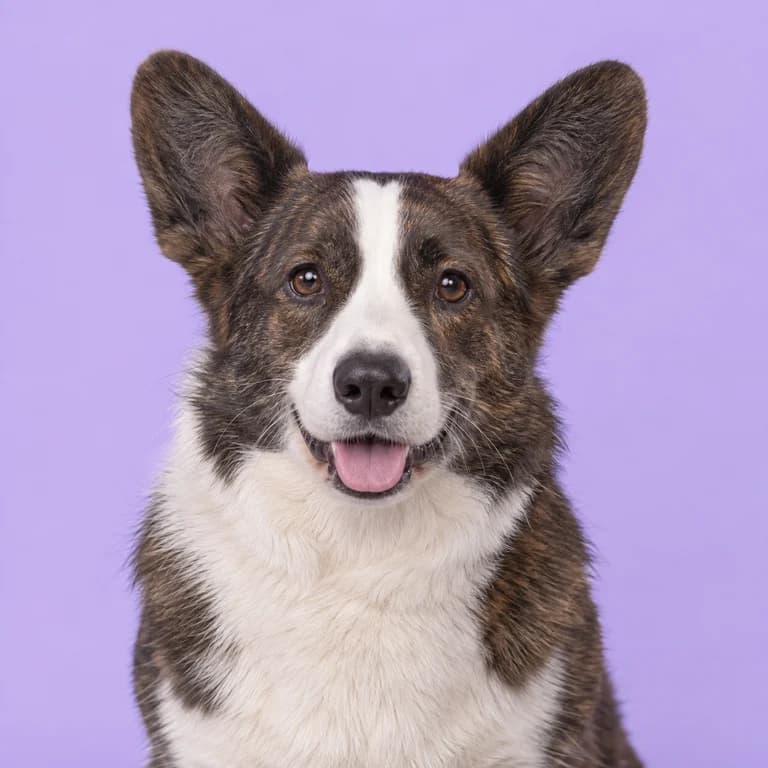
Cardigan Welsh Corgi
12 to 17 kg · 12 to 15 years
The older, long-tailed corgi from the Welsh hills, built low to drive cattle and still thinking like a farmhand.
Herding group
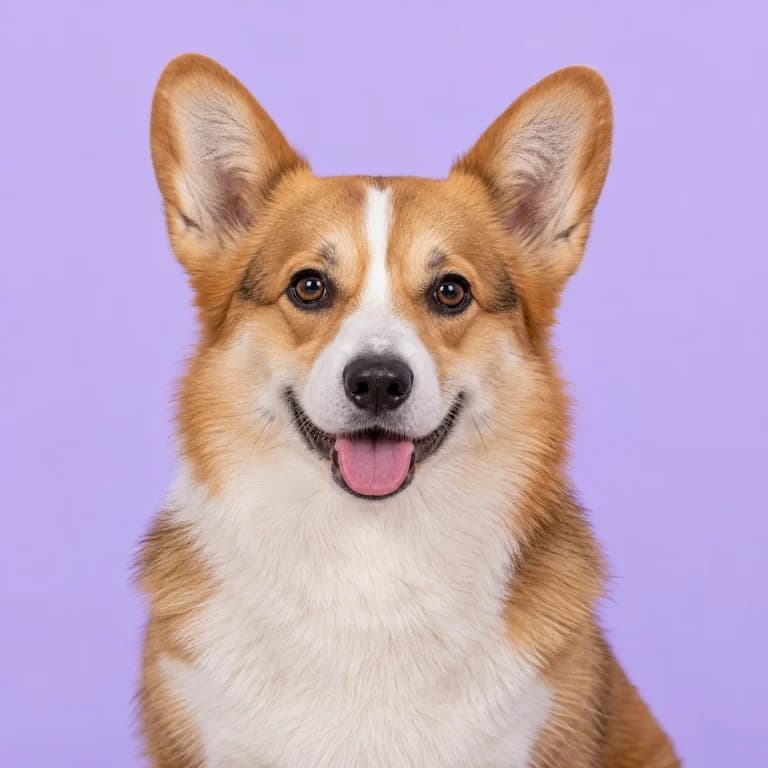
Pembroke Welsh Corgi
9 to 14 kg · 12 to 14 years
A cattle driver in a compact body, the Pembroke thinks fast, talks back, and rarely misses a snack.
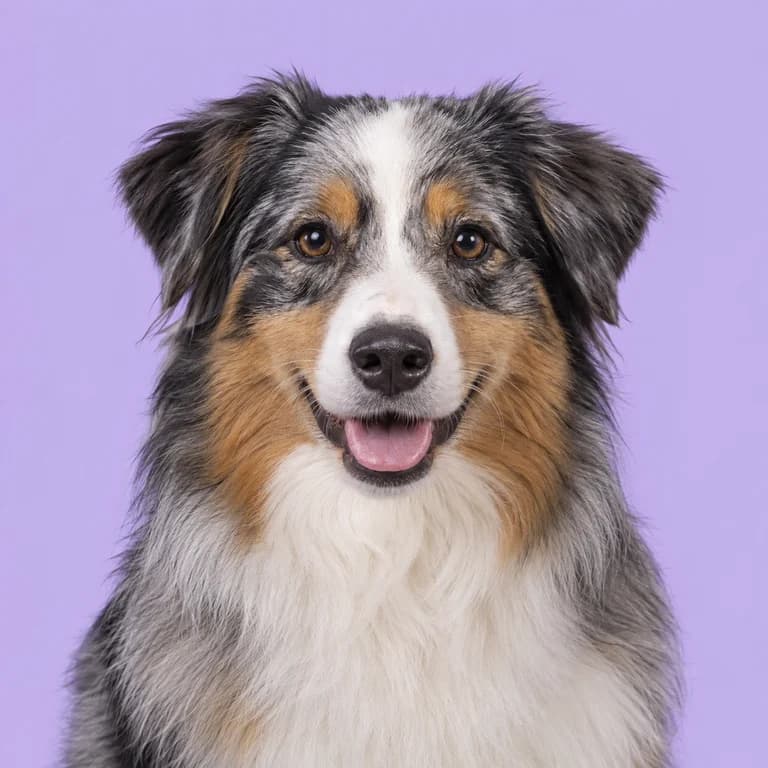
Herding group
Miniature American Shepherd
9 to 18 kg · 12 to 15 years
A true herding dog scaled down to fit a smaller home, with none of the drive removed.
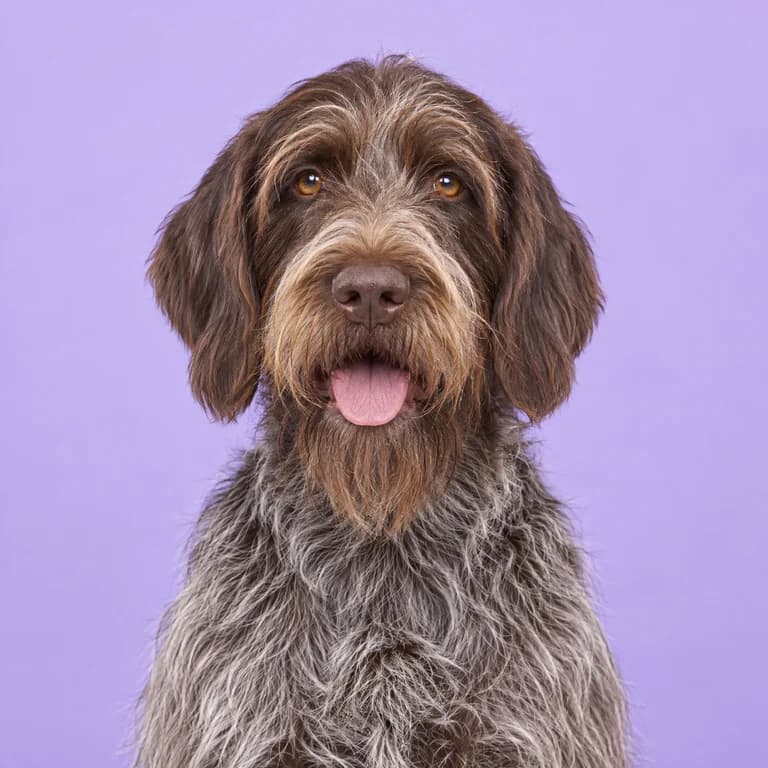
Sporting group
Wirehaired Pointing Griffon
20 to 32 kg · 12 to 14 years
A bearded, close-working bird dog shaped by one man's obsession, eager to please and happiest in mud.
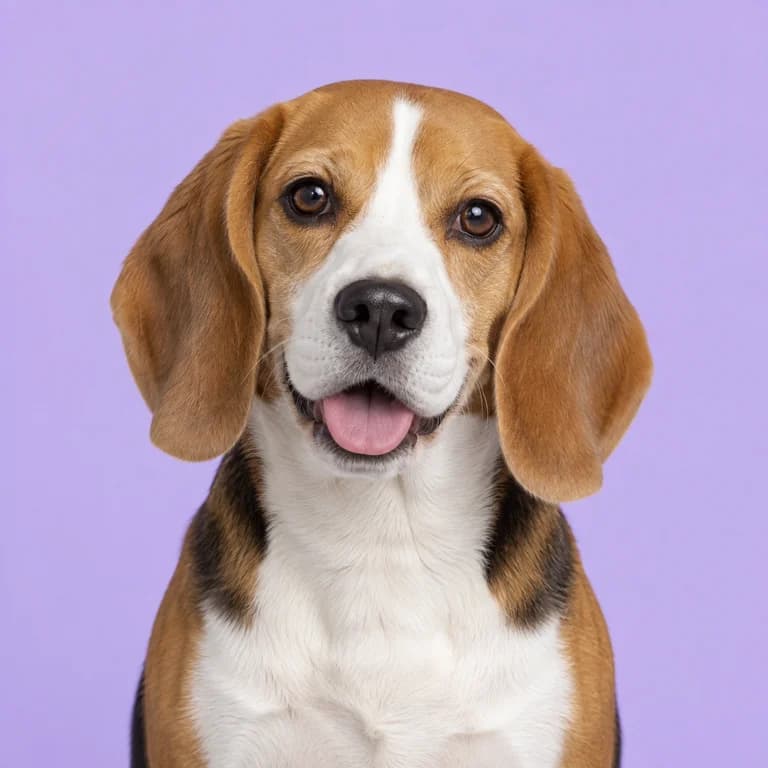
Hound group
Beagle
9 to 13 kg · 12 to 15 years
A merry pack hound whose nose makes most of its decisions, including the ones you would rather it didn't.