Sources for this article
Herding group · Netherlands
Dutch Shepherd
Also called Hollandse Herder, Dutchie
A brindle Dutch farm dog turned police partner that learns fast and needs a real job every day.
Dutch Shepherds are quick, athletic and deeply eager to work with a handler. In experienced hands they excel at almost any dog sport; in a home without structure, their intelligence turns into invented jobs you will not enjoy.
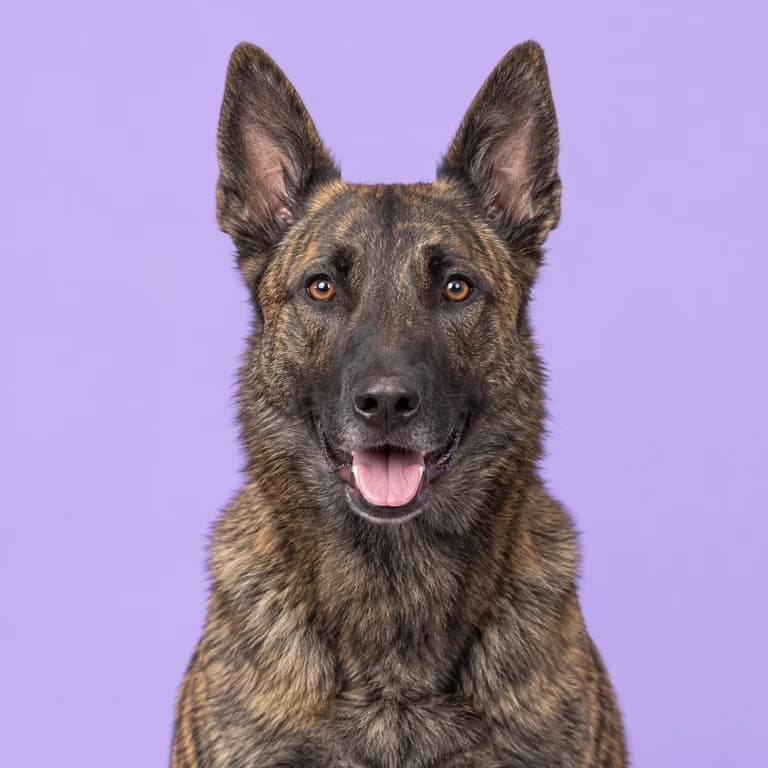
Original AI-generated breed illustration
Weight
23 to 34 kg
51 to 75 lb
Height
55 to 62 cm
at the shoulder
Life expectancy
11 to 14 yrs
Activity estimate
120 to 150 min
editorial daily planning range
Adult-size estimate
18 months
approximate model input
Life with a Dutch Shepherd
Ask a Dutch Shepherd owner what the dog is good at and you will hear a list: herding, tracking, bite work, agility, search and rescue, detection. The breed began as an all-round farm hand in the Dutch provinces of North Brabant and Drenthe in the 1800s, keeping sheep out of crops, pulling small carts, guarding the yard and keeping an eye on the children. Farmers needed a versatile, thinking dog and bred for that, not for looks.
As sheep farming declined, the breed shifted into police and protection work, and the national club formed in 1898. Early dogs came in many colors, but from 1914 the standard allowed brindle only, partly to distinguish them from their Belgian cousins. Two world wars and the disappearance of rural jobs then pushed numbers very low. Enthusiasts rebuilt the breed from a small population, and it remains uncommon outside police kennels and sport clubs.
At home, a well-trained Dutchie is affectionate, playful and surprisingly funny. It watches you constantly, learns your routine and anticipates the next step before you take it. That attentiveness is a gift for training and a challenge for owners who prefer a dog that switches off on its own.
What stands out
Training
This is where the breed shines. Dutch Shepherds learn fast, love working for food, tug and praise, and quickly grasp marker training with a clicker or a short verbal marker such as 'yes'. Sessions of 5 to 15 minutes, several times a day, hold their focus far better than one long lesson.
Read the full training guideEasy to train
Open with strangers
Good with other dogs
A great match for
- experienced owners who train every day
- people doing IGP, mondioring, agility or scent work
- active households with a secure garden
- owners wanting a loyal, alert companion
Think twice if
- frustration and destruction without mental work
- can be reserved or protective with strangers
- herding instinct may target children, bikes and joggers
- rarely copes well when left alone all day
Personality and needs at a glance
Living together
Good with children
Good with other dogs
Open with strangers
Apartment friendly
Copes with alone time
Energy and character
Energy level
Playfulness
Easy to train
Barking
5 means very vocal
Care and climate
Grooming needs
Shedding
Drooling
Handles cold
Handles heat
How much a Dutch Shepherd eats
Illustrative calculations for neutered adults at midpoint breed weights, with food at 370 kcal per 100 g and 100 g per cup. These are not measured breed requirements. Use actual weight, the food label and veterinary body-condition advice.
| Dog | Weight | Calories | Dry food |
|---|---|---|---|
| Female, relaxed lifestyle | 26 kg | 1130 kcal | 305 g (3 cups) |
| Female, typical pet | 26 kg | 1290 kcal | 350 g (3.5 cups) |
| Male, typical pet | 31 kg | 1450 kcal | 395 g (4 cups) |
| Male, very active | 31 kg | 1820 kcal | 490 g (5 cups) |
Care guides for the Dutch Shepherd
Things owners are often surprised by
- 1Brindle has been the only accepted color since 1914, partly to separate the breed from Belgian shepherds
- 2The Dutch breed club was founded in 1898
- 3Numbers fell so low after the Second World War that the breed came close to disappearing
- 4Widely used in KNPV police dog certification in the Netherlands
- 5The rough-haired variety is the rarest of the three coats
Dutch Shepherd questions
What is the difference between a Dutch Shepherd and a Belgian Malinois?
They are close relatives with similar drive and build. The easiest visible difference is color: a Dutch Shepherd must be brindle, while a Malinois is fawn to mahogany with a black mask. Dutchies are often described as slightly more balanced and less frantic, though individual lines vary enormously. Both need experienced, active handlers and daily structured work.
Is a Dutch Shepherd a good family dog?
It can be, in an active family where at least one adult takes charge of training and daily work. Raised with respectful children, most Dutchies are affectionate and protective. Watch the herding instinct, since running children may trigger heel nipping that needs redirecting early. A family wanting a relaxed pet for weekend strolls would likely find the breed overwhelming.
Why are Dutch Shepherds always brindle?
Early Dutch shepherds came in several colors, including solid fawn and black, which made them hard to tell apart from Belgian types. In 1914 the Dutch breed club limited the standard to brindle in gold or silver tones, and that rule still applies. The width and darkness of the stripes vary widely, and some dogs look almost black from a distance.
How rare is the rough-haired Dutch Shepherd?
It is the rarest of the three coats, with only a small number of litters registered each year. The limited population means breeders must work carefully to avoid inbreeding and screen for goniodysplasia, which affects this variety more than the others. Expect a waiting list if you want a puppy from health-tested parents, and be wary of anyone with several litters always available.
Can a Dutch Shepherd live in an apartment?
Only if you are fully committed to long, structured sessions outside every day, including mental work. Neighbors and stairs are secondary concerns. The bigger issue is that a young Dutchie left alone in a small space for long hours usually becomes frustrated, noisy and destructive. Most do best with a garden, a working routine and people around for much of the day.
Popular answers for owners
- Bowls and feeding gearWhat is the best travel bowl for hiking with a dog?
- How much to feedWhy do two dog food brands recommend different amounts for the same size dog?
- Bowls and feeding gearAre collapsible travel bowls good enough for daily water breaks?
- How much to feedMy dog's ribs and spine are very visible, is that too thin?
- Bowls and feeding gearHow far apart should bowls be for multiple dogs?
- Bowls and feeding gearWhat is the right bowl capacity for a Labrador?
Breeds you might compare
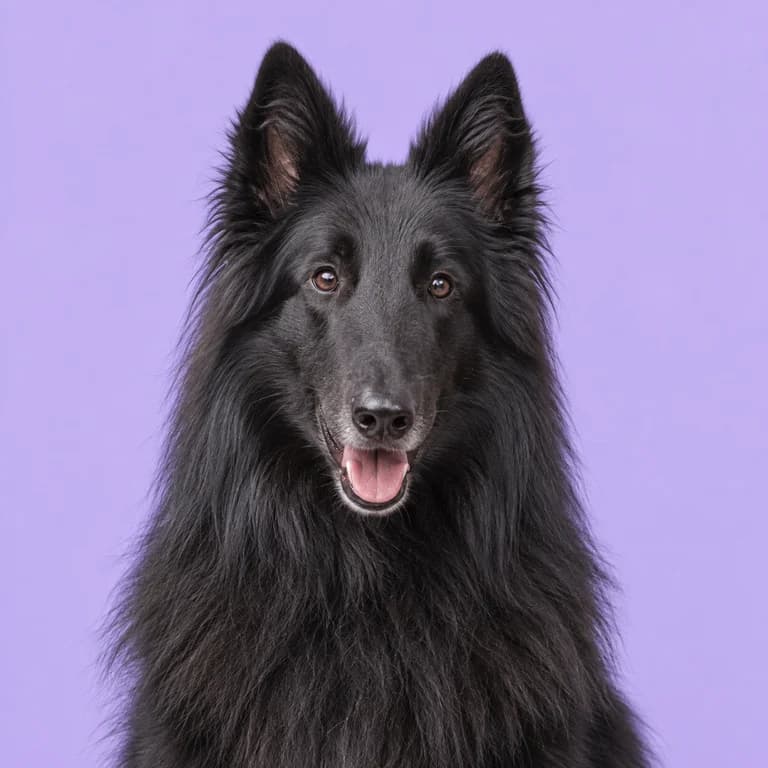
Herding group
Belgian Groenendael
20 to 30 kg · 12 to 14 years
The long-coated black Belgian Shepherd: quick, sensitive and happiest with a job and a handler to share it.
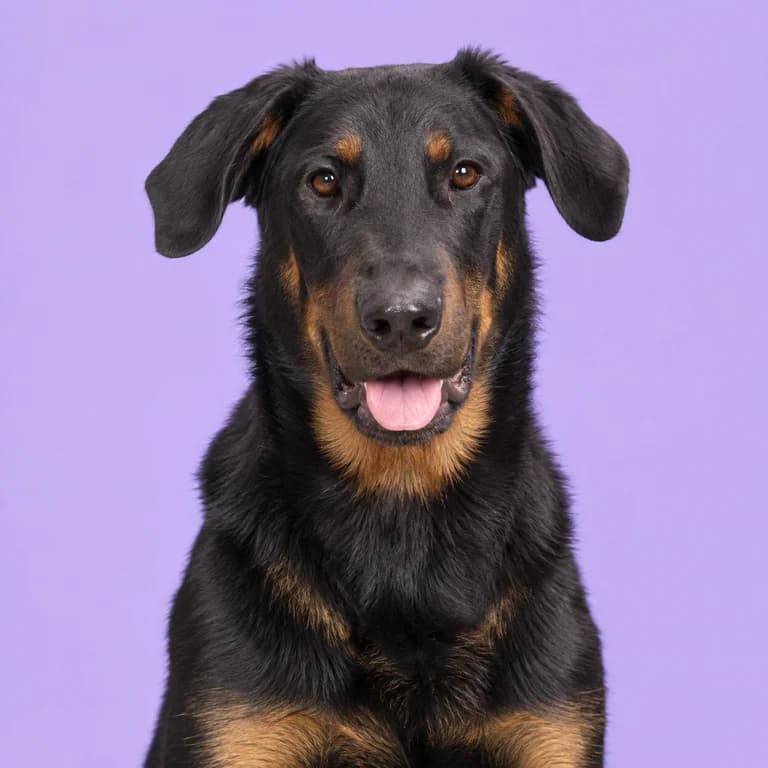
Herding group
Beauceron
30 to 45 kg · 10 to 12 years
A tall French sheepdog with double dewclaws and red stockings, confident enough to take charge of a flock or a household.
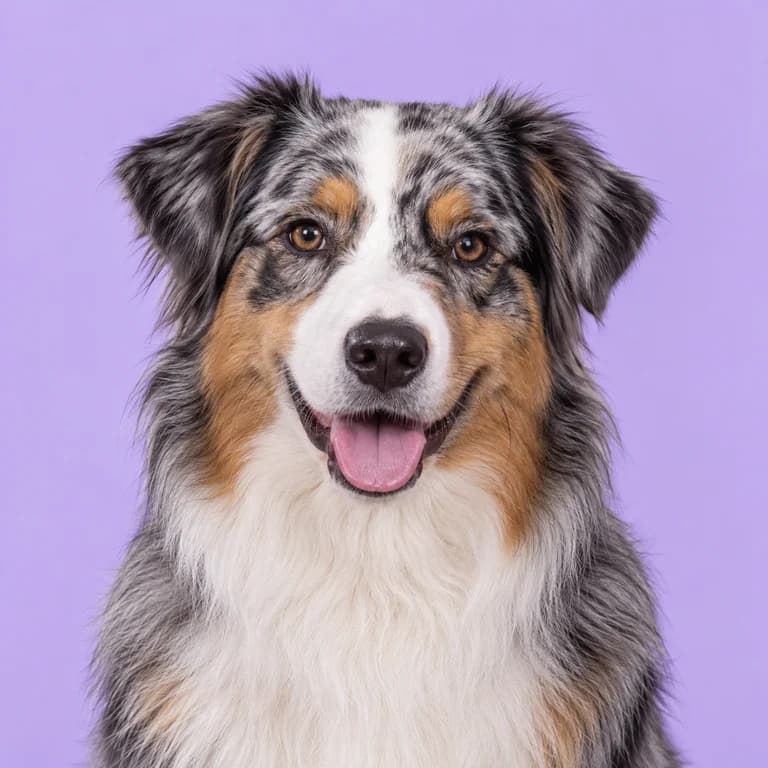
Herding group
Australian Shepherd
18 to 32 kg · 12 to 15 years
A ranch-bred worker with a busy brain, the Aussie wants a daily job and will invent one if you don't.
Sporting group
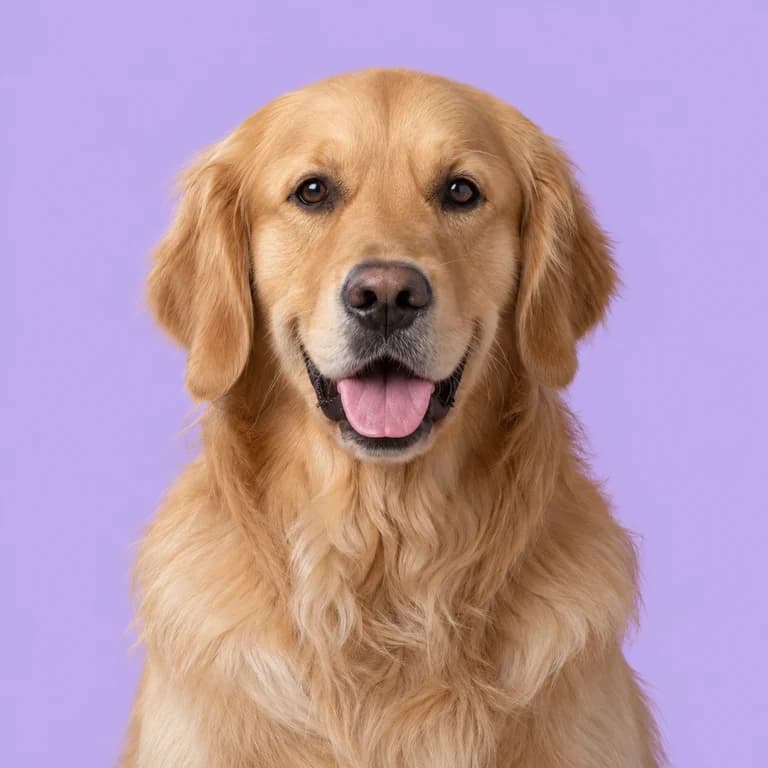
Golden Retriever
25 to 34 kg · 10 to 12 years
A soft-mouthed Scottish gundog that treats every visitor as a friend and every sock as a gift.
Sporting group
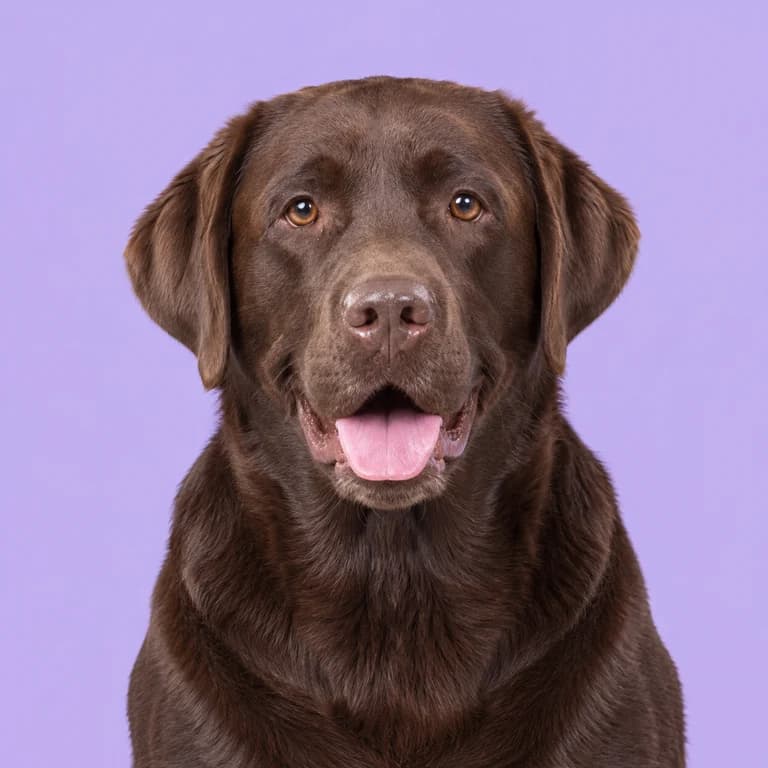
Labrador Retriever
25 to 36 kg · 11 to 13 years
Bred to haul nets in icy Atlantic water, now the family dog that never stops thinking about lunch.
Herding group
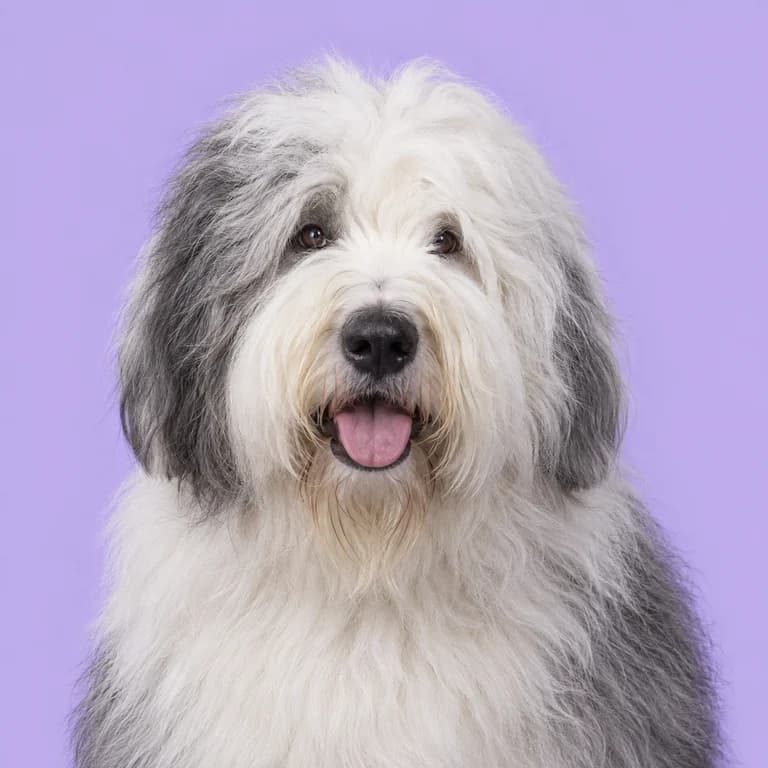
Old English Sheepdog
27 to 45 kg · 10 to 12 years
A shaggy English drover with a rolling bear-like walk and a coat that asks for hours of your week.