Non-sporting group · United States
American Bully
Also called Bully, American Bully Standard
A muscular American companion breed whose friendly nature is best served by moderate build and careful breeding choices.
Developed in the United States from the 1990s, the American Bully is a modern companion breed built mainly on American Pit Bull Terrier and American Staffordshire Terrier lines. Most are outgoing and people loving, but the breed varies hugely in size and build, and exaggerated body shapes can bring health problems.
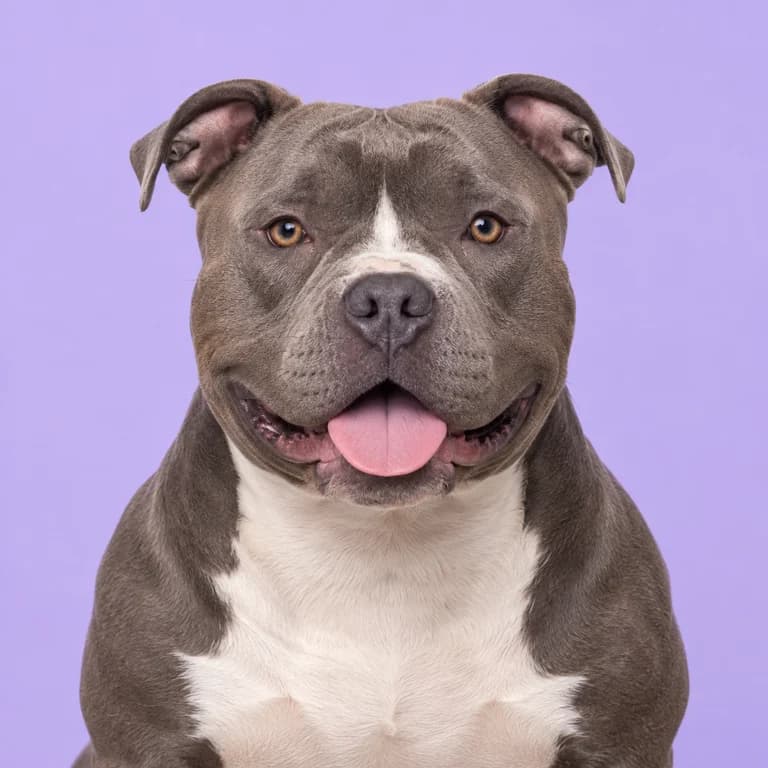
Original AI-generated breed illustration
Weight
20 to 36 kg
44 to 79 lb
Height
41 to 51 cm
at the shoulder
Life expectancy
10 to 12 yrs
Activity estimate
60 to 90 min
editorial daily planning range
Adult-size estimate
24 months
approximate model input
Life with a American Bully
Two American Bullies can look like different breeds. One may be an athletic 25 kg dog with a moderate muzzle, while another is extremely broad and short-legged, with a massive head and a pushed-in face. That variation is the most important thing to understand before choosing one, because it affects how easily the dog breathes, moves and stays cool, and how long it is likely to live.
The breed began in the United States in the 1990s, when breeders set out to create a family companion with a bulldog-type look and a friendly, stable temperament. Most lines came from American Pit Bull Terriers and American Staffordshire Terriers, with other bulldog breeds often credited with adding extra bulk. The American Bully Kennel Club, and later the United Kennel Club, wrote standards with several size varieties: Pocket, Standard, Classic and XL.
Temperament is typically confident, affectionate and eager to please. Well-bred Bullies adore people, including visitors, and tend to be playful and tolerant with children. Like many powerful breeds, some are intolerant of other dogs, and their sheer strength makes early training and socialization essential rather than optional.
If you decide on a Bully, look for a moderate dog from health-tested parents: open nostrils, a clearly defined muzzle, a body that moves freely at a trot, and parents that can walk and play without struggling for breath.
What stands out
Health
Health depends heavily on build. Exaggerated types are more prone to breathing problems linked to short muzzles, heat intolerance, hip and elbow dysplasia, and skin allergies. Other issues reported in the breed include eyelid problems such as entropion, cherry eye and some heart conditions.
Read the full health guideLife expectancy
10 to 12 yrs
Senior care
Individual assessment
age alone does not define care needs
A great match for
- families wanting a people-loving companion
- owners committed to training and socialization
- homes with moderate exercise routines
- buyers willing to choose carefully from health-tested lines
Think twice if
- health problems in exaggerated builds
- can be intolerant of other dogs
- poor heat tolerance in heavy types
- huge variation in size between varieties
Personality and needs at a glance
Living together
Good with children
Good with other dogs
Open with strangers
Apartment friendly
Copes with alone time
Energy and character
Energy level
Playfulness
Easy to train
Barking
5 means very vocal
Care and climate
Grooming needs
Shedding
Drooling
Handles cold
Handles heat
How much an American Bully eats
Illustrative calculations for neutered adults at midpoint breed weights, with food at 370 kcal per 100 g and 100 g per cup. These are not measured breed requirements. Use actual weight, the food label and veterinary body-condition advice.
| Dog | Weight | Calories | Dry food |
|---|---|---|---|
| Female, relaxed lifestyle | 25 kg | 1100 kcal | 295 g (3 cups) |
| Female, typical pet | 25 kg | 1250 kcal | 340 g (3.5 cups) |
| Male, typical pet | 31 kg | 1450 kcal | 395 g (4 cups) |
| Male, very active | 31 kg | 1820 kcal | 490 g (5 cups) |
Care guides for the American Bully
Things owners are often surprised by
- 1Developed in the United States during the 1990s as a companion breed
- 2Registered in size varieties including Pocket, Standard, Classic and XL
- 3Standard males usually measure 43 to 51 cm (17 to 20 in) at the withers
- 4Very heavy, short-muzzled builds are linked to breathing and joint strain
- 5Almost every coat color is accepted, although merle is disqualified by the main registries
American Bully questions
What are the American Bully size varieties?
Registries typically recognize Pocket, Standard, Classic and XL. Pocket males are usually 36 to 43 cm (14 to 17 in) tall. Standard males measure 43 to 51 cm (17 to 20 in). Classic dogs share Standard heights with a lighter frame, and XL males stand above 51 cm (20 in). Weight should always be proportionate to height and build.
Is an American Bully the same as a Pit Bull?
No. The American Bully was developed from American Pit Bull Terrier and American Staffordshire Terrier lines, but it is a separate breed with its own standards. Bullies are typically heavier, broader and more compact, and were bred as companions rather than working dogs, with temperament goals focused on friendliness toward people.
Are American Bullies good family dogs?
Well-bred, well-socialized Bullies are usually affectionate and playful with families, including children. Their strength means supervision and training are essential, especially around small children who could be knocked over. Some Bullies are less tolerant of other dogs, which households with several pets should weigh carefully.
How can I choose a healthy American Bully puppy?
Meet both parents if possible and check that they move freely, breathe quietly and have moderate builds. Ask for hip and elbow scores, eye and heart checks and evidence of stable temperaments. Avoid extreme features such as very short muzzles, very wide fronts or excessive loose skin, which often come with health costs.
Do American Bullies drool?
Drool levels vary with head shape. Dogs with heavier heads and looser lips drool noticeably, especially after drinking or in hot weather, while tighter-lipped dogs drool little. A towel by the water bowl and a quick wipe of the face after meals keeps things manageable.
Popular answers for owners
- Bowls and feeding gearShould I use separate sponges for my dog's bowls?
- Exercise and playHow does exercise differ between working line and show line dogs of the same breed?
- Exercise and playWhat toys are safe for a teething puppy?
- Grooming and coatHow do I safely blow dry a puppy for the first time?
- How much to feedHow much should I feed a 15kg dog?
- Bowls and feeding gearWhat does the research actually say about raised bowls and bloat?
Breeds you might compare
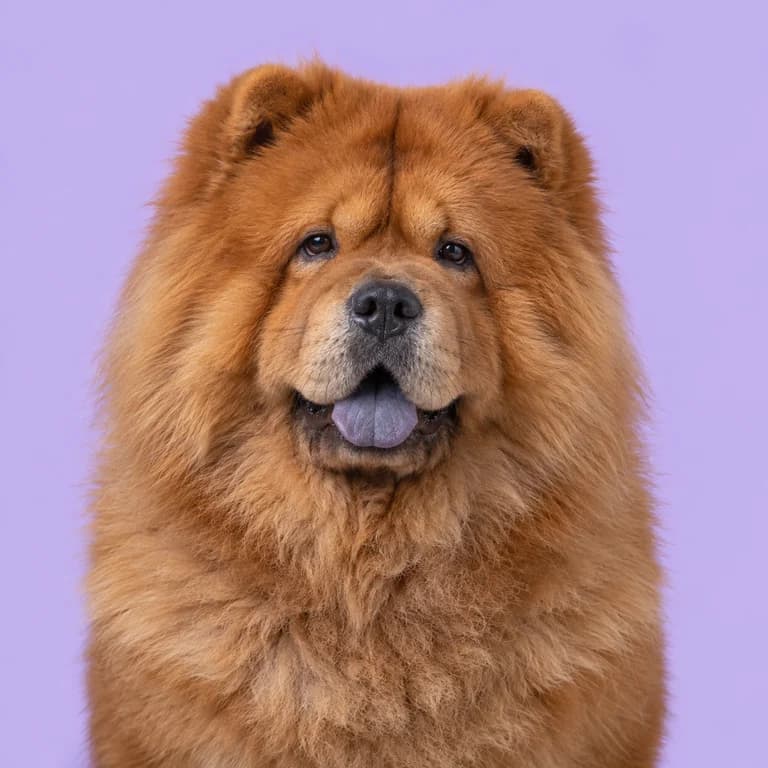
Non-sporting group
Chow Chow
20 to 32 kg · 8 to 12 years
A lion-maned, blue-tongued dog whose dense coat demands as much attention as its independent mind.
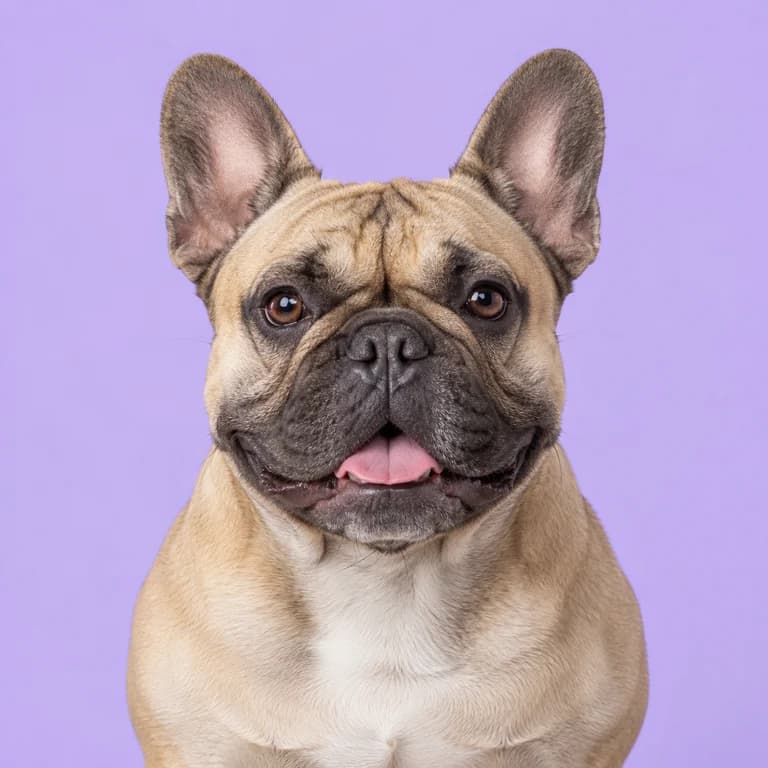
Non-sporting group
French Bulldog
8 to 14 kg · 10 to 12 years
A compact clown with bat ears whose flat face shapes nearly every decision about exercise, heat and feeding.
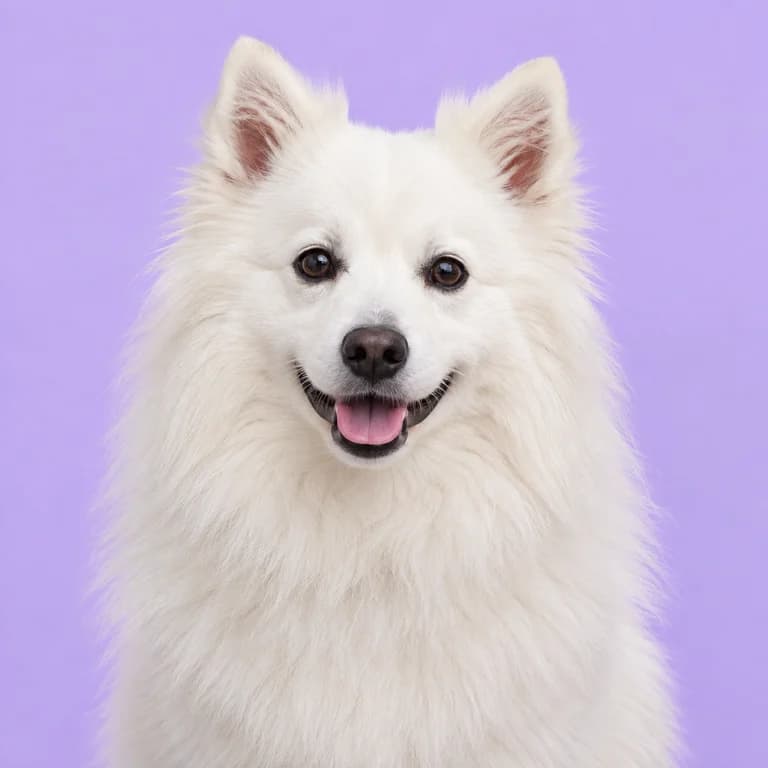
Non-sporting group
American Eskimo Dog
9 to 16 kg · 13 to 15 years
A German spitz renamed in America, once a circus star, now a bright and vocal family watchdog.
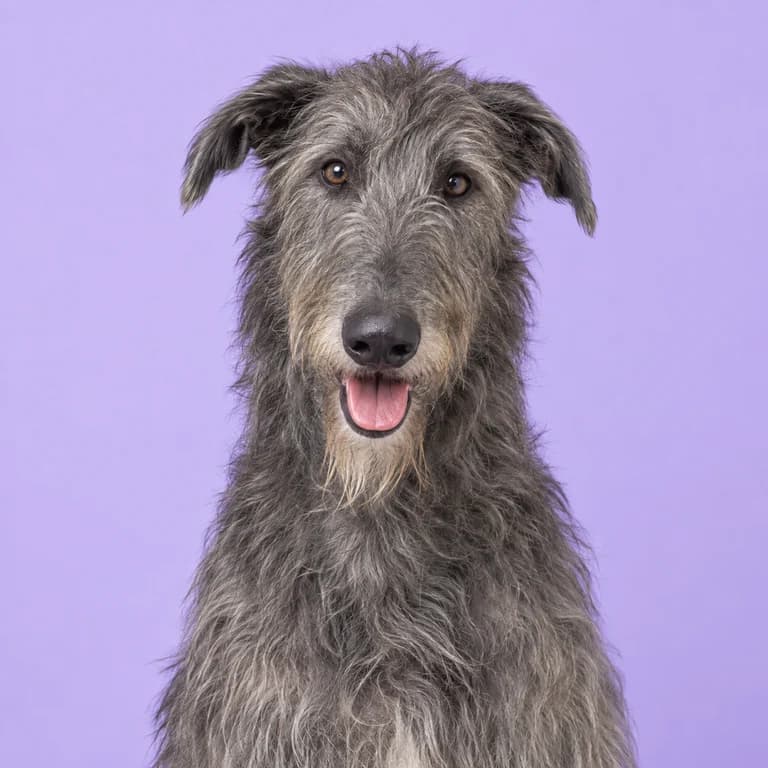
Hound group
Scottish Deerhound
34 to 50 kg · 8 to 11 years
Tall enough to rest its chin on your dining table, yet gentle, quiet and happiest stretched out on the sofa.
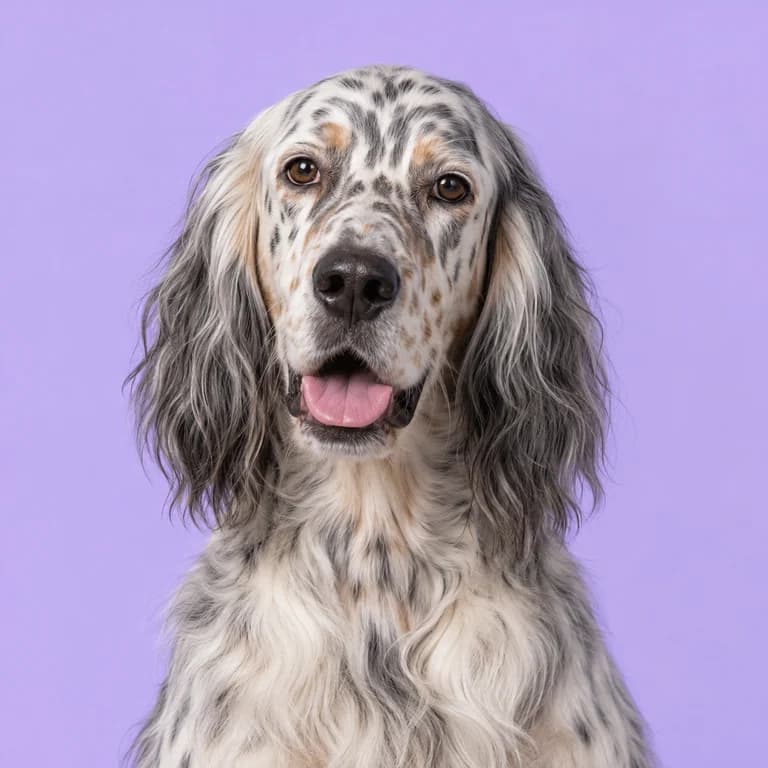
Sporting group
English Setter
20 to 36 kg · 10 to 12 years
A speckled gentleman of the field, mellow at home yet slow to grow out of puppy silliness.
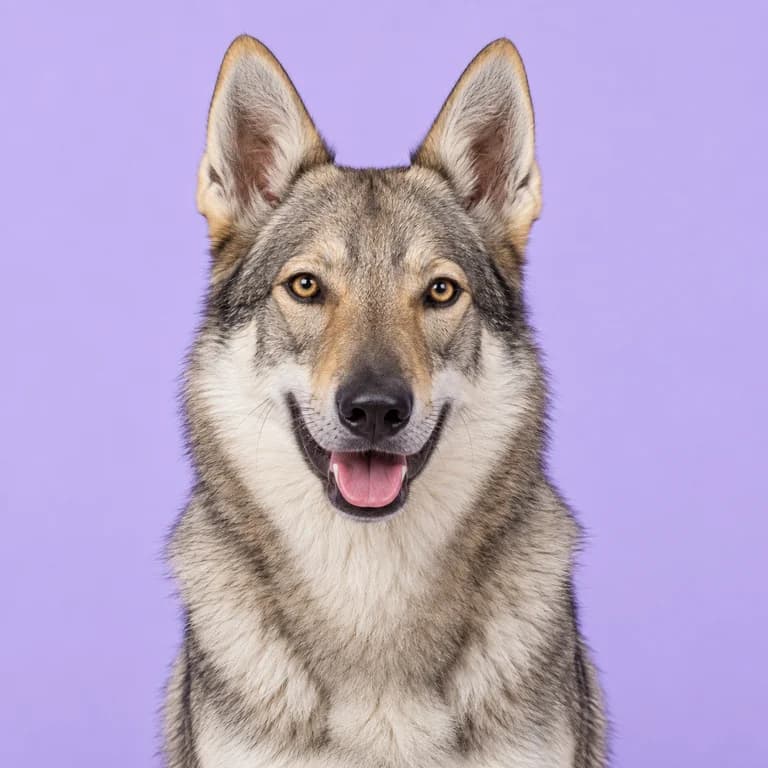
Herding group
Czechoslovakian Wolfdog
20 to 35 kg · 12 to 15 years
A Cold War border experiment that produced a dog with a wolf's look, a wolf's stamina and a mind of its own.