Sources for this article
Sporting group · Germany
German Wirehaired Pointer
Also called Deutsch Drahthaar, Drahthaar, GWP
A bearded, weatherproof German hunting dog that thrives with a firm, fair trainer and a real job to do.
The German Wirehaired Pointer is a rugged, versatile gundog bred in Germany to point, retrieve, track and cope with thorny cover and cold water. Loyal and hardworking, it often bonds most closely with one person and needs consistent training, plenty of exercise and an owner who enjoys a thinking, opinionated dog.
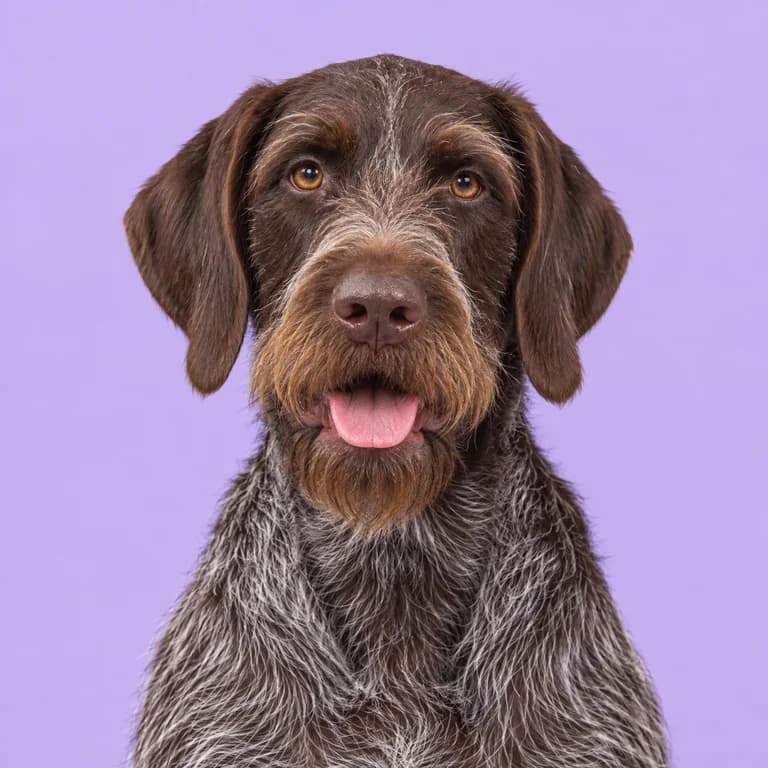
Original AI-generated breed illustration
Weight
23 to 32 kg
51 to 70 lb
Height
57 to 68 cm
at the shoulder
Life expectancy
12 to 14 yrs
Activity estimate
120 to 150 min
editorial daily planning range
Adult-size estimate
24 months
approximate model input
Life with a German Wirehaired Pointer
Owners of German Wirehaired Pointers tend to say the same thing: this is a dog that must be trained, not merely walked. Bred in Germany from the late 19th century to hunt everything from quail to wild boar on land and in water, the Drahthaar was selected for brains, grit and independence. Those traits make a superb hunting partner, and a handful for anyone who expects a dog to simply fit around them.
German hunters wanted a pointer with a tougher jacket than the Shorthair, one that could push through bramble and swim in icy lakes. Breeders are generally credited with combining Griffon, Pudelpointer, Stichelhaar and German Shorthaired Pointer lines. The breed club in Germany still values field tests highly, so working ability has stayed at the core of the breed.
Temperament is loyal, energetic and often a little reserved. Many GWPs attach themselves strongly to one person and are polite rather than gushing with strangers. They can be good watchdogs and are usually fine with the family's children, though their energy can overwhelm small ones. Some are pushy with other dogs, particularly of the same sex.
Give a Wirehair work, whether that is hunting, tracking, dock diving or long runs, and you get a steady, devoted companion. Leave it unoccupied and it will find its own projects, usually loud or destructive ones.
What stands out
Training
A Wirehair learns fast and then asks why. It responds best to a clear, calm handler who is consistent every day, rewards generously and never relies on harsh punishment. Sessions of about 10 minutes with a single clear goal beat long repetitive drills, and a routine of structured tasks, such as fetching, holding a sit or staying steady while a toy is thrown, keeps that busy brain engaged.
Read the full training guideEasy to train
Open with strangers
Good with other dogs
A great match for
- hunters and field sports enthusiasts
- experienced owners who enjoy training
- rural homes with access to open land
- active people who walk in all weather
Think twice if
- needs firm, consistent training
- reserved or protective with strangers
- can be dominant with other dogs
- very high exercise needs
Personality and needs at a glance
Living together
Good with children
Good with other dogs
Open with strangers
Apartment friendly
Copes with alone time
Energy and character
Energy level
Playfulness
Easy to train
Barking
5 means very vocal
Care and climate
Grooming needs
Shedding
Drooling
Handles cold
Handles heat
How much a German Wirehaired Pointer eats
Illustrative calculations for neutered adults at midpoint breed weights, with food at 370 kcal per 100 g and 100 g per cup. These are not measured breed requirements. Use actual weight, the food label and veterinary body-condition advice.
| Dog | Weight | Calories | Dry food |
|---|---|---|---|
| Female, relaxed lifestyle | 26 kg | 1130 kcal | 305 g (3 cups) |
| Female, typical pet | 26 kg | 1290 kcal | 350 g (3.5 cups) |
| Male, typical pet | 30 kg | 1420 kcal | 385 g (3.8 cups) |
| Male, very active | 30 kg | 1770 kcal | 480 g (4.8 cups) |
Care guides for the German Wirehaired Pointer
Things owners are often surprised by
- 1Known in Germany as the Deutsch Drahthaar, developed from the late 1800s
- 2Its German breed club places heavy weight on field performance tests when approving dogs for breeding
- 3The harsh coat sheds water and protects against thorns and brambles
- 4A beard and bushy eyebrows give the face a serious, expressive look
- 5Often more reserved with strangers than its Shorthaired cousin
German Wirehaired Pointer questions
What is the difference between a German Wirehaired and a German Shorthaired Pointer?
Coat and temperament are the main differences. The Wirehair has a harsh, wiry coat with a beard and eyebrows, suited to rough cover and cold water, while the Shorthair has a short, smooth coat. Wirehairs are often more reserved with strangers and more protective, whereas Shorthairs tend to be friendly with everyone. Both need lots of exercise.
Are German Wirehaired Pointers good family dogs?
They can be, in active families that give them plenty of work and training. They are loyal and often gentle with their own children, but high energy and strong instincts make them demanding. They suit homes where someone genuinely enjoys training and outdoor activity, rather than households looking for a relaxed pet.
Do German Wirehaired Pointers shed?
Moderately. The wiry outer coat sheds less than many smooth-coated breeds, while the undercoat thickens in winter and drops out in spring. A weekly brush handles it for most of the year, and light hand stripping a few times a year keeps the coat tight and harsh.
Are German Wirehaired Pointers protective?
More than most gundogs. Many are watchful and reserved with strangers, and some will bark at visitors or guard the house. Early socialization teaches them to accept guests calmly. Treat this as a trait to manage rather than encourage, since an over-protective large dog is difficult to live with.
Why does a German Wirehaired Pointer have a beard?
The beard, moustache and eyebrows are part of the breed's protective coat. They shield the face and eyes from thorns, brambles and cold water when the dog pushes through rough cover. They also give the breed its serious, expressive look. Because the beard soaks up food and water, a quick wipe after meals keeps it fresh.
Popular answers for owners
- Grooming and coatHow often should I brush a long haired dog?
- How much to feedHow should I adjust food if my dog is on restricted activity after an injury?
- Exercise and playHow do I teach my dog to catch a ball in the air?
- How much to feedHow much should I feed a 5kg dog?
- Puppy feeding and growthHow do I transition my puppy from 3 meals to 2 meals?
- Exercise and playWhat is flirt pole play and is it safe?
Breeds you might compare
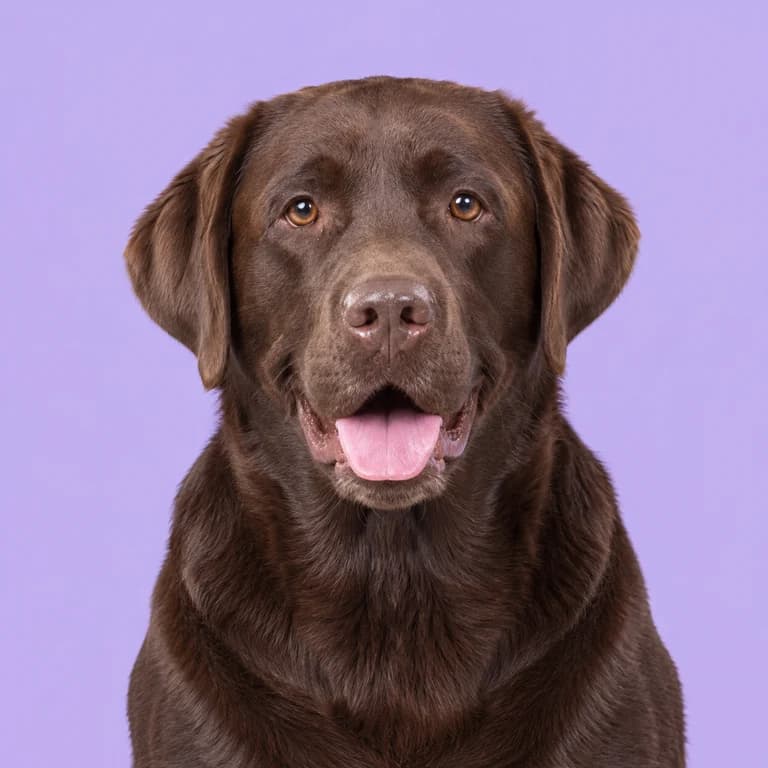
Sporting group
Labrador Retriever
25 to 36 kg · 11 to 13 years
Bred to haul nets in icy Atlantic water, now the family dog that never stops thinking about lunch.
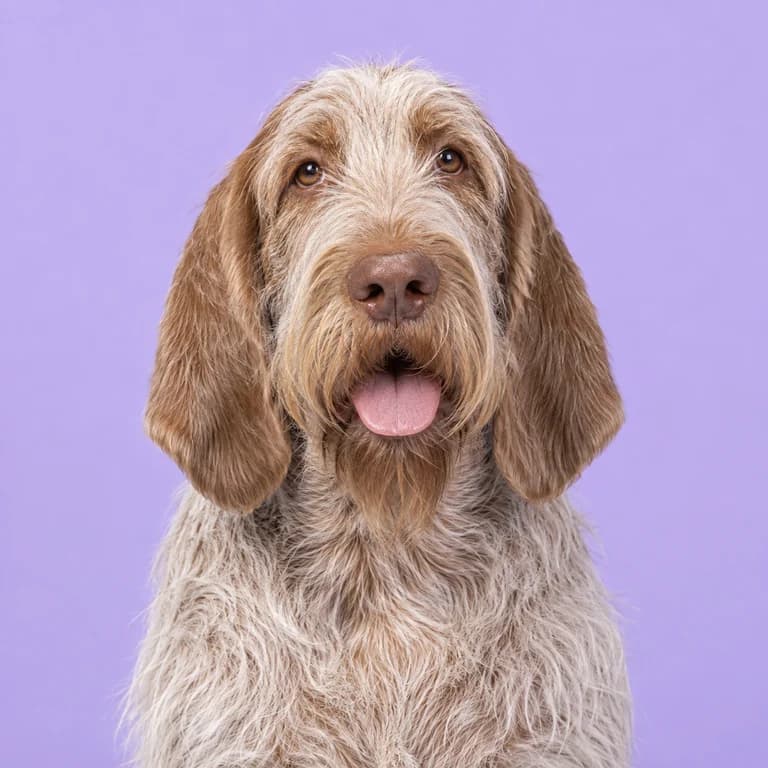
Sporting group
Spinone Italiano
28 to 39 kg · 10 to 12 years
A bearded Italian pointer with a gentle, patient soul and a pace best described as thoughtful.
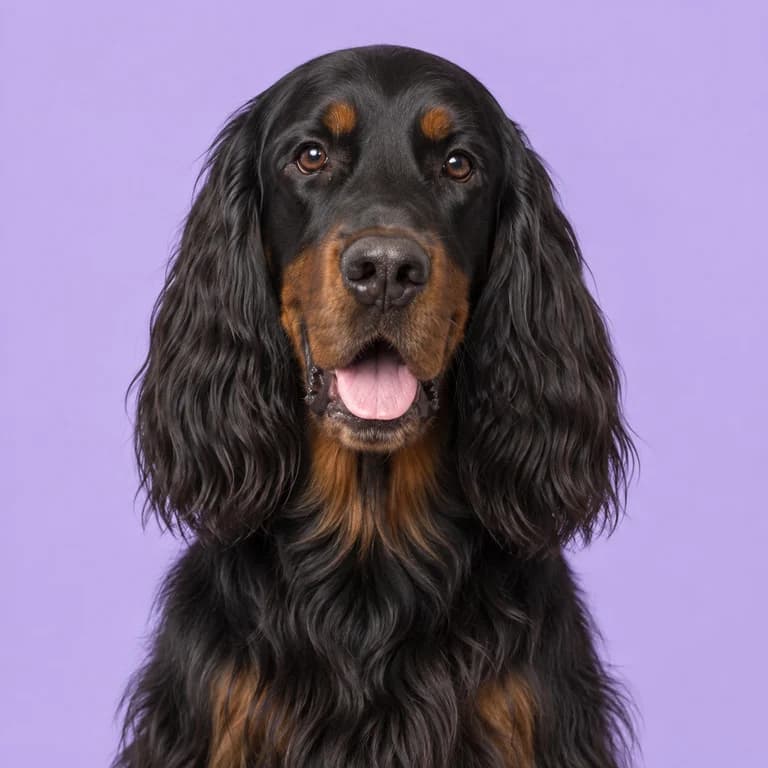
Sporting group
Gordon Setter
20 to 36 kg · 10 to 12 years
The heaviest and most thoughtful of the setters, shaped by a Scottish duke for long days on grouse moors.
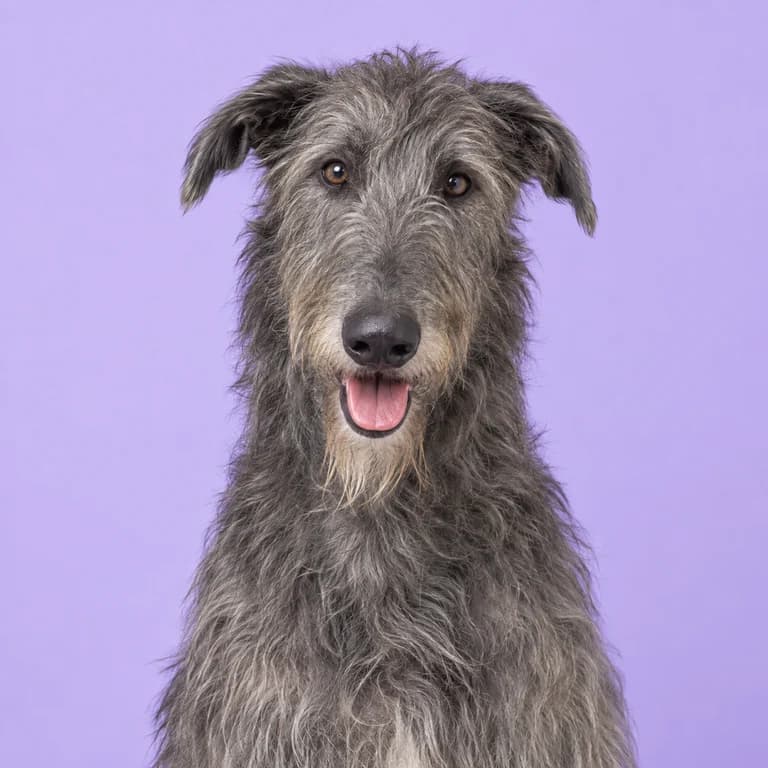
Hound group
Scottish Deerhound
34 to 50 kg · 8 to 11 years
Tall enough to rest its chin on your dining table, yet gentle, quiet and happiest stretched out on the sofa.
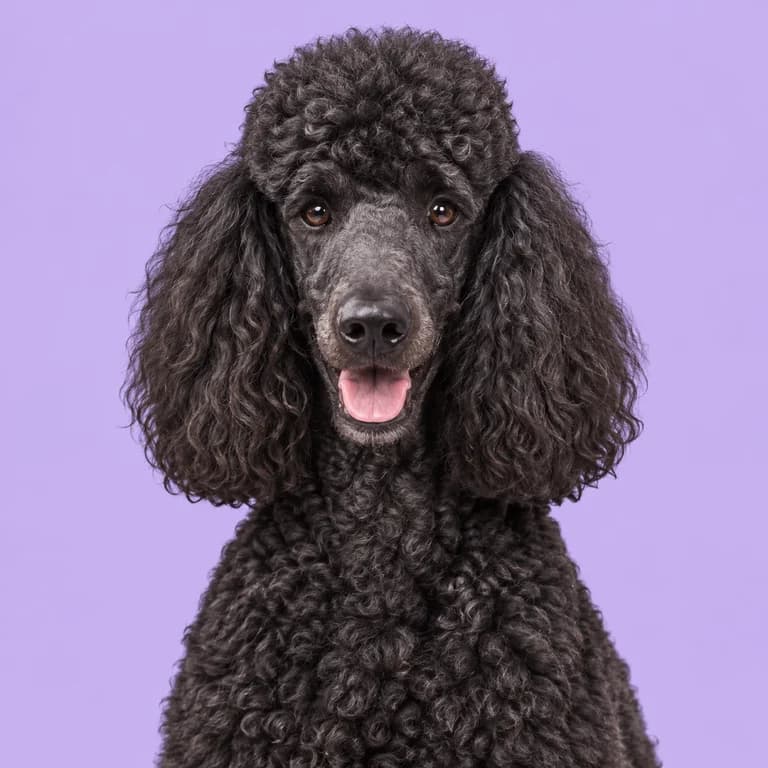
Non-sporting group
Standard Poodle
20 to 32 kg · 12 to 15 years
A water retriever in disguise, with a mind so quick it turns every household routine into a lesson.
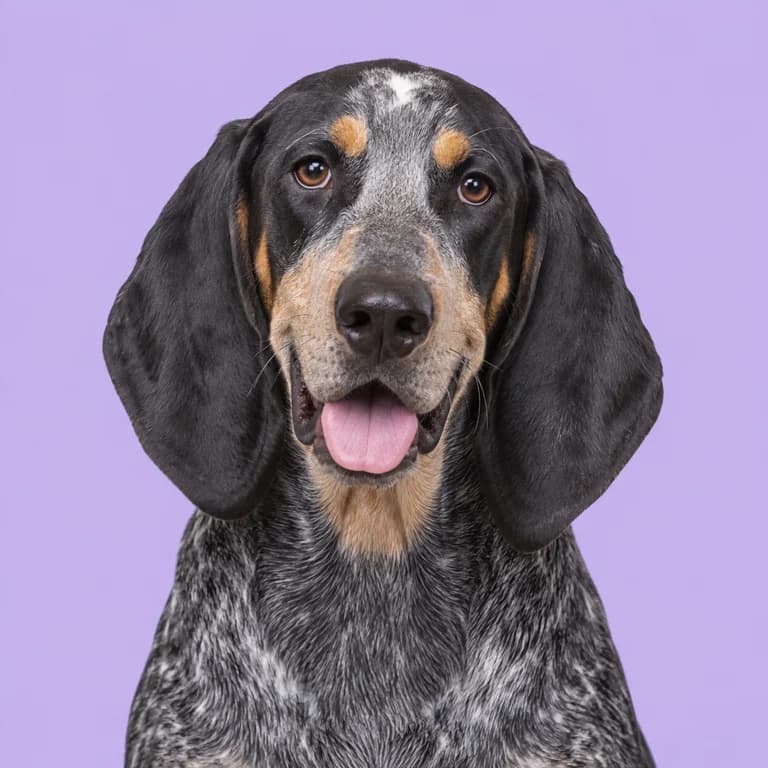
Hound group
Bluetick Coonhound
20 to 36 kg · 11 to 12 years
A cold-nosed American hound with a booming voice that follows a raccoon's trail long after it has faded.