Sources for this article
Sporting group · England
Flat-Coated Retriever
Also called Flatcoat, Flat-coat, Flattie
A glossy black gundog with a permanently wagging tail and a boyish enthusiasm that rarely fades.
The Flat-Coated Retriever is an English gundog known for its cheerful, optimistic nature and a playful streak that lasts well into old age. It is loving with everyone, eager to work and happiest outdoors. It needs lots of exercise and companionship, and owners should know about the breed's well-documented cancer risk.
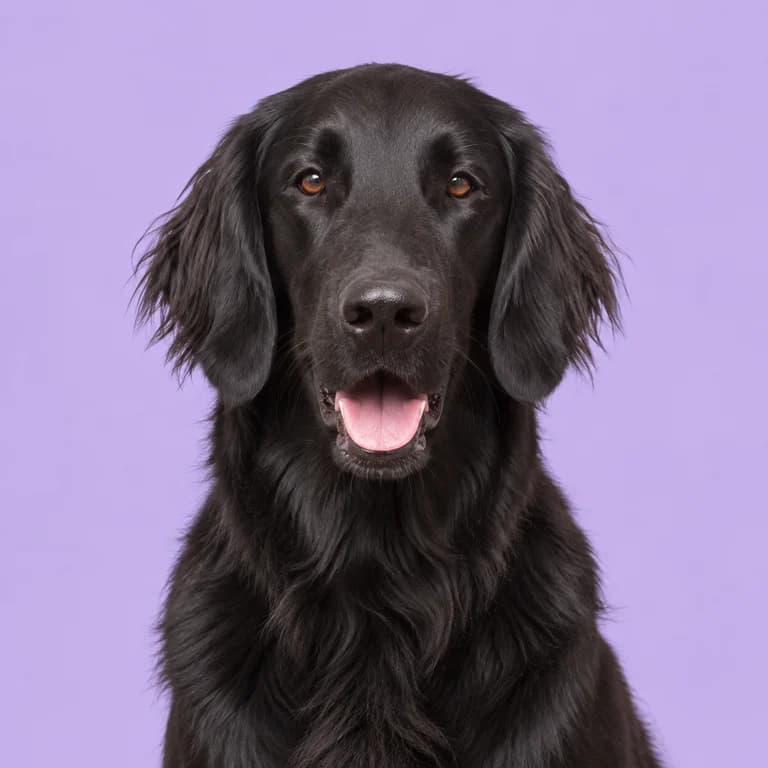
Original AI-generated breed illustration
Weight
25 to 36 kg
55 to 79 lb
Height
56 to 62 cm
at the shoulder
Life expectancy
8 to 10 yrs
Activity estimate
120 to 150 min
editorial daily planning range
Adult-size estimate
18 months
approximate model input
Life with a Flat-Coated Retriever
In the mid 1800s, British gamekeepers wanted a dog that could retrieve shot birds from water and marsh as reliably as from fields. Crosses between the now-extinct St. John's water dog, setters and other retrieving types produced the wavy-coated retriever, which later became the Flat-Coated Retriever. By the 1880s it was the favorite retriever on many estates.
Then the Labrador and Golden took over the shooting field, and by the end of the Second World War the Flatcoat had become rare. Careful breeders kept the line going and restored it slowly, prioritizing working ability and temperament. It remains less common than its cousins, which many enthusiasts consider a blessing.
Temperament is the heart of this breed. A good Flatcoat is sunny, sociable and funny, greets strangers like old friends and seems to find everything interesting. It stays exuberant well past its second or third birthday, which delights some owners and exhausts others. In the house it is affectionate and wants to be involved in everything, and a lonely Flatcoat can become destructive.
What stands out
Training
Flatcoats are eager to please and learn quickly, but they are also easily distracted and very social. Positive methods using food, toys and play work best. Keep sessions lively and short, and build focus gradually in places with increasing distraction.
Read the full training guideEasy to train
Open with strangers
Good with other dogs
A great match for
- active families with older children
- people who hike, run or do gundog work
- homes with other friendly dogs
- owners who enjoy a playful, affectionate dog
Think twice if
- high breed rate of cancer
- very slow to mature and settle
- unhappy when left alone for long
- will steal food and carry off household items
- needs substantial daily exercise
Personality and needs at a glance
Living together
Good with children
Good with other dogs
Open with strangers
Apartment friendly
Copes with alone time
Energy and character
Energy level
Playfulness
Easy to train
Barking
5 means very vocal
Care and climate
Grooming needs
Shedding
Drooling
Handles cold
Handles heat
How much a Flat-Coated Retriever eats
Illustrative calculations for neutered adults at midpoint breed weights, with food at 370 kcal per 100 g and 100 g per cup. These are not measured breed requirements. Use actual weight, the food label and veterinary body-condition advice.
| Dog | Weight | Calories | Dry food |
|---|---|---|---|
| Female, relaxed lifestyle | 29 kg | 1210 kcal | 325 g (3.3 cups) |
| Female, typical pet | 29 kg | 1380 kcal | 375 g (3.8 cups) |
| Male, typical pet | 32 kg | 1490 kcal | 400 g (4 cups) |
| Male, very active | 32 kg | 1860 kcal | 505 g (5 cups) |
Care guides for the Flat-Coated Retriever
Things owners are often surprised by
- 1The breed was developed in Victorian Britain, often credited to breeder S. E. Shirley, who also founded the Kennel Club in 1873
- 2Flatcoats were the most popular retriever on British estates before Labradors and Goldens overtook them
- 3Many owners call them the Peter Pan of retrievers because they stay puppyish for years
- 4Only black and liver are accepted colors; yellow puppies occasionally appear but are not shown
- 5A Flatcoat known as Jet won Best in Show at Crufts in 2011, a rare top win for the breed
- 6The tail is almost constantly wagging, which breeders consider a hallmark of the correct temperament
Flat-Coated Retriever questions
What is the difference between a Flat-Coated Retriever and a Golden Retriever?
Both are friendly, athletic retrievers from Britain. Flatcoats are usually black or liver with a flatter, finer coat and a more elegant, longer head. They tend to stay playful longer and can be a little more exuberant. Goldens are more common, shed more and are often slightly calmer as adults. Flatcoats have a shorter average lifespan because of their higher cancer rate.
Why do Flat-Coated Retrievers get cancer so often?
The exact reasons are not fully understood, but the breed's small population and historical bottleneck concentrated certain genetic risks. Research groups and breed clubs are studying cancer patterns in Flatcoats, and many breeders track longevity in their lines. Regular health checks, feeling your dog over for lumps monthly and seeing a vet promptly about changes give the best chance of early detection.
Do Flat-Coated Retrievers calm down?
Eventually, but it takes time. Flatcoats keep their puppy energy longer than most breeds, and many do not settle until 3 or 4 years old. Even then, most stay playful into old age. Plenty of exercise, mental stimulation and consistent training help a lot. If you want a quiet dog soon after puppyhood, another breed may suit you better.
Can Flat-Coated Retrievers be yellow?
Occasionally a yellow puppy appears in a litter, as some black or liver dogs carry the yellow gene. These dogs are genuine Flatcoats and make excellent pets, but yellow is not an accepted show color, so they cannot be exhibited. Breeders who deliberately produce yellow Flatcoats are uncommon, and it is worth asking any breeder about health testing first.
Are Flat-Coated Retrievers good for first-time owners?
They can be, if the owner is active and committed. The breed is friendly and trainable, but its energy, slow maturity and need for company can overwhelm people expecting an easy dog. First-time owners who enjoy long walks, attend a training class and have time at home often do very well. A calmer adult from a rescue or breeder can be a gentler start.
Popular answers for owners
- Grooming and coatWhy does my dog's coat look dull?
- Exercise and playIs it safe to bike with my dog running alongside me?
- How much to feedMy dog gained weight suddenly, what could explain it?
- Grooming and coatCan I use human hair clippers on my dog?
- Exercise and playDo dogs need life jackets for swimming?
- Exercise and playHow does exercise differ between working line and show line dogs of the same breed?
Breeds you might compare
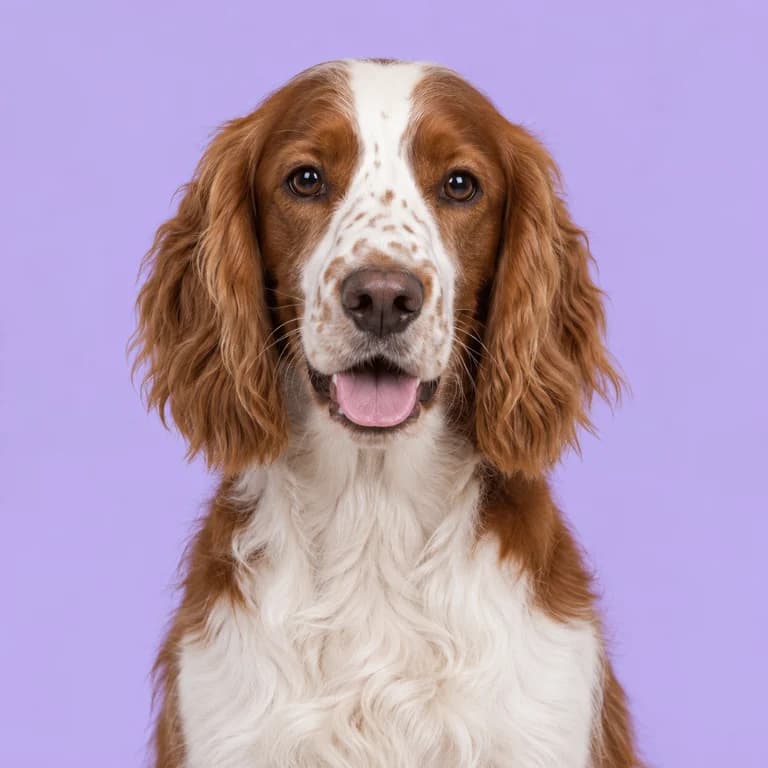
Sporting group
Welsh Springer Spaniel
16 to 25 kg · 12 to 15 years
A red-and-white Welsh gundog that learns best through partnership, patience and plenty of miles.
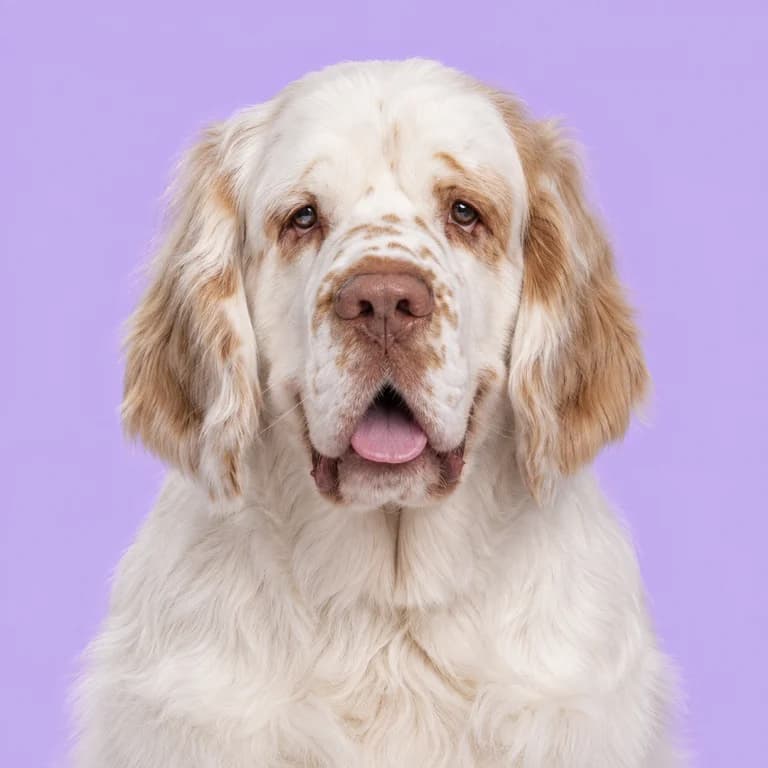
Sporting group
Clumber Spaniel
25 to 39 kg · 10 to 12 years
A heavy, low-slung spaniel with a rolling walk, a gentle soul and no interest in rushing anything.
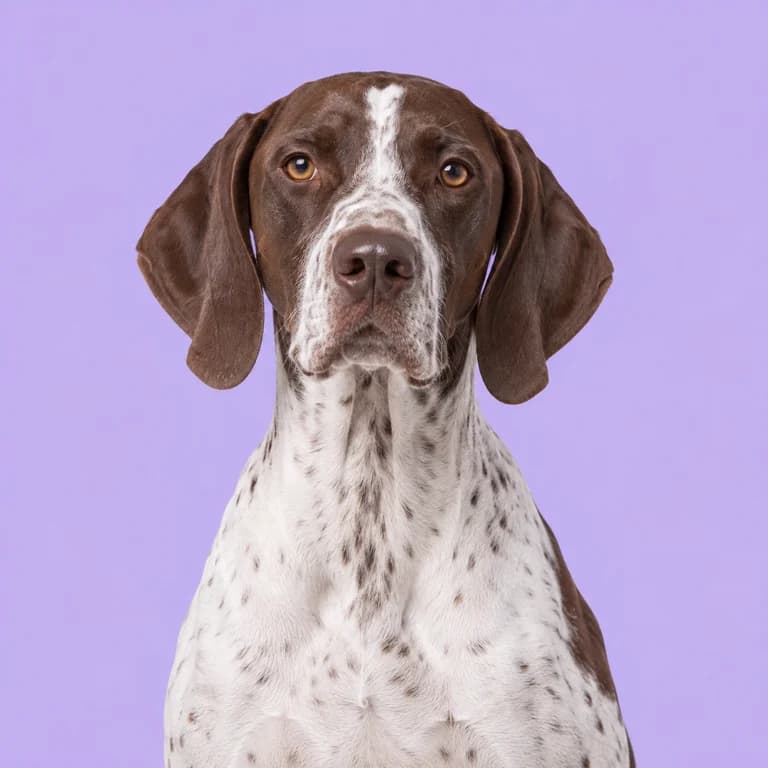
Sporting group
English Pointer
20 to 34 kg · 12 to 15 years
An athlete sculpted for speed across open moorland, with a statue-still point that stops people mid-conversation.
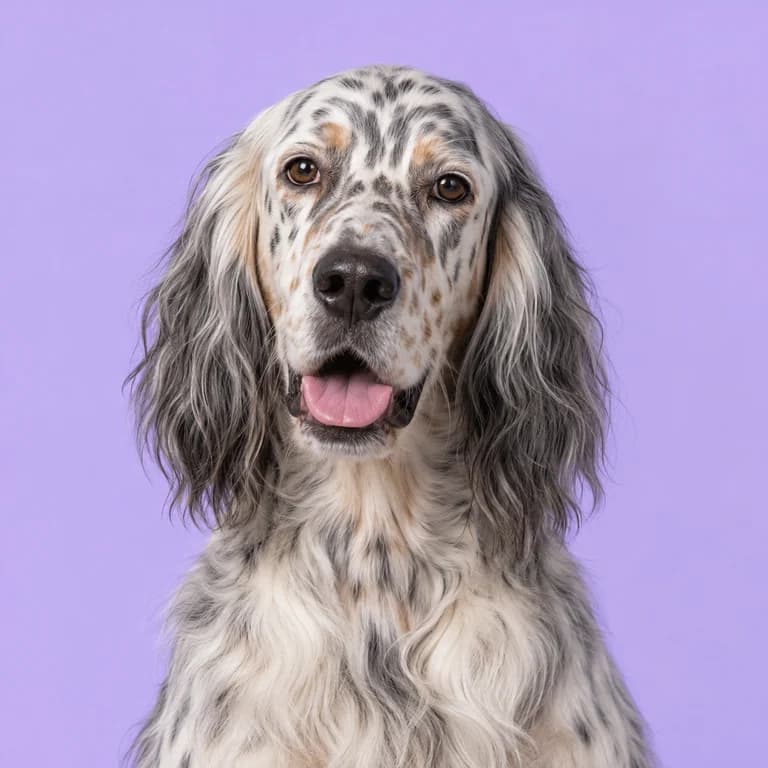
Sporting group
English Setter
20 to 36 kg · 10 to 12 years
A speckled gentleman of the field, mellow at home yet slow to grow out of puppy silliness.
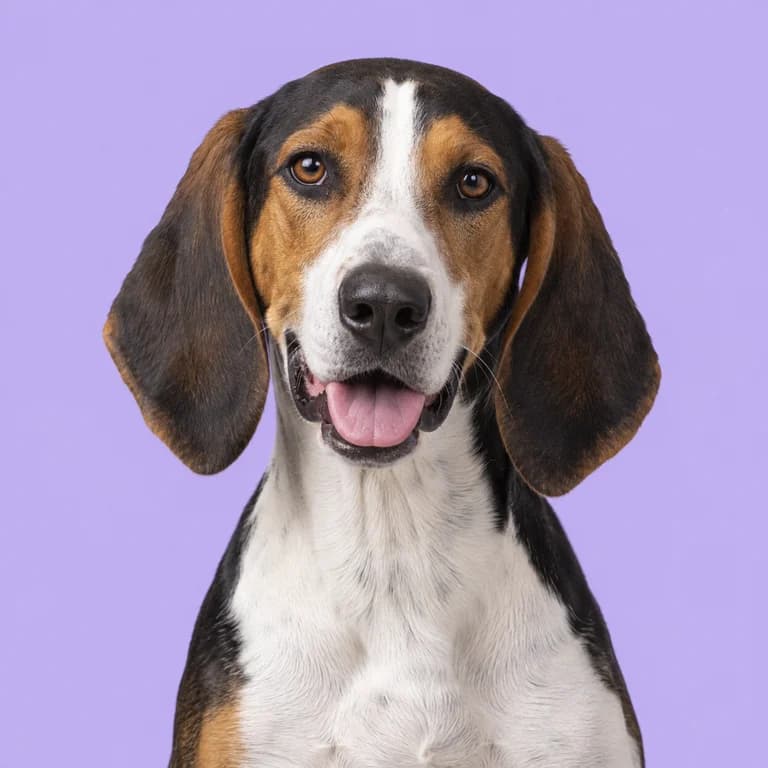
Hound group
Treeing Walker Coonhound
22 to 32 kg · 12 to 13 years
An American night-hunting hound with huge stamina, a voice that carries for miles and a friendly nature.
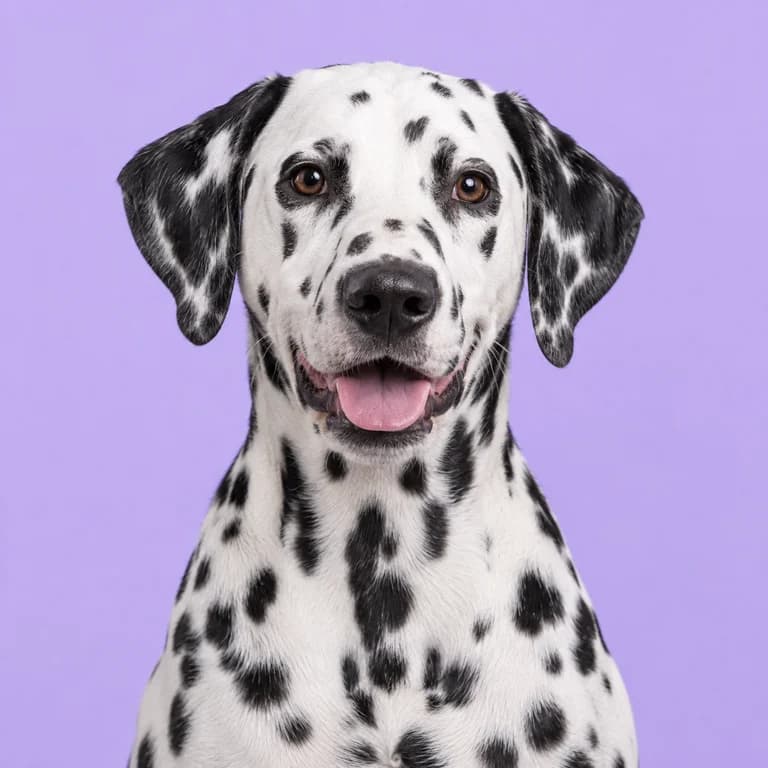
Non-sporting group
Dalmatian
20 to 32 kg · 11 to 13 years
Bred to trot beside horse-drawn carriages for hours, the Dalmatian still has the stamina to prove it.