Sources for this article
Terrier group · Scotland
Dandie Dinmont Terrier
Also called Dandie, Hindlee Terrier, Mustard and Pepper Terrier
A long, low Border terrier with a soft topknot, a dignified stare and a coat that shows off good grooming.
The Dandie Dinmont is a rare terrier from the Scottish Borders, built long and low with a large head and a silky topknot. It is calmer and more thoughtful than many terriers, affectionate at home and brave outside. Its distinctive coat needs regular hand care, and its back needs protection throughout life.
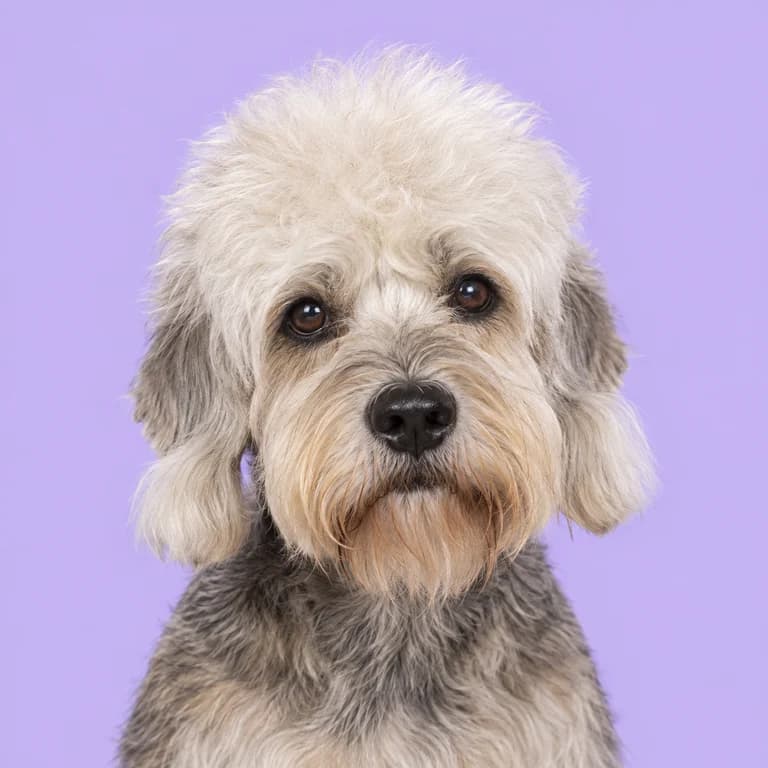
Original AI-generated breed illustration
Weight
8 to 11 kg
18 to 24 lb
Height
20 to 28 cm
at the shoulder
Life expectancy
12 to 15 yrs
Activity estimate
60 to 90 min
editorial daily planning range
Adult-size estimate
12 months
approximate model input
Life with a Dandie Dinmont Terrier
In the hills where Scotland meets England, farmers and travelling hunters kept rough little terriers for hunting badgers, otters and foxes. One family of these dogs became famous when Sir Walter Scott described a farmer called Dandie Dinmont and his terriers in the 1815 novel Guy Mannering. Readers loved the character, and the dogs soon took his name. The breed was formally recognized in the late 1800s.
The Dandie looks unlike any other terrier. It has a long, flexible body, short legs, a large rounded head crowned with a silky topknot, big dark eyes and a tail shaped like a scimitar. Its coat is part of its identity, a pencilled mixture of hard and soft hair that needs regular care to look right.
Temperament is gentler than many terriers but still firmly terrier. A Dandie is affectionate and dignified at home, often calm and quiet, yet brave, determined and quick to dig or chase when outside. It is a good choice for owners who want a small, sturdy dog with personality, but it is far from a pushover.
What stands out
Grooming
Grooming is what sets the Dandie apart. Brush and comb two or three times a week, paying attention to the topknot, ears and legs. The body coat is traditionally hand-stripped or plucked to keep the pencilled texture, with a full groom every few months and light tidying between.
Read the full grooming guideIllustrative grooming schedule based on our editorial coat-care score. Adjust it to the individual coat and professional advice.
Brushing
4 to 5 times a week
Bathing
Every 3 to 6 weeks
Shedding
Minimal
Nail trim
Every 3 to 4 weeks
A great match for
- adults and families wanting a calm small terrier
- apartment or town living with daily walks
- owners willing to learn or pay for coat care
- people who enjoy a dog with character and a quiet streak
Think twice if
- long back prone to disc problems
- coat needs regular brushing and trimming
- can be stubborn and independent
- may chase small animals
- rare, so expect waiting lists for puppies
Personality and needs at a glance
Living together
Good with children
Good with other dogs
Open with strangers
Apartment friendly
Copes with alone time
Energy and character
Energy level
Playfulness
Easy to train
Barking
5 means very vocal
Care and climate
Grooming needs
Shedding
Drooling
Handles cold
Handles heat
How much a Dandie Dinmont Terrier eats
Illustrative calculations for neutered adults at midpoint breed weights, with food at 370 kcal per 100 g and 100 g per cup. These are not measured breed requirements. Use actual weight, the food label and veterinary body-condition advice.
| Dog | Weight | Calories | Dry food |
|---|---|---|---|
| Female, relaxed lifestyle | 10 kg | 530 kcal | 145 g (1.5 cups) |
| Female, typical pet | 10 kg | 610 kcal | 165 g (1.8 cups) |
| Male, typical pet | 10 kg | 610 kcal | 165 g (1.8 cups) |
| Male, very active | 10 kg | 760 kcal | 205 g (2 cups) |
Care guides for the Dandie Dinmont Terrier
Things owners are often surprised by
- 1It is the only dog breed named after a fictional character: Dandie Dinmont, a farmer in Sir Walter Scott's 1815 novel Guy Mannering
- 2Its two colors are called pepper (grey to black) and mustard (reddish brown to pale fawn)
- 3The Kennel Club in the UK has listed it as a vulnerable native breed because of low registration numbers
- 4Early Dandies were used to hunt otters, badgers and foxes in the Border hills
- 5The body coat has a pencilled texture, with hair crisp enough to show separate locks
- 6Dandies are often described as having a large dog's bark in a small body
Dandie Dinmont Terrier questions
Why is the Dandie Dinmont Terrier named after a book character?
Sir Walter Scott's 1815 novel Guy Mannering featured a Border farmer called Dandie Dinmont who owned a pack of terriers, named Mustard and Pepper in various forms. The book was hugely popular, and readers started calling this type of dog Dandie Dinmont terriers. The name stuck, making it the only breed named after a fictional person.
Is the Dandie Dinmont Terrier rare?
Yes. Registrations in the UK are low, and the Kennel Club has listed the breed as a vulnerable native breed. Only a few hundred puppies may be registered each year worldwide. If you want one, contact breed clubs and expect a waiting list. The rarity also means careful breeding for health and diversity is especially important.
Do Dandie Dinmont Terriers shed?
Very little. The coat does not shed much because dead hair stays in the coat until brushed or stripped out. That makes them tidy in the house, but it also means regular grooming is needed to prevent mats. Some allergy sufferers find them easier than heavy shedders, but no dog is fully allergy-free. Spend time with one before deciding.
Are Dandie Dinmonts good with other pets?
They can live with other dogs and cats, especially if raised with them. As terriers bred to hunt, they may chase small animals such as rabbits, rodents and outdoor cats. Introduce pets slowly, supervise early meetings and give each animal its own space. Some Dandies can be assertive with unfamiliar dogs of the same sex.
What are pepper and mustard Dandies?
These are the two recognized colors. Pepper ranges from dark bluish black to light silvery grey, usually with a pale silvery topknot. Mustard runs from reddish brown to a pale fawn, often with a creamy white topknot. Puppies are born darker and lighten as the adult coat grows in. Both colors share the same temperament and care needs.
Popular answers for owners
- Exercise and playHow do you play the muffin tin game with dogs?
- Exercise and playWhy does my dog collapse or stumble after swimming in cold water?
- How much to feedWhy do two dog food brands recommend different amounts for the same size dog?
- Bowls and feeding gearHow do I set up bowls for two dogs that eat at different speeds?
- Puppy feeding and growthHow much should a 7 month old puppy eat?
- How much to feedHow many kilograms overweight counts as a real problem?
Breeds you might compare
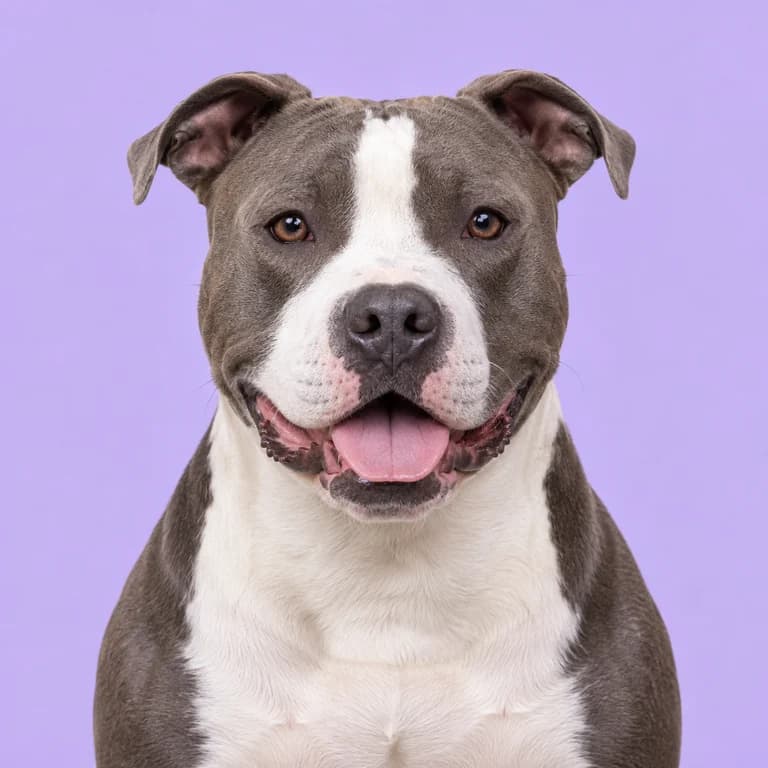
Terrier group
American Staffordshire Terrier
18 to 32 kg · 12 to 15 years
A muscular clown with a soft spot for people, happiest leaning on you or chewing something built to survive it.
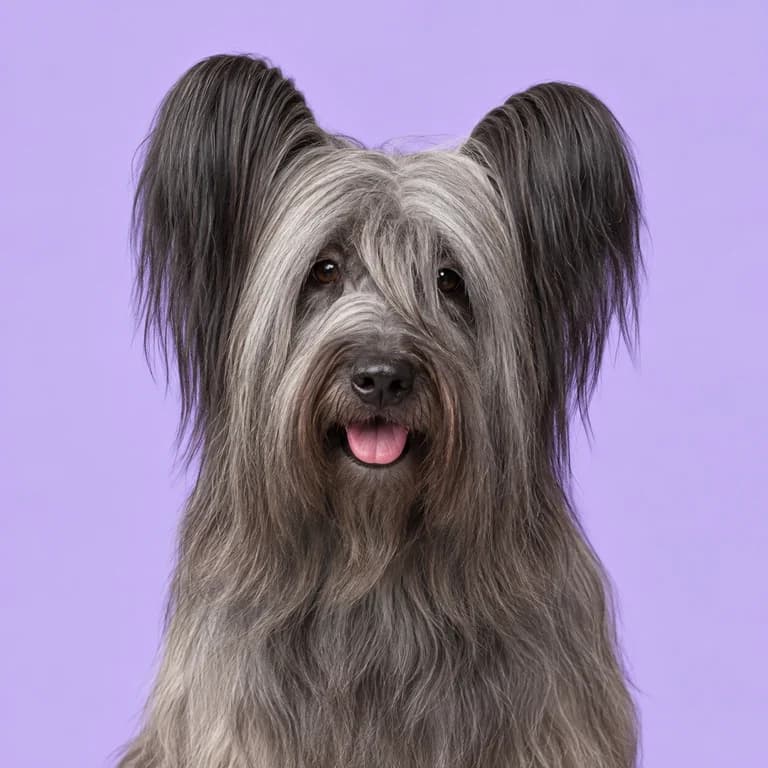
Terrier group
Skye Terrier
11 to 18 kg · 12 to 14 years
A long, low Highland terrier with a flowing coat, a loyal heart and a place in Scottish legend.
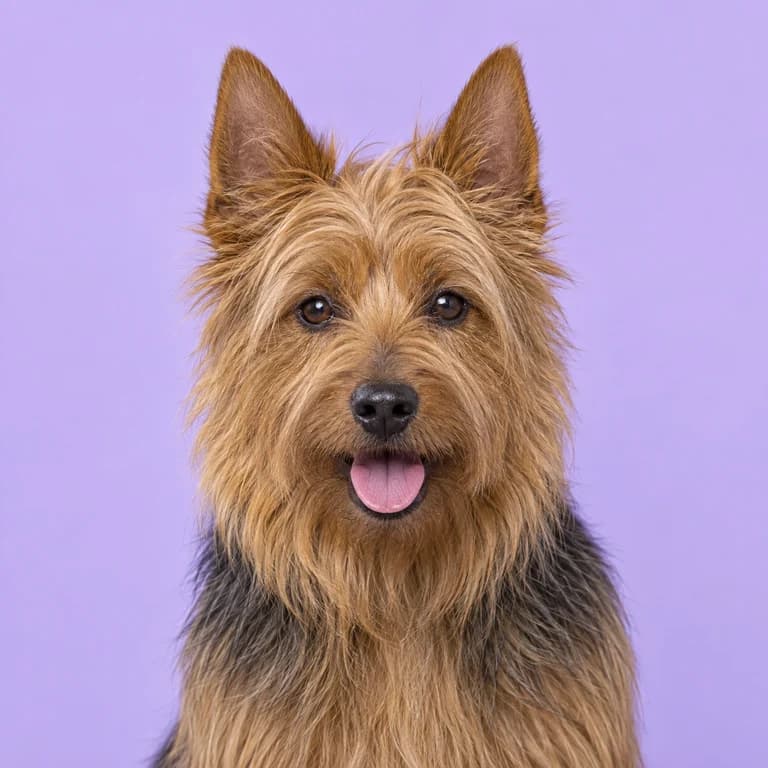
Terrier group
Australian Terrier
5 to 8 kg · 12 to 15 years
A sturdy little terrier from the Australian bush with big-dog confidence and a deeply devoted streak.
Terrier group
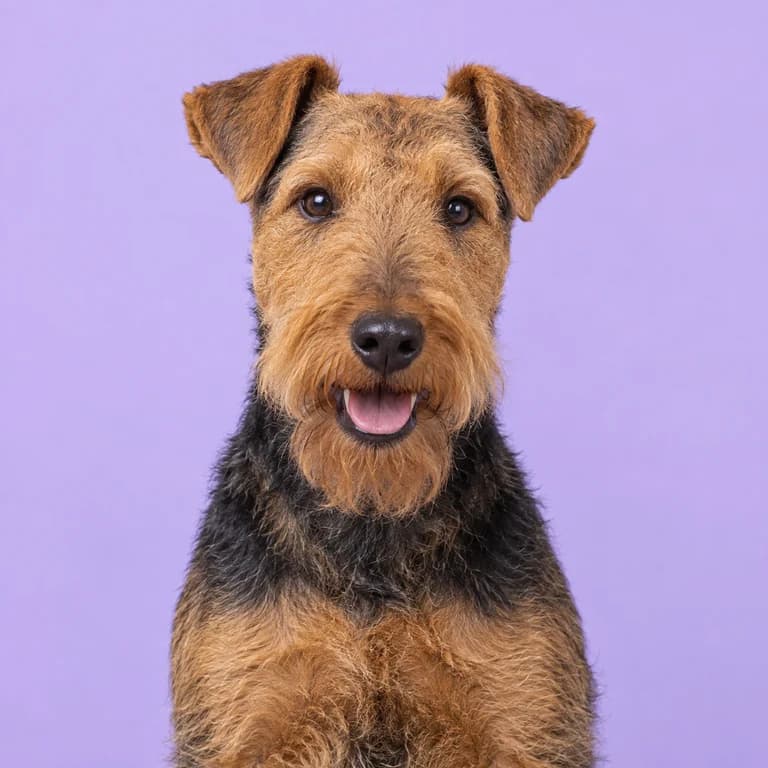
Welsh Terrier
8 to 10 kg · 12 to 15 years
Confident, clownish and a little stubborn, the Welsh Terrier packs a working terrier's spirit into a tidy 10 kg.
Terrier group
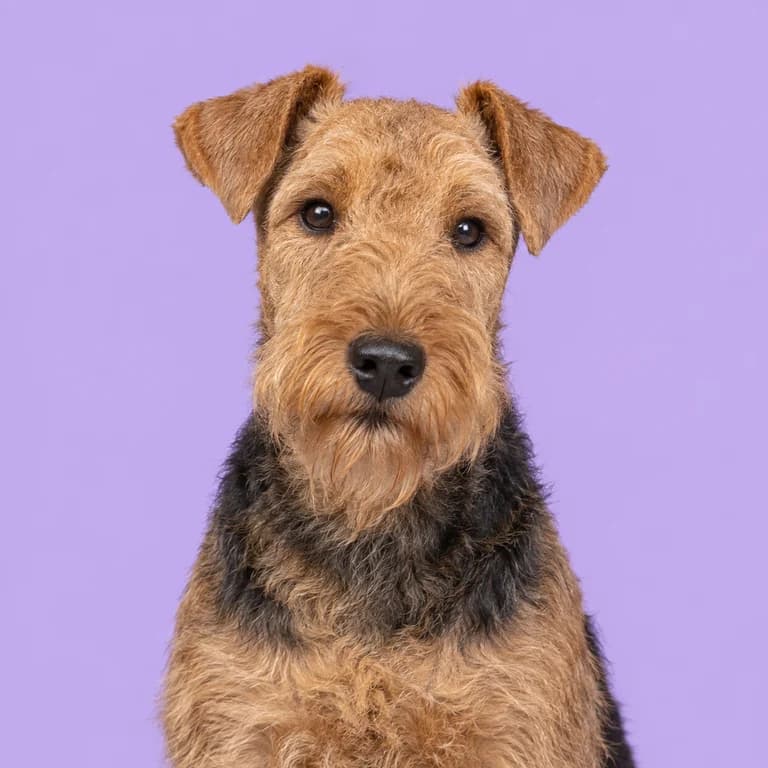
Lakeland Terrier
6 to 8 kg · 12 to 16 years
A small, bold fell terrier from the Lake District that learns fast, forgets nothing and negotiates every rule.
Terrier group
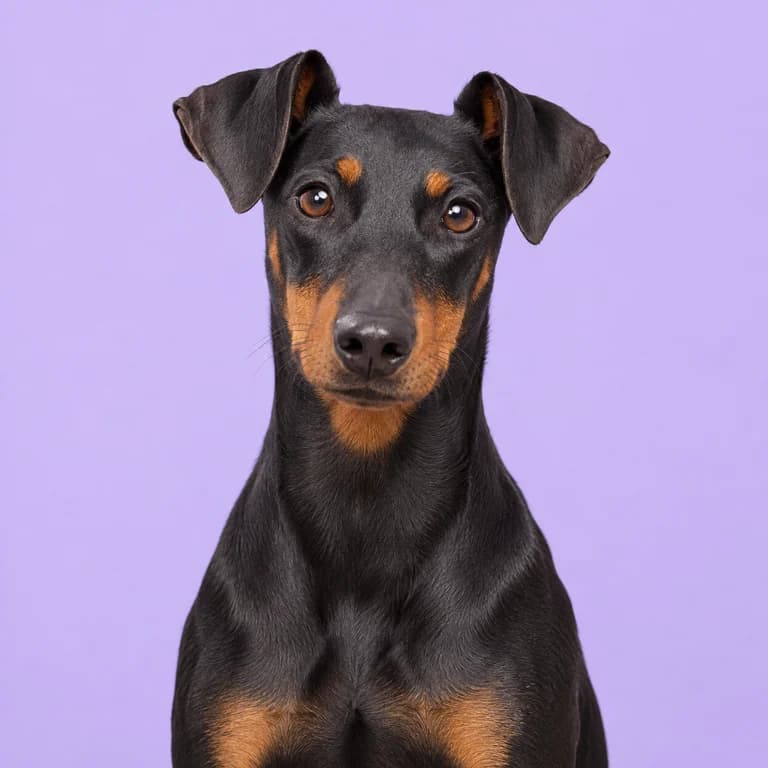
Manchester Terrier
5 to 10 kg · 14 to 16 years
A sleek black and tan ratter from Victorian Manchester, sharp-witted, devoted and very fond of warm laps.