Sources for this article
Terrier group · England
Manchester Terrier
Also called Black and Tan Terrier, Standard Manchester Terrier
A sleek black and tan ratter from Victorian Manchester, sharp-witted, devoted and very fond of warm laps.
The Manchester Terrier combines a terrier's quickness and drive with a sleek, whippet-like frame and a devoted, sensitive nature. It was bred for rat killing and rabbit coursing in industrial England and is now a rare but rewarding companion. Expect a clever, lively dog that loves its people and dislikes the cold.
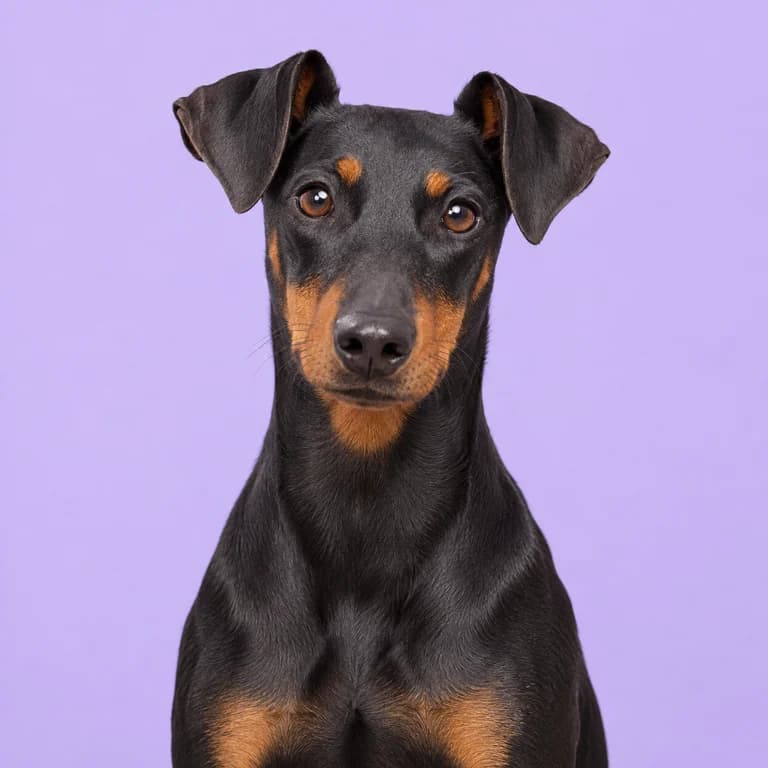
Original AI-generated breed illustration
Weight
5 to 10 kg
11 to 22 lb
Height
36 to 41 cm
at the shoulder
Life expectancy
14 to 16 yrs
Activity estimate
90 to 120 min
editorial daily planning range
Adult-size estimate
12 months
approximate model input
Life with a Manchester Terrier
A Manchester Terrier wants to be wherever you are, preferably under a blanket and touching some part of you. That devotion surprises people who expect a hard-bitten ratting terrier. The breed is both: keen, fast and quick to react when something moves in the hedge, and soft, sensitive and eager to please indoors.
The breed was developed around Manchester in the 1800s, when rat-killing contests and rabbit coursing were popular pastimes in the mill towns. A fancier named John Hulme is credited with crossing a local black and tan terrier with a whippet, producing a dog with the terrier's grit and the sighthound's speed and elegant outline. The result became so associated with the city that it took its name.
Popularity faded as rat pits were outlawed, and a second blow came in 1898 when ear cropping was banned in Britain. Breeders struggled for years to produce natural ears of the right shape, and numbers never fully recovered. Today the breed is on the UK Kennel Club's vulnerable list, while North America keeps both a Standard and a Toy variety.
Indoors a Manchester is clean, fairly quiet by terrier standards and generally tidy. It can be reserved with strangers and sensitive to rough treatment, and it tends to bond strongly with one or two people. Small furry pets are best kept well apart, as the ratting instinct is very much intact.
What stands out
Training
Manchesters are among the more trainable terriers: quick, attentive and motivated by food and play. They lose interest with dull repetition, so keep sessions short and lively. Trick training suits them particularly well, and many learn a new trick in a single evening.
Read the full training guideEasy to train
Open with strangers
Good with other dogs
A great match for
- owners who want a clean, low-grooming small dog
- flats and town houses
- people who enjoy training, tricks and agility
- homes where someone is around for much of the day
Think twice if
- feels the cold and needs a coat in winter
- strong urge to chase small animals
- sensitive to harsh handling
- can attach closely to one person
Personality and needs at a glance
Living together
Good with children
Good with other dogs
Open with strangers
Apartment friendly
Copes with alone time
Energy and character
Energy level
Playfulness
Easy to train
Barking
5 means very vocal
Care and climate
Grooming needs
Shedding
Drooling
Handles cold
Handles heat
How much a Manchester Terrier eats
Illustrative calculations for neutered adults at midpoint breed weights, with food at 370 kcal per 100 g and 100 g per cup. These are not measured breed requirements. Use actual weight, the food label and veterinary body-condition advice.
| Dog | Weight | Calories | Dry food |
|---|---|---|---|
| Female, relaxed lifestyle | 7 kg | 400 kcal | 110 g (1 cups) |
| Female, typical pet | 7 kg | 460 kcal | 125 g (1.3 cups) |
| Male, typical pet | 8 kg | 530 kcal | 145 g (1.5 cups) |
| Male, very active | 8 kg | 670 kcal | 180 g (1.8 cups) |
Care guides for the Manchester Terrier
Things owners are often surprised by
- 1John Hulme of Manchester is credited with crossing a black and tan terrier with a whippet in the mid 1800s.
- 2The breed declined sharply after Britain banned ear cropping in 1898, as breeders struggled to produce correct natural ears.
- 3The UK Kennel Club lists it as a vulnerable native breed.
- 4Correct markings include a black 'thumbprint' on each foreleg and fine black 'pencil marks' on the toes.
- 5North American clubs also recognize a Toy variety that weighs no more than 5.4 kg (12 lb).
Manchester Terrier questions
What is the difference between a Manchester Terrier and a Miniature Pinscher?
They look similar in black and tan, but they are unrelated breeds. The Miniature Pinscher is German, smaller and has a high-stepping gait. The Manchester is English, built more like a small whippet, with a longer, sleeker outline and a smooth, ground-covering stride. Temperaments differ too: Manchesters are usually more biddable and people-focused, while Min Pins tend to be bolder and more independent.
Are Manchester Terriers good apartment dogs?
Yes, generally. They are small, clean, low-shedding and less noisy than many terriers, and they are happy to curl up indoors after exercise. They still need daily walks and play, and some will bark at corridor noises, so start teaching calm responses early. Their dislike of cold and rain also makes a covered route to outdoor space a real bonus.
Do Manchester Terriers get cold?
Very easily. The coat is short and has no undercoat, and the breed carries little body fat. Most need a well-fitted coat or jumper when temperatures drop below about 10°C (50°F), especially in wind or rain. Indoors they seek warmth, burrowing under blankets or claiming the sunniest spot. Shivering, a hunched posture or refusing to walk are signs your dog is too cold.
Are Manchester Terriers good with cats?
They can live with a cat they are raised with, and many do. Their ratting heritage means a strong response to anything small that runs, so early, supervised introductions matter. Pet rodents, rabbits and birds should be kept completely separate. Unfamiliar cats outdoors may always trigger a chase, so keep your Manchester on a lead in areas where cats roam.
What is the difference between the Standard and Toy Manchester Terrier?
In North America they are two varieties of one breed. The Standard weighs over 5.4 kg (12 lb) and up to about 10 kg (22 lb), and can have naturally erect, button or cropped ears. The Toy is 5.4 kg or less and must have naturally erect ears. In the UK only one size is recognized, while the English Toy Terrier is treated as a separate breed.
Popular answers for owners
- Exercise and playWhat household items make safe enrichment toys?
- Exercise and playAre rubber chew toys better than plastic ones?
- Exercise and playHow much exercise does a pregnant dog need?
- How much to feedHow much should I feed a 70 lb dog?
- How much to feedHow precise do I need to be when measuring my dog's food?
- Exercise and playHow do I teach my dog to catch a ball in the air?
Breeds you might compare
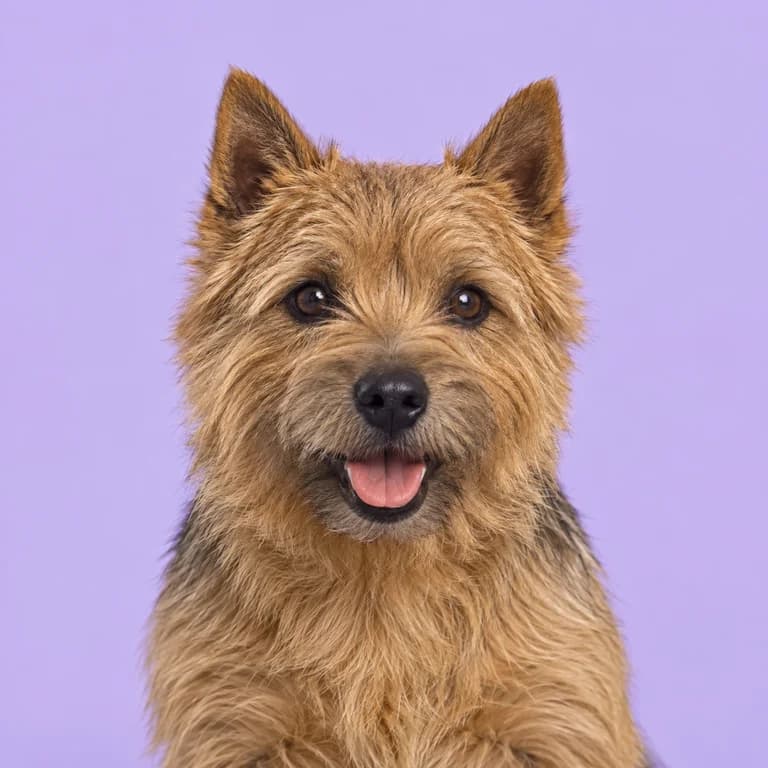
Terrier group
Norwich Terrier
5 to 6 kg · 12 to 15 years
One of the smallest working terriers, a big-dog attitude packed into about 5 kg of solid muscle.
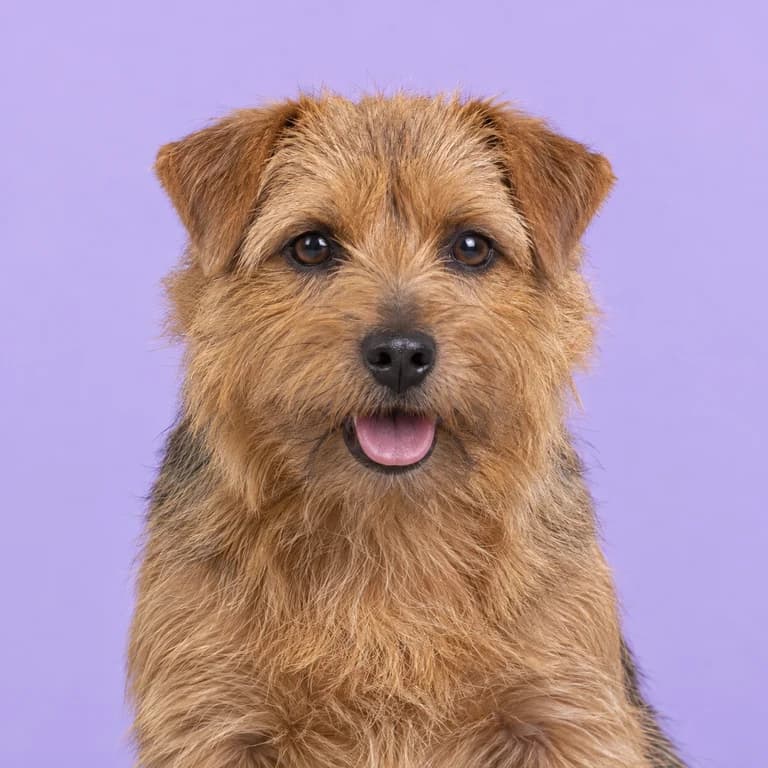
Terrier group
Norfolk Terrier
5 to 6 kg · 12 to 15 years
One of the smallest working terriers, low and sturdy, with folded ears and a notably sociable nature.
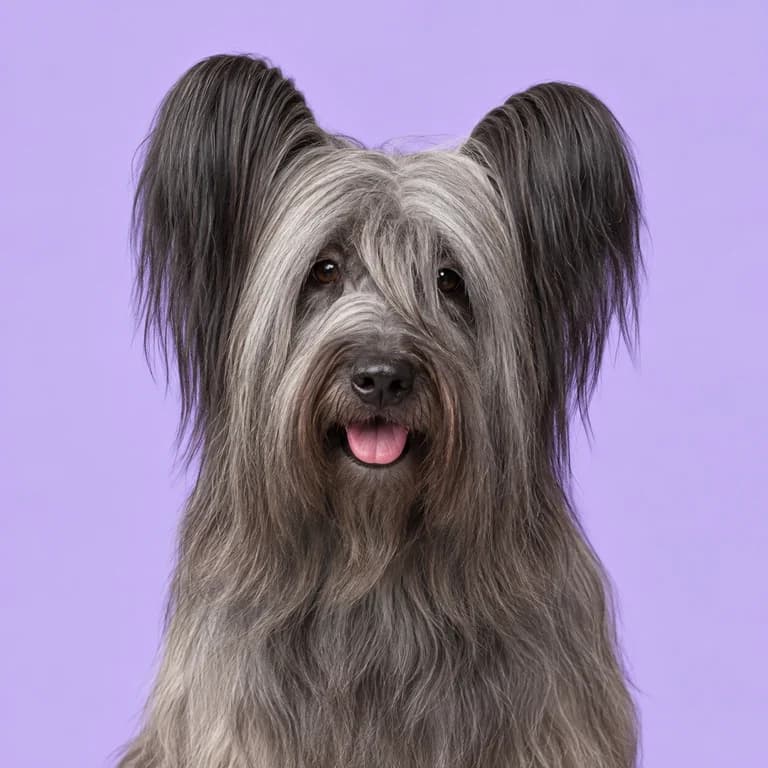
Terrier group
Skye Terrier
11 to 18 kg · 12 to 14 years
A long, low Highland terrier with a flowing coat, a loyal heart and a place in Scottish legend.

Non-sporting group
Boston Terrier
5 to 11 kg · 11 to 13 years
Tuxedo markings, a clown's timing and a genuine fondness for almost every person it meets.
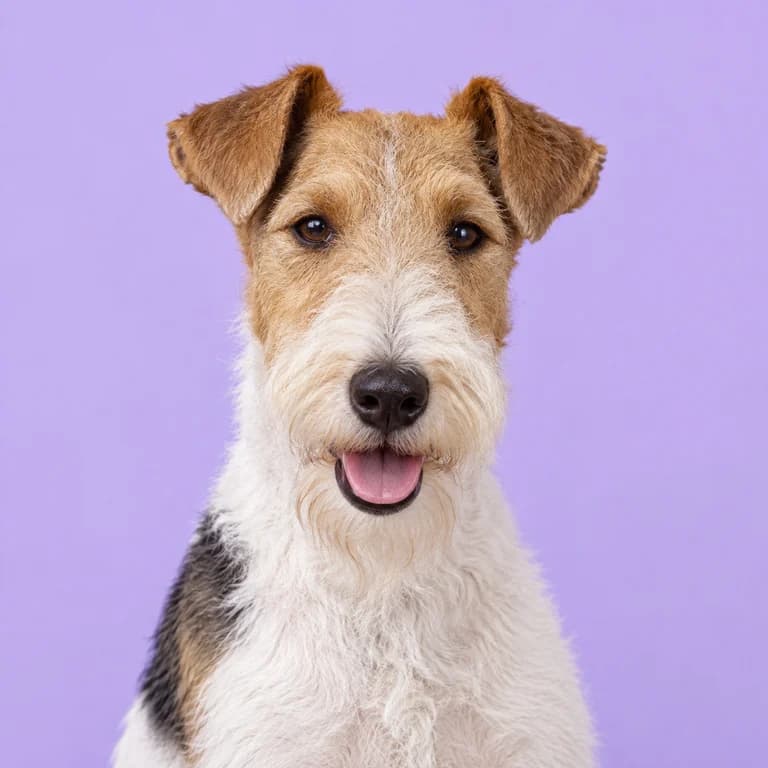
Terrier group
Wire Fox Terrier
6 to 9 kg · 12 to 15 years
A spring-loaded English terrier that treats every day as a hunting trip and every squirrel as unfinished business.

Crossbreed
Cockapoo
5 to 11 kg · 12 to 15 years
Part spaniel, part poodle, the Cockapoo is a sociable, playful companion with a coat that never lets you skip grooming.