Sources for this article
Terrier group · Scotland
Skye Terrier
Also called Skye
A long, low Highland terrier with a flowing coat, a loyal heart and a place in Scottish legend.
The Skye Terrier comes from the Isle of Skye and the western Highlands of Scotland, where it was bred to follow foxes and badgers into rocky dens. It is about twice as long as it is tall, with a hard, straight coat that veils the eyes. Rare today, it is prized by its fans for loyalty, courage and a quietly dignified manner.
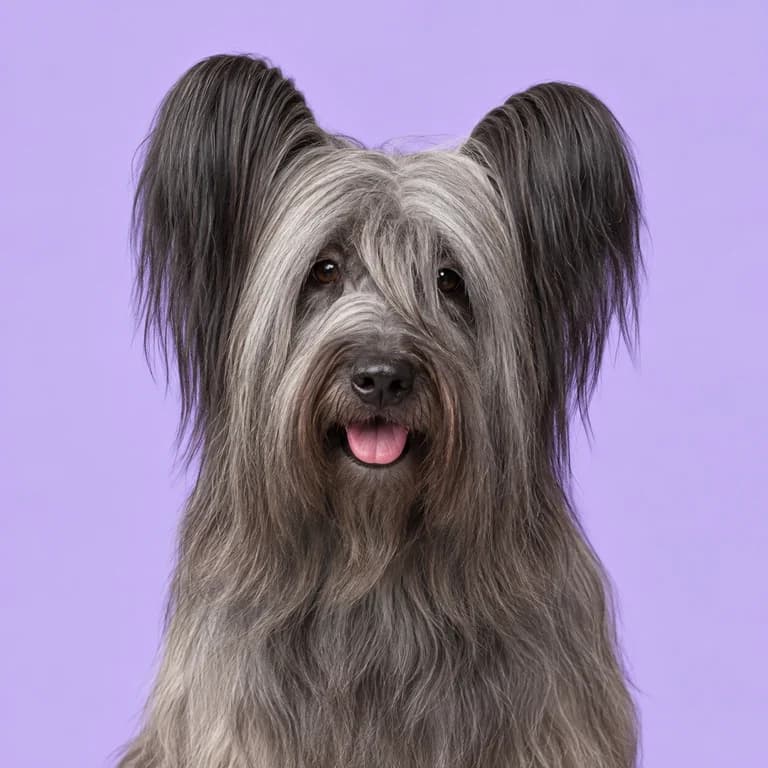
Original AI-generated breed illustration
Weight
11 to 18 kg
24 to 40 lb
Height
23 to 27 cm
at the shoulder
Life expectancy
12 to 14 yrs
Activity estimate
60 to 90 min
editorial daily planning range
Adult-size estimate
15 months
approximate model input
Life with a Skye Terrier
Every visitor to Greyfriars Kirkyard in Edinburgh hears about Bobby, the small dog said to have kept watch over his master's grave for 14 years in the mid-1800s. Whether Bobby was truly a Skye Terrier is still argued over, but the story fits the breed's reputation for deep, stubborn devotion. Skyes tend to attach firmly to their own people and stay politely aloof with everyone else.
The breed's roots go back further still. Breed histories often point to long, low terriers described on the Isle of Skye and the western Highlands in the 16th century, used to follow foxes, otters and badgers into cairns and rocky dens. A romantic legend links them to dogs from a Spanish ship wrecked off the Scottish coast, though there is no evidence for it. In the 1800s the Skye became highly fashionable, helped by Queen Victoria's fondness for the breed, and it was once among the best-known terriers in Britain.
Popularity did not last. In its home country the Skye is now listed as a vulnerable native breed, with only a few dozen puppies registered in some years. Finding one usually means joining a breed club waiting list and being patient.
In the home, a Skye is calm, dignified and affectionate, with a strong watchdog streak. It is not a lap dog and prefers lying close by to being held. Owners often describe it as a big dog in a small, low body, with the courage and opinions to match.
A great match for
- experienced owners who want a loyal, one-family dog
- calm adult households
- people who enjoy regular grooming
- homes without small pets
Think twice if
- rare, so puppies can take a long time to find
- reserved or suspicious with strangers
- needs thorough grooming every week
- a long back that needs protecting
- can be scrappy with other dogs
Personality and needs at a glance
Living together
Good with children
Good with other dogs
Open with strangers
Apartment friendly
Copes with alone time
Energy and character
Energy level
Playfulness
Easy to train
Barking
5 means very vocal
Care and climate
Grooming needs
Shedding
Drooling
Handles cold
Handles heat
How much a Skye Terrier eats
Illustrative calculations for neutered adults at midpoint breed weights, with food at 370 kcal per 100 g and 100 g per cup. These are not measured breed requirements. Use actual weight, the food label and veterinary body-condition advice.
| Dog | Weight | Calories | Dry food |
|---|---|---|---|
| Female, relaxed lifestyle | 13 kg | 670 kcal | 180 g (1.8 cups) |
| Female, typical pet | 13 kg | 770 kcal | 205 g (2 cups) |
| Male, typical pet | 16 kg | 900 kcal | 240 g (2.5 cups) |
| Male, very active | 16 kg | 1120 kcal | 305 g (3 cups) |
Care guides for the Skye Terrier
Things owners are often surprised by
- 1Its body is roughly twice as long as it is tall
- 2Queen Victoria is often credited with making the breed fashionable in the 19th century
- 3Greyfriars Bobby, the famously loyal dog of Edinburgh, is often said to have been a Skye
- 4Listed by the UK Kennel Club as a vulnerable native breed because so few puppies are registered
- 5Ears may be prick or drop, and both are accepted by the breed standard
Skye Terrier questions
Was Greyfriars Bobby a Skye Terrier?
He is often said to have been, and the statue in Edinburgh shows a Skye-like dog. Some historians argue he may have been another breed or a mix, and parts of the story have been questioned. Either way, the legend of a small terrier guarding his master's grave for 14 years has become closely tied to the Skye's reputation for loyalty.
Why are Skye Terriers so rare?
Their popularity peaked in the 19th century and faded as other terriers came into fashion. Today only a few dozen puppies are registered in the UK in some years, and numbers elsewhere are small too. Breed clubs keep waiting lists and can put you in touch with responsible breeders, so expect to wait a year or more for a puppy.
Do Skye Terriers shed?
They shed lightly, mostly into the coat rather than onto the floor, which is exactly why regular brushing matters. Loose hair that is not brushed out quickly knots into mats close to the skin. Thorough brushing once or twice a week keeps shedding under control and the coat in good condition.
Are Skye Terriers good with children?
They can be loyal to children they know, especially when raised with calm, respectful kids. However, they dislike rough handling and can become reserved or snappy if startled or teased. They tend to suit families with older children better than homes with toddlers.
Do Skye Terriers have prick ears or drop ears?
Both are accepted by the breed standard. Prick-eared Skyes are more common today, with heavily feathered ears standing upright like a fringed frame around the face. Drop-eared dogs have larger ears that hang flat against the head. Ear type makes no difference to temperament or health, so it comes down to personal taste.
Popular answers for owners
- Exercise and playWhat are the signs a dog has had too much exercise?
- Exercise and playHow do I introduce a nervous dog to water?
- How much to feedHow do I weigh my dog accurately at home?
- Grooming and coatWhy is my dog shedding so much right now?
- Puppy feeding and growthWhat percentage of body weight should a puppy eat per day?
- Bowls and feeding gearIs glass safe as a dog bowl material?
Breeds you might compare
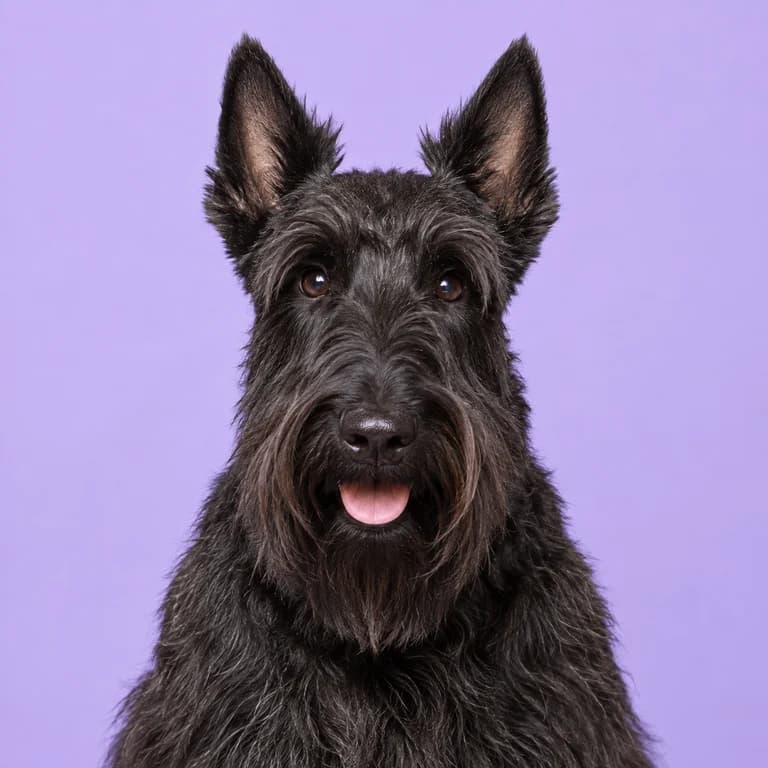
Terrier group
Scottish Terrier
8 to 10 kg · 11 to 13 years
A short-legged Highland den hunter with a beard, bushy eyebrows and the dignified stubbornness of a small laird.
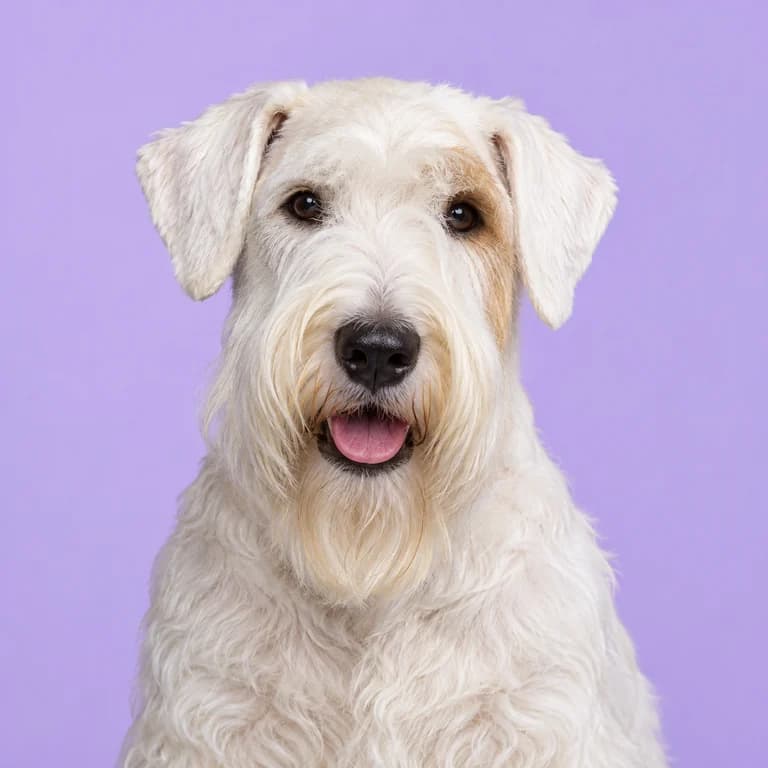
Terrier group
Sealyham Terrier
8 to 11 kg · 12 to 14 years
A sturdy Welsh badger terrier created on one Pembrokeshire estate, now rare, charming and quietly comic.
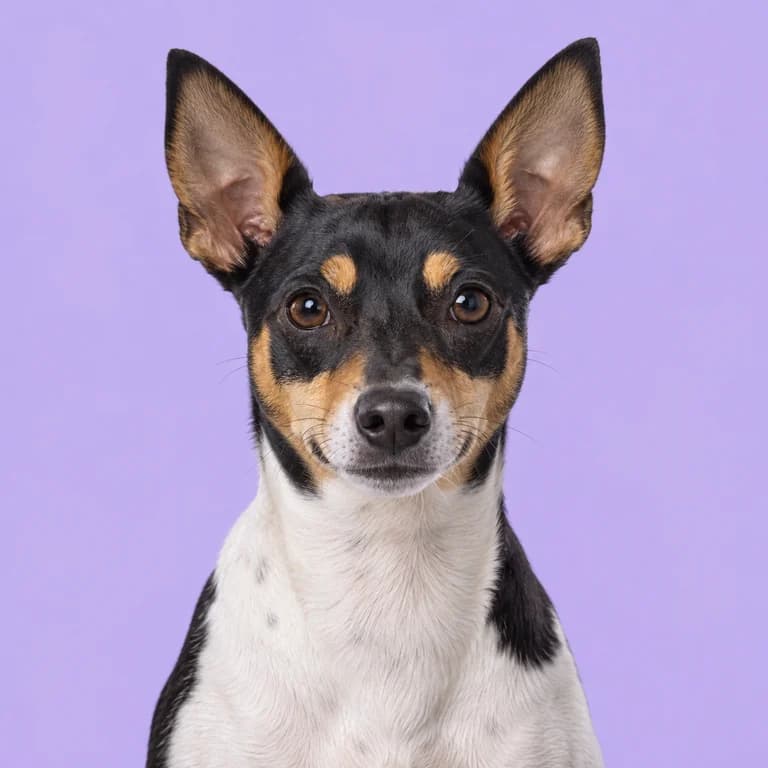
Terrier group
Rat Terrier
4 to 11 kg · 12 to 18 years
A compact American farm terrier that comes in two sizes and handles barn work and sofa duty equally well.
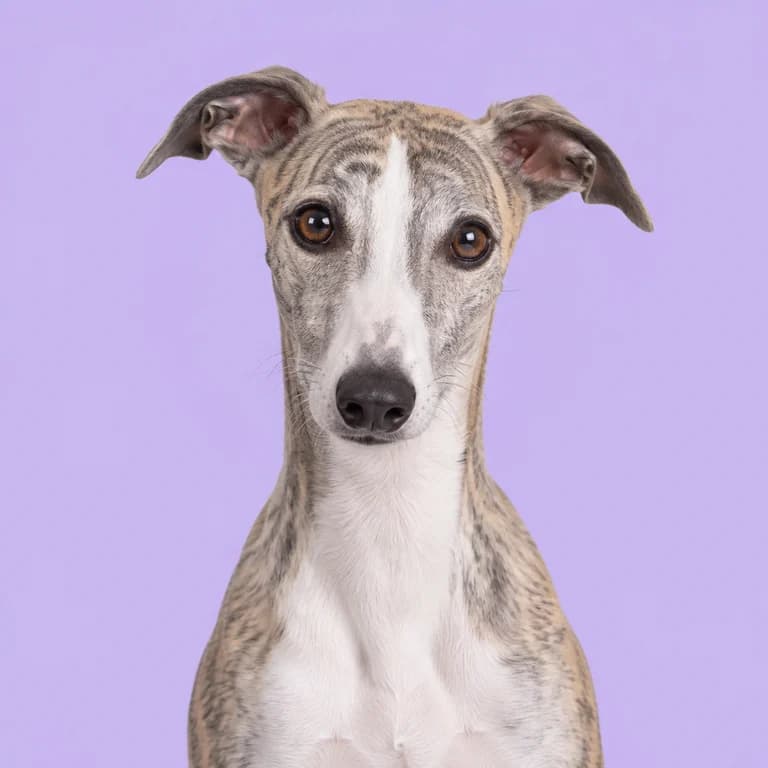
Hound group
Whippet
9 to 16 kg · 12 to 15 years
Built for 55 km/h sprints, yet happiest curled under a blanket for most of the day.
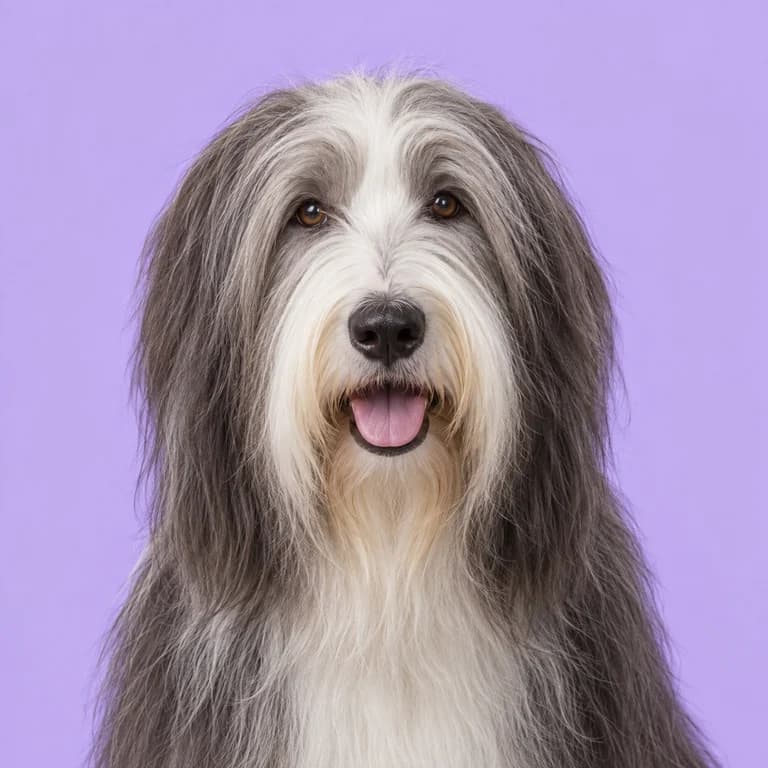
Herding group
Bearded Collie
18 to 25 kg · 12 to 14 years
A shaggy Scottish drover with a bounce in every step and a sense of humor to match.
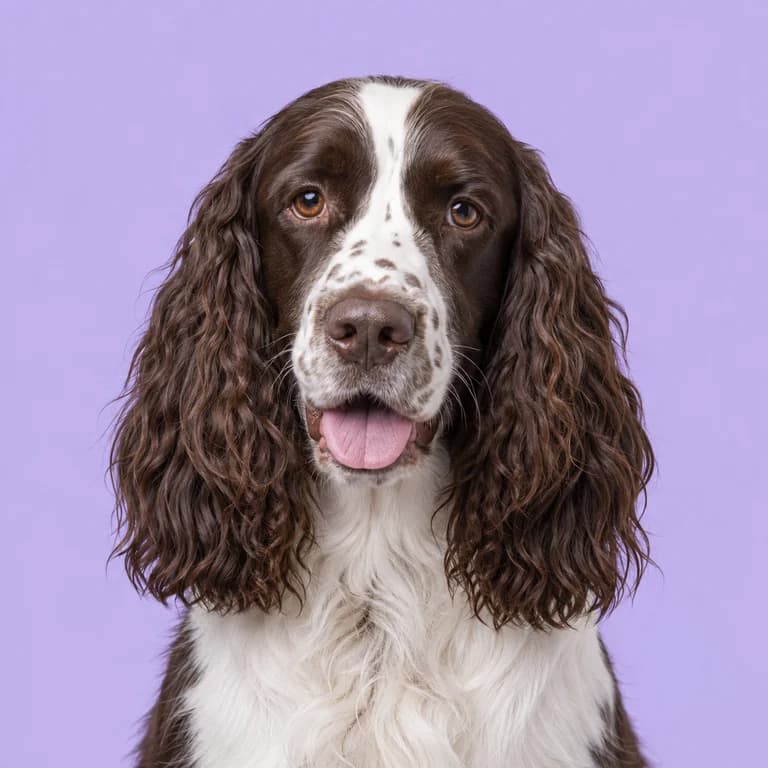
Sporting group
English Springer Spaniel
18 to 25 kg · 12 to 14 years
A tireless flushing spaniel that treats every hedge as a job and every walk as a hunt.