Sources for this article
Herding group · England
Old English Sheepdog
Also called Bobtail, OES
A shaggy English drover with a rolling bear-like walk and a coat that asks for hours of your week.
The Old English Sheepdog is a big, humorous, sociable herder whose huge coat is both its signature and its biggest demand. Under all that hair is a strong, friendly dog that likes company and plenty of activity. Expect several hours of grooming a week or regular professional clips.
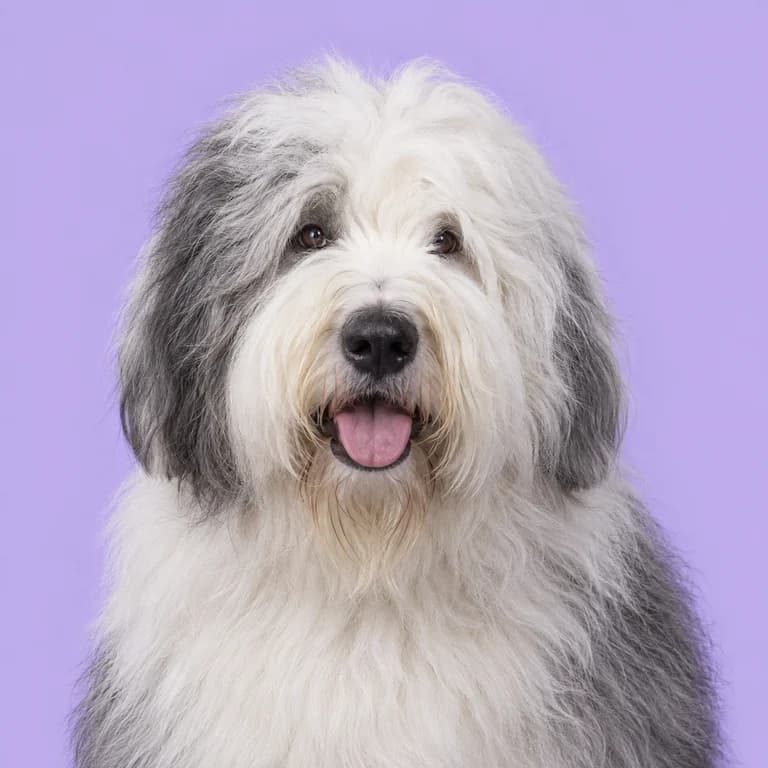
Original AI-generated breed illustration
Weight
27 to 45 kg
59 to 99 lb
Height
54 to 66 cm
at the shoulder
Life expectancy
10 to 12 yrs
Activity estimate
60 to 90 min
editorial daily planning range
Adult-size estimate
24 months
approximate model input
Life with a Old English Sheepdog
Before it was a paint-advert mascot, the Old English Sheepdog worked cattle and sheep along the droving roads of the west of England. Farmers needed a sturdy dog that could move stock to market over long distances in all weathers, and they selected for a thick coat and a steady, cooperative temperament. The breed's exact origins are unclear, with theories linking it to older European herders.
Early bobtails are said to have been sheared along with the sheep each spring, their hair used for cloth. The tradition of docking tails is often explained by a tax exemption for working dogs, though the evidence is patchy. Many dogs today have full natural tails.
Living with one is a mix of laughter and laundry. Bobtails are affectionate, playful and often goofy, and they generally enjoy children and other dogs. They can be sensitive and may herd family members by leaning, circling or bumping. The coat traps water, mud and leaves, so this is not a dog for people who want a spotless house.
Numbers have swung wildly with fashion. Television and advertising made the breed hugely popular in the 1970s, and many dogs ended up in rescue once owners met the grooming bill. Registrations fell sharply afterward, and in its home country the breed has at times been flagged as a native breed in decline. A well-bred bobtail from a careful breeder is worth waiting for, and so is an honest look at whether you can keep up with the coat for ten or more years.
What stands out
Grooming
Expect three to four hours a week for a full coat. Line brushing, where you part the coat in sections and brush from the skin outward, prevents mats forming close to the skin. Pay particular attention to the armpits, behind the ears, under the collar and the back legs.
Read the full grooming guideIllustrative grooming schedule based on our editorial coat-care score. Adjust it to the individual coat and professional advice.
Brushing
Daily
Bathing
Every 3 to 6 weeks
Shedding
Moderate, year round
Nail trim
Every 3 to 4 weeks
A great match for
- families with time for daily grooming or budget for professional care
- homes in cooler climates
- people who want a friendly, clownish large dog
- owners with a yard and room for a big, bouncy dog
Think twice if
- intense grooming commitment
- overheats easily in warm weather
- herds people by bumping and nudging
- boisterous and clumsy as a youngster
- hair carries mud, burrs and water into the house
Personality and needs at a glance
Living together
Good with children
Good with other dogs
Open with strangers
Apartment friendly
Copes with alone time
Energy and character
Energy level
Playfulness
Easy to train
Barking
5 means very vocal
Care and climate
Grooming needs
Shedding
Drooling
Handles cold
Handles heat
How much an Old English Sheepdog eats
Illustrative calculations for neutered adults at midpoint breed weights, with food at 370 kcal per 100 g and 100 g per cup. These are not measured breed requirements. Use actual weight, the food label and veterinary body-condition advice.
| Dog | Weight | Calories | Dry food |
|---|---|---|---|
| Female, relaxed lifestyle | 32 kg | 1300 kcal | 350 g (3.5 cups) |
| Female, typical pet | 32 kg | 1490 kcal | 400 g (4 cups) |
| Male, typical pet | 39 kg | 1730 kcal | 470 g (4.8 cups) |
| Male, very active | 39 kg | 2160 kcal | 585 g (5.8 cups) |
Care guides for the Old English Sheepdog
Things owners are often surprised by
- 1Puppies are born black and white; the dark areas usually lighten to grey or blue between one and three years.
- 2A full show coat can take three to four hours of brushing each week to keep free of mats.
- 3The nickname bobtail comes from dogs born with short tails or docked; a popular story says docked tails marked working dogs for tax purposes.
- 4The breed moves with a distinctive ambling, rolling gait at a walk.
- 5Its bark has a notably loud, ringing quality often described as sounding like a cracked bell.
Old English Sheepdog questions
Why are Old English Sheepdogs called bobtails?
Many were born with short tails or had them docked, giving the name bobtail. A popular story says drovers docked tails to show a dog was working and so avoid a tax on pets, though the records are thin and historians disagree. Many modern Old English Sheepdogs keep their full natural tails, which are usually carried low, well covered in hair and wagged with the whole back end.
Can Old English Sheepdogs see through their hair?
They can see, but not as well as they could with a clear view. Long hair over the eyes can make a dog startle at sudden movement, misjudge steps or hesitate at curbs. Many owners trim the hair above the eyes or tie it back with a small soft band. Show dogs often keep the fall long, but pets benefit from a clear field of vision, especially outdoors and around traffic.
Should I shave my Old English Sheepdog in summer?
A full shave down to the skin is not usually recommended, because the coat also shields the skin from sun and insects, and it can grow back patchy. A shorter trim of around 2 to 5 cm, done by an experienced groomer, can make summer more comfortable and cuts brushing time. Whatever the length, provide shade and water and walk your dog in the cooler hours.
Why did my Old English Sheepdog puppy change color?
Puppies are born black and white, and the black gradually fades to grey, blue or grizzle as the adult coat grows in. The change often starts at the head and the base of the hair, so a puppy can look oddly two-toned for a while. It may take two or three years to finish, and the final shade varies from dog to dog. This is normal and not a sign of illness.
Do Old English Sheepdogs bark a lot?
They bark moderately rather than constantly, but the bark itself is very loud, deep and ringing, and some people compare it to a cracked bell. Most bark to alert you to arrivals. Boredom increases barking, so daily exercise and brain games help. Teach a quiet cue early and reward calm responses at the door. In flats or terraced houses, the sheer volume can bother neighbors.
Popular answers for owners
- Exercise and playHow do I adjust exercise for a puppy going through a growth spurt?
- Exercise and playHow much exercise does a high energy breed need?
- Grooming and coatWhat brush should I use for a short smooth coat?
- Bowls and feeding gearCan I put my dog's bowl in the dishwasher?
- Grooming and coatWhat is hand stripping and why do some breeds need it?
- Puppy feeding and growthHow much should a 12 month old puppy eat?
Breeds you might compare
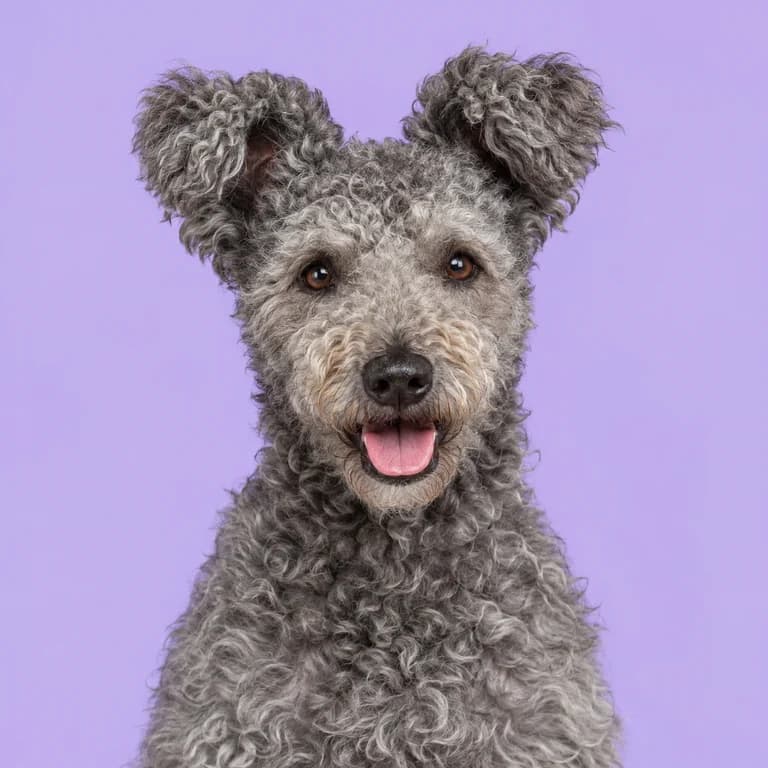
Herding group
Pumi
8 to 15 kg · 12 to 14 years
A curly, whip-smart Hungarian herder that treats every day as a job interview it intends to win.
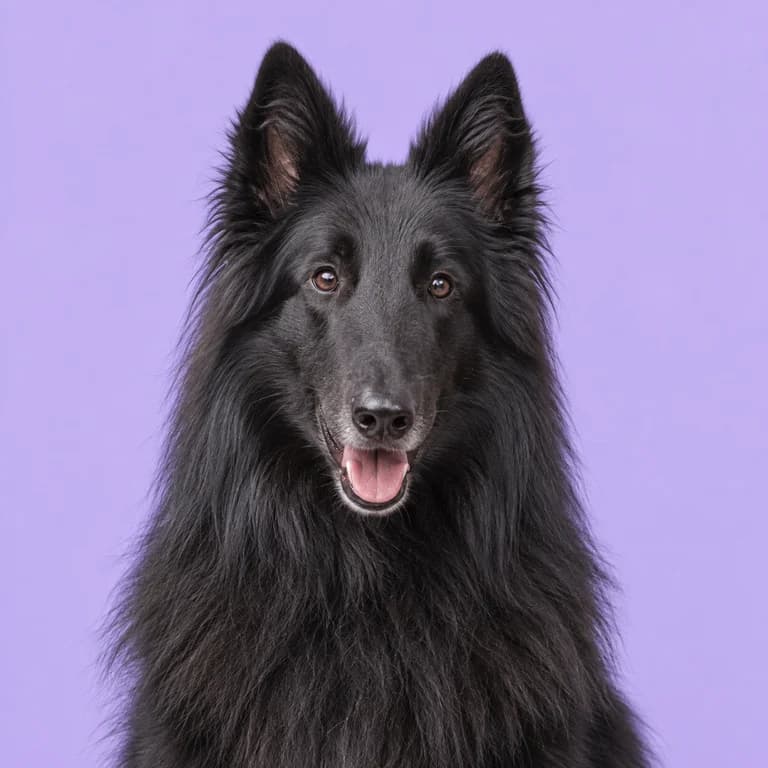
Herding group
Belgian Groenendael
20 to 30 kg · 12 to 14 years
The long-coated black Belgian Shepherd: quick, sensitive and happiest with a job and a handler to share it.
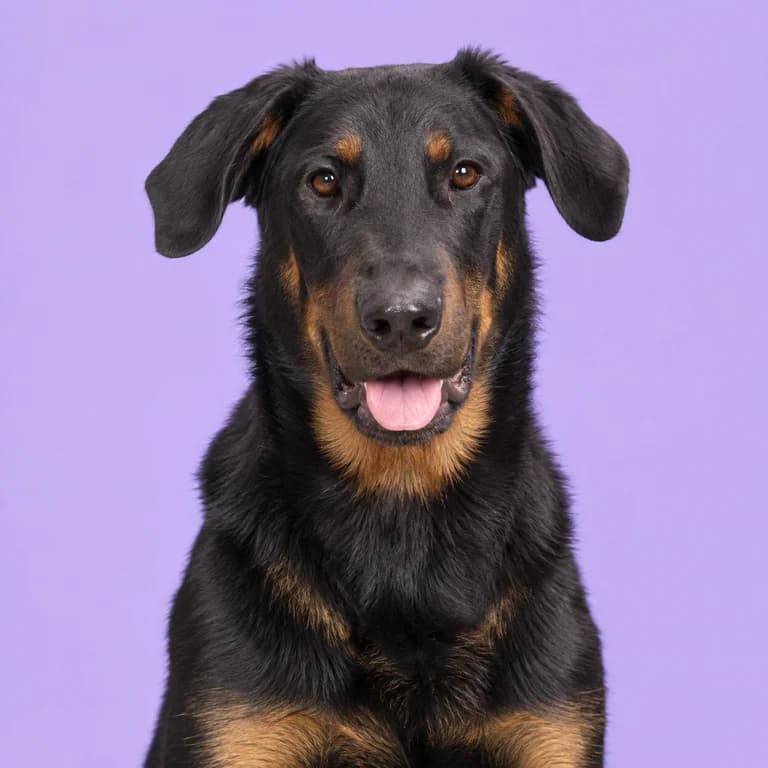
Herding group
Beauceron
30 to 45 kg · 10 to 12 years
A tall French sheepdog with double dewclaws and red stockings, confident enough to take charge of a flock or a household.
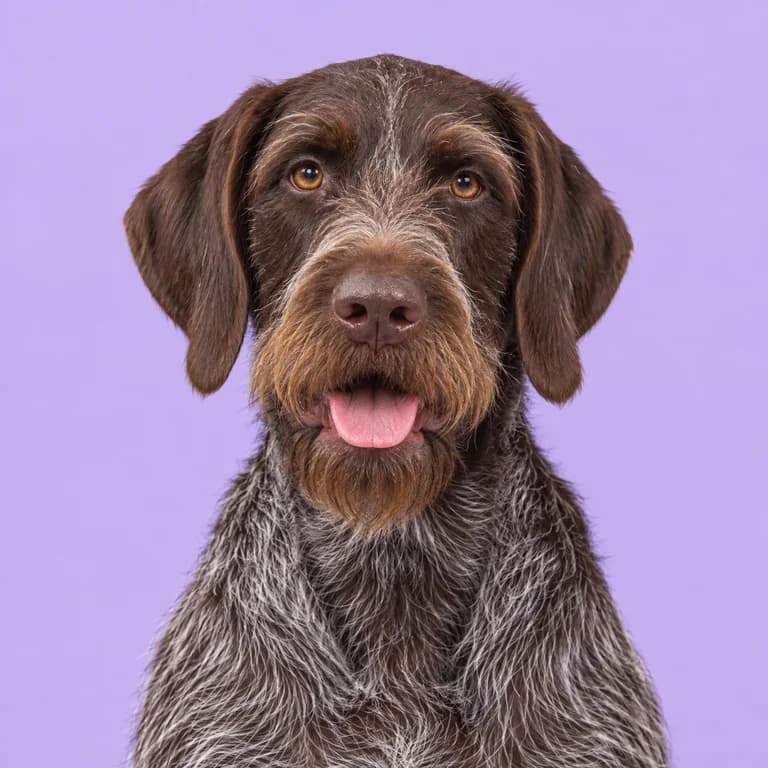
Sporting group
German Wirehaired Pointer
23 to 32 kg · 12 to 14 years
A bearded, weatherproof German hunting dog that thrives with a firm, fair trainer and a real job to do.
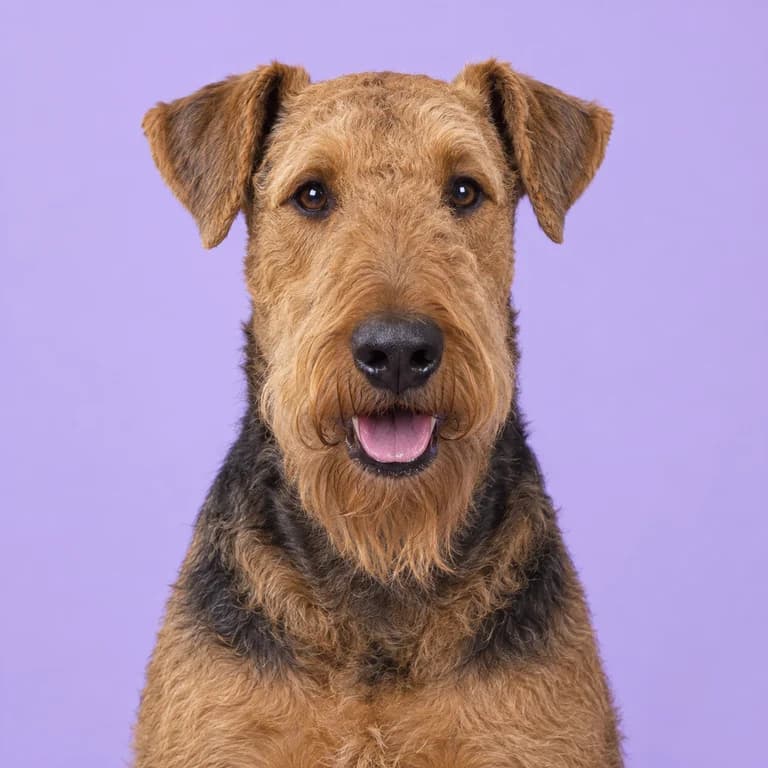
Terrier group
Airedale Terrier
18 to 29 kg · 11 to 14 years
The largest terrier, bred by Yorkshire workers to hunt otters and rats, and later trusted with wartime messages.
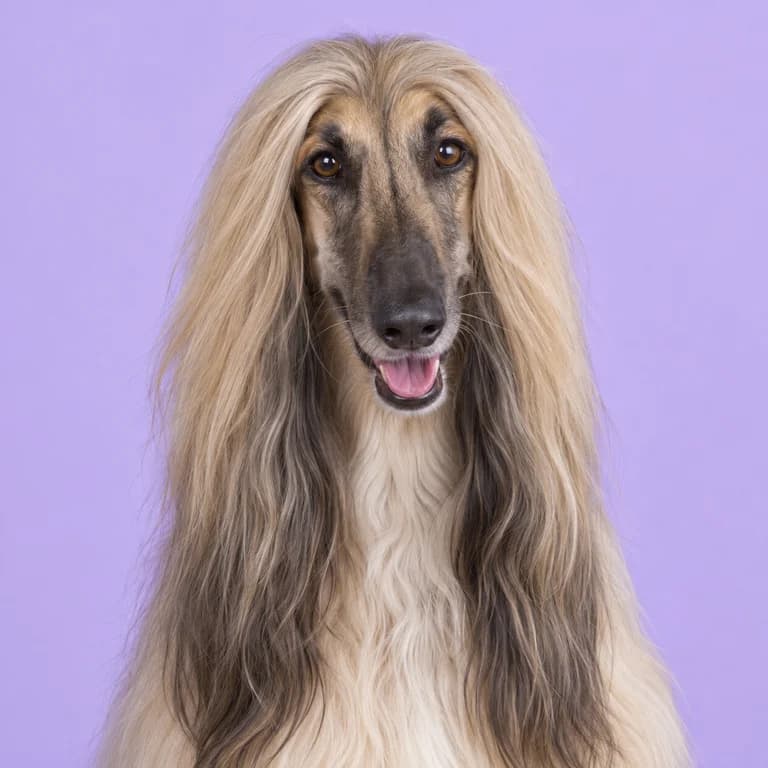
Hound group
Afghan Hound
20 to 30 kg · 12 to 14 years
An elegant sighthound in a floor-length coat that asks for hours of care every single week.