Sources for this article
Working group · England
English Mastiff
Also called Mastiff, Old English Mastiff
Among the heaviest dogs in the world, the Mastiff is a gentle guard whose size shapes every decision you make.
The Mastiff is a massive, calm guardian whose males can outweigh many adult people. Under the bulk is a quiet, affectionate dog that prefers the sofa to the trail, but its sheer size affects your car, your budget, your floors and its own lifespan.
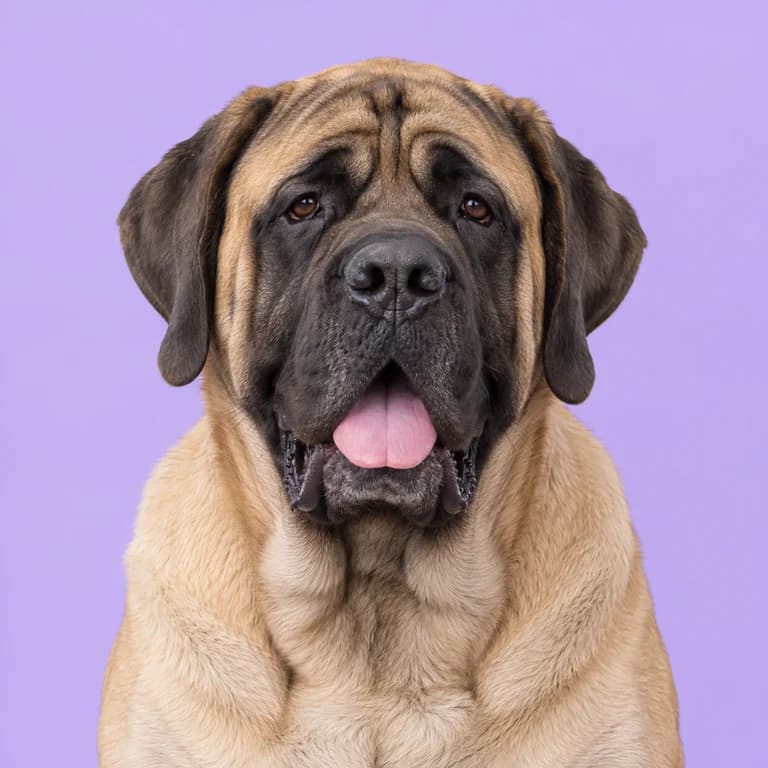
Original AI-generated breed illustration
Weight
54 to 100 kg
119 to 220 lb
Height
70 to 84 cm
at the shoulder
Life expectancy
6 to 10 yrs
Activity estimate
30 to 60 min
editorial daily planning range
Adult-size estimate
30 months
approximate model input
Life with a English Mastiff
Everything about a Mastiff starts with scale. A grown male may weigh 80 to 100 kg and look a seated adult in the eye, and even a relaxed female covers the floor space of a small armchair. Before any conversation about personality, ask whether your home, car, budget and back can handle a dog that size for eight or more years.
Large guarding dogs lived in Britain long before written records, and Roman visitors are said to have admired the fighting dogs they found there. The modern Mastiff took shape as an estate guard that patrolled at night and held intruders rather than mauling them. The Legh family of Lyme Hall in Cheshire kept a line for centuries, and a family story credits a Mastiff with guarding Sir Piers Legh after he fell wounded at Agincourt in 1415. By the end of the Second World War only a handful of breeding Mastiffs remained in Britain, and the breed was rebuilt with help from dogs exported earlier to North America.
Temperament is the pleasant surprise. A well-bred Mastiff is dignified, patient and deeply attached to its family. It is not usually a barker; it prefers to position itself between strangers and its people and simply look at them, which is normally enough. Indoors, it spends much of the day asleep and snoring.
The practical side is heavy. You need a vehicle with a ramp, a vet comfortable with giant dogs, and the training in place to manage the dog on lead from puppyhood. Medicine doses, crate sizes and insurance premiums all scale up. Drool will reach places you did not expect, including the ceiling after an energetic head shake.
What stands out
Puppy growth
A Mastiff puppy can go from under 1 kg at birth to more than 45 kg (100 lb) by six months, one of the steepest growth curves of any breed. Height is mostly reached by around 18 months, but chest, head and muscle keep developing until about three years. Your dog will look grown long before its joints behave like adult joints.
Read the full puppy growth guideIllustrative model, not observed breed data or a healthy-weight standard. Use actual measurements and veterinary advice to assess growth.
A great match for
- calm homes with space and a large car
- owners who want a watchful but gentle house dog
- families with older children who stay steady around a big dog
- people who enjoy slow walks rather than long runs
Think twice if
- short lifespan compared with smaller breeds
- high costs for food, vet care and medicine dosed by weight
- drool on walls, clothes and ceilings
- overheats easily
- hard to shift once it decides not to move
Personality and needs at a glance
Living together
Good with children
Good with other dogs
Open with strangers
Apartment friendly
Copes with alone time
Energy and character
Energy level
Playfulness
Easy to train
Barking
5 means very vocal
Care and climate
Grooming needs
Shedding
Drooling
Handles cold
Handles heat
How much an English Mastiff eats
Illustrative calculations for neutered adults at midpoint breed weights, with food at 370 kcal per 100 g and 100 g per cup. These are not measured breed requirements. Use actual weight, the food label and veterinary body-condition advice.
| Dog | Weight | Calories | Dry food |
|---|---|---|---|
| Female, relaxed lifestyle | 66 kg | 2260 kcal | 610 g (6 cups) |
| Female, typical pet | 66 kg | 2580 kcal | 695 g (7 cups) |
| Male, typical pet | 87 kg | 3180 kcal | 860 g (8.5 cups) |
| Male, very active | 87 kg | 3970 kcal | 1075 g (10.8 cups) |
Care guides for the English Mastiff
Things owners are often surprised by
- 1Males stand at least 76 cm (30 in) at the shoulder and often weigh over 80 kg (175 lb)
- 2A Mastiff named Zorba is widely cited as the heaviest dog on record, at about 155 kg (343 lb) in 1989
- 3The breed nearly vanished in Britain after the Second World War and was rebuilt partly from dogs in North America
- 4Lyme Hall in Cheshire kept its own line of Mastiffs for centuries
- 5Can take up to three years to reach full physical maturity
- 6Always has a dark mask on the muzzle, ears and around the eyes
English Mastiff questions
How much does it cost to feed a Mastiff?
A Mastiff can get through 25 to 35 kg of dry food a month, so food is one of the biggest regular costs. The exact amount depends on the product's energy content and on the dog's size and activity. Remember that vet medicines, worming and flea treatments are all dosed by weight, so every routine treatment costs several times more than it would for a medium dog.
Is a Mastiff a good guard dog?
A Mastiff guards mainly by presence. It will usually place itself between its family and a stranger, watch quietly, and bark only when something seems wrong. Most accept visitors once introduced. The breed should never be trained to bite or encouraged to be suspicious; a dog of this weight needs confidence and good manners far more than extra protectiveness.
Why do Mastiffs drool so much?
Loose lips and heavy jowls let saliva pool and then escape when the dog shakes its head, drinks or smells food. It is normal for the breed and cannot be trained away. Owners keep towels in several rooms and wipe the face after meals and drinks. A sudden increase in drooling together with restlessness or a swollen belly is different and needs a vet immediately.
Can a Mastiff live in a small home?
Surprisingly, a calm adult Mastiff can cope in a modest space because it sleeps so much. What matters more is easy access: no long flights of stairs, room to turn around, and somewhere nearby to walk. Puppies are harder in small homes because of their size, chewing and clumsiness. A car or van big enough for vet trips is essential.
What is the difference between an English Mastiff and a Bullmastiff?
The Bullmastiff was developed in the 19th century by crossing Mastiffs with Bulldogs to catch poachers on English estates. It is smaller, usually 41 to 59 kg, more agile and often more energetic and territorial. The English Mastiff is much larger and generally more laid-back. Both need early socialization and careful management of their guarding instincts.
Popular answers for owners
- Puppy feeding and growthIs there a formula to estimate a puppy's adult size?
- How much to feedHow do I measure food when I mix wet and dry together?
- Bowls and feeding gearHow do I stop one dog from finishing first and stealing another's food?
- Bowls and feeding gearHow do I choose a bowl size for two meals a day?
- Exercise and playAre lick mats good for enrichment?
- Puppy feeding and growthHow much should my puppy weigh at 3 months?
Breeds you might compare
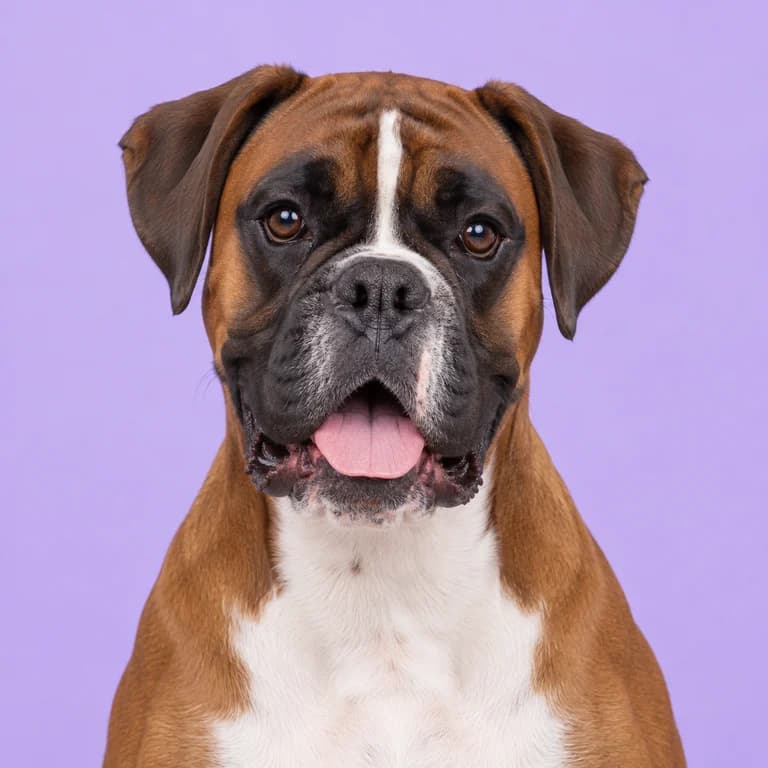
Working group
Boxer
25 to 36 kg · 10 to 12 years
A square, springy German guard dog that treats every morning like the start of a party.
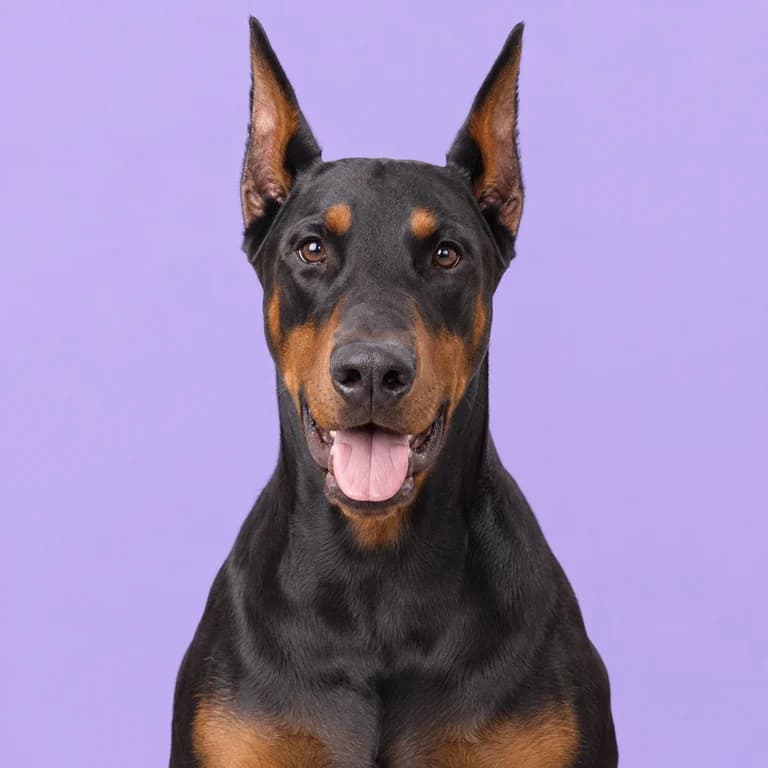
Working group
Doberman Pinscher
32 to 45 kg · 10 to 12 years
A sleek guardian with a watchful mind that becomes surprisingly soft and clingy with its own people.
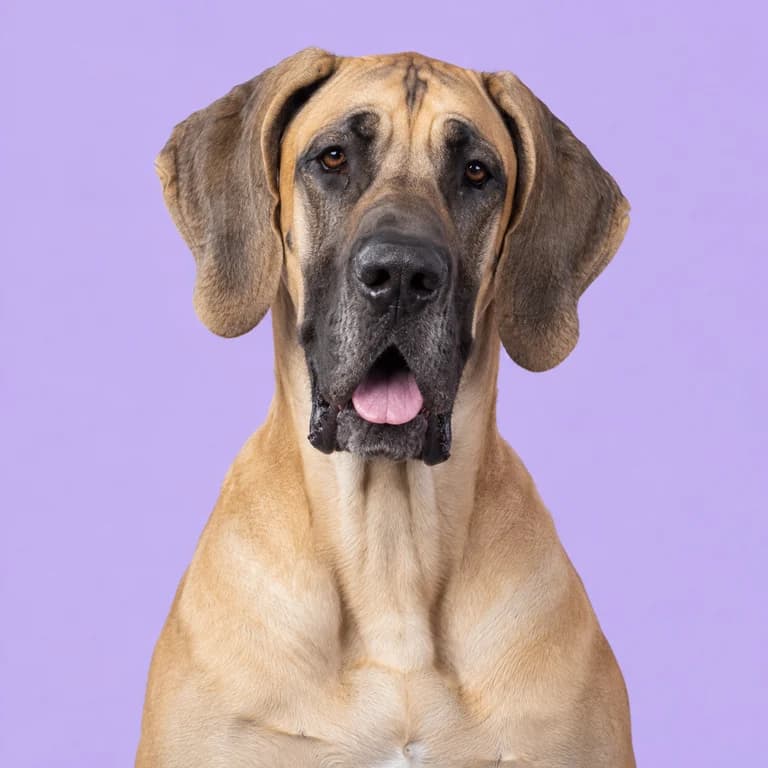
Working group
Great Dane
50 to 79 kg · 7 to 10 years
A dog the height of a small pony that would rather lean on you than guard anything.
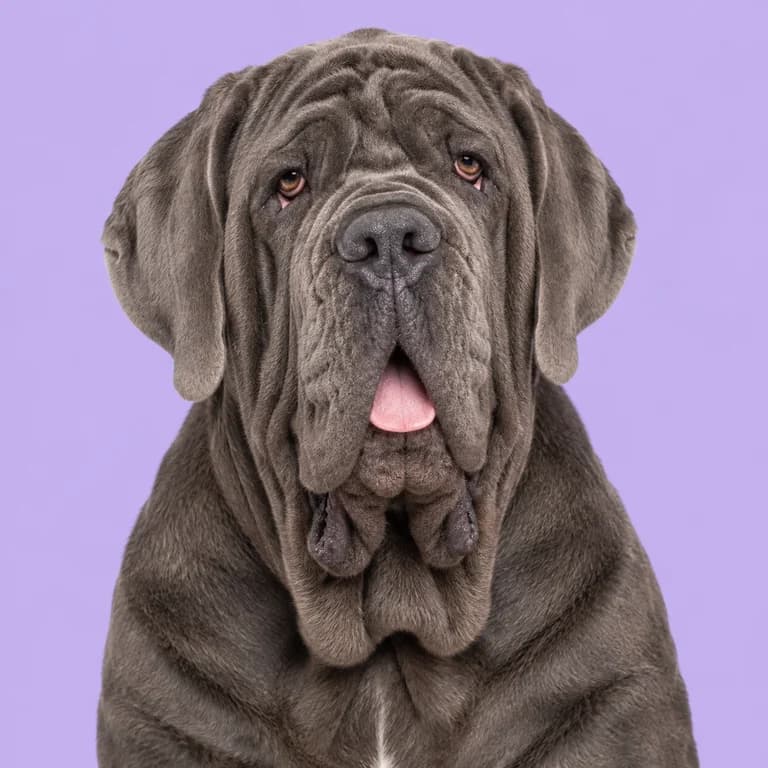
Working group
Neapolitan Mastiff
50 to 70 kg · 7 to 9 years
A slow-moving mountain of wrinkles from southern Italy whose sheer bulk is its main line of defense.
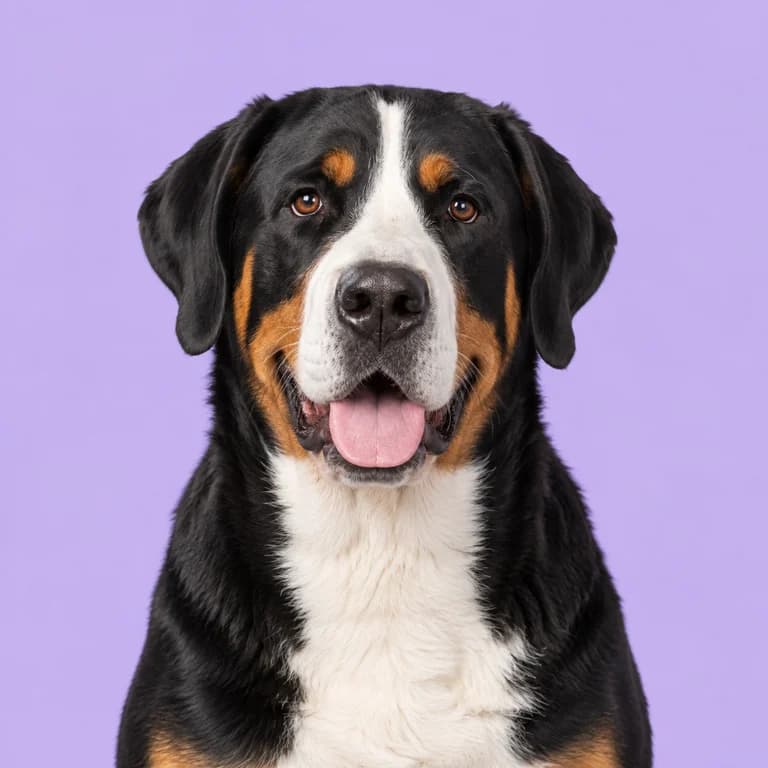
Working group
Greater Swiss Mountain Dog
39 to 64 kg · 8 to 11 years
The largest Swiss mountain breed, once a farm's cart puller and still a gentle, heavyweight family worker.
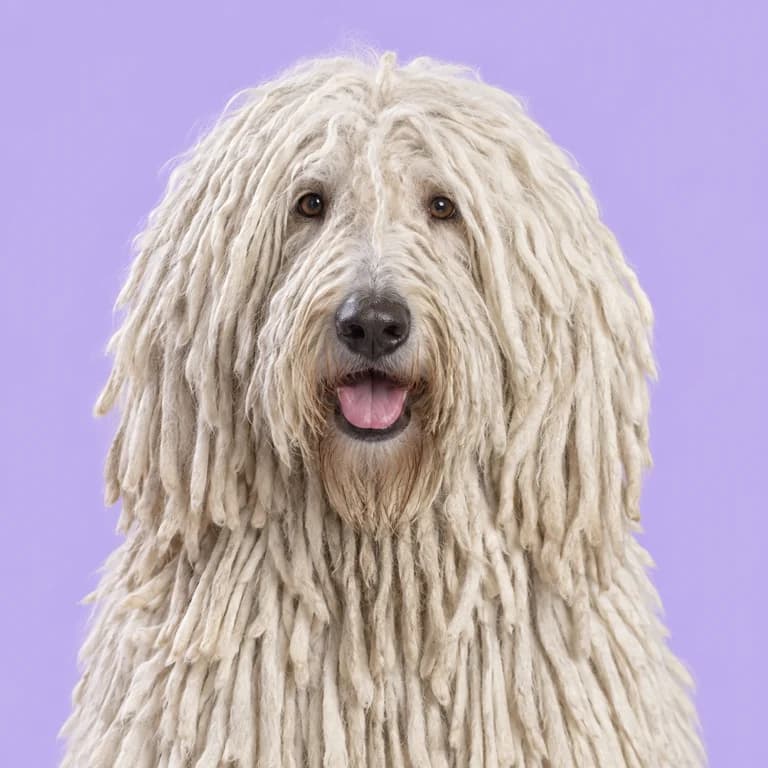
Working group
Komondor
40 to 60 kg · 10 to 12 years
A Hungarian flock guardian wrapped in heavy white cords, serious about its job and slow to trust outsiders.