Sources for this article
Sporting group · England
Clumber Spaniel
Also called Clumber
A heavy, low-slung spaniel with a rolling walk, a gentle soul and no interest in rushing anything.
The Clumber Spaniel is the largest and most relaxed of the spaniels, a heavy-boned gun dog from England bred to work steadily through thick cover. Calm, affectionate and easygoing at home, it suits owners who want a spaniel without constant activity. Drool, shedding and a talent for gaining weight come with the package.
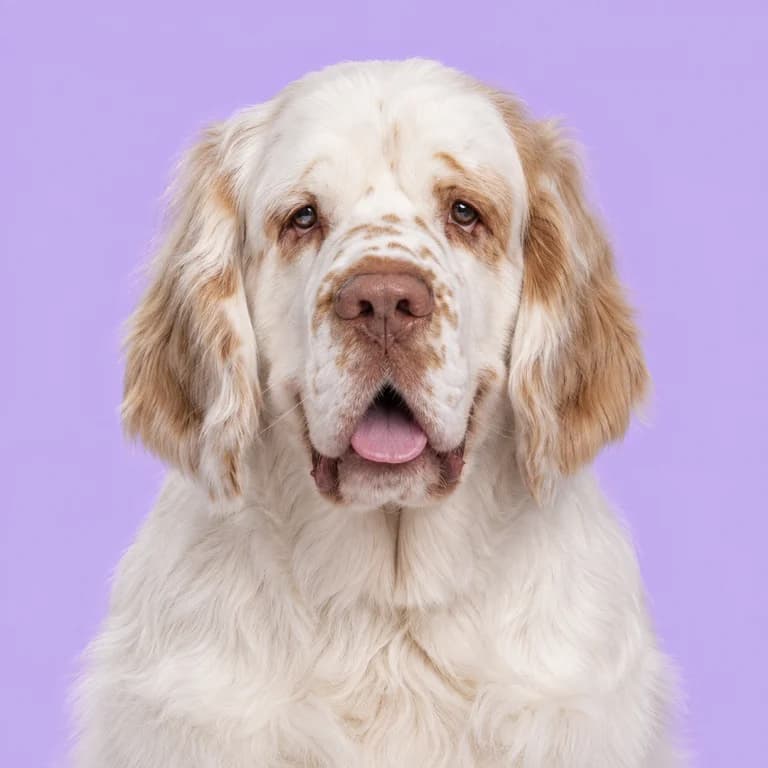
Original AI-generated breed illustration
Weight
25 to 39 kg
55 to 86 lb
Height
43 to 51 cm
at the shoulder
Life expectancy
10 to 12 yrs
Activity estimate
30 to 60 min
editorial daily planning range
Adult-size estimate
24 months
approximate model input
Life with a Clumber Spaniel
Walk behind a Clumber and you will see the famous roll: a slow, swaying gait that seems to lack all urgency. That is exactly how the breed was meant to work. In the 18th and 19th centuries, English gamekeepers used Clumbers to push quietly through dense undergrowth, flushing birds close to hunters on foot rather than racing across open fields.
The name comes from Clumber Park in Nottinghamshire, home of the Dukes of Newcastle. A popular story says the French Duc de Noailles sent his spaniels there for safekeeping before the Revolution, though historians still argue about it. What is certain is that the breed won royal fans, with Prince Albert and later King Edward VII keeping them at Sandringham.
Today most Clumbers are family companions, and their temperament is the reason. They are calm, affectionate and easygoing, often described as dignified or plain lazy indoors. They like to stay close to their people, usually get on with other pets and greet strangers with polite interest rather than wild excitement. Expect a dog that enjoys a good walk, then a long nap with loud snoring.
What stands out
Training
Clumbers are intelligent and willing, but they can be slow and stubborn. They respond best to calm, patient training built on food rewards, with short sessions that keep them interested and plenty of repetition. House training often takes longer than with other spaniels, so stay consistent.
Read the full training guideEasy to train
Open with strangers
Good with other dogs
A great match for
- families wanting a calm, gentle dog
- owners who prefer moderate exercise
- homes with older children
- people at home much of the day
Think twice if
- drools and snores
- sheds steadily all year
- gains weight easily
- can be slow to house-train
- eye and back problems
Personality and needs at a glance
Living together
Good with children
Good with other dogs
Open with strangers
Apartment friendly
Copes with alone time
Energy and character
Energy level
Playfulness
Easy to train
Barking
5 means very vocal
Care and climate
Grooming needs
Shedding
Drooling
Handles cold
Handles heat
How much a Clumber Spaniel eats
Illustrative calculations for neutered adults at midpoint breed weights, with food at 370 kcal per 100 g and 100 g per cup. These are not measured breed requirements. Use actual weight, the food label and veterinary body-condition advice.
| Dog | Weight | Calories | Dry food |
|---|---|---|---|
| Female, relaxed lifestyle | 29 kg | 1210 kcal | 325 g (3.3 cups) |
| Female, typical pet | 29 kg | 1380 kcal | 375 g (3.8 cups) |
| Male, typical pet | 36 kg | 1630 kcal | 440 g (4.5 cups) |
| Male, very active | 36 kg | 2040 kcal | 550 g (5.5 cups) |
Care guides for the Clumber Spaniel
Things owners are often surprised by
- 1Named after Clumber Park in Nottinghamshire, the estate of the Dukes of Newcastle
- 2One of the heaviest spaniels, with males up to 39 kg (85 lb) on a height of only about 50 cm (20 in)
- 3Prince Albert and later King Edward VII kept Clumbers for shooting at Sandringham
- 4The slow, rolling gait is a feature of the breed, not a fault
- 5A DNA test exists for PDP1 deficiency, an inherited metabolic disorder found in the breed
Clumber Spaniel questions
Why do Clumber Spaniels drool so much?
Their loose lips and heavy jowls let saliva escape, especially when they are excited, hungry or warm. Drool is normal in the breed and manageable with towels and regular cleaning of the lip folds. A sudden increase in drooling, trouble swallowing or pawing at the mouth can signal a problem, though, and should be checked by a vet.
Are Clumber Spaniels good with children?
Generally yes. Clumbers are gentle, calm and tolerant, and many clearly enjoy children's company. Their weight can knock over toddlers during excited greetings, so supervise play. Teach children to respect the dog's space, particularly when it is eating or sleeping, and never leave young children alone with any dog.
Are Clumber Spaniels rare?
Yes. Clumbers are among the less common spaniels, and the breed has appeared on the UK Kennel Club's lists of vulnerable or at-watch native breeds, with only a few hundred puppies registered in a typical year. Expect waiting lists and careful research to find a responsible breeder.
Can Clumber Spaniels still work as gun dogs?
Yes. While most live as companions, some are still used for rough shooting, where their methodical style suits dense cover. Working tests and field trials are held for the breed. A working Clumber quarters slowly and carefully, flushes birds close to the handler and retrieves with a soft mouth.
Do Clumber Spaniels snore?
Often, and loudly. Their heavy heads and loose facial skin contribute to the noise. Snoring on its own is common in the breed and not usually a worry. If you notice labored breathing during the day, gasping in sleep or reduced stamina on walks, though, ask your vet to check your dog over.
Popular answers for owners
- Grooming and coatWhy does my dog growl when I brush him?
- How much to feedHow should I split food across meals during a weight loss plan?
- Exercise and playCan playing fetch every day be bad for a dog?
- Grooming and coatAre mats painful for dogs?
- Bowls and feeding gearWhat is a slow feeder bowl?
- How much to feedHow much should I feed a 3kg dog?
Breeds you might compare
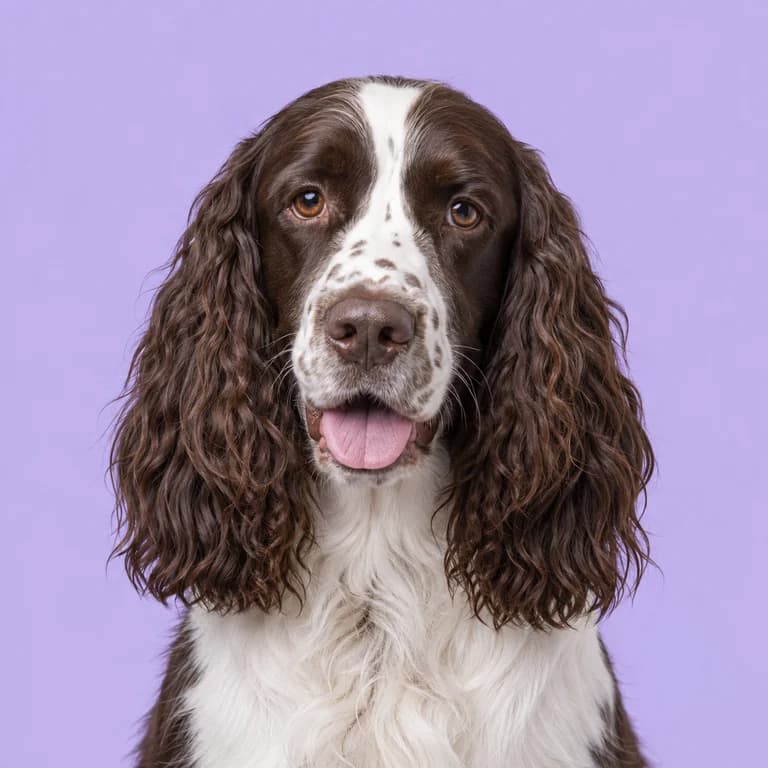
Sporting group
English Springer Spaniel
18 to 25 kg · 12 to 14 years
A tireless flushing spaniel that treats every hedge as a job and every walk as a hunt.
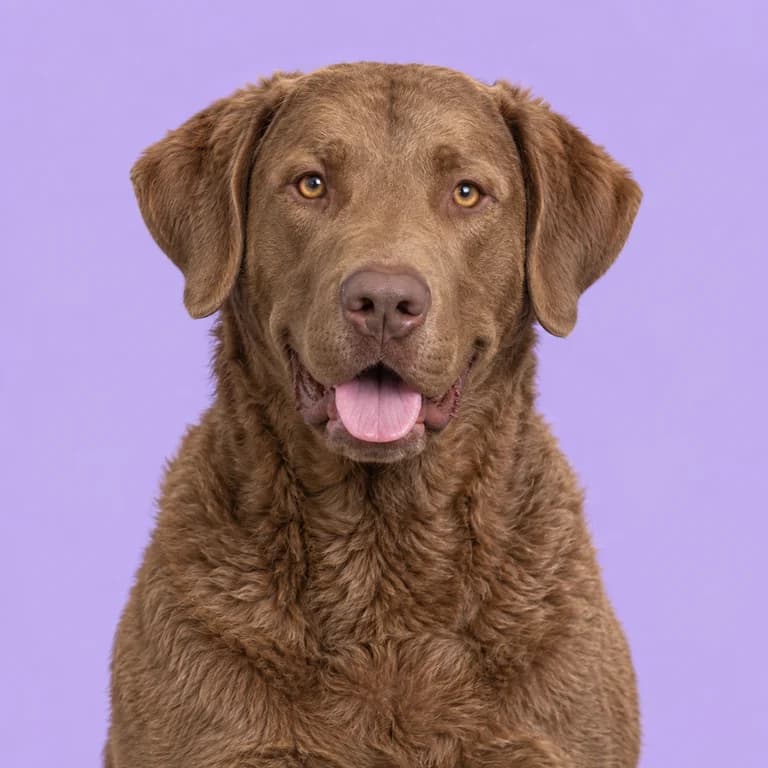
Sporting group
Chesapeake Bay Retriever
25 to 36 kg · 10 to 13 years
An oily-coated ice-water retriever from Maryland with a mind of its own and a strong protective streak.
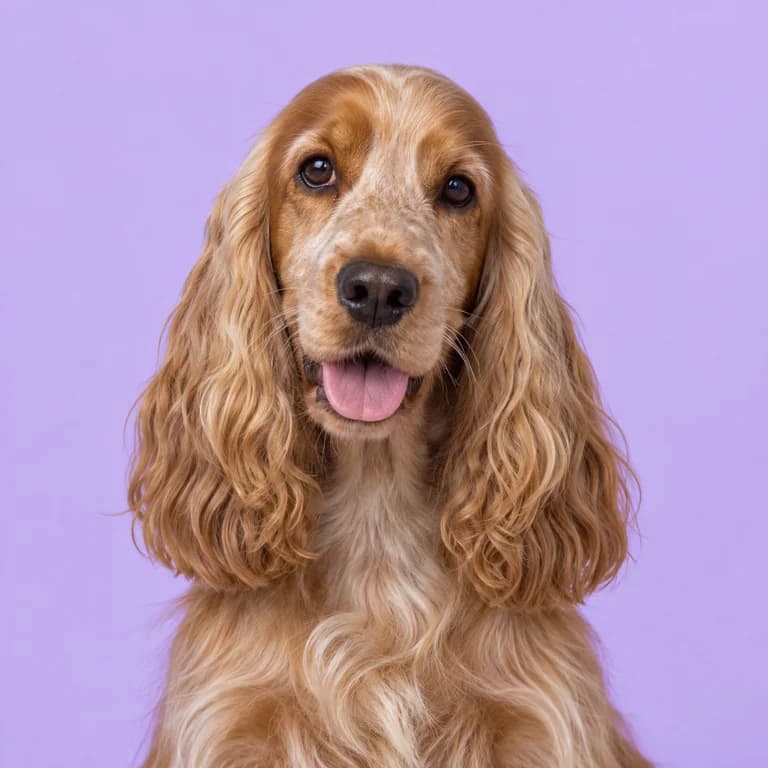
Sporting group
English Cocker Spaniel
12 to 15 kg · 12 to 14 years
A merry, tail-going gundog that wants to be busy with you, whether that means flushing pheasants or carrying slippers.
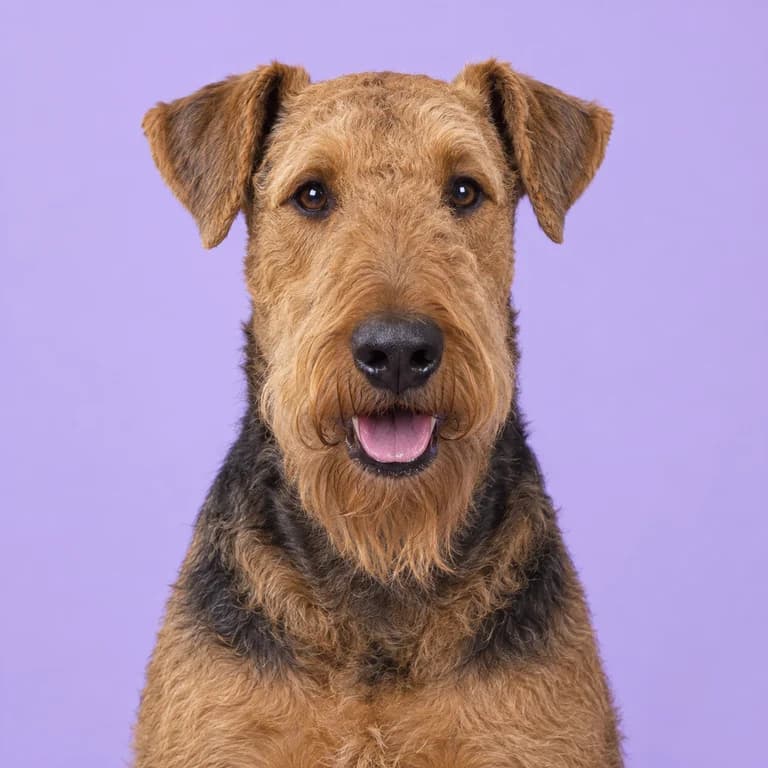
Terrier group
Airedale Terrier
18 to 29 kg · 11 to 14 years
The largest terrier, bred by Yorkshire workers to hunt otters and rats, and later trusted with wartime messages.
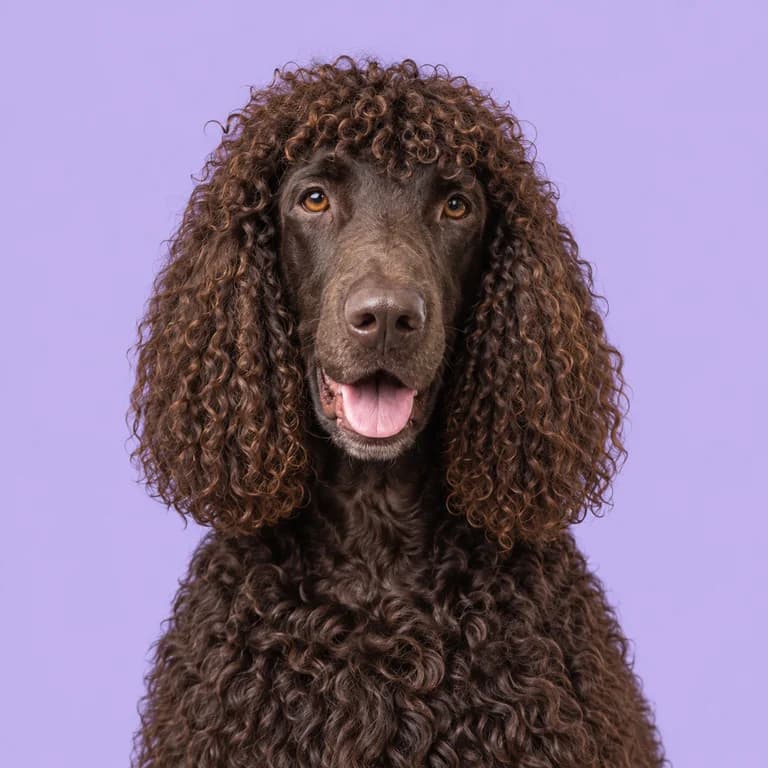
Sporting group
Irish Water Spaniel
20 to 31 kg · 10 to 13 years
The tallest spaniel, dressed in waterproof liver curls and topped with a loose, clownish topknot.
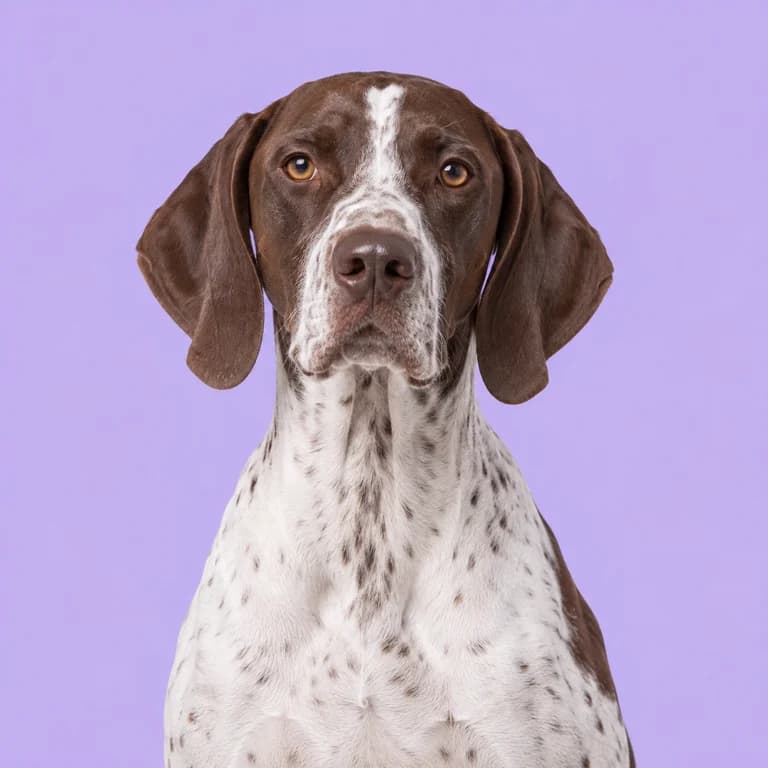
Sporting group
English Pointer
20 to 34 kg · 12 to 15 years
An athlete sculpted for speed across open moorland, with a statue-still point that stops people mid-conversation.