Sources for this article
Sporting group · Germany
Large Munsterlander
Also called Grosser Münsterländer, LM
A black and white German gundog that hunts, points and retrieves, then wants to do it all again.
The Large Munsterlander is a versatile hunting dog from northwest Germany, bred to find, point and retrieve game on land and in water. It is affectionate and good-natured with people, but it needs hours of real activity and a job to do every day.
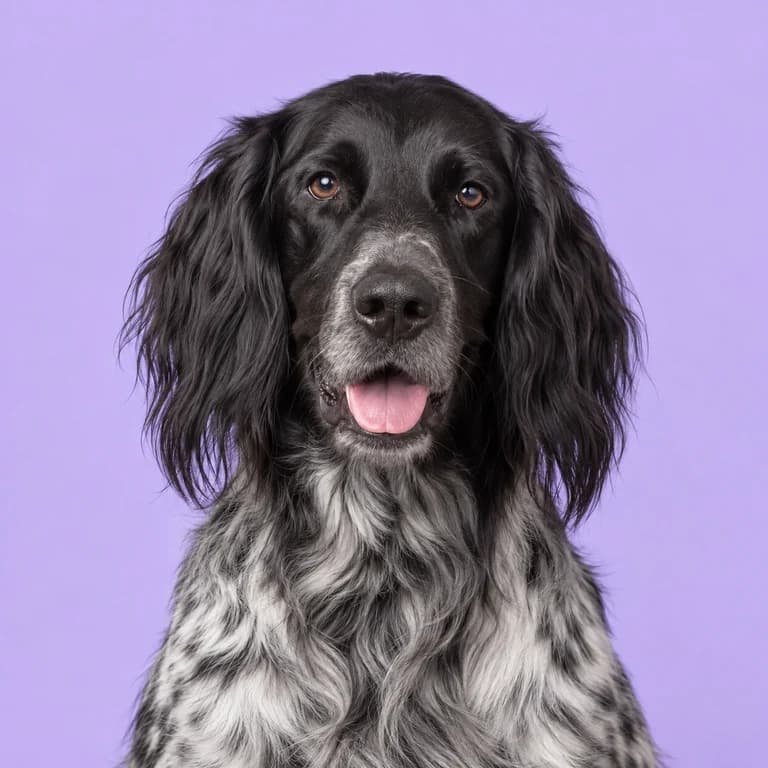
Original AI-generated breed illustration
Weight
25 to 32 kg
55 to 70 lb
Height
58 to 65 cm
at the shoulder
Life expectancy
11 to 13 yrs
Activity estimate
120 to 150 min
editorial daily planning range
Adult-size estimate
24 months
approximate model input
Life with a Large Munsterlander
Black and white longhaired pointers once appeared regularly in litters of the German Longhaired Pointer. In the early twentieth century that breed's club decided to accept only brown and white dogs, and the black and white ones were left out. Hunters, farmers and foresters around Münster kept breeding them anyway, prizing their hunting ability, and in 1919 they formed a club for what became the Large Munsterlander.
The breed was developed as an all-rounder for the German hunter: it quarters the field to find game, freezes in a point, retrieves shot birds, tracks wounded game and fetches from cold water. It works close enough to stay in contact but independently enough to make its own decisions. That combination of drive and thinking shapes everything about living with one.
In the home, the Large Munsterlander is affectionate, gentle and generally friendly with children, visitors and other dogs. It is not a nervy dog, but it is a busy one. Without the chance to run, sniff and retrieve every day, it becomes restless, and a bored Munsterlander with 30 kg of energy is hard to ignore.
What stands out
Exercise
Most adults need at least two hours of activity daily, including some off-lead running in a safe place. Pure mileage is not enough; this breed needs to use its nose and its retrieving instinct. Dummy work, tracking, swimming retrieves and search games satisfy it far better than jogging on pavements.
Read the full exercise guideActivity planning estimate
120 to 150 min
editorial estimate, not a prescription
Energy
5 / 5
Playfulness 4 / 5
A great match for
- hunters and gundog trainers
- very active families living near countryside
- owners who enjoy swimming, hiking and canicross with their dog
- people with time for daily training
Think twice if
- needs two hours of activity a day
- strong interest in birds and game
- slow to mature, often silly until two or three
- feathered coat collects mud and seeds
- unhappy when left alone for long periods
Personality and needs at a glance
Living together
Good with children
Good with other dogs
Open with strangers
Apartment friendly
Copes with alone time
Energy and character
Energy level
Playfulness
Easy to train
Barking
5 means very vocal
Care and climate
Grooming needs
Shedding
Drooling
Handles cold
Handles heat
How much a Large Munsterlander eats
Illustrative calculations for neutered adults at midpoint breed weights, with food at 370 kcal per 100 g and 100 g per cup. These are not measured breed requirements. Use actual weight, the food label and veterinary body-condition advice.
| Dog | Weight | Calories | Dry food |
|---|---|---|---|
| Female, relaxed lifestyle | 27 kg | 1160 kcal | 315 g (3.3 cups) |
| Female, typical pet | 27 kg | 1330 kcal | 360 g (3.5 cups) |
| Male, typical pet | 30 kg | 1420 kcal | 385 g (3.8 cups) |
| Male, very active | 30 kg | 1770 kcal | 480 g (4.8 cups) |
Care guides for the Large Munsterlander
Things owners are often surprised by
- 1Its breed club was founded in 1919 in the Münster region of Westphalia
- 2Separated from the German Longhaired Pointer when black and white dogs were excluded from that breed
- 3Not a bigger version of the Small Munsterlander, which is a different breed
- 4Classed in the UK as an HPR breed: hunt, point, retrieve
- 5Many German breeders place puppies mainly with active hunters
Large Munsterlander questions
What is the difference between the Large and Small Munsterlander?
Despite the names, they are separate breeds with different ancestry. The Large Munsterlander is 58 to 65 cm tall, black and white, and related to the German Longhaired Pointer. The Small Munsterlander is around 50 to 56 cm, usually brown and white, and descends from old German spaniel-type bird dogs. Both are versatile hunting dogs.
Is a Large Munsterlander suitable for a non-hunting home?
It can be, if the family commits to replacing hunting with other work. That means two hours of activity daily, regular retrieving games, scentwork or gundog training classes, and plenty of countryside access. Many breeders in Germany prefer hunting homes, so non-hunters may need to explain their plans carefully. Without real activity, the breed becomes frustrated quickly.
Do Large Munsterlanders point naturally?
Yes. Pointing is instinctive, and many puppies freeze with one paw lifted at birds or cats within the first few months. Training refines the point, teaching the dog to hold it until released and to stay steady when the bird flies. Owners who do not hunt often notice their dog pointing pigeons in parks, which is completely normal.
Are Large Munsterlanders good swimmers?
Most love water and swim strongly, as retrieving from ponds and rivers was part of their work. Introduce puppies gradually in calm, shallow water during warm weather rather than throwing them in. After swimming, dry the ears thoroughly and rinse off salt or chlorine. Avoid fast rivers and cold, icy water, where even strong swimmers can struggle.
How hard is it to find a Large Munsterlander puppy?
They are uncommon outside Germany and the Netherlands, so expect waiting lists. Contact national breed clubs, which usually know of planned litters and health-tested breeding pairs. Be ready to explain how you will exercise and train the dog. Avoid sellers who have puppies available immediately without health results or who cannot show both parents' hip scores.
Popular answers for owners
- Grooming and coatCan deshedding tools damage a dog's coat?
- Grooming and coatWhat is a topknot and how do you tie one on a long coated dog?
- How much to feedHow much more should I feed my dog if we start a new hiking routine?
- How much to feedHow much more should I feed a pregnant dog?
- Bowls and feeding gearWhat travel bowl works best for road trips?
- Exercise and playWhat is mental enrichment for dogs?
Breeds you might compare
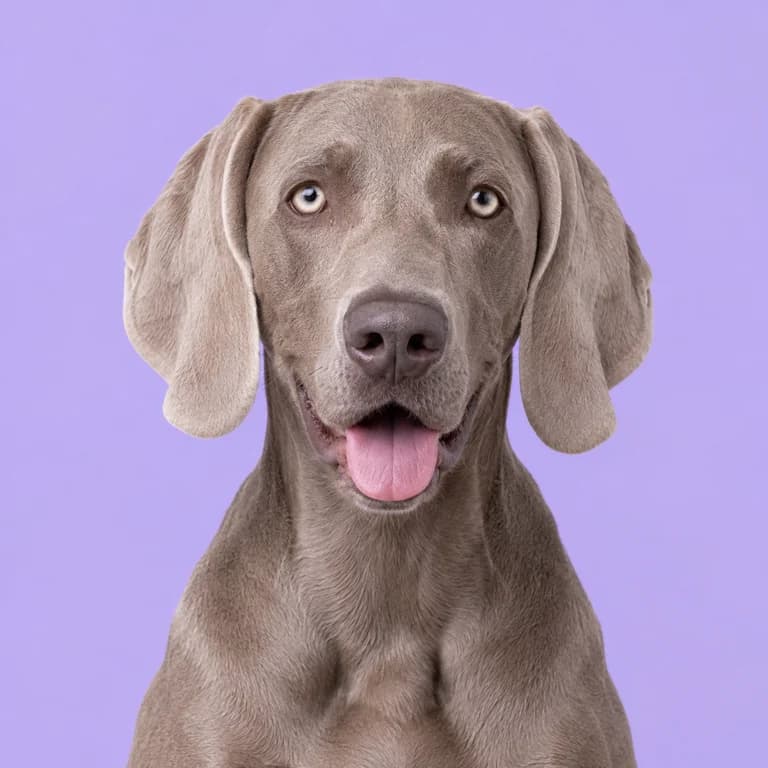
Sporting group
Weimaraner
25 to 41 kg · 10 to 13 years
A silver hunting dog with an athlete's stamina and a constant need to be right beside you.
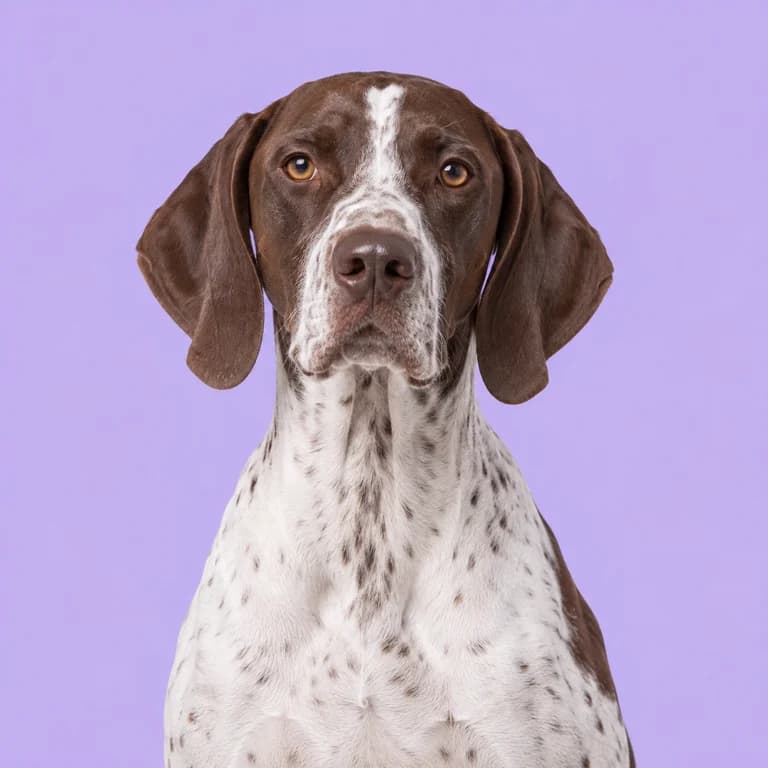
Sporting group
English Pointer
20 to 34 kg · 12 to 15 years
An athlete sculpted for speed across open moorland, with a statue-still point that stops people mid-conversation.
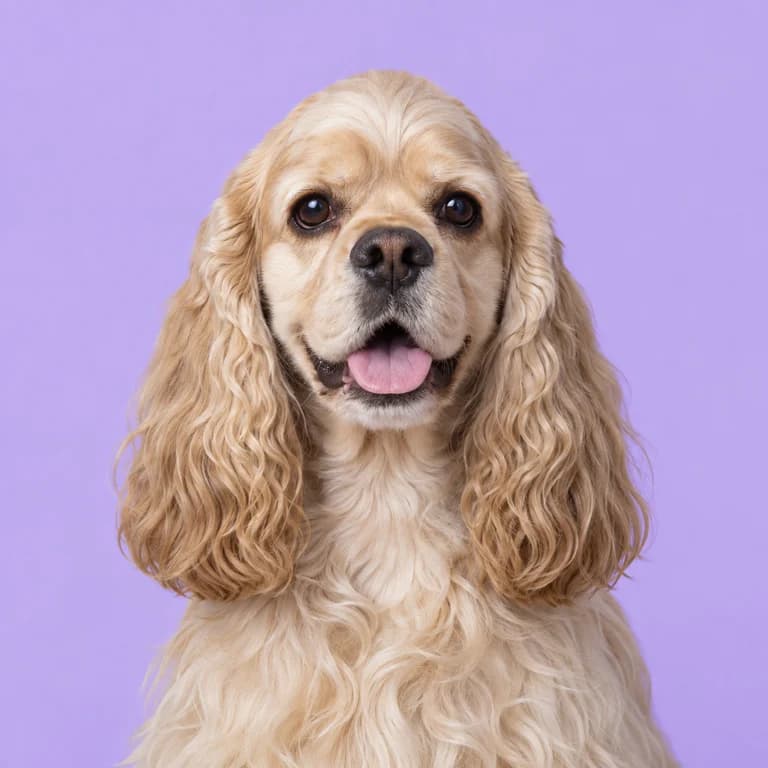
Sporting group
American Cocker Spaniel
9 to 14 kg · 12 to 14 years
The smallest American sporting spaniel, famous for a flowing coat that demands nearly as much attention as the dog.
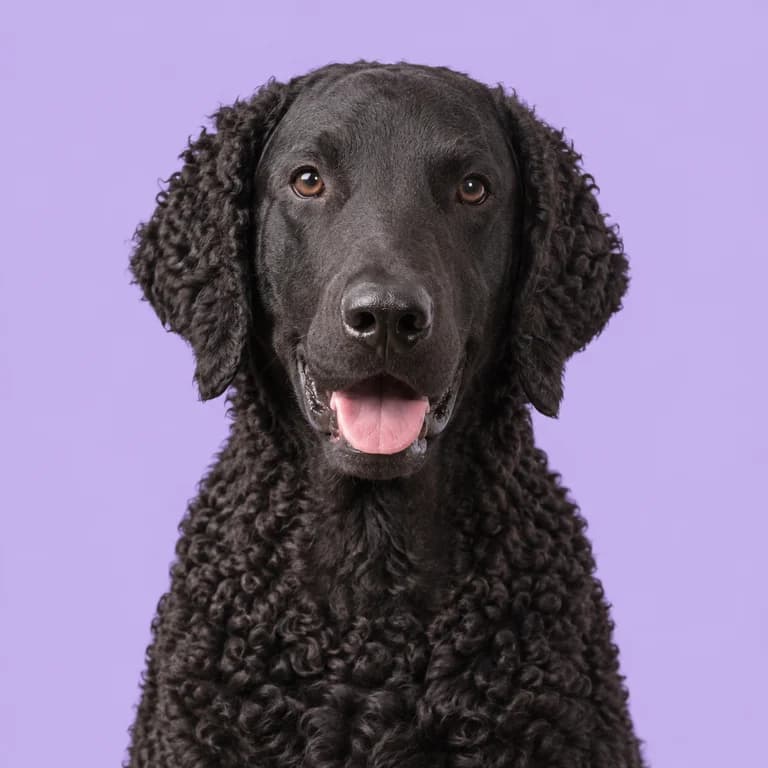
Sporting group
Curly-Coated Retriever
27 to 36 kg · 10 to 12 years
The tallest and perhaps most independent retriever, wrapped in a waterproof coat of tight curls you should never brush.
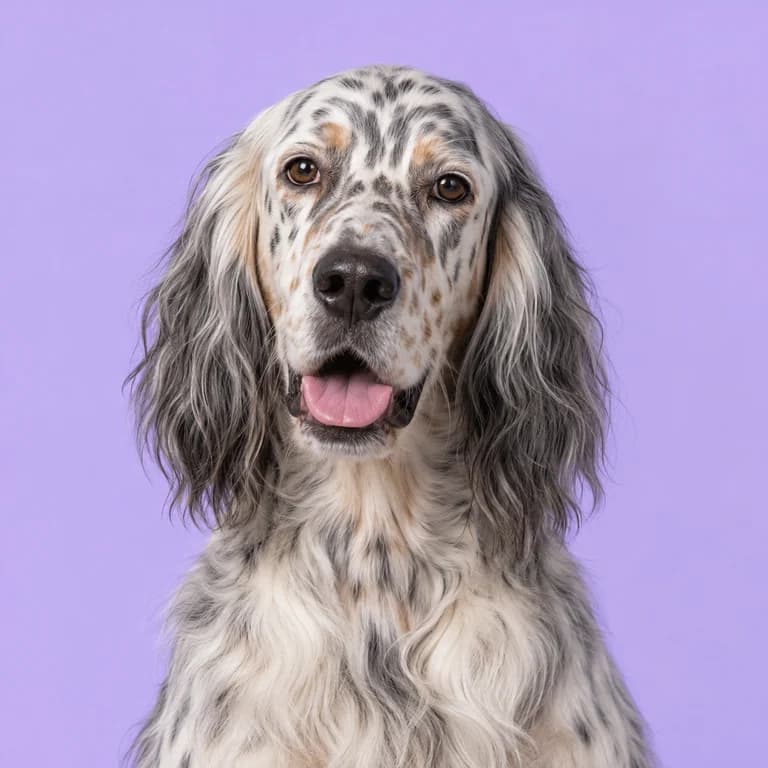
Sporting group
English Setter
20 to 36 kg · 10 to 12 years
A speckled gentleman of the field, mellow at home yet slow to grow out of puppy silliness.
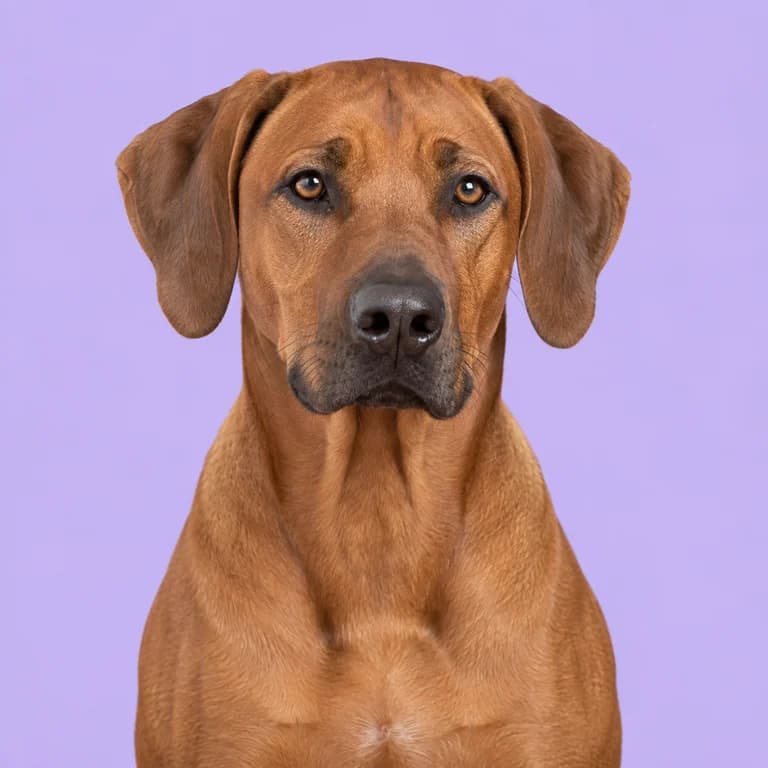
Hound group
Rhodesian Ridgeback
29 to 41 kg · 10 to 12 years
A sleek African hunting hound built to hold lions at bay, marked by a ridge of hair that grows the wrong way.