Sources for this article
Sporting group · England
English Cocker Spaniel
Also called Cocker Spaniel (UK), English Cocker, Cocker
A merry, tail-going gundog that wants to be busy with you, whether that means flushing pheasants or carrying slippers.
The English Cocker Spaniel is a compact British gundog known for a tail that almost never stops and a deep attachment to its family. It is soft-natured, eager and intensely people-focused, which makes it easy to love and a little hard to leave alone for long.

Original AI-generated breed illustration
Weight
12 to 15 kg
26 to 33 lb
Height
38 to 43 cm
at the shoulder
Life expectancy
12 to 14 yrs
Activity estimate
90 to 120 min
editorial daily planning range
Adult-size estimate
14 months
approximate model input
Life with a English Cocker Spaniel
Spend five minutes with an English Cocker and the tail tells you most of what you need to know. This is a sociable, cheerful dog that reads its owner's mood closely and wants to be involved in whatever is happening. Breeders use the word merry, and it fits: a well-bred Cocker greets visitors, children and other dogs with the same wriggling enthusiasm.
The breed grew out of the spaniel families of Britain, where small spaniels that flushed woodcock from thick undergrowth came to be called cockers. As the Kennel Club began separating spaniels by size and type in the late 1800s, the Cocker became a breed in its own right. Meanwhile a smaller, more heavily coated cocker developed in America, which is why the US uses the longer name English Cocker Spaniel for the British dog.
Two quite different dogs live under one name. Show-bred Cockers are sturdier, carry longer coats and move at a gentler pace. Working-bred Cockers, the busy little dogs you see on shoots and in detection work, are leaner and have an intense need to hunt and search. A working Cocker in a quiet flat with two short walks a day is often an unhappy dog, so ask any breeder which type they produce before you fall for a puppy.
The softness of the temperament is both the gift and the weak spot. Cockers wilt under harsh handling, and many struggle when left alone for more than three or four hours. Resource guarding (protecting food, toys or a stolen sock) is common in the breed, and it is far easier to prevent in puppyhood than to fix in an adult.
What stands out
Training
Cockers are among the easier spaniels to train because they want to please and they adore food. Use reward-based methods with plenty of variety, and keep sessions short and upbeat; one harsh word can shut a sensitive dog down for the rest of the lesson. Many owners find that a small zip-up treat dummy, which the dog retrieves and you open, becomes the most powerful reward they have.
Read the full training guideEasy to train
Open with strangers
Good with other dogs
A great match for
- active families with school-age children
- owners who work from home or have company most of the day
- people interested in gundog work, scentwork or agility
- first-time owners willing to keep up regular grooming
Think twice if
- ear problems under the long, heavy ear flaps
- distress when left alone for long periods
- working lines need far more exercise than show lines
- guarding of food and stolen objects if swaps are not taught
- coat that mats quickly without brushing
Personality and needs at a glance
Living together
Good with children
Good with other dogs
Open with strangers
Apartment friendly
Copes with alone time
Energy and character
Energy level
Playfulness
Easy to train
Barking
5 means very vocal
Care and climate
Grooming needs
Shedding
Drooling
Handles cold
Handles heat
How much an English Cocker Spaniel eats
Illustrative calculations for neutered adults at midpoint breed weights, with food at 370 kcal per 100 g and 100 g per cup. These are not measured breed requirements. Use actual weight, the food label and veterinary body-condition advice.
| Dog | Weight | Calories | Dry food |
|---|---|---|---|
| Female, relaxed lifestyle | 13 kg | 670 kcal | 180 g (1.8 cups) |
| Female, typical pet | 13 kg | 770 kcal | 205 g (2 cups) |
| Male, typical pet | 14 kg | 810 kcal | 220 g (2.3 cups) |
| Male, very active | 14 kg | 1010 kcal | 275 g (2.8 cups) |
Care guides for the English Cocker Spaniel
Things owners are often surprised by
- 1Named for its original quarry, the woodcock, which it pushed out of dense cover for hunters
- 2Recognized in the US as a breed separate from the American Cocker Spaniel in 1946
- 3Working-line and show-line Cockers differ a lot: workers are lighter, shorter-coated and far more driven
- 4The breed standard calls the temperament merry, and constant tail action is part of the ideal
- 5Has ranked among the most registered breeds in the UK for decades
English Cocker Spaniel questions
What is the difference between an English Cocker and an American Cocker Spaniel?
They share ancestors but have been bred apart for many decades. The English Cocker is taller, about 38 to 43 cm, with a longer muzzle and a more natural coat. The American Cocker is smaller, rounder in the head and carries a much heavier coat that usually needs professional grooming. In the UK and much of Europe, Cocker Spaniel normally means the English type.
Should I choose a working Cocker or a show Cocker?
Choose by lifestyle rather than looks. Working Cockers are athletic, smaller and endlessly busy, ideal for shooting, scent sports or very active homes. Show Cockers are calmer indoors and carry more coat. A working Cocker in a home without daily outlets for its nose tends to invent its own hobbies, usually noisy ones or ones involving your shoes.
Why does my Cocker Spaniel always carry something in its mouth?
Retrieving is built into the breed, and holding an object seems to comfort and please many Cockers. You will often be greeted at the door with a toy, a glove or a sock. Leave acceptable toys near the door so there is always something legal to grab, and teach a swap cue so you can trade a stolen item for a treat without a chase.
Are English Cocker Spaniels good with young children?
Usually very good, since they are playful and tolerant, but teach children not to grab ears or reach into the food bowl, because some Cockers guard resources. Young puppies are mouthy and bouncy, which can overwhelm toddlers. Supervise play, and give the dog a bed or crate in a quiet corner where nobody is allowed to disturb it.
How often does an English Cocker need a professional groom?
Most pet owners book a trim every 6 to 10 weeks to keep the feet, ears and feathering tidy and comfortable. Between visits you still need to brush two or three times a week, or mats will form behind the ears and in the armpits. Some owners learn basic tidying with thinning scissors, which saves money but takes practice to do neatly.
Popular answers for owners
- Bowls and feeding gearWhat bowl shape helps a Boston Terrier eat more slowly?
- Grooming and coatHow long does it take a dog's coat to air dry?
- Grooming and coatWhen do dogs shed the most?
- Bowls and feeding gearAre plastic dog bowls safe?
- Grooming and coatWhat brush is best for a silky long coat?
- Exercise and playHow can I tell if my dog is out of shape?
Breeds you might compare

Sporting group
German Shorthaired Pointer
20 to 32 kg · 12 to 14 years
A lean German gundog built to point, retrieve and track all day, then ask what comes next.
Sporting group
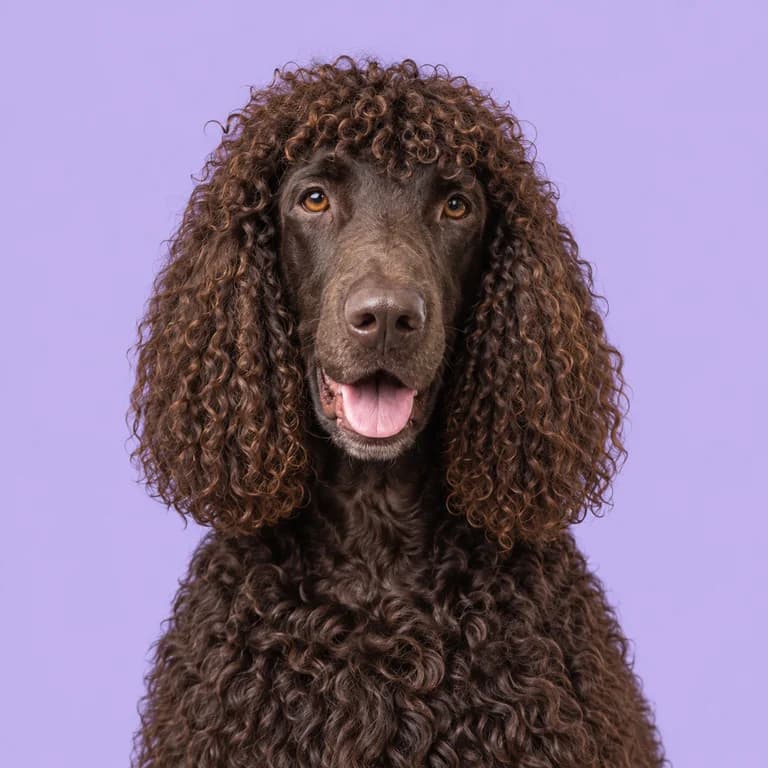
Irish Water Spaniel
20 to 31 kg · 10 to 13 years
The tallest spaniel, dressed in waterproof liver curls and topped with a loose, clownish topknot.

Sporting group
Brittany
13 to 18 kg · 12 to 14 years
A compact French bird dog built to cover open ground at speed, then freeze on point.
Terrier group
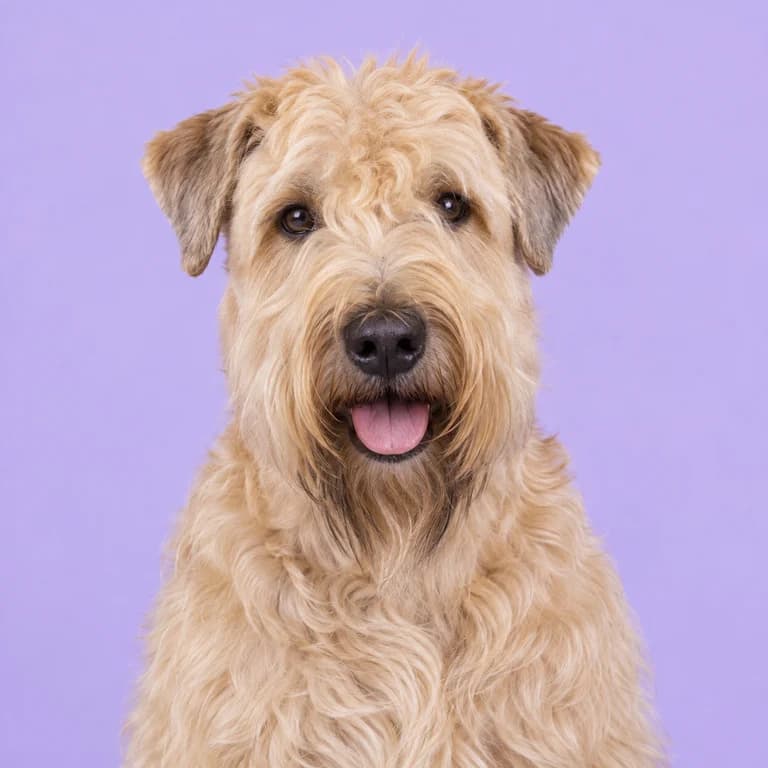
Soft Coated Wheaten Terrier
14 to 18 kg · 12 to 14 years
Silky, bouncy and relentlessly cheerful, the Wheaten asks for more brushing than almost any terrier.

Herding group
Pembroke Welsh Corgi
9 to 14 kg · 12 to 14 years
A cattle driver in a compact body, the Pembroke thinks fast, talks back, and rarely misses a snack.

Non-sporting group
Finnish Spitz
9 to 15 kg · 13 to 15 years
Finland's fox-red bird dog, built to bark a treed capercaillie into staying put, and happy to narrate your day.