Sources for this article
Hound group · United Kingdom
Greyhound
Also called English Greyhound, Grey, Hound
A sprinter capable of about 70 km/h (43 mph) that spends most of its day asleep upside down.
Greyhounds overturn the idea that a fast dog must be a busy one. They burst into speed for short spells, then rest for hours, and many ex-racers adapt beautifully to calm homes and even flats. The catch is a powerful chase instinct and a body that feels both cold and bumps keenly.
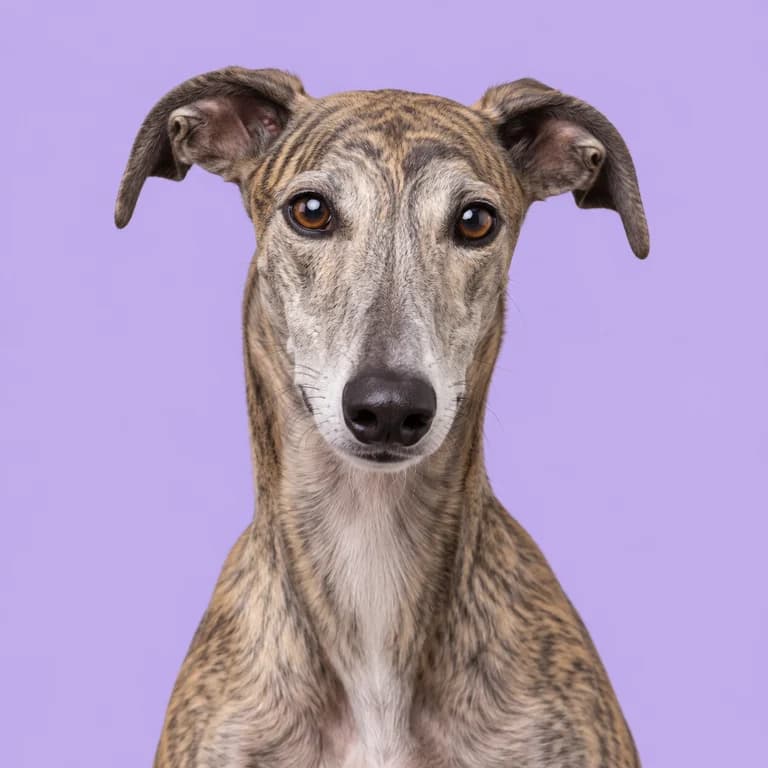
Original AI-generated breed illustration
Weight
25 to 34 kg
55 to 75 lb
Height
68 to 76 cm
at the shoulder
Life expectancy
10 to 14 yrs
Activity estimate
30 to 60 min
editorial daily planning range
Adult-size estimate
18 months
approximate model input
Life with a Greyhound
Most people expect a racing dog to need hours of running. In reality, an adult Greyhound is built for short, explosive sprints followed by long recovery. Two brisk walks and a chance to stretch its legs in a safe, fenced area now and then keep most Greys content, and the rest of the day tends to be spent on the sofa, often upside down with legs in the air, a pose owners call roaching.
Hounds of this shape appear in art from ancient Egypt and the Middle East, and the modern Greyhound was shaped in Britain, where it was prized for coursing hares and later for track racing. The name probably has nothing to do with gray color; the most common explanation links it to an old English word for dog, though the true origin is still argued over.
Temperament is gentle, sensitive and often a little aloof with strangers at first. Many adults arrive from racing kennels having never seen stairs, glass doors or a television, so the first weeks involve a lot of gentle introductions. Once settled, most are quiet, polite dogs that rarely bark and fit well around a calm routine.
What stands out
Exercise
Two walks of 20 to 30 minutes each, plus an occasional supervised sprint in a securely fenced field, meet the needs of most adult Greyhounds. Many are happy with less on rainy days. They enjoy sniffing new routes, gentle ball games and lure coursing, which lets them chase a mechanical lure safely.
Read the full exercise guideActivity planning estimate
30 to 60 min
editorial estimate, not a prescription
Energy
2 / 5
Playfulness 3 / 5
A great match for
- quiet households and flats
- first-time owners of a large dog
- people who enjoy relaxed daily walks
- adopters happy to take on an adult dog
Think twice if
- strong urge to chase small animals
- poor recall in open spaces
- feels cold quickly
- thin skin that tears easily
Personality and needs at a glance
Living together
Good with children
Good with other dogs
Open with strangers
Apartment friendly
Copes with alone time
Energy and character
Energy level
Playfulness
Easy to train
Barking
5 means very vocal
Care and climate
Grooming needs
Shedding
Drooling
Handles cold
Handles heat
How much a Greyhound eats
Illustrative calculations for neutered adults at midpoint breed weights, with food at 370 kcal per 100 g and 100 g per cup. These are not measured breed requirements. Use actual weight, the food label and veterinary body-condition advice.
| Dog | Weight | Calories | Dry food |
|---|---|---|---|
| Female, relaxed lifestyle | 28 kg | 1180 kcal | 320 g (3.3 cups) |
| Female, typical pet | 28 kg | 1340 kcal | 365 g (3.8 cups) |
| Male, typical pet | 32 kg | 1490 kcal | 400 g (4 cups) |
| Male, very active | 32 kg | 1860 kcal | 505 g (5 cups) |
Care guides for the Greyhound
Things owners are often surprised by
- 1Can reach roughly 70 km/h (43 mph) within a few strides, making it the fastest dog breed
- 2Often sleeps 16 to 18 hours a day as an adult
- 3Sighthound anatomy includes a large heart, lean muscle and very little body fat
- 4Many pet Greyhounds are retired racers adopted between 2 and 5 years old
- 5The narrow head is smaller than the neck, so a wide martingale collar is standard
Greyhound questions
Why do Greyhounds wear muzzles?
Racing Greyhounds wear muzzles to prevent nipping during races and kennel turnout, so most are used to them. Many adopters keep using one during early introductions to small dogs or cats, or in public parks where a chase might start. A muzzle does not mean a Greyhound is aggressive. In fact the breed is known for being gentle with people.
Can a Greyhound live with a cat?
Some can and some cannot. It depends on how strongly the individual dog reacts to small, moving animals. Reputable adoption groups often test Greyhounds with cats and label them as cat-safe, workable or not suitable. Even with a cat-safe dog, introductions should be slow, muzzled at first, and supervised for several weeks.
Why does my Greyhound sleep upside down?
Sleeping on the back with legs in the air, called roaching, is common in Greyhounds that feel secure. It helps them cool down and is a sign of relaxation. Some Greys also sleep with their eyes partly open. Avoid startling a sleeping Greyhound by touching it suddenly; call its name first so it wakes calmly.
Are Greyhounds good for flats?
Surprisingly good. They are quiet, clean and happy to sleep much of the day. The main needs are soft bedding, as they have little padding over their bones, daily walks, and access to a safe place for an occasional run. Stairs can be a challenge at first for ex-racers, but most learn within a few days with patient guidance.
Why does my Greyhound feel so cold?
Greyhounds have very little body fat and a thin, short coat, so they lose heat quickly. In temperatures below about 10 C (50 F) many need a coat for walks, and a warm bed at night. If your dog shivers indoors in a warm room, or its ears and paws stay cold with lethargy, speak to your vet.
Popular answers for owners
- Exercise and playWhat breeds are not strong swimmers?
- Bowls and feeding gearAre collapsible travel bowls good enough for daily water breaks?
- How much to feedHow can I tell if my dog is underweight?
- Bowls and feeding gearWhat is a slow feeder bowl?
- Grooming and coatHow long does it take a dog's coat to air dry?
- Puppy feeding and growthHow does teething affect a puppy's appetite?
Breeds you might compare
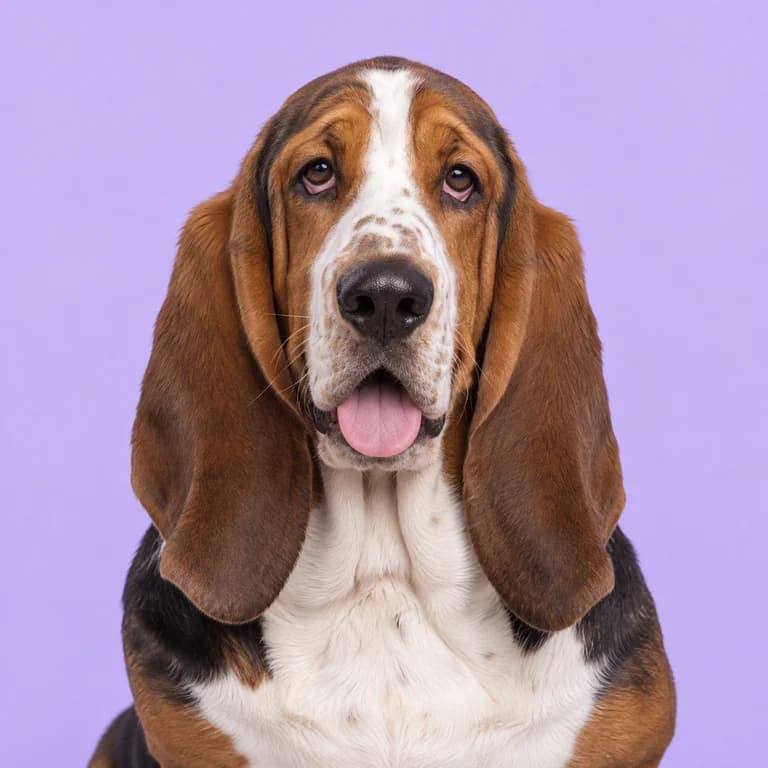
Hound group
Basset Hound
20 to 29 kg · 10 to 12 years
A scent hound nearly as heavy as a Labrador, built on legs barely 35 cm tall.
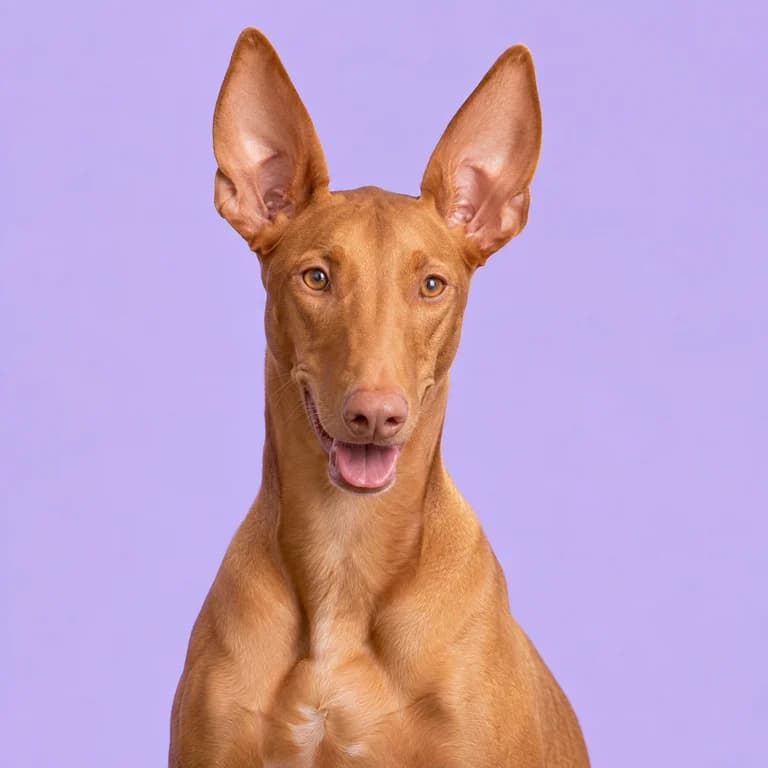
Hound group
Pharaoh Hound
18 to 25 kg · 12 to 14 years
Malta's national dog, a night-hunting rabbit hound whose ears and nose flush pink when it is happy.
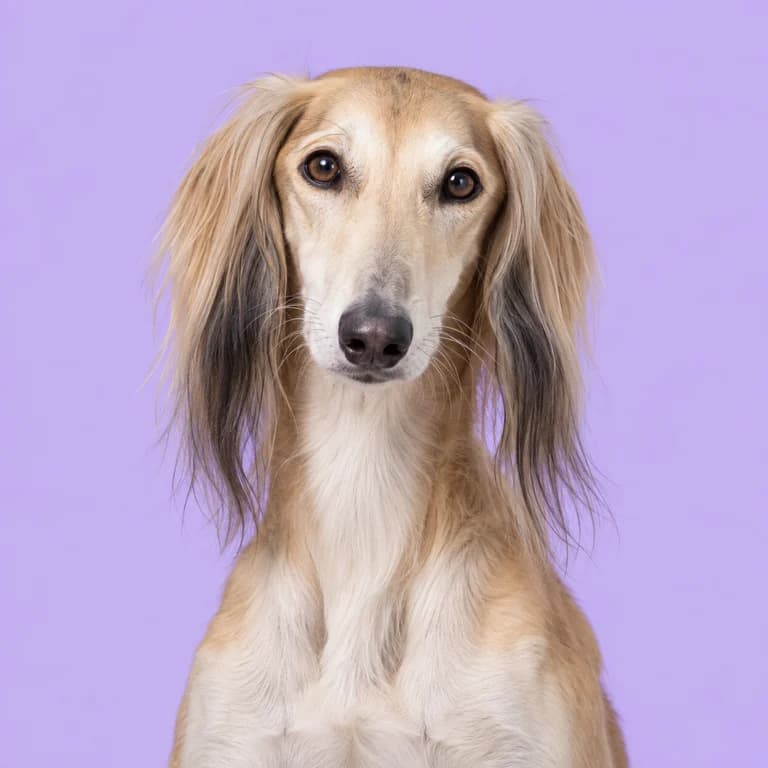
Hound group
Saluki
16 to 29 kg · 12 to 14 years
Bred for thousands of years to course gazelle across open desert, the Saluki brings a sprinter's heart to your sofa.
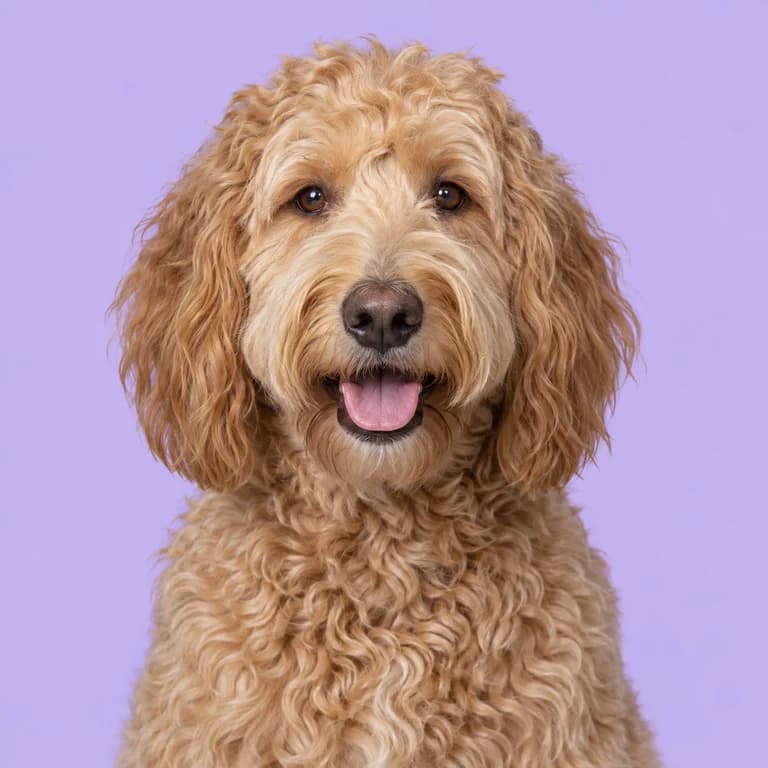
Crossbreed
Goldendoodle
23 to 36 kg · 10 to 15 years
A sociable Golden Retriever and Poodle cross whose coat type decides how much of your week goes to brushing.
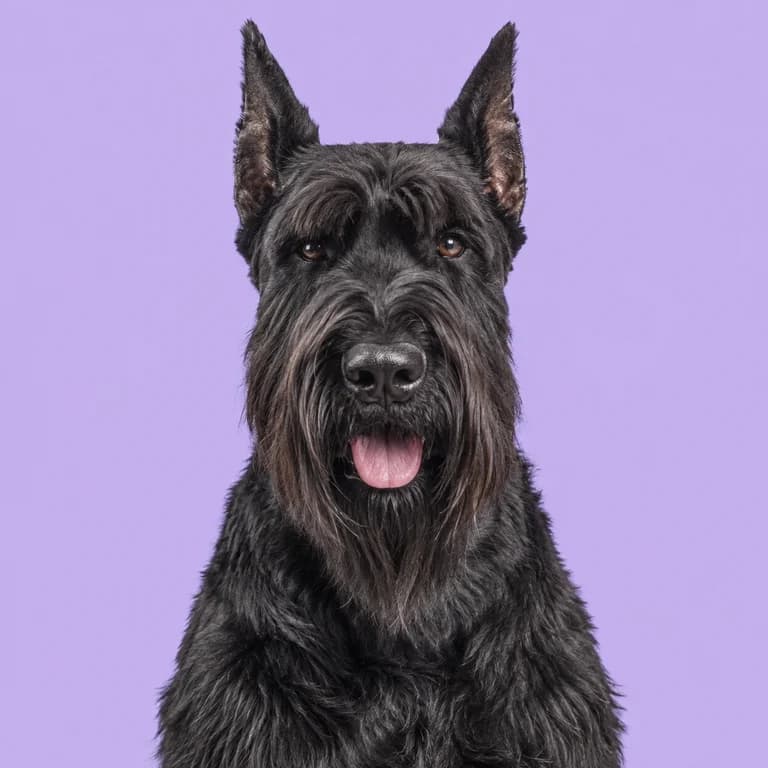
Working group
Giant Schnauzer
25 to 45 kg · 10 to 12 years
A powerful, clever working dog that thrives on structure and a job, and makes up its own without them.
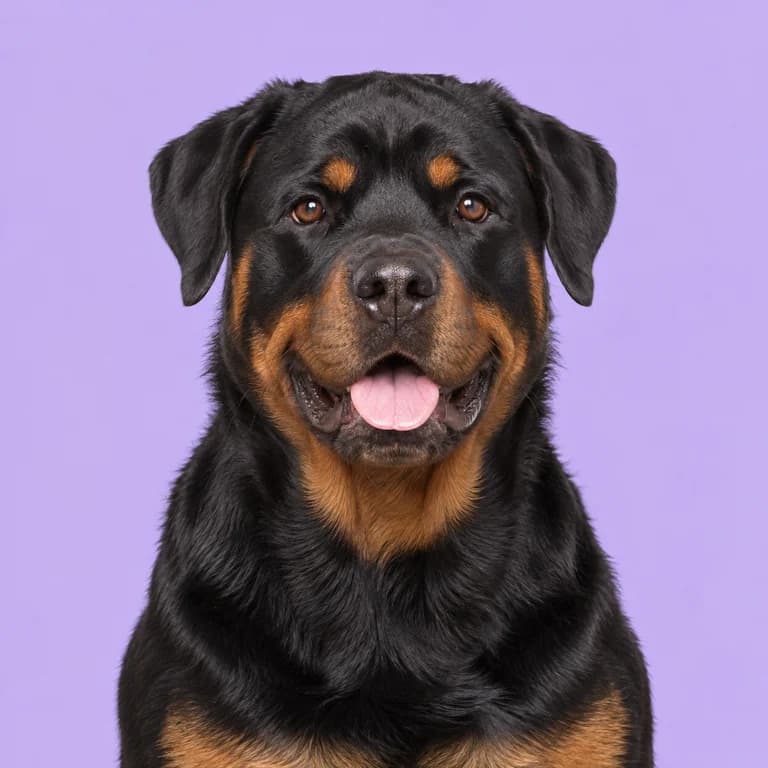
Working group
Rottweiler
35 to 60 kg · 9 to 10 years
A butcher's cattle dog turned devoted guardian, calm at home and quietly watchful of anything unfamiliar.