Sources for this article
Hound group · Ireland
Irish Wolfhound
Also called Wolfhound, Cú Faoil
Once a hunter of wolves, the Irish Wolfhound is now a soft-natured giant that towers over every other hound.
The Irish Wolfhound is an ancient sighthound from Ireland, used for centuries to hunt wolves and deer and then rescued from near extinction in the 19th century. Today it is a calm, friendly giant with a short lifespan, a strong chase instinct and a big need for space.
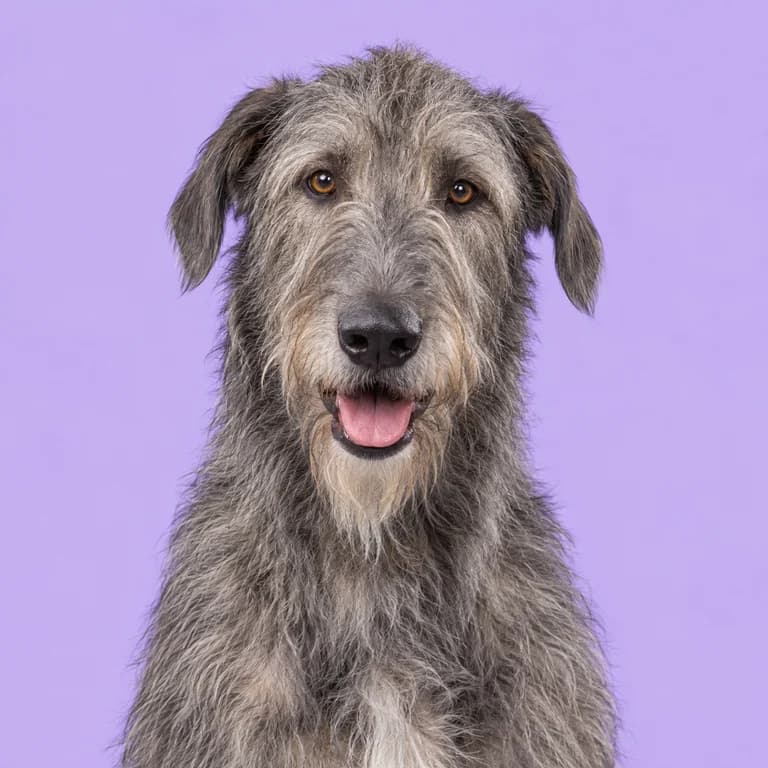
Original AI-generated breed illustration
Weight
45 to 70 kg
99 to 154 lb
Height
71 to 90 cm
at the shoulder
Life expectancy
6 to 8 yrs
Activity estimate
60 to 90 min
editorial daily planning range
Adult-size estimate
24 months
approximate model input
Life with a Irish Wolfhound
Irish poems and sagas are full of great hounds, and the dog most people picture when they read them is the Irish Wolfhound. The legendary hero Fionn mac Cumhaill is said to have kept a hound named Bran, and the Roman consul Quintus Aurelius Symmachus is said to have written of seven Irish dogs that astonished Rome in the 4th century. Beyond legend, large rough-coated hounds were clearly prized in Ireland for hunting wolves, deer and elk, and were given as gifts between chieftains and kings.
The breed's history also includes a near ending. As wolves disappeared from Ireland (the last is commonly said to have been killed in 1786) and great estates declined, the hounds lost their work and their numbers shrank. By the mid-19th century they were very rare. Captain George Augustus Graham, a Scottish army officer, began gathering the remaining dogs in the 1860s and brought in Scottish Deerhound, Great Dane and Borzoi blood to rebuild the type. Since 1902 a wolfhound has marched with the Irish Guards as regimental mascot.
The modern Wolfhound is gentle, dignified and friendly, summed up by the old saying 'gentle when stroked, fierce when provoked'. Most are calm indoors, polite with visitors and easygoing with other dogs. They are affectionate without being clingy, and many like to lie in the middle of the kitchen floor where everyone has to step over them.
Living with one requires space, a large vehicle, a very big bed, and acceptance that the time together will be short. It also requires respect for the sighthound instinct: a Wolfhound that spots a running deer or cat may be gone before you finish calling its name.
A great match for
- homes with a large, securely fenced garden
- calm, adult-focused households
- owners who want a quiet, friendly giant
- people who can manage a large dog physically and financially
Think twice if
- a lifespan of only about 6 to 8 years
- strong chase instinct toward cats and small animals
- needs a big car, bed and living space
- prone to heart disease and bloat
- a poor guard dog despite its size
Personality and needs at a glance
Living together
Good with children
Good with other dogs
Open with strangers
Apartment friendly
Copes with alone time
Energy and character
Energy level
Playfulness
Easy to train
Barking
5 means very vocal
Care and climate
Grooming needs
Shedding
Drooling
Handles cold
Handles heat
How much an Irish Wolfhound eats
Illustrative calculations for neutered adults at midpoint breed weights, with food at 370 kcal per 100 g and 100 g per cup. These are not measured breed requirements. Use actual weight, the food label and veterinary body-condition advice.
| Dog | Weight | Calories | Dry food |
|---|---|---|---|
| Female, relaxed lifestyle | 53 kg | 1910 kcal | 515 g (5.3 cups) |
| Female, typical pet | 53 kg | 2180 kcal | 590 g (6 cups) |
| Male, typical pet | 62 kg | 2470 kcal | 670 g (6.8 cups) |
| Male, very active | 62 kg | 3090 kcal | 835 g (8.3 cups) |
Care guides for the Irish Wolfhound
Things owners are often surprised by
- 1Among the tallest dog breeds, with males standing at least 79 cm (31 in) and often over 86 cm (34 in)
- 2Captain George Augustus Graham began rebuilding the breed in the 1860s
- 3Has served as the mascot of the Irish Guards regiment since 1902
- 4The last wolf in Ireland is commonly said to have been killed in 1786, after which the hounds declined
- 5Roman writer Symmachus is said to have described Irish hounds that amazed crowds in Rome in the 4th century
- 6Average lifespan is only about 6 to 8 years
Irish Wolfhound questions
How tall is an Irish Wolfhound?
Breed standards set minimum heights of 79 cm (31 in) for males and 71 cm (28 in) for females, and many dogs are taller. Males often stand around 81 to 90 cm (32 to 35 in). Up on its hind legs, a big male can rest its front paws on the shoulders of a tall adult. It is generally recognized as the tallest breed in the world.
Are Irish Wolfhounds good guard dogs?
Not really. Their size may deter some intruders, but most Wolfhounds are friendly with strangers and rarely bark. They were bred to hunt, not to guard property. If you want a watchful guard, choose another breed; if you want a calm, sociable giant that greets the postman with a slow wag, the Wolfhound fits.
Why do Irish Wolfhounds live such short lives?
Giant breeds age faster, and the Wolfhound is also prone to heart disease, bone cancer and bloat. The average lifespan is about 6 to 8 years, though some reach 10 or more. Choosing a breeder who screens for heart and liver problems, keeping your dog lean, and booking regular vet checks all help give it the best chance.
Can Irish Wolfhounds be let off the lead?
Only in securely fenced areas. As sighthounds, they react to movement and reach high speed in a few strides. Even a well-trained Wolfhound may ignore recall once a chase starts. Use a long line in open spaces, and let the dog run free only where it cannot reach a road, livestock or a neighbor's cat.
What is the difference between an Irish Wolfhound and a Scottish Deerhound?
The two share history, and Deerhound blood helped rebuild the Wolfhound in the 19th century. The Deerhound is lighter, slimmer and a little smaller, and is usually grey or blue-grey. The Wolfhound is heavier boned and more powerful, with a wider range of colors. Both are gentle, quiet sighthounds with strong chase instincts.
Popular answers for owners
- Bowls and feeding gearCan I use a travel bowl as my dog's everyday bowl?
- Puppy feeding and growthHow much should my puppy weigh at 8 weeks?
- Bowls and feeding gearHow do I stop one dog from finishing first and stealing another's food?
- How much to feedWhat is the safest way to help an underweight rescue dog gain weight?
- Grooming and coatHow often should I brush a Pomeranian's coat?
- Bowls and feeding gearIs it bad to put a dog bowl near a litter box?
Breeds you might compare
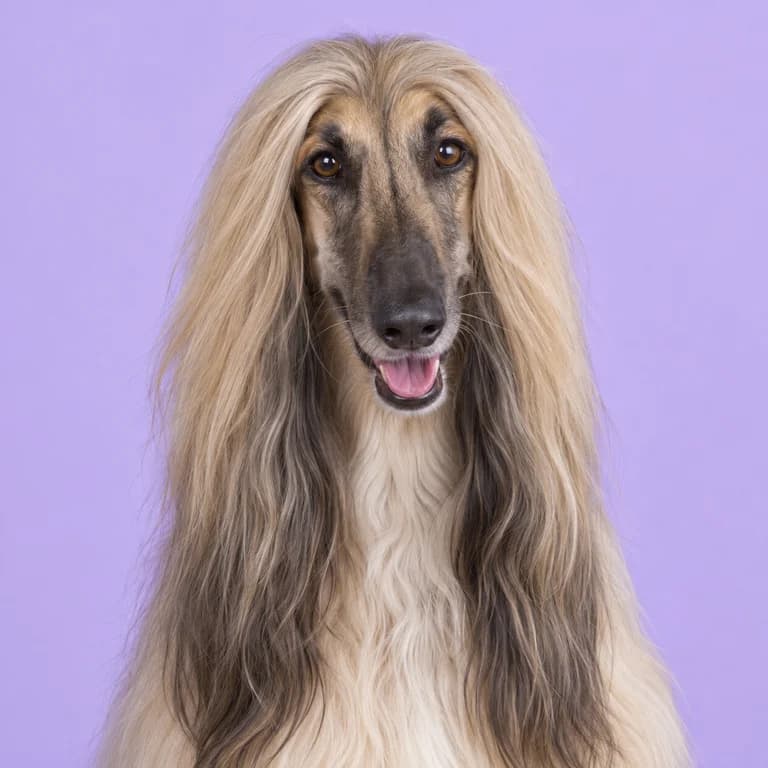
Hound group
Afghan Hound
20 to 30 kg · 12 to 14 years
An elegant sighthound in a floor-length coat that asks for hours of care every single week.
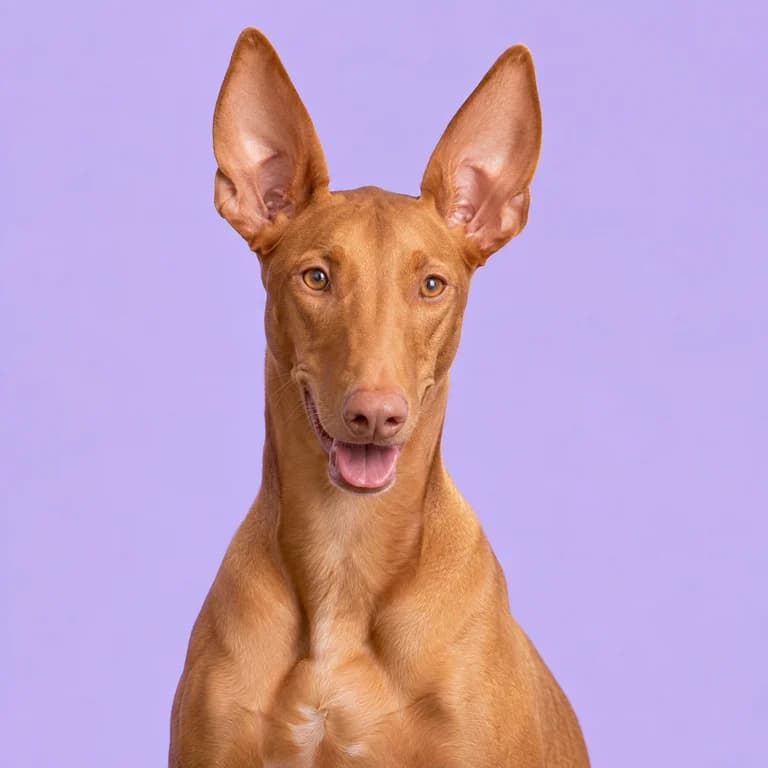
Hound group
Pharaoh Hound
18 to 25 kg · 12 to 14 years
Malta's national dog, a night-hunting rabbit hound whose ears and nose flush pink when it is happy.
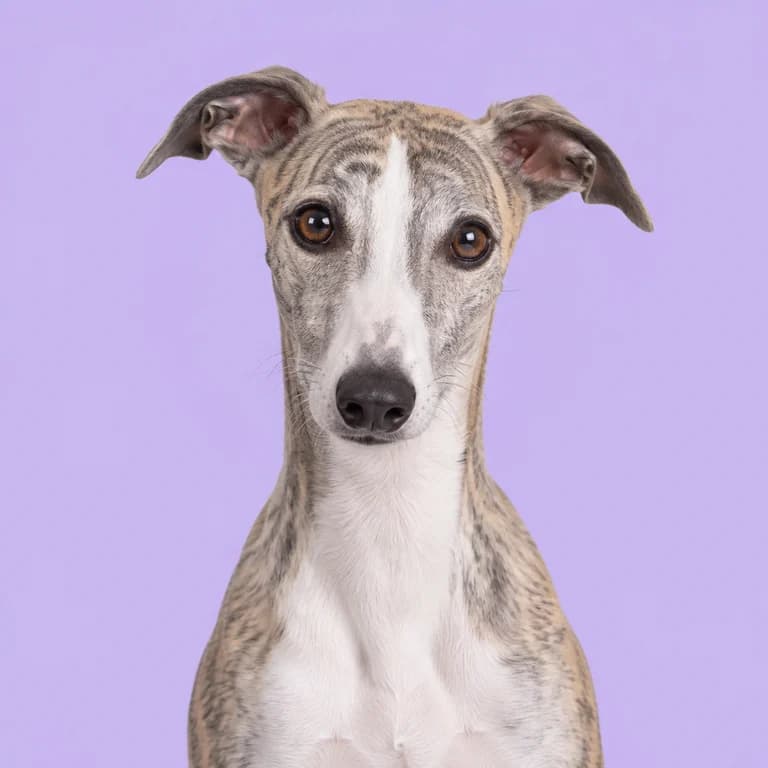
Hound group
Whippet
9 to 16 kg · 12 to 15 years
Built for 55 km/h sprints, yet happiest curled under a blanket for most of the day.
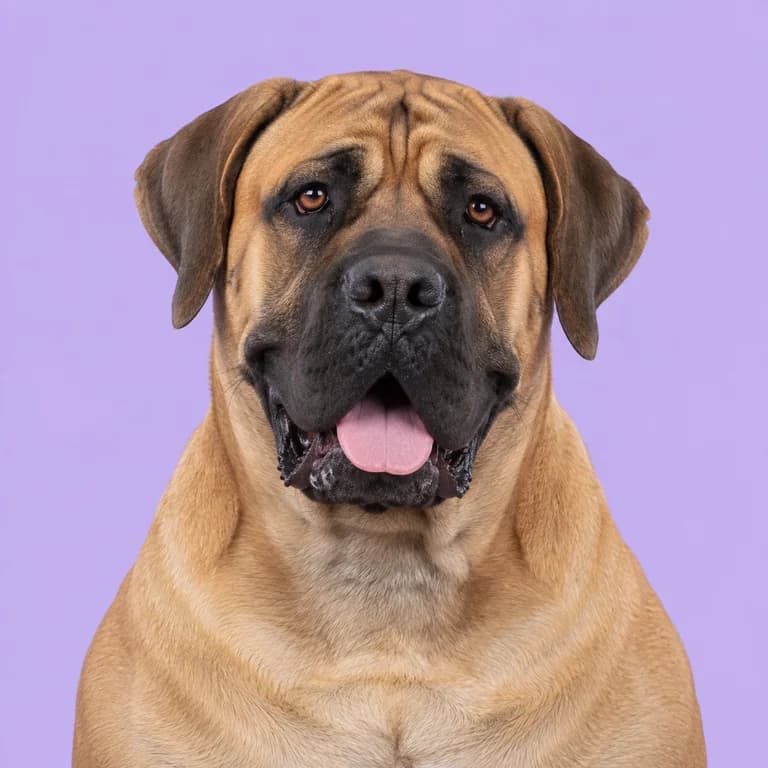
Working group
Boerboel
55 to 90 kg · 9 to 11 years
A South African farm guardian built to face down leopards, calm at home but serious about its territory.
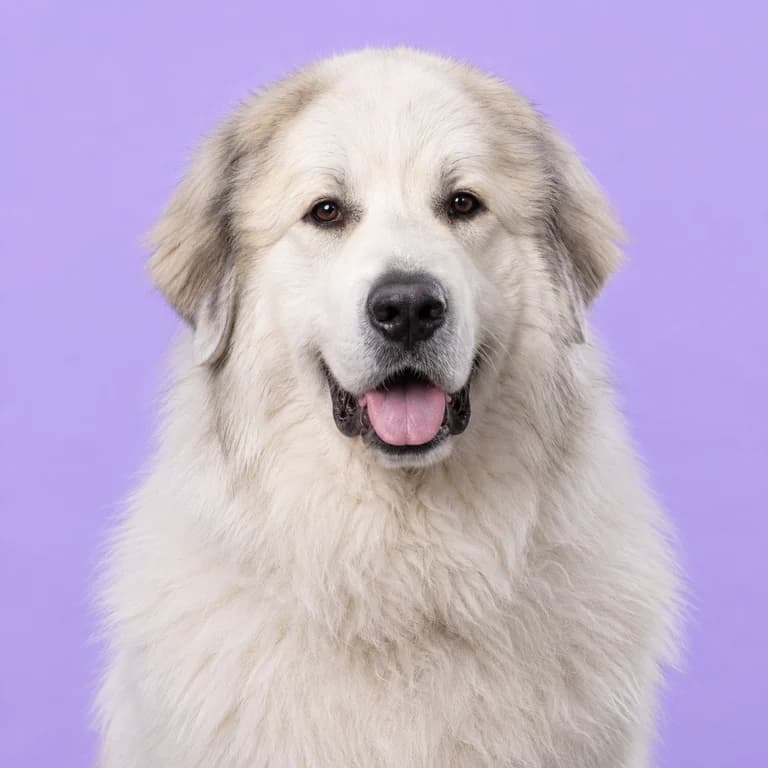
Working group
Great Pyrenees
38 to 60 kg · 10 to 12 years
A calm white giant that sleeps through the afternoon and patrols through the night, exactly as it was bred to.
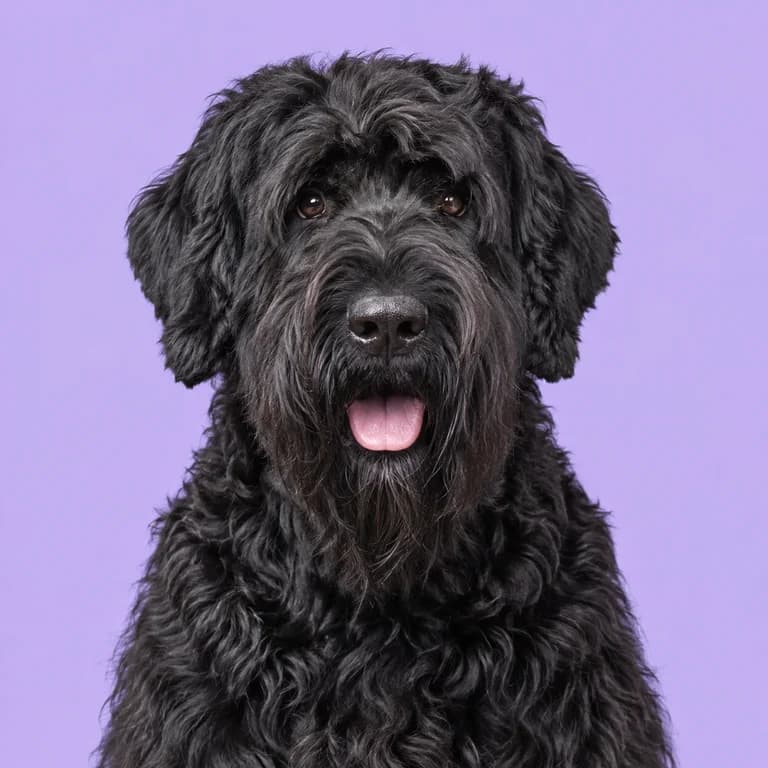
Working group
Black Russian Terrier
45 to 60 kg · 10 to 12 years
A guardian designed by the Soviet army from a mix of breeds, calm at home and serious at the gate.