Sources for this article
Working group · Tibet (China)
Tibetan Mastiff
Also called Do-khyi, TM
An ancient mountain guardian that thinks for itself, patrols at night and trusts very few outsiders.
Tibetan Mastiffs were kept to guard villages, tents and monasteries on the Himalayan plateau, and they still take that duty seriously. They are calm and dignified at home but independent, territorial and slow to accept strangers. This is a breed for experienced owners who value a guardian over an obedient companion.
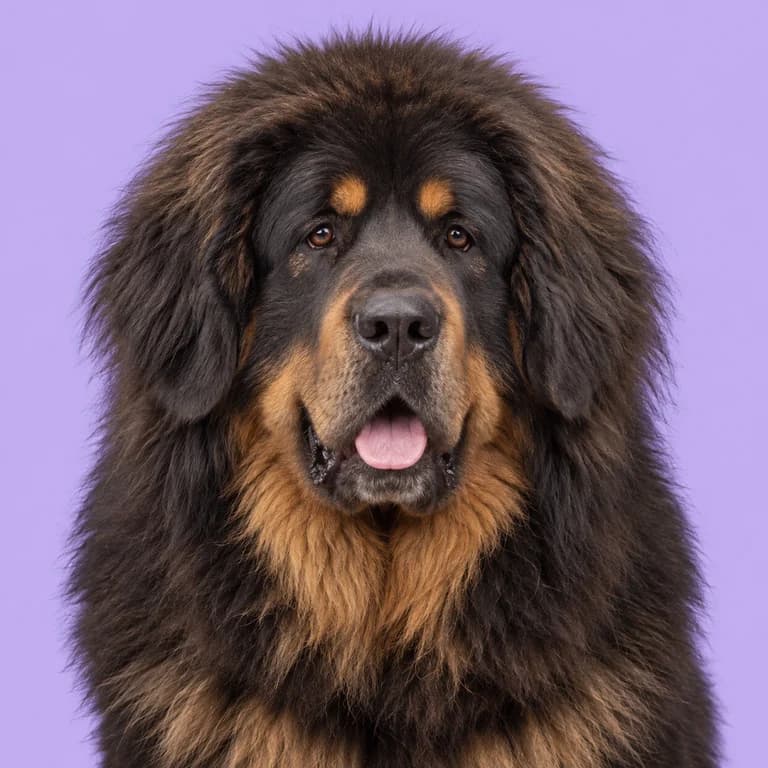
Original AI-generated breed illustration
Weight
34 to 73 kg
75 to 161 lb
Height
61 to 76 cm
at the shoulder
Life expectancy
10 to 14 yrs
Activity estimate
30 to 60 min
editorial daily planning range
Adult-size estimate
36 months
approximate model input
Life with a Tibetan Mastiff
Night is when a Tibetan Mastiff comes into its own. For centuries, nomads and villagers on the Tibetan plateau kept these dogs chained near gates during the day and released them after dark to guard flocks, tents and homes against wolves, snow leopards and thieves. Many modern TMs still doze for much of the day and then patrol, listen and bark through the night.
The breed's early history is largely unrecorded, and stories about its links to ancient war dogs or the ancestors of all mastiffs should be treated as legend. What is clear is that Himalayan guardian dogs were admired by Western travelers, and a few reached Britain in the 19th century, with more arriving in Europe and North America in the 1970s and 1980s. In the early 2010s the breed became a status symbol in China, and some dogs were widely reported to have sold for extraordinary sums before prices collapsed.
Temperament is the heart of the breed. A Tibetan Mastiff is loyal and often gentle with its own family, but it makes its own decisions, particularly about who is allowed onto its property. Visitors may be watched closely or blocked for a long time. It is not a dog that fetches on command or follows you everywhere; it prefers to lie at a vantage point and observe.
What stands out
Training
Tibetan Mastiffs are intelligent but independent. They were bred to make decisions without human direction, so they often ask why before obeying. Short sessions, calm consistency and food rewards work best.
Read the full training guideEasy to train
Open with strangers
Good with other dogs
A great match for
- experienced large-breed owners
- rural homes with secure fencing
- cool or cold climates
- people wanting a serious property guardian
Think twice if
- deep suspicion of strangers
- loud barking at night
- limited interest in obedience
- struggles in hot weather
Personality and needs at a glance
Living together
Good with children
Good with other dogs
Open with strangers
Apartment friendly
Copes with alone time
Energy and character
Energy level
Playfulness
Easy to train
Barking
5 means very vocal
Care and climate
Grooming needs
Shedding
Drooling
Handles cold
Handles heat
How much a Tibetan Mastiff eats
Illustrative calculations for neutered adults at midpoint breed weights, with food at 370 kcal per 100 g and 100 g per cup. These are not measured breed requirements. Use actual weight, the food label and veterinary body-condition advice.
| Dog | Weight | Calories | Dry food |
|---|---|---|---|
| Female, relaxed lifestyle | 44 kg | 1670 kcal | 450 g (4.5 cups) |
| Female, typical pet | 44 kg | 1910 kcal | 515 g (5.3 cups) |
| Male, typical pet | 59 kg | 2380 kcal | 645 g (6.5 cups) |
| Male, very active | 59 kg | 2980 kcal | 805 g (8 cups) |
Care guides for the Tibetan Mastiff
Things owners are often surprised by
- 1Known in Tibet as do-khyi, often translated as a dog that can be tied, a reference to guard dogs chained at gates by day
- 2Many are most active and vocal at night, when they were traditionally let loose to patrol
- 3Females usually come into season only once a year, unlike most domestic breeds
- 4Males may not reach full mental and physical maturity until 3 or 4 years of age
- 5Sheds most of its dense undercoat in a single heavy molt once a year, usually in late spring or early summer
Tibetan Mastiff questions
Are Tibetan Mastiffs dangerous?
They are not aggressive by nature, but they are serious guardians with strong territorial instincts and great strength. Without early socialization and firm, calm leadership, a TM may become overly protective. They are best suited to experienced owners with secure fencing and a quiet routine. Visitors should be introduced carefully, and the dog should never be left to handle strangers alone.
Why does my Tibetan Mastiff bark all night?
Night barking is part of the breed's heritage. Tibetan Mastiffs were traditionally left loose at night to guard against predators and intruders. Bringing the dog indoors at night, limiting its view of the street, and adding daytime exercise and mental work can help. Expect some barking, and consider neighbors before choosing the breed.
Do Tibetan Mastiffs like cold weather?
Yes, the breed thrives in cold, dry conditions thanks to its dense double coat. It was developed at high altitude in harsh winters. Heat and humidity are much harder for TMs, so owners in warm climates need shade, cool indoor areas and exercise at cooler times of day.
How much does a Tibetan Mastiff shed?
They shed moderately for most of the year and then heavily once a year, when the whole undercoat is released. This molt lasts several weeks, and daily brushing with a rake or a high-velocity dryer is needed. Outside that period, brushing once or twice a week keeps the coat tidy.
Can Tibetan Mastiffs live with other dogs?
Many live well with other dogs they were raised with, especially of the opposite sex. Same-sex pairs, particularly two males, can clash as they mature. Introductions to new dogs should be slow and supervised. Most TMs are less tolerant of unfamiliar dogs entering their territory.
Popular answers for owners
- Exercise and playHow do I build up my dog's distance for running?
- Grooming and coatHow often should you bathe a puppy?
- Puppy feeding and growthHow do I calculate my puppy's daily food amount from the bag guidelines?
- How much to feedMy dog is underweight, how much more should I feed to help it gain?
- Bowls and feeding gearAre shallow bowls better for brachycephalic breeds?
- Exercise and playCan an under exercised dog become destructive?
Breeds you might compare
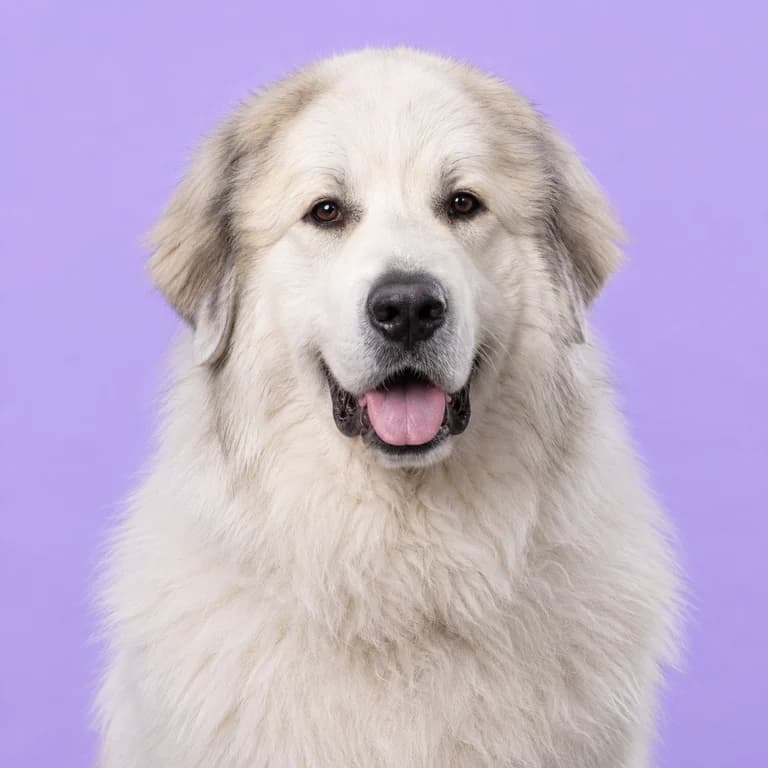
Working group
Great Pyrenees
38 to 60 kg · 10 to 12 years
A calm white giant that sleeps through the afternoon and patrols through the night, exactly as it was bred to.
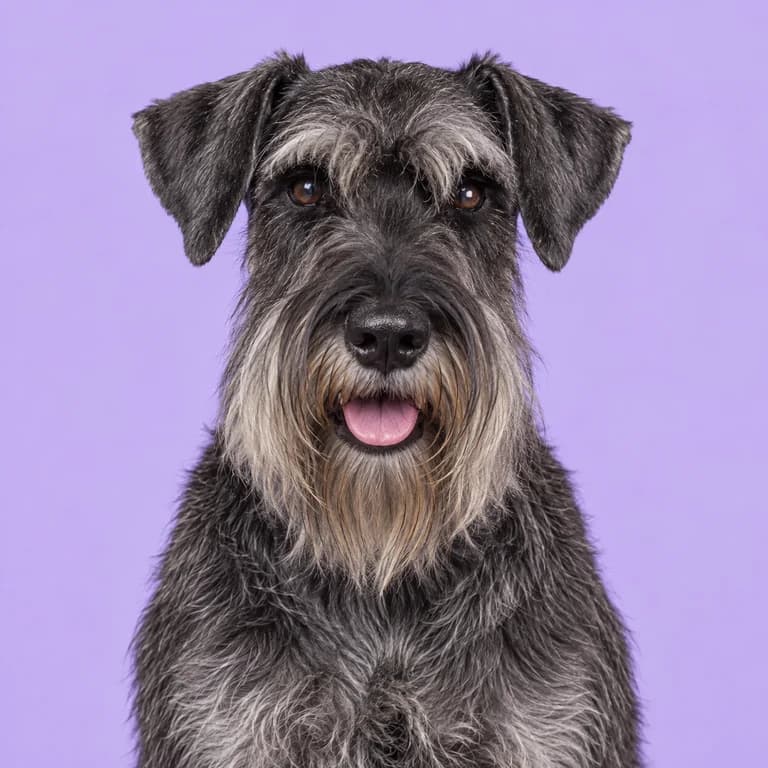
Working group
Standard Schnauzer
14 to 20 kg · 13 to 16 years
The original Schnauzer, a bearded German farm dog whose wiry coat looks its best when it is plucked by hand.
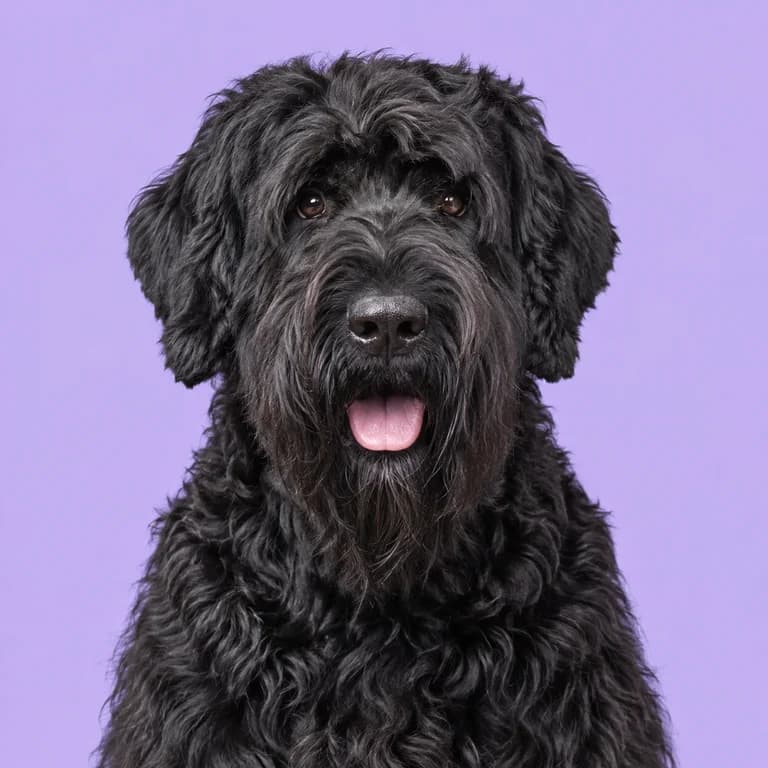
Working group
Black Russian Terrier
45 to 60 kg · 10 to 12 years
A guardian designed by the Soviet army from a mix of breeds, calm at home and serious at the gate.
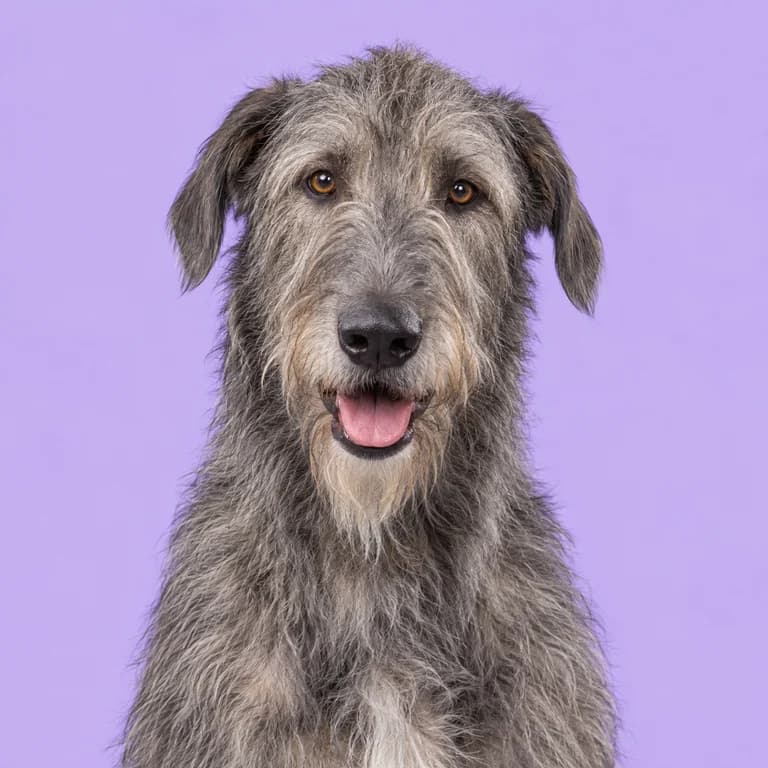
Hound group
Irish Wolfhound
45 to 70 kg · 6 to 8 years
Once a hunter of wolves, the Irish Wolfhound is now a soft-natured giant that towers over every other hound.
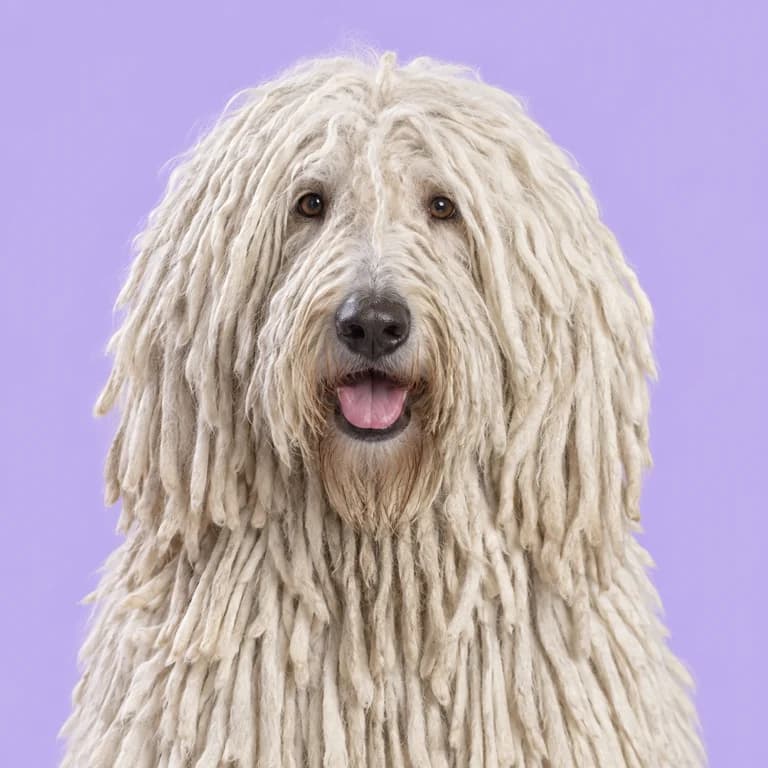
Working group
Komondor
40 to 60 kg · 10 to 12 years
A Hungarian flock guardian wrapped in heavy white cords, serious about its job and slow to trust outsiders.
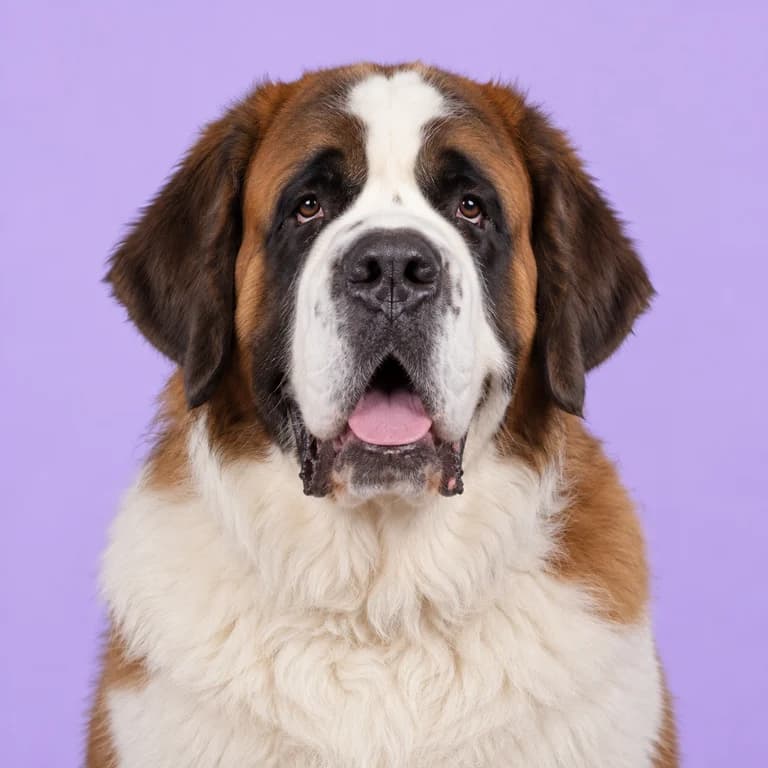
Working group
Saint Bernard
54 to 82 kg · 8 to 10 years
A gentle mountain giant whose size, drool and cold-weather coat shape every part of daily life.