Sources for this article
Working group · Germany
Giant Schnauzer
Also called Riesenschnauzer, Munich Schnauzer
A powerful, clever working dog that thrives on structure and a job, and makes up its own without them.
The Giant Schnauzer was developed in Bavaria to drive cattle and guard farms, butchers and breweries, and later became a police and military dog. It is intelligent, energetic and protective, with a real need for daily training and exercise. With experienced handling it is a devoted family companion; without it, it can be a lot of dog.
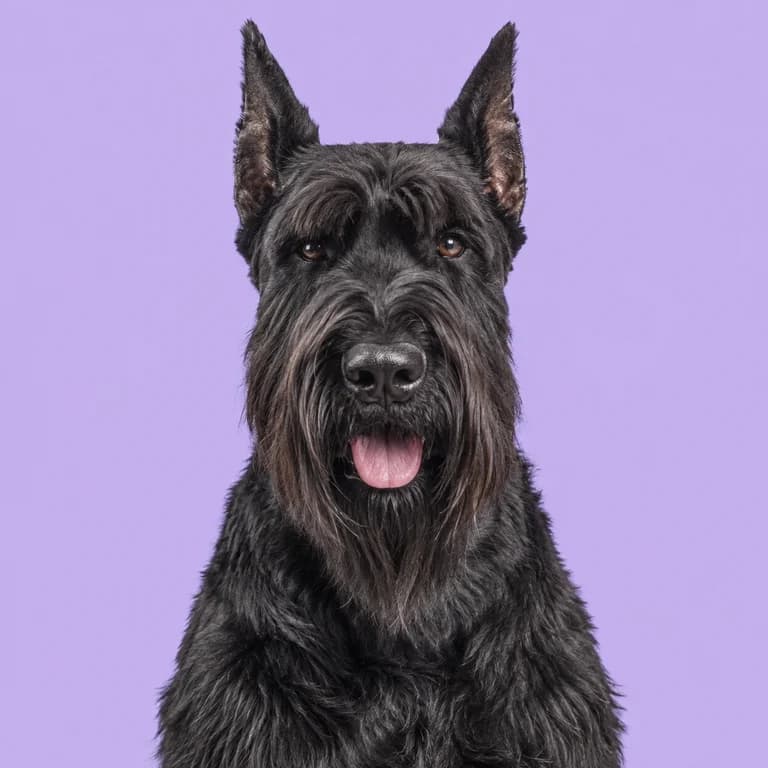
Original AI-generated breed illustration
Weight
25 to 45 kg
55 to 99 lb
Height
60 to 70 cm
at the shoulder
Life expectancy
10 to 12 yrs
Activity estimate
120 to 150 min
editorial daily planning range
Adult-size estimate
24 months
approximate model input
Life with a Giant Schnauzer
In the 19th century, farmers and cattle dealers in southern Bavaria wanted a larger version of the Standard Schnauzer to drive livestock to market. Crosses with local herding dogs, and probably Great Danes, produced a big, wire-coated dog that went on to guard butcher shops, breweries and stockyards in and around Munich.
When droving declined, the breed found new work. German police began using Giant Schnauzers early in the 20th century, and they have since served in police, military and search roles. That background shaped a dog that is alert, bold and quick to learn, with a strong urge to protect its family and territory.
At home, a well-raised Giant is loyal and affectionate with its people, often playful well into adulthood and calm once its needs are met. It is not a dog for a passive owner. Without training and a routine, its intelligence and confidence can turn into pushiness, guarding or destruction, and its size makes every mistake harder to manage.
What stands out
Training
Training is the heart of owning a Giant Schnauzer. These dogs learn quickly, remember everything and need a clear framework. They respond best to consistent, reward-based methods with firm boundaries, and they notice inconsistency immediately.
Read the full training guideEasy to train
Open with strangers
Good with other dogs
A great match for
- experienced, active owners
- dog sports enthusiasts
- homes with secure fencing
- owners who want a protective companion
Think twice if
- needs daily training and structure
- suspicious of strangers without socialization
- can be bossy with other dogs
- grooming every 6 to 8 weeks
- boisterous, powerful adolescents
Personality and needs at a glance
Living together
Good with children
Good with other dogs
Open with strangers
Apartment friendly
Copes with alone time
Energy and character
Energy level
Playfulness
Easy to train
Barking
5 means very vocal
Care and climate
Grooming needs
Shedding
Drooling
Handles cold
Handles heat
How much a Giant Schnauzer eats
Illustrative calculations for neutered adults at midpoint breed weights, with food at 370 kcal per 100 g and 100 g per cup. These are not measured breed requirements. Use actual weight, the food label and veterinary body-condition advice.
| Dog | Weight | Calories | Dry food |
|---|---|---|---|
| Female, relaxed lifestyle | 30 kg | 1260 kcal | 340 g (3.5 cups) |
| Female, typical pet | 30 kg | 1440 kcal | 390 g (4 cups) |
| Male, typical pet | 39 kg | 1730 kcal | 470 g (4.8 cups) |
| Male, very active | 39 kg | 2160 kcal | 585 g (5.8 cups) |
Care guides for the Giant Schnauzer
Things owners are often surprised by
- 1The largest of the three schnauzer breeds, alongside the Standard and the Miniature
- 2Once widely known as the Munich Schnauzer because of its link with Bavarian breweries and butchers
- 3Recognized as a police working breed in Germany in 1925
- 4Pepper and salt coats are made of banded hairs, each with light and dark sections
- 5Pet dogs are usually clipped, while show dogs are hand-stripped to keep the harsh texture
Giant Schnauzer questions
Is a Giant Schnauzer a good family dog?
For an active, experienced family, yes. Giants are loyal and playful with their own people and can be gentle with children they grow up with. Their size and exuberance can overwhelm toddlers, and their protective streak needs managing when children bring friends home. They do best when one adult leads the training and everyone follows the same rules.
Do Giant Schnauzers shed?
Very little compared with double-coated breeds. Dead hair stays in the wiry coat until it is brushed, stripped or clipped out, which makes them popular with people who dislike hair on furniture. The trade-off is that regular grooming is essential, or the coat mats. Some allergy sufferers tolerate them better than other breeds, but reactions vary from person to person.
What is the difference between clipping and hand-stripping?
Clipping cuts the hair with electric clippers, which is quick and affordable but softens the coat and can fade the color over time. Hand-stripping pulls dead hair out by hand or with a stripping knife, which keeps the harsh texture and deep color. It takes hours and real skill, so most pet owners choose clipping while show exhibitors strip.
Are Giant Schnauzers aggressive?
They are protective rather than aggressive by nature. A well-bred, well-socialized Giant is confident and discerning: friendly with invited guests, alert to anything unusual. Problems usually come from missed socialization, inconsistent training or boredom. Some can be domineering with other dogs, especially of the same sex, so manage introductions carefully.
Can Giant Schnauzers live in apartments?
It is far from ideal. They need a lot of exercise and mental work, and their size and territorial barking can cause friction in shared buildings. An experienced owner who commits to two or more hours of activity a day can make it work, but a house with a secure garden is much easier for both dog and owner.
Popular answers for owners
- Exercise and playCan you over exercise a puppy?
- Puppy feeding and growthAt what age can puppies eat dry kibble?
- Bowls and feeding gearIs it safe to leave a dog alone with an automatic feeder?
- Puppy feeding and growthHow much should my puppy weigh at 3 months?
- Puppy feeding and growthWhat size kibble is right for a small breed puppy?
- Puppy feeding and growthWhy does diet matter for a puppy's growth plates?
Breeds you might compare
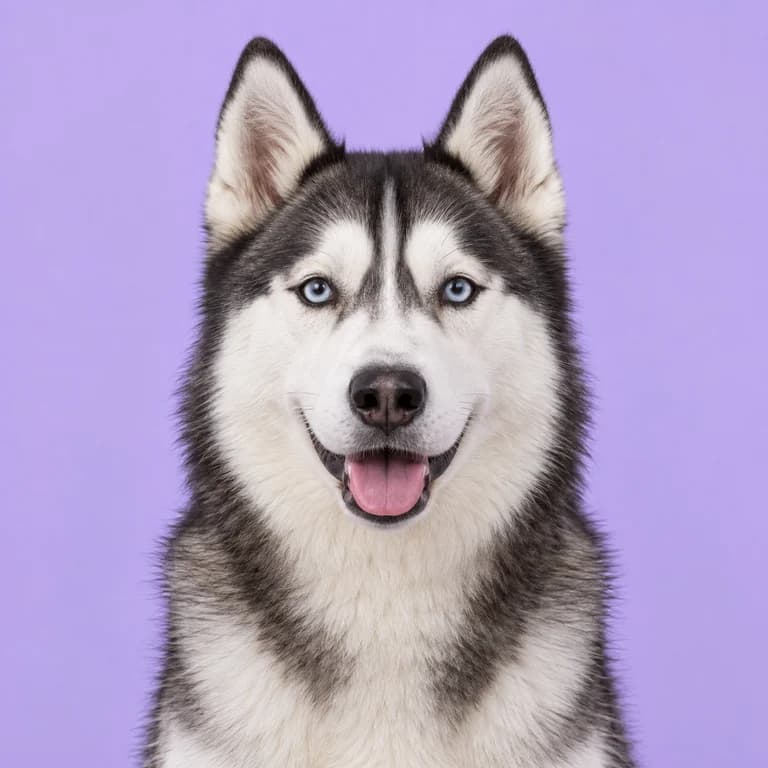
Working group
Siberian Husky
16 to 27 kg · 12 to 14 years
Built to pull light loads over huge distances, this friendly sled dog needs a real outlet or invents its own.
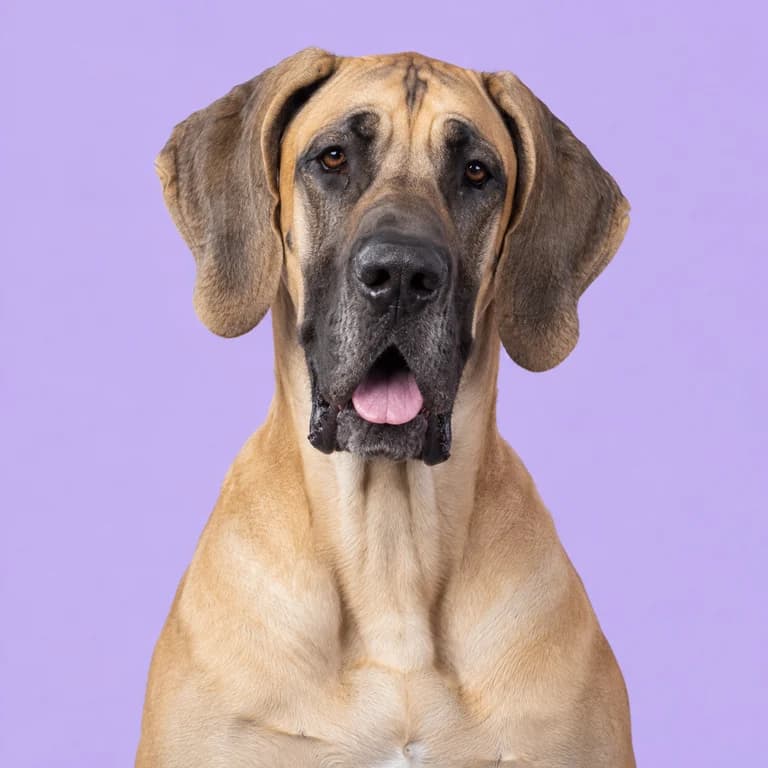
Working group
Great Dane
50 to 79 kg · 7 to 10 years
A dog the height of a small pony that would rather lean on you than guard anything.
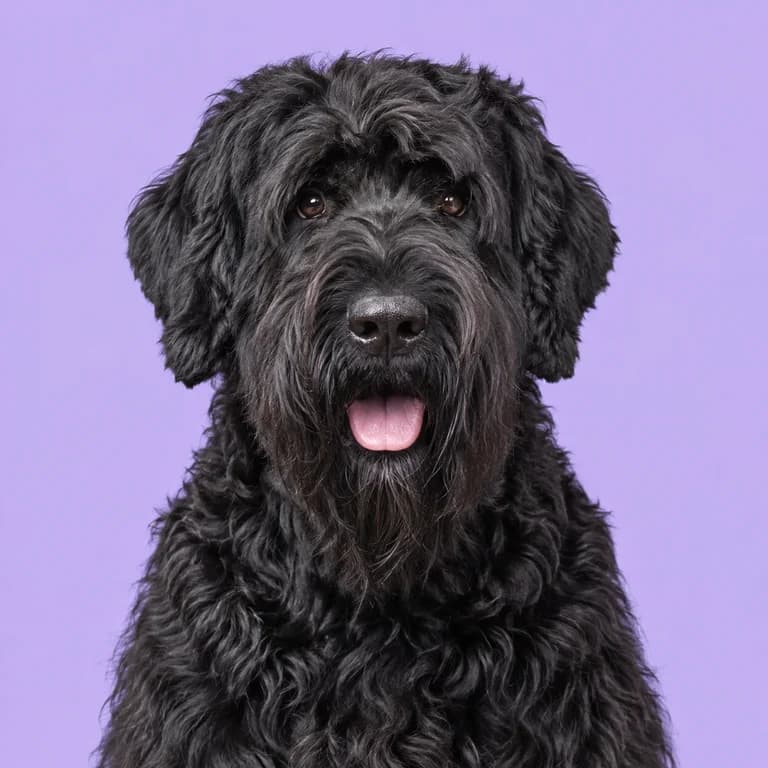
Working group
Black Russian Terrier
45 to 60 kg · 10 to 12 years
A guardian designed by the Soviet army from a mix of breeds, calm at home and serious at the gate.
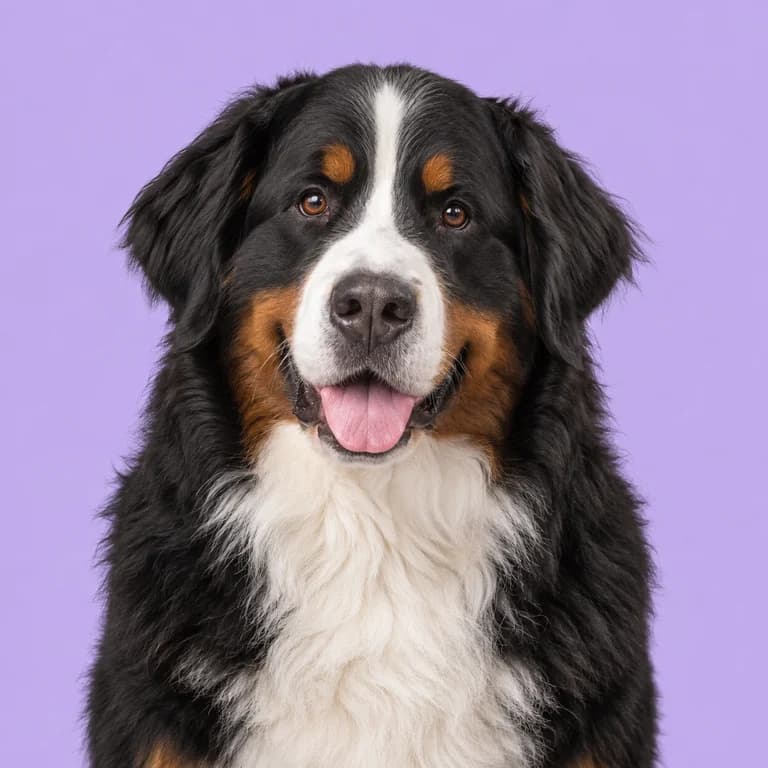
Working group
Bernese Mountain Dog
34 to 50 kg · 7 to 10 years
A gentle Swiss farm dog with a huge heart and a short average life that owners should understand before they fall in love.
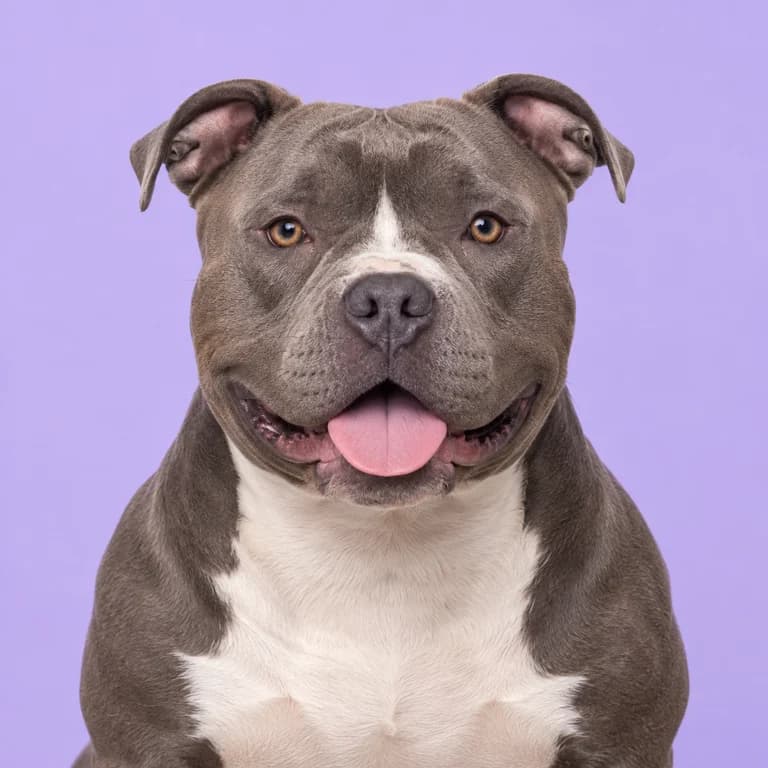
Non-sporting group
American Bully
20 to 36 kg · 10 to 12 years
A muscular American companion breed whose friendly nature is best served by moderate build and careful breeding choices.
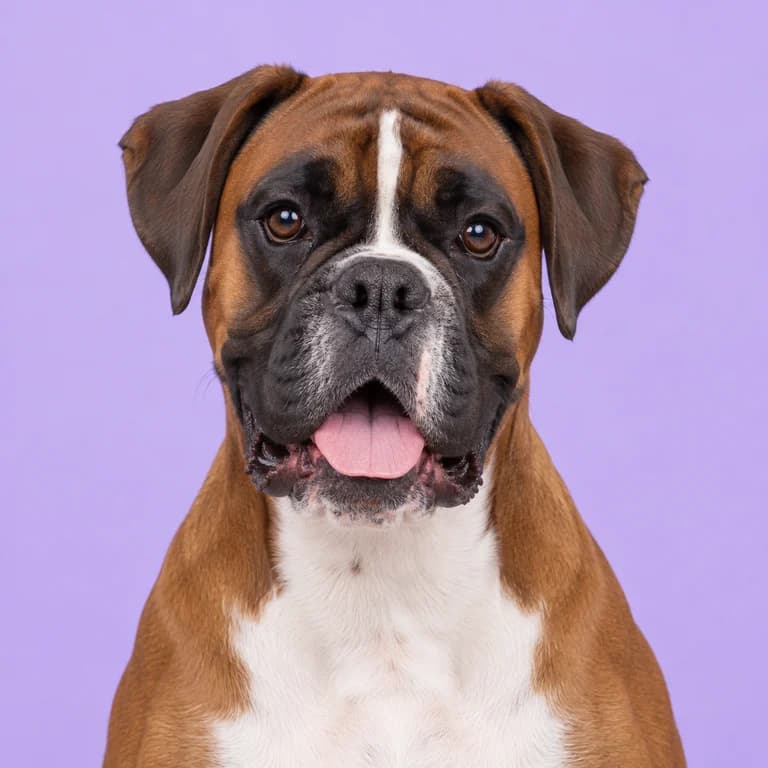
Working group
Boxer
25 to 36 kg · 10 to 12 years
A square, springy German guard dog that treats every morning like the start of a party.