Sources for this article
Hound group · Middle East (Fertile Crescent)
Saluki
Also called Persian Greyhound, Gazelle Hound
Bred for thousands of years to course gazelle across open desert, the Saluki brings a sprinter's heart to your sofa.
Salukis are among the oldest recognizable types of sighthound, prized by desert peoples across the Middle East as hunting partners and companions. Graceful, reserved and very fast, they are gentle and quiet at home but driven by a chase instinct that shapes every walk.
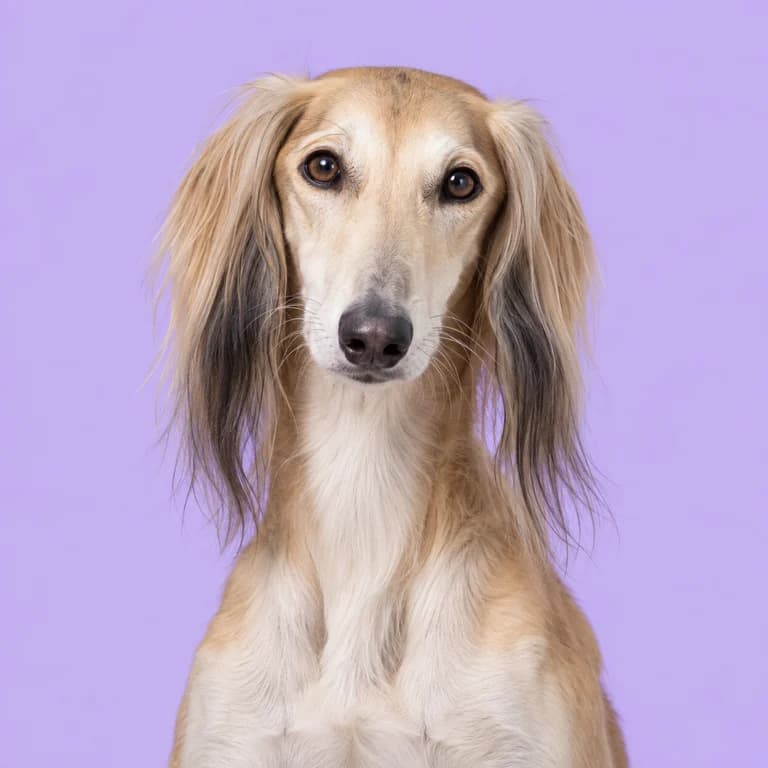
Original AI-generated breed illustration
Weight
16 to 29 kg
35 to 64 lb
Height
53 to 71 cm
at the shoulder
Life expectancy
12 to 14 yrs
Activity estimate
90 to 120 min
editorial daily planning range
Adult-size estimate
18 months
approximate model input
Life with a Saluki
Long before kennel clubs existed, tribes across a vast area from Arabia to Persia bred hounds that could run down gazelle and hares over open ground, sometimes working alongside trained falcons. These dogs were valued so highly that they were given as gifts between leaders, and they are said to have been exempted from the general disdain for dogs in parts of the region. Similar long-legged hounds appear on ancient artifacts, and the Saluki is often described as one of the oldest recognizable dog types in the world.
Because different tribes bred them across thousands of kilometers, Salukis vary widely in size, coat and color, and breed standards deliberately allow for that. Some are feathered, some are smooth; some stand 58 cm at the shoulder, others 71 cm. Western breeders began importing them in the late 1800s and early 1900s, and the modern breed grew from those dogs and later imports.
At home a Saluki is quiet, clean and gentle. Most are affectionate with their family but independent, preferring to lie near you rather than on top of you. They are reserved with strangers and tend to dislike loud, chaotic households. Outdoors, the urge to chase anything that moves fast switches on instantly and completely.
Owners often call them cat-like: dignified, fond of comfort, fussy about the best spot on the sofa and perfectly able to ignore a request when something more interesting catches their eye.
A great match for
- calm adult households
- owners with access to safe, fenced areas for running
- people who value a quiet, gentle companion
- experienced sighthound owners
Think twice if
- very strong chase instinct and unreliable recall
- can clear low fences
- feels the cold and needs soft bedding
- reserved or aloof with strangers
- dislikes rough handling and noisy homes
Personality and needs at a glance
Living together
Good with children
Good with other dogs
Open with strangers
Apartment friendly
Copes with alone time
Energy and character
Energy level
Playfulness
Easy to train
Barking
5 means very vocal
Care and climate
Grooming needs
Shedding
Drooling
Handles cold
Handles heat
How much a Saluki eats
Illustrative calculations for neutered adults at midpoint breed weights, with food at 370 kcal per 100 g and 100 g per cup. These are not measured breed requirements. Use actual weight, the food label and veterinary body-condition advice.
| Dog | Weight | Calories | Dry food |
|---|---|---|---|
| Female, relaxed lifestyle | 20 kg | 910 kcal | 245 g (2.5 cups) |
| Female, typical pet | 20 kg | 1040 kcal | 280 g (2.8 cups) |
| Male, typical pet | 25 kg | 1230 kcal | 335 g (3.3 cups) |
| Male, very active | 25 kg | 1540 kcal | 415 g (4.3 cups) |
Care guides for the Saluki
Things owners are often surprised by
- 1Bedouin tradition is often credited with calling the Saluki el hor, the noble one, and treating it differently from ordinary dogs
- 2Hounds resembling Salukis appear in ancient Egyptian and Mesopotamian art, although a direct line of descent is hard to prove
- 3Often credited with top speeds around 65 km/h (40 mph), and admired even more for stamina over long distances
- 4The UK Kennel Club recognized the breed in 1923, after imports from the Middle East in the early 1900s
- 5Healthy Salukis naturally show hip bones and a few ribs, which often alarms people new to sighthounds
Saluki questions
Can a Saluki ever be trusted off lead?
Some can in specific, fully fenced spaces, but very few are reliable in open country. The chase instinct is powerful, and a Saluki may run after a hare or deer for kilometers without looking back. Most owners use enclosed fields, dog parks with high fences or lure coursing events for off-lead exercise, and a long line elsewhere.
Why does my Saluki look so thin?
Salukis are naturally lean, and visible hip bones plus the last two or three ribs are normal for the breed. A Saluki at a healthy weight often looks thin to people used to Labradors. Ask your vet to assess body condition with sighthound norms in mind. Sudden weight loss, a change in appetite or low energy should always be checked.
Are Salukis good with cats?
Some live happily with cats they were raised with, especially calm indoor cats. Their chase instinct is strong, though, so introductions must be gradual and supervised, and a cat that runs may still trigger a chase. Many Salukis that accept the family cat indoors will still pursue unfamiliar cats outside. Small pets such as rabbits are best kept fully separate.
What is the difference between a feathered and a smooth Saluki?
Only the coat. Feathered Salukis have longer, silky hair on the ears, tail and backs of the legs, while smooth Salukis have short hair all over. Both varieties share the same body, temperament and history, can appear in the same litter and are judged against the same breed standard.
Do Salukis get cold easily?
Yes. With little body fat and a thin coat, Salukis feel the cold and are often seen wearing coats in winter. Provide a fitted coat for walks in cold or wet weather, soft, raised bedding indoors and a draft-free spot to sleep. Shivering or reluctance to walk in cold weather are signs your dog needs more warmth.
Popular answers for owners
- Bowls and feeding gearShould food and water bowls be next to each other?
- How much to feedHow do I weigh my dog accurately at home?
- Puppy feeding and growthWhat should I feed a puppy during weaning?
- Puppy feeding and growthWhat size kibble is right for a small breed puppy?
- How much to feedMy dog is eating less because of stress or a change at home, what should I do?
- Bowls and feeding gearWhat bowl shape helps a Boston Terrier eat more slowly?
Breeds you might compare
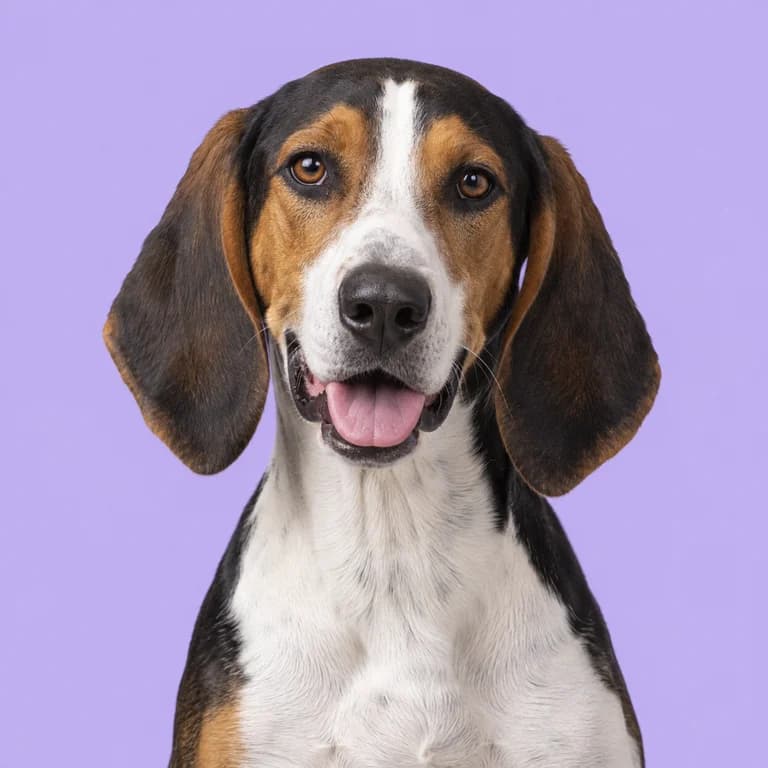
Hound group
Treeing Walker Coonhound
22 to 32 kg · 12 to 13 years
An American night-hunting hound with huge stamina, a voice that carries for miles and a friendly nature.
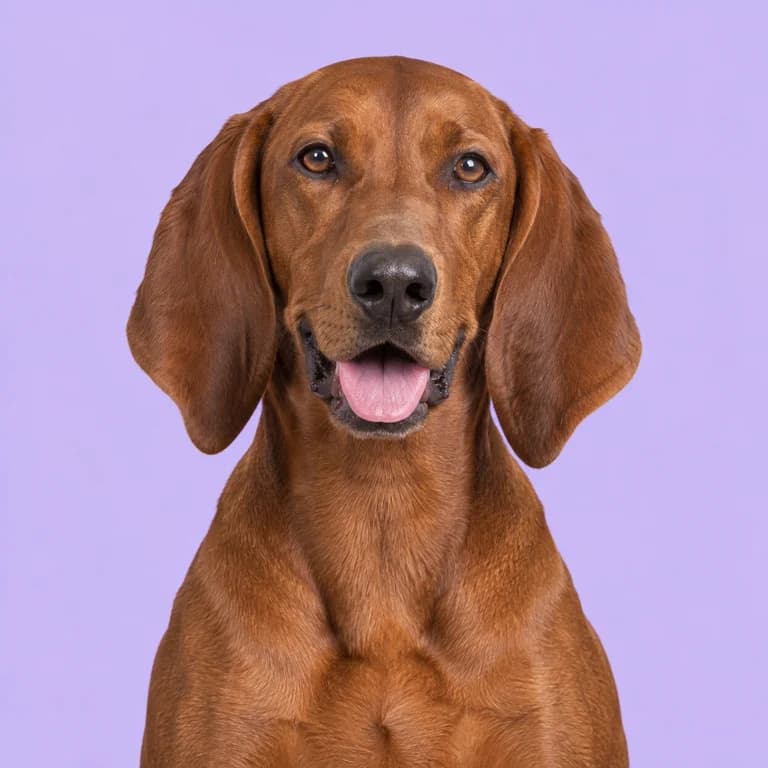
Hound group
Redbone Coonhound
20 to 32 kg · 12 to 15 years
An easygoing sofa companion indoors and a tireless, musical tracker the moment its nose finds a trail outside.
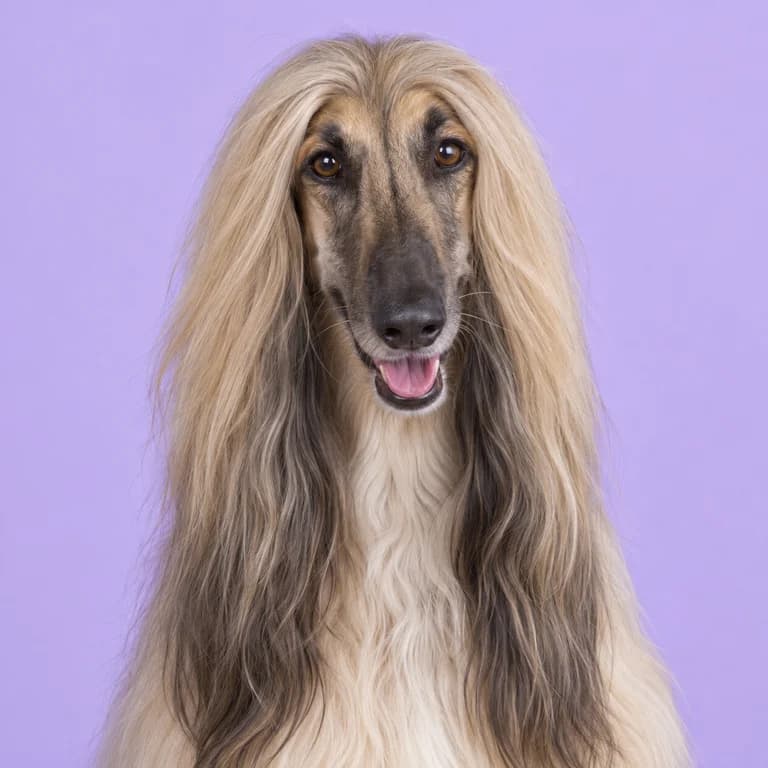
Hound group
Afghan Hound
20 to 30 kg · 12 to 14 years
An elegant sighthound in a floor-length coat that asks for hours of care every single week.
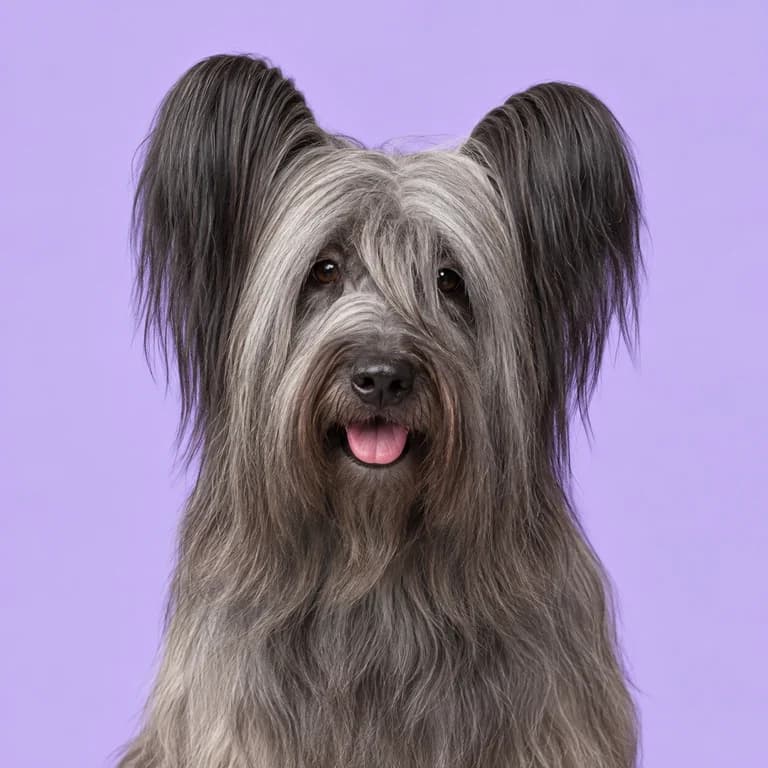
Terrier group
Skye Terrier
11 to 18 kg · 12 to 14 years
A long, low Highland terrier with a flowing coat, a loyal heart and a place in Scottish legend.
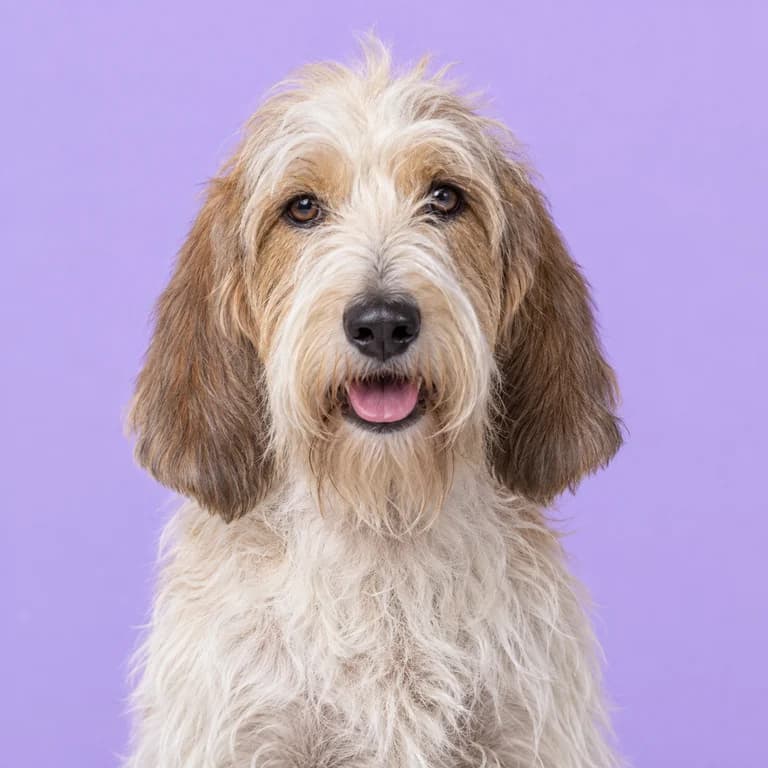
Hound group
Petit Basset Griffon Vendéen
11 to 18 kg · 12 to 15 years
A scruffy, merry French rabbit hound whose nose runs its life and whose tail rarely stops wagging.
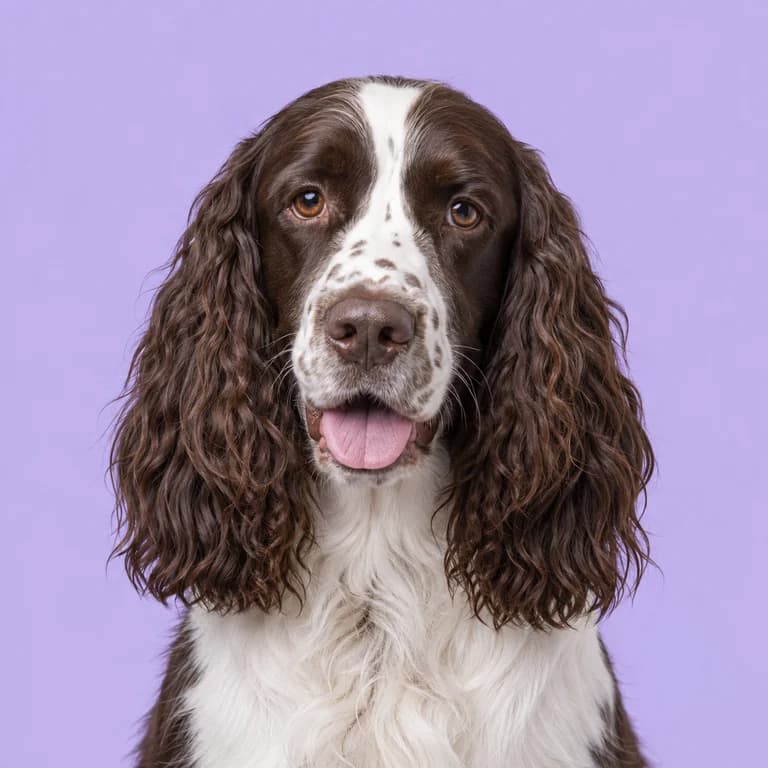
Sporting group
English Springer Spaniel
18 to 25 kg · 12 to 14 years
A tireless flushing spaniel that treats every hedge as a job and every walk as a hunt.