Sources for this article
Toy group · Germany
Affenpinscher
Also called Monkey Terrier, Affen
Barely 4 kg of confidence, a monkey-faced stable ratter that behaves as if nobody told it how small it is.
The Affenpinscher is a toy breed of about 3 to 6 kg (7 to 13 lb) from Germany, with a wiry coat and a face that looks strikingly like a small monkey. It was bred to catch rats, and it has the bold, stubborn attitude of a much larger dog. Its size makes it easy to house and its attitude makes it a handful.
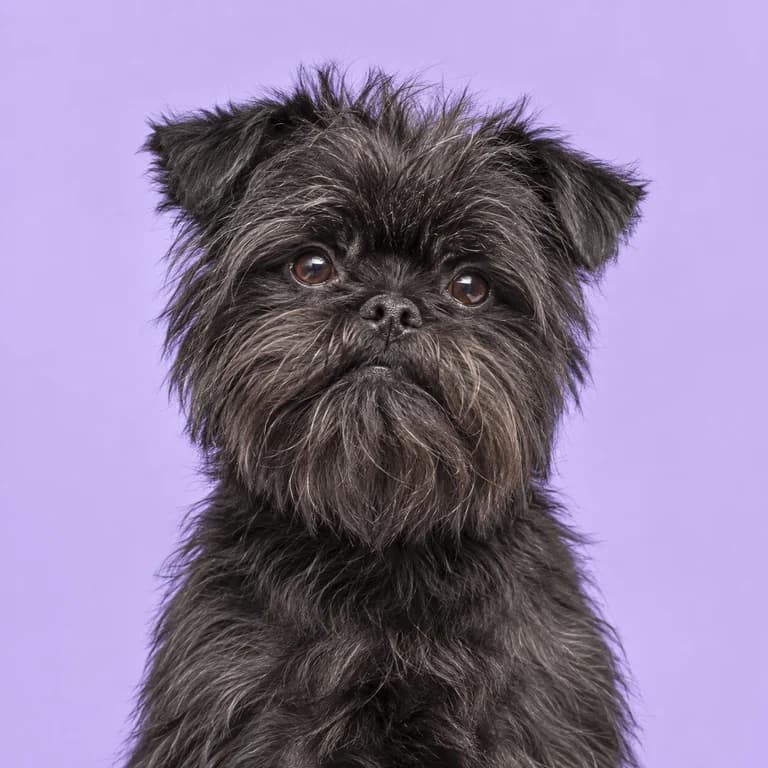
Original AI-generated breed illustration
Weight
3 to 6 kg
7 to 13 lb
Height
23 to 30 cm
at the shoulder
Life expectancy
12 to 15 yrs
Activity estimate
60 to 90 min
editorial daily planning range
Adult-size estimate
10 months
approximate model input
Life with a Affenpinscher
Few dogs make so much of so little. An Affenpinscher weighs about as much as a bag of flour, yet it walks into a room as if it owns the place. That confidence goes back to its working life in 17th-century Germany, where slightly larger versions kept stables, granaries and kitchens clear of rats. Breeders gradually made them smaller, and the little ratters moved into the house as companions and bed-warmers.
The breed is thought to have helped create the Brussels Griffon and may be connected to the Miniature Schnauzer's early history. Numbers fell sharply during the Second World War, and for decades it remained a rare breed. It got a big dose of attention in 2013 when an Affenpinscher named Banana Joe won Best in Show at Westminster.
Living with one is often compared to living with a small comedian. Affens are curious, playful and fond of their people, and they have odd habits such as sitting upright, drumming with their front paws, and staring with great seriousness. They also have a terrier's temper when pushed and little sense of their own size, which matters for safety as much as for behavior.
What stands out
Puppy growth
Affenpinscher puppies grow quickly and usually reach adult height and weight by 9 to 10 months. 2 and 2 kg. Their bones are fine, so jumps from furniture and rough play with larger dogs are real hazards during growth.
Read the full puppy growth guideIllustrative model, not observed breed data or a healthy-weight standard. Use actual measurements and veterinary advice to assess growth.
A great match for
- apartment dwellers
- adult households or families with older children
- owners who like a comic, characterful dog
- people who prefer short walks to long hikes
Think twice if
- a fearless streak that picks fights with big dogs
- guarding of food and toys
- slow housetraining
- discomfort in hot weather because of the short face
Personality and needs at a glance
Living together
Good with children
Good with other dogs
Open with strangers
Apartment friendly
Copes with alone time
Energy and character
Energy level
Playfulness
Easy to train
Barking
5 means very vocal
Care and climate
Grooming needs
Shedding
Drooling
Handles cold
Handles heat
How much an Affenpinscher eats
Illustrative calculations for neutered adults at midpoint breed weights, with food at 370 kcal per 100 g and 100 g per cup. These are not measured breed requirements. Use actual weight, the food label and veterinary body-condition advice.
| Dog | Weight | Calories | Dry food |
|---|---|---|---|
| Female, relaxed lifestyle | 5 kg | 300 kcal | 80 g (0.8 cups) |
| Female, typical pet | 5 kg | 350 kcal | 95 g (1 cups) |
| Male, typical pet | 5 kg | 350 kcal | 95 g (1 cups) |
| Male, very active | 5 kg | 430 kcal | 115 g (1.3 cups) |
Care guides for the Affenpinscher
Things owners are often surprised by
- 1The name comes from the German Affe, meaning monkey
- 2Originally kept in 17th-century German stables and kitchens to catch rats
- 3French speakers nicknamed it the mustached little devil
- 4An Affenpinscher called Banana Joe won Best in Show at Westminster in 2013
- 5Thought to be an ancestor of the Brussels Griffon
Affenpinscher questions
Why is the Affenpinscher called a monkey dog?
Affe is German for monkey, and the breed's flat face, dark round eyes, bushy brows and beard give it a striking resemblance to a small monkey. Its habits add to it: many Affens sit upright, use their front paws to hold toys, and watch people with an intent, almost human expression. The French nickname, mustached little devil, points to its character.
Are Affenpinschers hypoallergenic?
No breed is fully free of allergens, but Affens shed little and their wiry coat holds loose hair until brushed out, which can make them easier for some allergic people. Allergens also come from saliva and skin, so reactions vary. Spend time with adult Affenpinschers before deciding if allergies are a concern.
Is the Affenpinscher related to the Brussels Griffon?
Yes, it is widely believed to be one of the Brussels Griffon's ancestors. Belgian breeders crossed small rough-coated German ratters with local dogs and later toy breeds. The two look alike at first glance, but the Griffon usually has a flatter face and a more sensitive temperament, while the Affen keeps more terrier attitude.
Can an Affenpinscher live with small children?
It is usually better suited to adults or families with children over about 8. A small, fine-boned dog can be injured by a fall or a squeeze, and Affens have little patience with being grabbed or chased. They may snap to protect themselves or their toys. With respectful older children, they are playful and affectionate.
Do Affenpinschers get along with other dogs?
Many do well with other dogs they live with, particularly those raised alongside them. The concern is outside the home: an Affen will often challenge a much larger dog, which can end badly. Careful socialization with calm, gentle dogs and keeping your Affen on lead in busy parks both help.
Popular answers for owners
- Puppy feeding and growthHow do I adjust feeding for a low energy puppy?
- Bowls and feeding gearShould I use a raised mat under an elevated bowl?
- Bowls and feeding gearCan feeding multiple dogs from one big bowl cause problems?
- Exercise and playHow do I know if my dog is bored from lack of exercise?
- Puppy feeding and growthHow much should a 6 week old puppy eat?
- How much to feedIs diet or exercise more important for a dog to lose weight?
Breeds you might compare
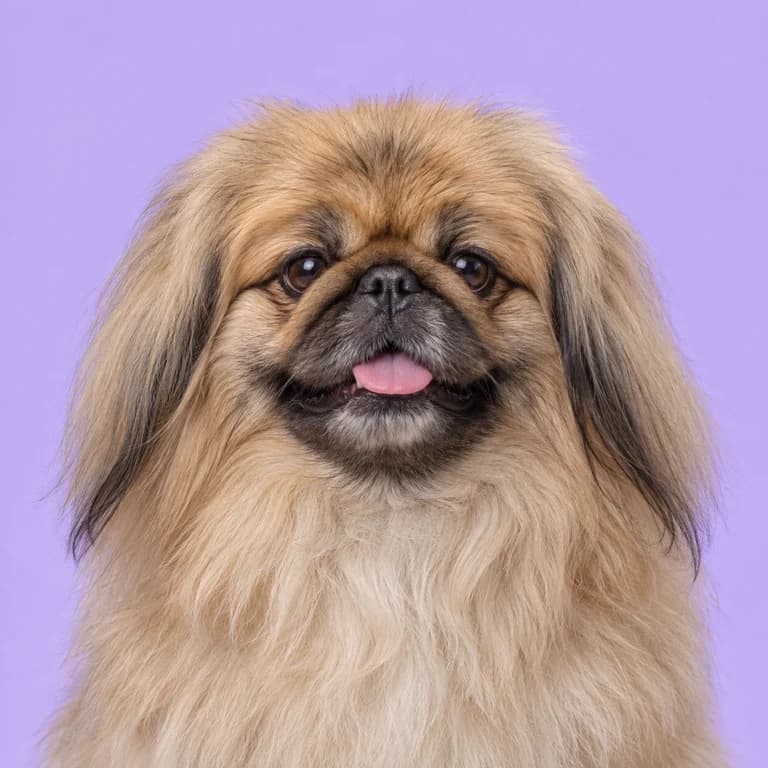
Toy group
Pekingese
3 to 6 kg · 12 to 14 years
A dignified little dog from the Chinese imperial court, whose flat face and heavy coat shape almost every care decision.
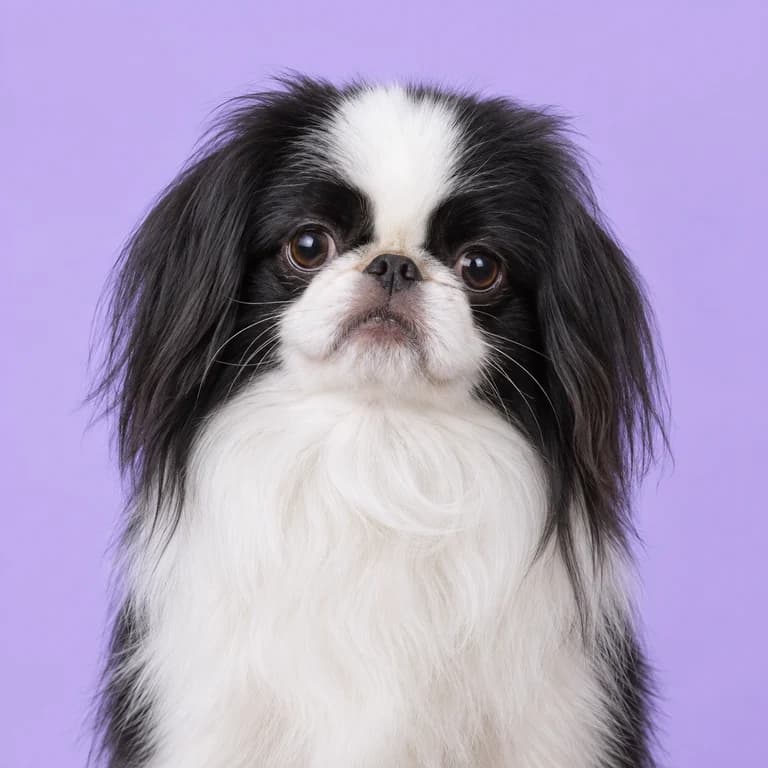
Toy group
Japanese Chin
2 to 5 kg · 10 to 14 years
A quiet, cat-like lap dog that washes its face with its paws and watches from the highest cushion.
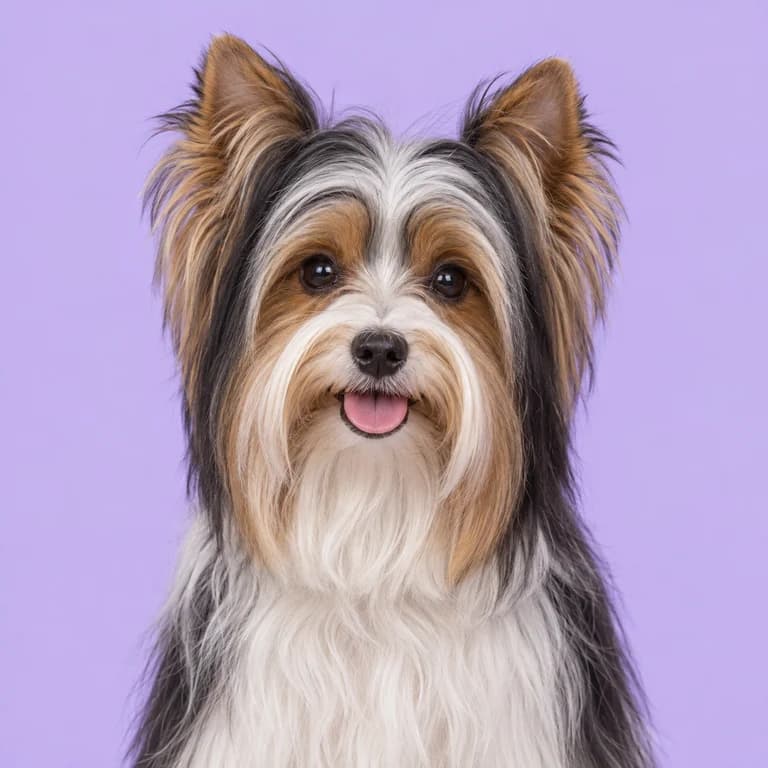
Toy group
Biewer Terrier
2 to 4 kg · 12 to 16 years
A pocket-sized German toy with a tricolor silk coat and a big dog's view of itself.
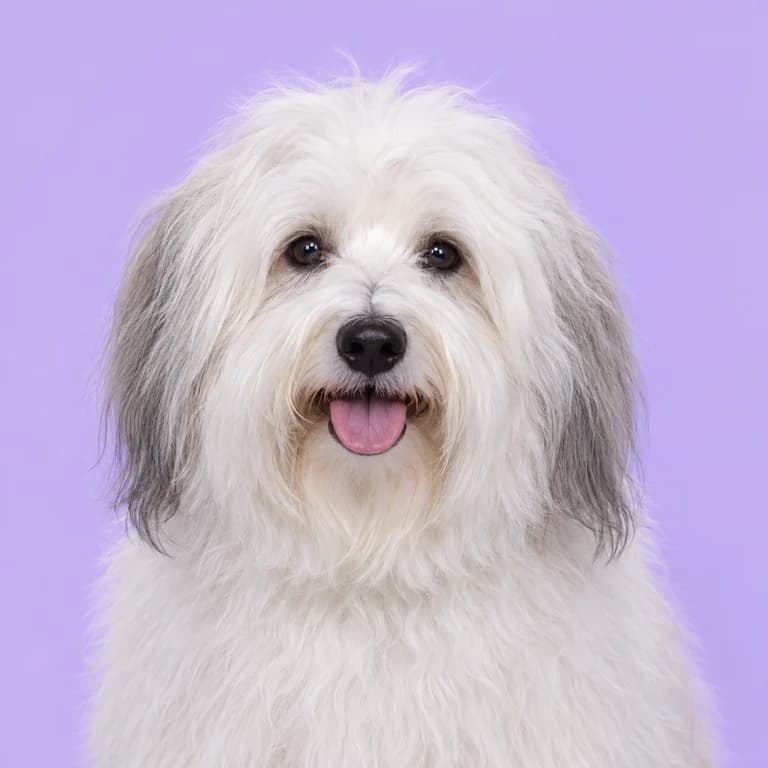
Non-sporting group
Coton de Tulear
4 to 6 kg · 14 to 16 years
A cotton-coated clown from Madagascar whose soft white hair needs daily attention and rewards it generously.
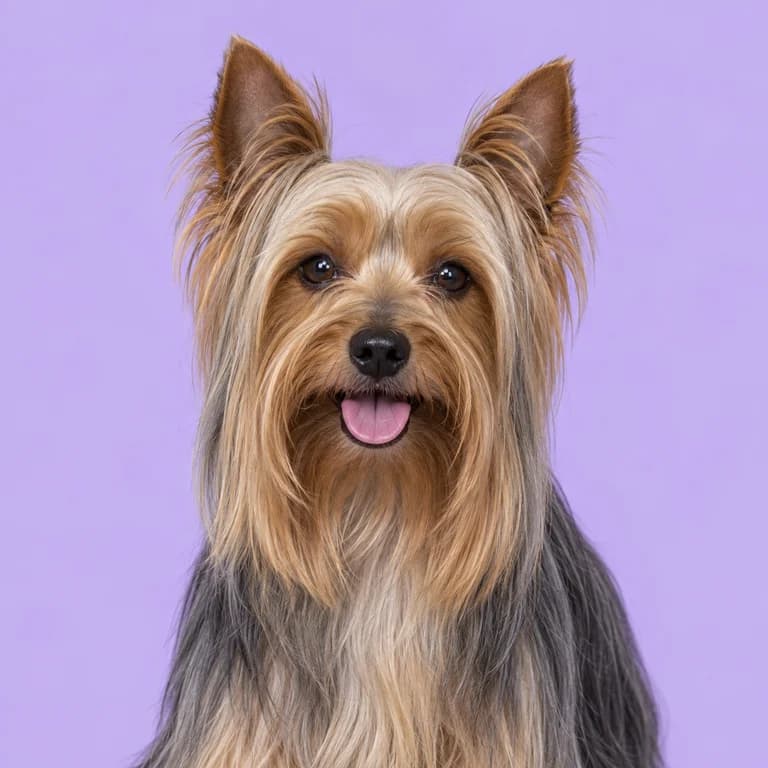
Toy group
Silky Terrier
4 to 5 kg · 13 to 15 years
A true terrier in a toy-sized body, dressed in blue and tan silk and still keen to catch a rat.
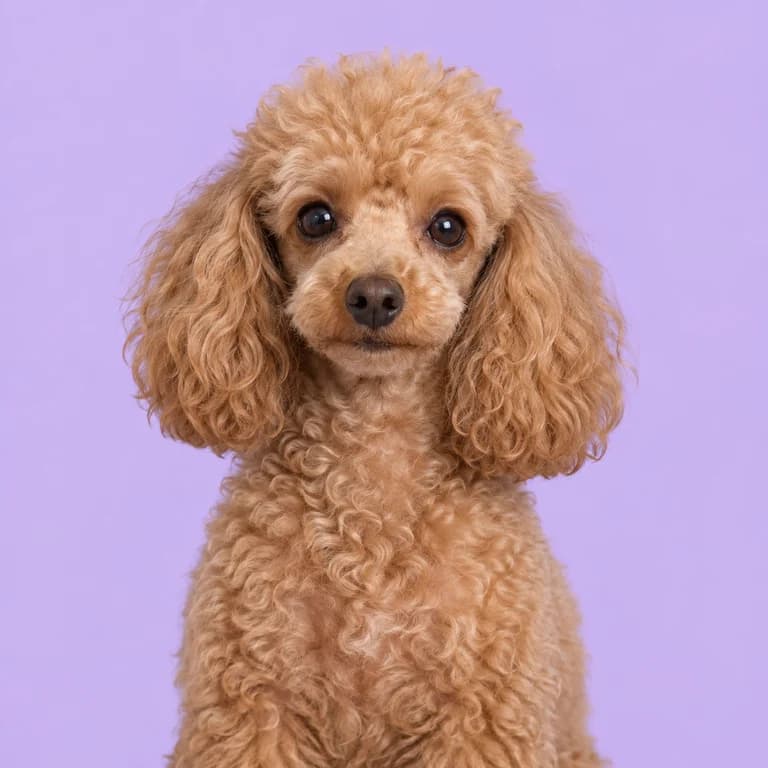
Toy group
Toy Poodle
2 to 4 kg · 14 to 17 years
A full Poodle brain packed into a body under 4 kg, quick to learn and quicker to notice your habits.