Sources for this article
Herding group · United States
Catahoula Leopard Dog
Also called Catahoula, Louisiana Catahoula Leopard Dog, Catahoula Hog Dog
A spotted, glass-eyed working dog from the Louisiana swamps with boundless stamina and an independent streak.
The Catahoula Leopard Dog is Louisiana's state dog, bred to find and hold wild hogs and cattle in dense swamp and woodland. It is strong, fast and tireless, with striking coat patterns and often pale, marbled eyes. It suits experienced, active owners who can offer daily work, confident training and plenty of space.
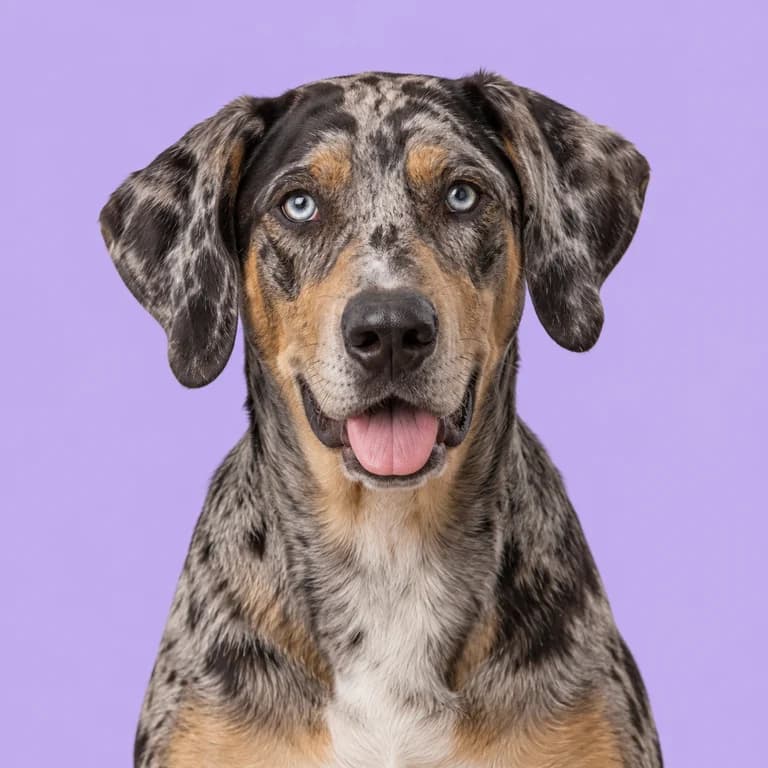
Original AI-generated breed illustration
Weight
18 to 36 kg
40 to 79 lb
Height
53 to 61 cm
at the shoulder
Life expectancy
10 to 14 yrs
Activity estimate
120 to 150 min
editorial daily planning range
Adult-size estimate
18 months
approximate model input
Life with a Catahoula Leopard Dog
Most working breeds were built either to herd or to hunt. The Catahoula was asked to do a bit of both in the swamps and forests of Louisiana: find half-wild cattle and feral hogs in thick cover, then circle and bark to hold them in place until the handler caught up. That job demanded brains, independence and huge stamina, and today's Catahoula still has all three in abundance.
Its origins are genuinely uncertain. The breed is often said to descend from dogs kept by Native American peoples in the region, crossed with mastiffs and sighthounds brought by Spanish explorers in the 1500s and later with dogs of French settlers. What is clear is that families around Catahoula Parish developed a tough, versatile stock dog over generations, and in 1979 Louisiana made it the official state dog.
Away from work, Catahoulas are devoted and affectionate with their own family, often attaching most strongly to one person. They are protective and can be reserved or suspicious with strangers. Some are selective about other dogs, especially of the same sex, and their prey drive means cats and small animals may be chased.
Expect variety even within one litter: coat color, eye color and size all differ, because breeders selected dogs that could do the job rather than dogs that matched. This is a breed that thrives with a purpose and struggles as a purely decorative companion.
What stands out
Exercise
Budget 90 minutes to 2 hours of activity a day for an adult, mixing running, hiking, herding, agility or scent tracking. Mental work matters as much as physical effort, so training sessions, puzzle feeders and problem-solving games belong in every day. A Catahoula with a job, even a made-up one such as fetching named toys, is a far calmer dog at home.
Read the full exercise guideActivity planning estimate
120 to 150 min
editorial estimate, not a prescription
Energy
5 / 5
Playfulness 4 / 5
A great match for
- experienced, very active owners
- farms and rural homes with real work to do
- people involved in herding, tracking or dog sports
- owners who want a watchful, loyal companion
Think twice if
- needs 1.5 to 2 hours of exercise and mental work daily
- independent and can be willful
- may be wary of strangers and selective with other dogs
- deafness risk in merle and mostly white dogs
- turns destructive or escape-prone when bored
Personality and needs at a glance
Living together
Good with children
Good with other dogs
Open with strangers
Apartment friendly
Copes with alone time
Energy and character
Energy level
Playfulness
Easy to train
Barking
5 means very vocal
Care and climate
Grooming needs
Shedding
Drooling
Handles cold
Handles heat
How much a Catahoula Leopard Dog eats
Illustrative calculations for neutered adults at midpoint breed weights, with food at 370 kcal per 100 g and 100 g per cup. These are not measured breed requirements. Use actual weight, the food label and veterinary body-condition advice.
| Dog | Weight | Calories | Dry food |
|---|---|---|---|
| Female, relaxed lifestyle | 24 kg | 1050 kcal | 285 g (2.8 cups) |
| Female, typical pet | 24 kg | 1200 kcal | 325 g (3.3 cups) |
| Male, typical pet | 31 kg | 1450 kcal | 395 g (4 cups) |
| Male, very active | 31 kg | 1820 kcal | 490 g (5 cups) |
Care guides for the Catahoula Leopard Dog
Things owners are often surprised by
- 1Named after Catahoula Parish in Louisiana and made the state dog in 1979
- 2Traditionally used to bay feral hogs and cattle, holding them in place until the handler arrives
- 3Many have glass eyes (pale blue or marbled), and the two eyes can differ in color
- 4Size varies widely, from about 18 to 36 kg (40 to 80 lb), because breeders selected for work rather than looks
- 5Many have noticeably webbed feet, handy in swampy ground
Catahoula Leopard Dog questions
What are glass eyes in a Catahoula?
Glass eyes are pale blue or blue-white eyes, and they are common and fully accepted in the breed. A Catahoula may have two glass eyes, two brown or amber eyes, or one of each. Some have cracked or marbled eyes, where blue and brown appear in the same eye. Eye color on its own does not mean poor sight, but good breeders still have eyes examined.
Is a Catahoula a good family pet?
It can be for an active, experienced family that gives it daily exercise, structure and a job to do. Catahoulas are loyal and affectionate with their own people, but they can be protective and wary of visitors, and some are too intense for households with very young children. Families wanting a relaxed, easy dog are usually happier with another breed.
Why do Catahoulas vary so much in size and color?
The breed was developed by working people who cared about what a dog could do, not what it looked like. As a result, you will see small, light dogs of 18 kg alongside heavy males over 35 kg, and coats ranging from spotted merle to solid black or brindle. That variety is normal, so meeting the parents is the best way to predict what a puppy will become.
What is a double merle Catahoula?
A double merle is a puppy that inherits the merle gene from both parents, which happens when two merle dogs are bred together. These puppies are often mostly white and carry a much higher risk of deafness, blindness or eye defects. Responsible breeders avoid merle-to-merle pairings, so ask about both parents' colors before choosing a puppy.
Do Catahoulas get along with other dogs?
Many live well with other dogs, especially those they grew up with, but some are selective, particularly with dogs of the same sex. Early socializing, careful introductions and supervised play help a lot. Dog parks can be risky for a Catahoula that likes to control other dogs, so judge each situation by your own dog's body language.
Popular answers for owners
- Bowls and feeding gearAre slow feeder bowls safe for flat faced dogs?
- Grooming and coatHow often should I brush my dog?
- How much to feedMy dog lost weight faster than expected, is that a problem?
- Puppy feeding and growthWhat is the right protein level for a growing puppy's food?
- Bowls and feeding gearDo puzzle feeders help with weight control?
- Exercise and playHow do you teach a dog the name of each toy?
Breeds you might compare
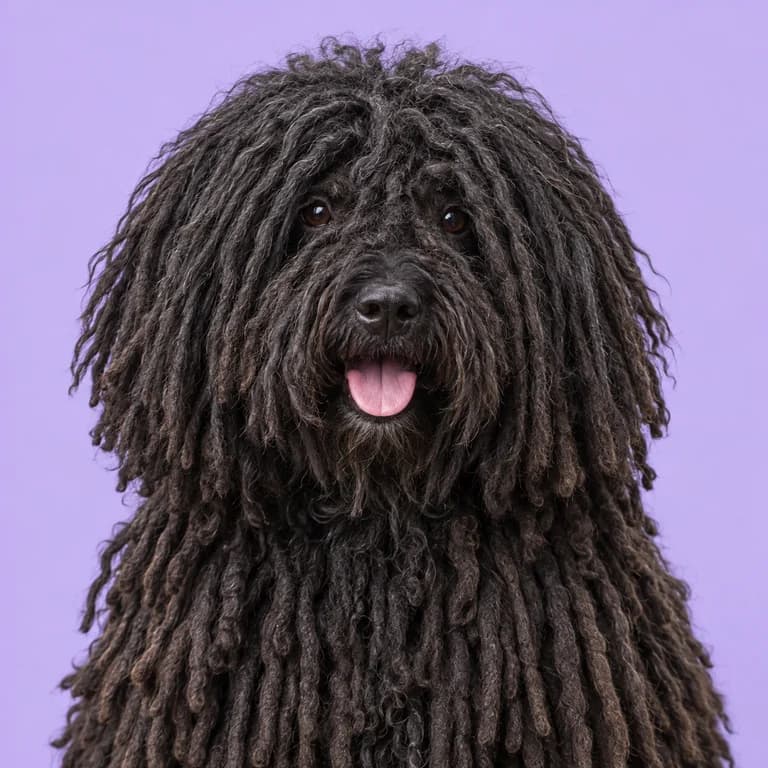
Herding group
Puli
10 to 15 kg · 12 to 16 years
A Hungarian sheepdog wearing its own dreadlocks, quick on its feet and quicker still to notice anything unusual.
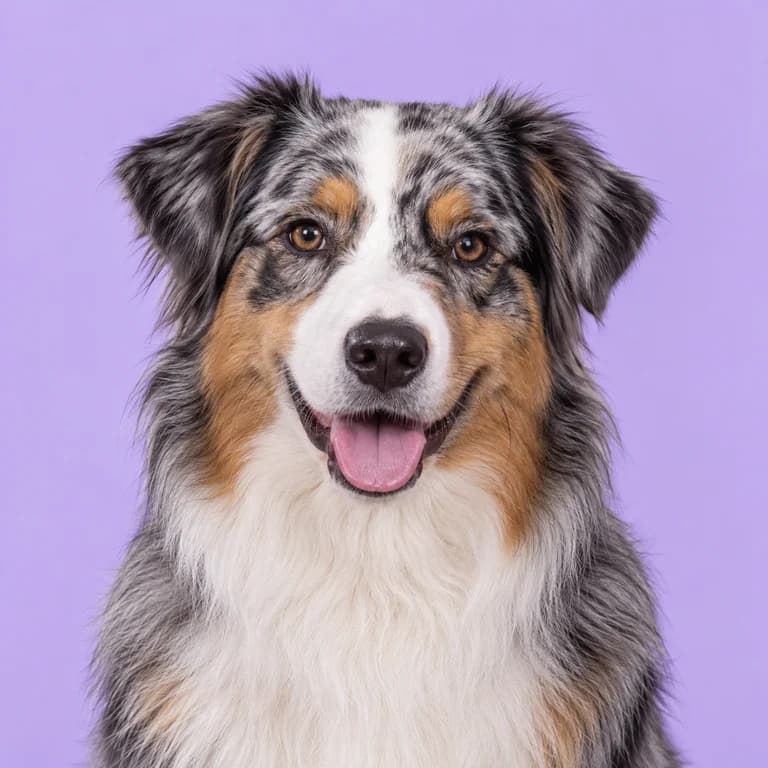
Herding group
Australian Shepherd
18 to 32 kg · 12 to 15 years
A ranch-bred worker with a busy brain, the Aussie wants a daily job and will invent one if you don't.
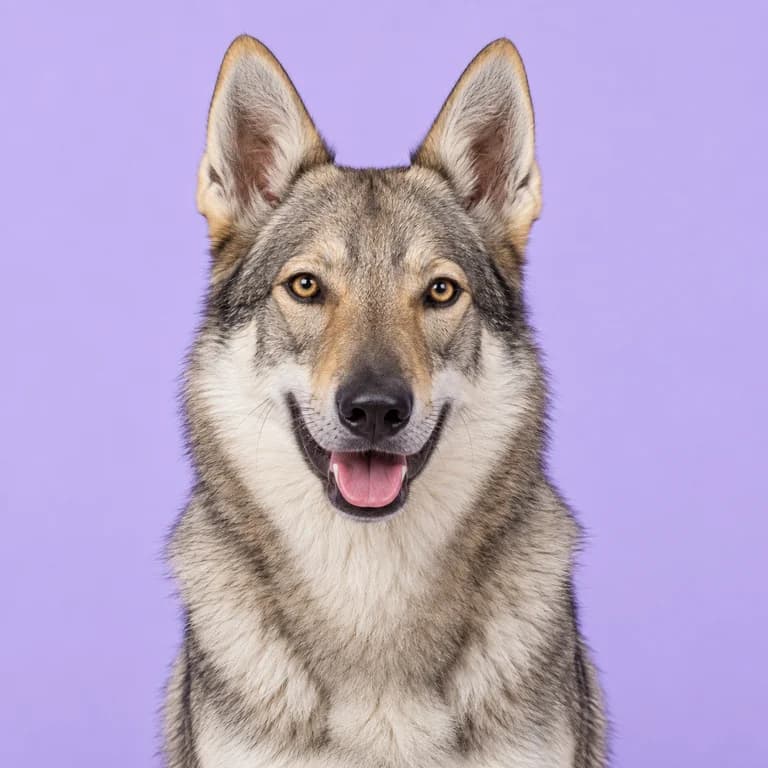
Herding group
Czechoslovakian Wolfdog
20 to 35 kg · 12 to 15 years
A Cold War border experiment that produced a dog with a wolf's look, a wolf's stamina and a mind of its own.
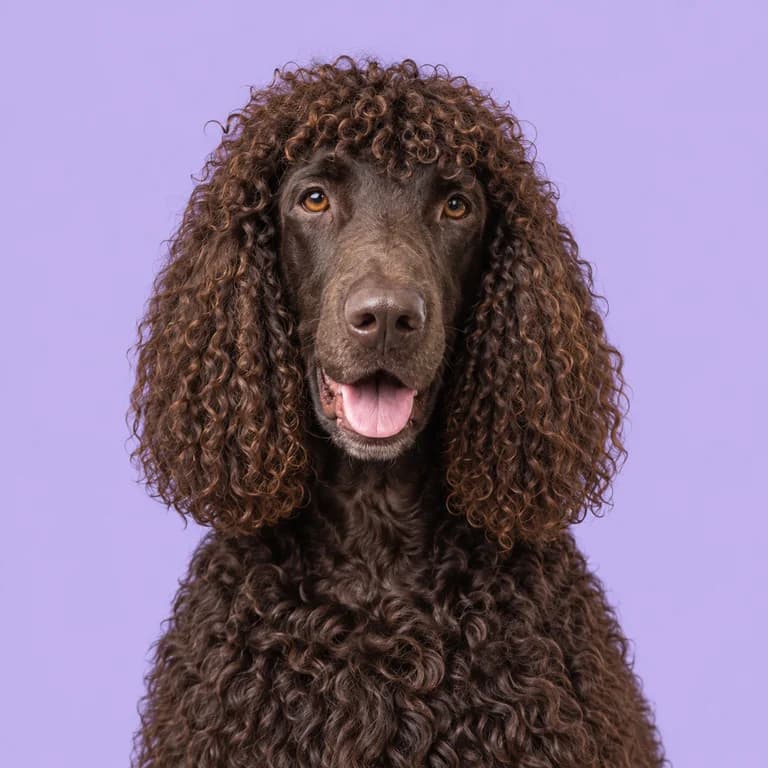
Sporting group
Irish Water Spaniel
20 to 31 kg · 10 to 13 years
The tallest spaniel, dressed in waterproof liver curls and topped with a loose, clownish topknot.
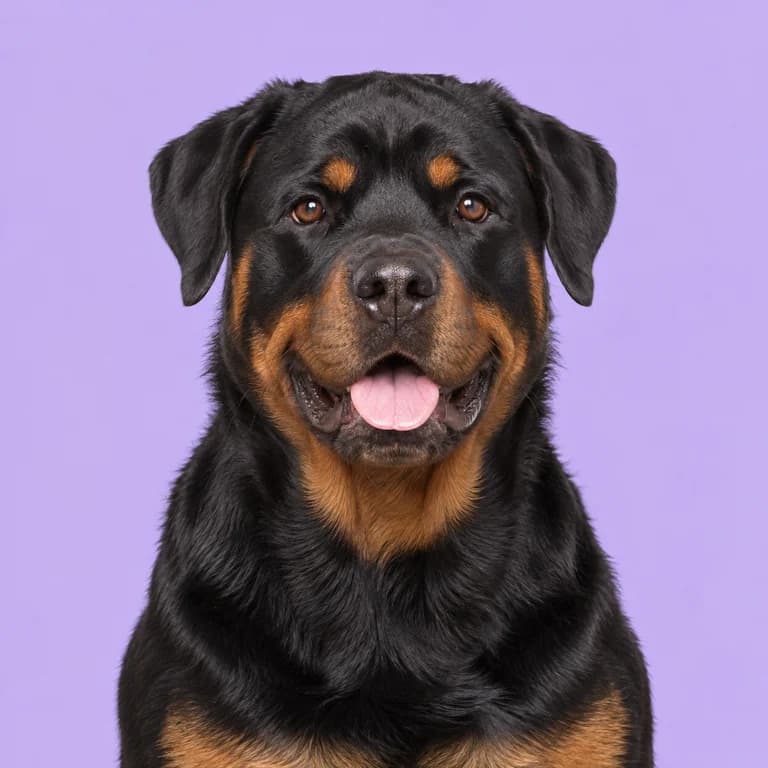
Working group
Rottweiler
35 to 60 kg · 9 to 10 years
A butcher's cattle dog turned devoted guardian, calm at home and quietly watchful of anything unfamiliar.
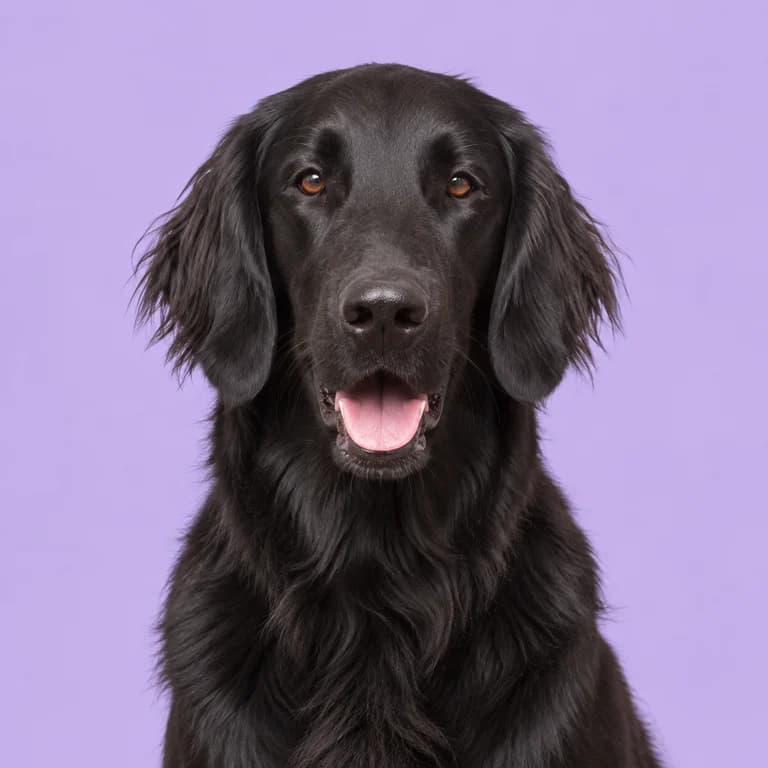
Sporting group
Flat-Coated Retriever
25 to 36 kg · 8 to 10 years
A glossy black gundog with a permanently wagging tail and a boyish enthusiasm that rarely fades.