Sources for this article
Herding group · Czechoslovakia (today Czech Republic and Slovakia)
Czechoslovakian Wolfdog
Also called Czechoslovakian Vlcak, Československý vlčák, CSV
A Cold War border experiment that produced a dog with a wolf's look, a wolf's stamina and a mind of its own.
The Czechoslovakian Wolfdog is a large, lean working dog created in the 1950s by crossing German Shepherds with Carpathian wolves. It is loyal, athletic and intelligent, but also wary of strangers, easily bored and hard to leave alone. It suits experienced owners who can devote real time to training and company.
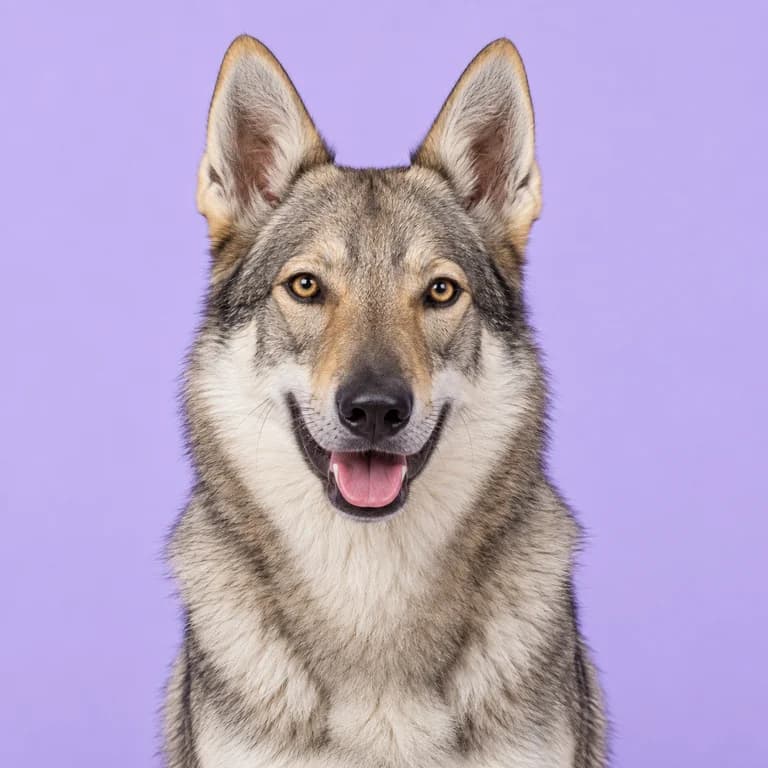
Original AI-generated breed illustration
Weight
20 to 35 kg
44 to 77 lb
Height
60 to 70 cm
at the shoulder
Life expectancy
12 to 15 yrs
Activity estimate
120 to 150 min
editorial daily planning range
Adult-size estimate
24 months
approximate model input
Life with a Czechoslovakian Wolfdog
In 1955 the Czechoslovak army began crossing German Shepherds with wolves from the Carpathian mountains. The aim, under the direction of Karel Hartl, was a patrol dog for the border that combined the shepherd's willingness to work with the wolf's stamina, senses and hardiness. The first litter was born in 1958, and after several generations the dogs were bred only to each other.
The result was used for border patrol, tracking, and later search and rescue. It became a recognized national breed in 1982, and the FCI granted full recognition in 1999. Several generations removed from the original wolves, it is a domestic dog, yet one that still thinks and behaves quite differently from a typical shepherd.
Owners describe an intensely loyal dog that bonds with its household and wants to be part of everything. It is quiet indoors when its needs are met, but it is social in the way a pack animal is social: being alone is genuinely stressful. Strangers are watched carefully and often avoided. This is a rewarding breed for the right home and a difficult one for the wrong home.
What stands out
Training
Czechoslovakian Wolfdogs learn quickly but see little point in repeating the same exercise. Ask for ten sits in a row and many will walk away after three. Short, varied sessions with food rewards and a clear reason for each task work far better than drilled obedience.
Read the full training guideEasy to train
Open with strangers
Good with other dogs
A great match for
- experienced owners of working or primitive breeds
- rural homes with large, secure gardens
- people who run, hike or do tracking sports
- households where someone is home most of the day
Think twice if
- intense distress and destruction when left alone
- escape attempts over or under fences
- strong prey drive toward cats and livestock
- suspicion of strangers that needs careful socializing
Personality and needs at a glance
Living together
Good with children
Good with other dogs
Open with strangers
Apartment friendly
Copes with alone time
Energy and character
Energy level
Playfulness
Easy to train
Barking
5 means very vocal
Care and climate
Grooming needs
Shedding
Drooling
Handles cold
Handles heat
How much a Czechoslovakian Wolfdog eats
Illustrative calculations for neutered adults at midpoint breed weights, with food at 370 kcal per 100 g and 100 g per cup. These are not measured breed requirements. Use actual weight, the food label and veterinary body-condition advice.
| Dog | Weight | Calories | Dry food |
|---|---|---|---|
| Female, relaxed lifestyle | 24 kg | 1060 kcal | 285 g (2.8 cups) |
| Female, typical pet | 24 kg | 1210 kcal | 330 g (3.3 cups) |
| Male, typical pet | 31 kg | 1450 kcal | 395 g (4 cups) |
| Male, very active | 31 kg | 1820 kcal | 490 g (5 cups) |
Care guides for the Czechoslovakian Wolfdog
Things owners are often surprised by
- 1Began as a Czechoslovak army experiment in 1955, led by Karel Hartl
- 2The first litter from a wolf and German Shepherd pairing was born in 1958
- 3Recognized as a national breed in 1982 and fully by the FCI in 1999
- 4Communicates more by howling, whining and body language than by barking
- 5Often not mentally mature until 2 to 3 years old
Czechoslovakian Wolfdog questions
Is a Czechoslovakian Wolfdog a wolf hybrid?
It began as a wolf and German Shepherd cross in the 1950s, but today's dogs are many generations away from those first crosses and are recognized as a domestic breed by the FCI. They still carry more wolf ancestry than most breeds, which shows in their looks, their independence and their dislike of being alone.
Is it legal to own a Czechoslovakian Wolfdog?
In most of Europe it is treated like any other pedigree dog. Some countries, states and local councils regulate wolf-type dogs or dogs with wolf ancestry, and rules change. Before buying, check the rules where you live, including rental agreements and home insurance, and keep your puppy's pedigree papers safe as proof of breed.
Do Czechoslovakian Wolfdogs bark?
Not much. They communicate mainly through howling, whining, growling and a wide range of body language. Howling can be loud and carry a long way, especially when a dog is left alone, which can cause trouble with neighbors. A dog that howls every time you leave is usually distressed and needs gradual alone-time training.
Can a Czechoslovakian Wolfdog live with cats?
Some do, when raised with a specific cat from puppyhood and carefully supervised. Prey drive is strong, and a cat that runs can trigger a chase at any age. Outdoor cats, rabbits, poultry and sheep are at real risk. Many owners find the breed does best with another dog of similar size and energy as its main companion.
Are Czechoslovakian Wolfdogs good for first-time owners?
Generally not. Their independence, late maturity, prey drive and distress when alone demand experience and a lot of time. First-time owners who are committed, work from home and have access to experienced breeders and trainers do sometimes succeed, but many wolfdogs are rehomed because owners underestimated them.
Popular answers for owners
- Grooming and coatHow do I stop my dog's fur from getting sun bleached?
- Puppy feeding and growthIs it bad for a large breed puppy to grow too quickly?
- Puppy feeding and growthWhat size kibble is right for a small breed puppy?
- Puppy feeding and growthHow to predict my puppy's adult weight from its paws?
- Exercise and playWhat size toy should I buy for my dog?
- Bowls and feeding gearWhat size portions can automatic feeders dispense accurately?
Breeds you might compare
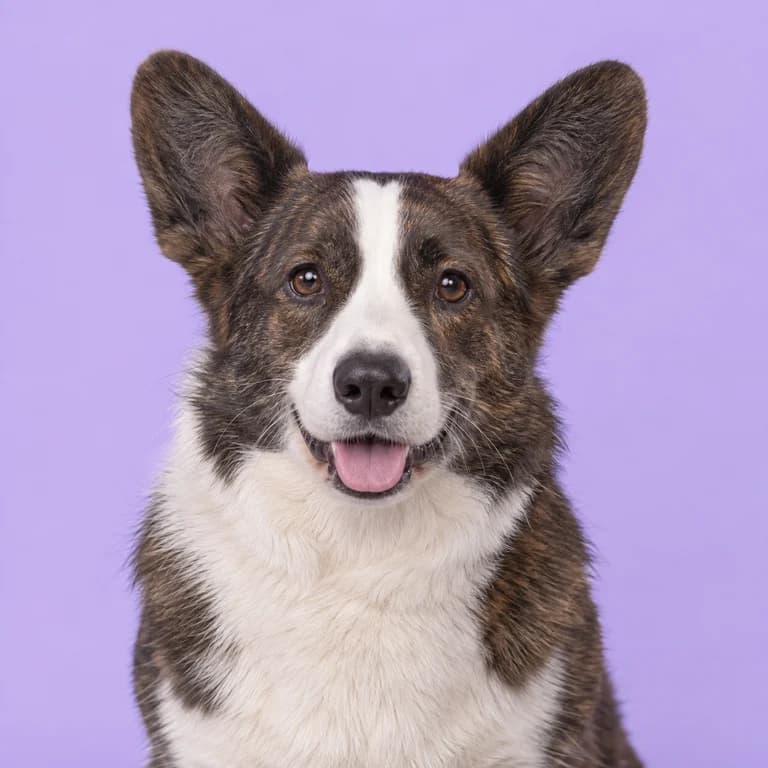
Herding group
Cardigan Welsh Corgi
12 to 17 kg · 12 to 15 years
The older, long-tailed corgi from the Welsh hills, built low to drive cattle and still thinking like a farmhand.
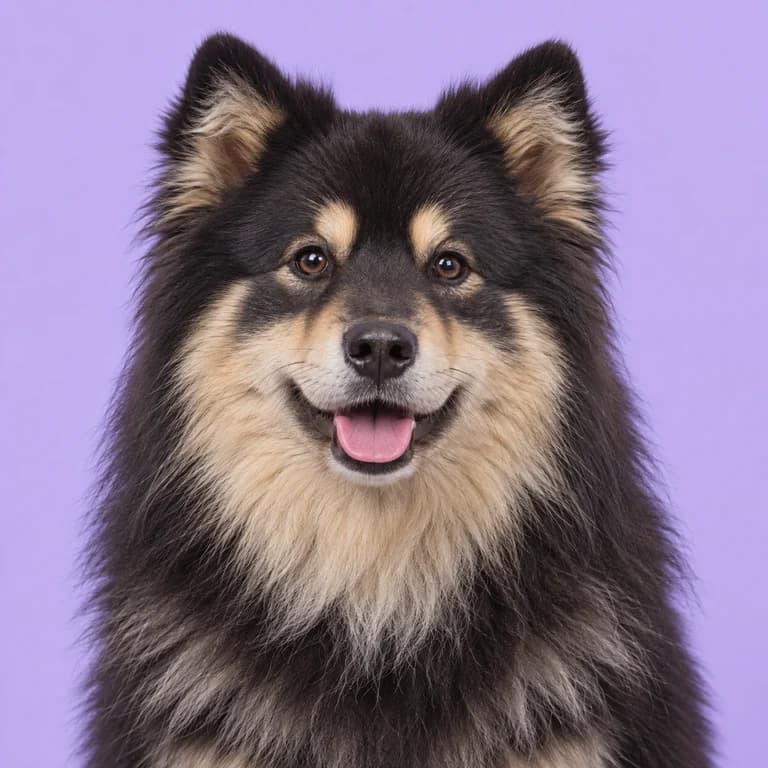
Herding group
Finnish Lapphund
15 to 24 kg · 12 to 15 years
A soft-natured reindeer herder from Lapland that pairs arctic toughness with remarkable gentleness at home.
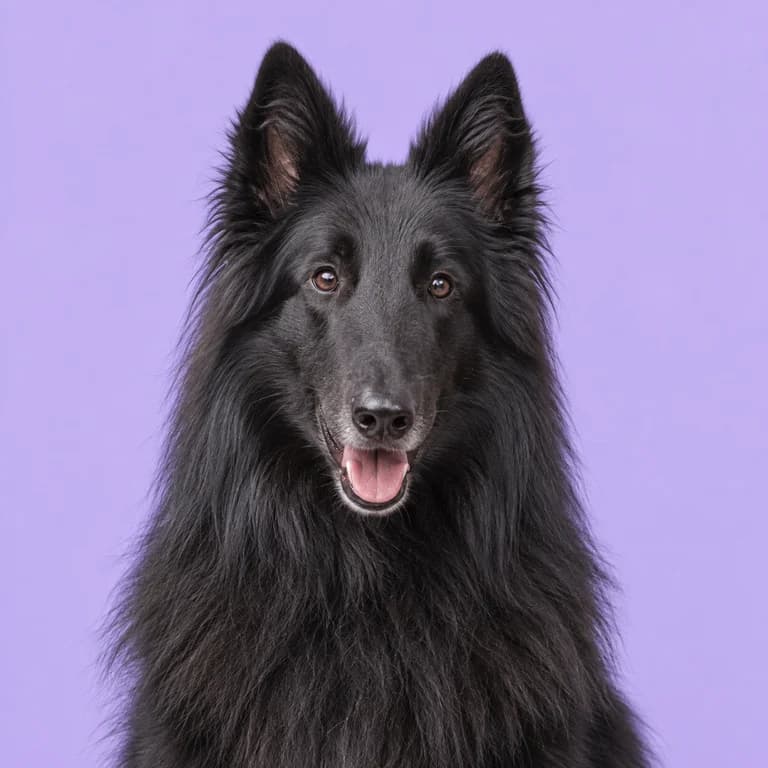
Herding group
Belgian Groenendael
20 to 30 kg · 12 to 14 years
The long-coated black Belgian Shepherd: quick, sensitive and happiest with a job and a handler to share it.
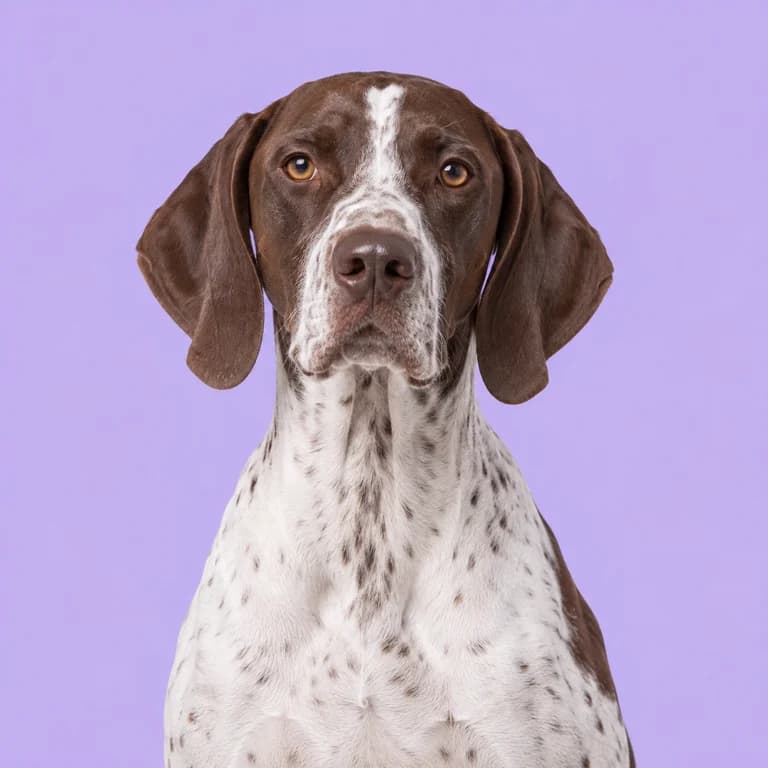
Sporting group
English Pointer
20 to 34 kg · 12 to 15 years
An athlete sculpted for speed across open moorland, with a statue-still point that stops people mid-conversation.
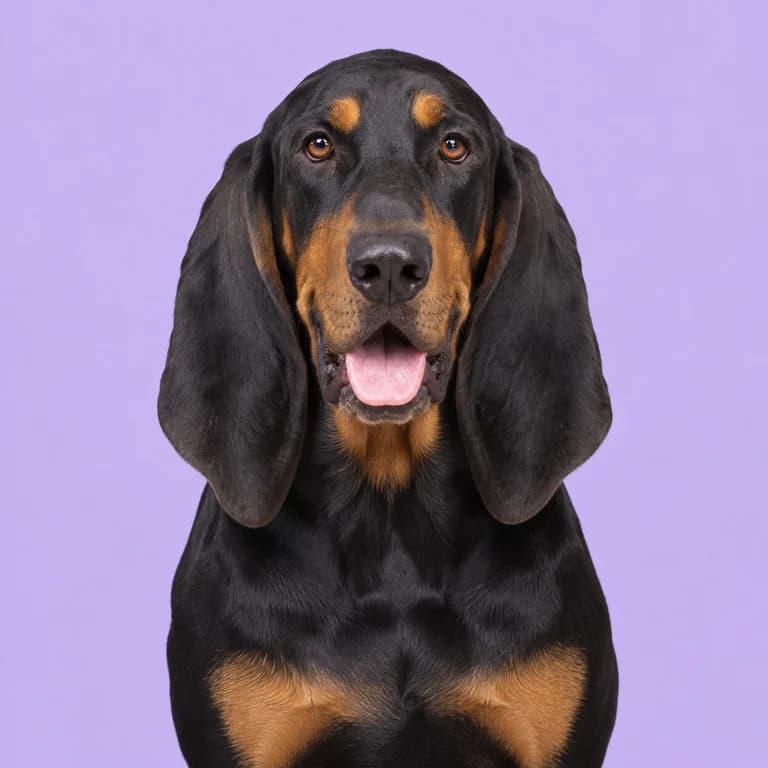
Hound group
Black and Tan Coonhound
25 to 45 kg · 10 to 12 years
Mellow and sociable on the sofa, but outdoors a single raccoon scent turns it into a baying tracker.
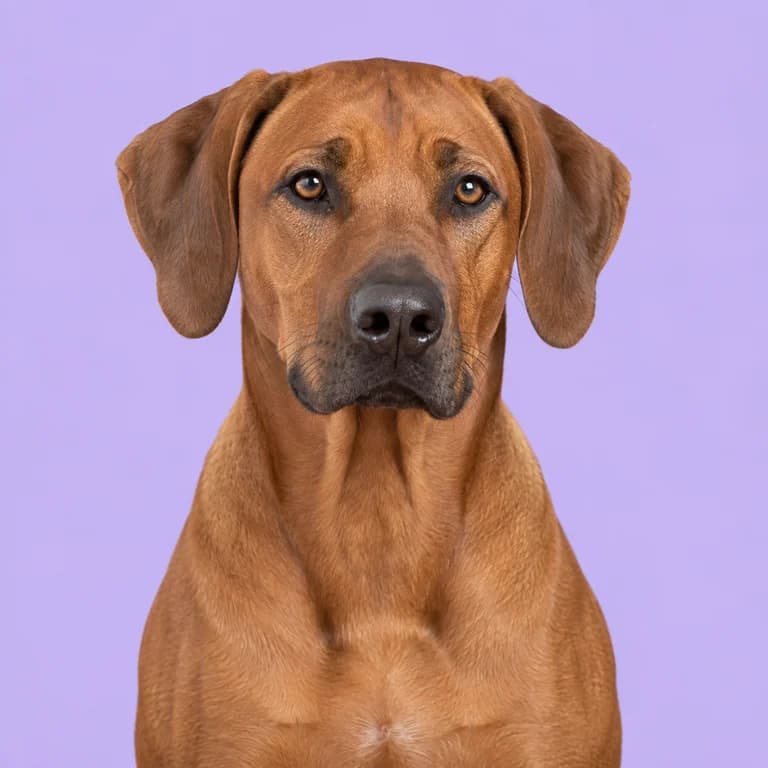
Hound group
Rhodesian Ridgeback
29 to 41 kg · 10 to 12 years
A sleek African hunting hound built to hold lions at bay, marked by a ridge of hair that grows the wrong way.