Sources for this article
Herding group · Scotland (Shetland Islands)
Shetland Sheepdog
Also called Sheltie
A small herding dog with a big brain and a bigger voice, happiest learning something new beside you.
Compact and quick-witted, the Shetland Sheepdog comes from the windswept Shetland Islands and often learns a new command in a handful of repetitions. It is affectionate with family, reserved with strangers, and vocal enough that barking habits need attention from puppyhood.
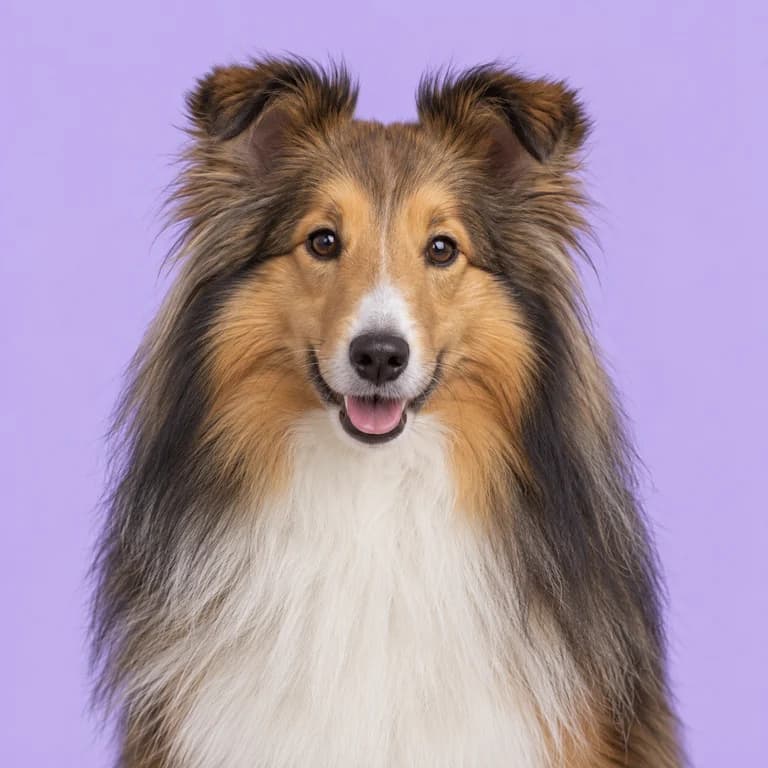
Original AI-generated breed illustration
Weight
6 to 11 kg
13 to 24 lb
Height
33 to 40 cm
at the shoulder
Life expectancy
12 to 14 yrs
Activity estimate
90 to 120 min
editorial daily planning range
Adult-size estimate
12 months
approximate model input
Life with a Shetland Sheepdog
On the Shetland Islands, more than 150 km (about 95 mi) off the north coast of mainland Scotland, everything tends to run small: the ponies, the sheep and the dogs that worked them. Crofters needed a quick, light dog that could turn a few sheep, keep hungry birds and ponies out of the kitchen garden, and bark to raise the alarm. The Sheltie that reached the mainland in the early 1900s was a blend of working collie types, with some spaniel and toy breed blood that helped fix its size and sweet expression.
Although it looks like a scaled-down Rough Collie, the Sheltie is its own breed with its own temperament. It is devoted to its household, often picks a favorite person, and stays close to them from room to room. With strangers it is polite but reserved, and a poorly socialized Sheltie can become timid.
What surprises new owners most is how quickly a Sheltie learns. Show one a new trick three or four times and it often has the idea. That same sharp mind picks up unwanted habits just as fast, such as barking at the postman until he leaves, so the breed suits people who enjoy shaping behavior on purpose.
What stands out
Training
Shelties are soft-natured learners. A sharp word can upset them for the rest of a session, while a cheerful voice, a small treat or a quick tug game keeps them keen. Because they learn so fast, endless repetition bores them; move on once a behavior is solid and revisit it later.
Read the full training guideEasy to train
Open with strangers
Good with other dogs
A great match for
- owners who enjoy daily training and dog sports
- families with considerate children
- people who spend most of the day at home
- agility, obedience and herding enthusiasts
Think twice if
- frequent, high-pitched barking
- heavy seasonal shedding
- sensitivity to harsh voices or handling
- tendency to chase cars, bikes and joggers
- shyness if under-socialized
Personality and needs at a glance
Living together
Good with children
Good with other dogs
Open with strangers
Apartment friendly
Copes with alone time
Energy and character
Energy level
Playfulness
Easy to train
Barking
5 means very vocal
Care and climate
Grooming needs
Shedding
Drooling
Handles cold
Handles heat
How much a Shetland Sheepdog eats
Illustrative calculations for neutered adults at midpoint breed weights, with food at 370 kcal per 100 g and 100 g per cup. These are not measured breed requirements. Use actual weight, the food label and veterinary body-condition advice.
| Dog | Weight | Calories | Dry food |
|---|---|---|---|
| Female, relaxed lifestyle | 8 kg | 470 kcal | 125 g (1.3 cups) |
| Female, typical pet | 8 kg | 530 kcal | 145 g (1.5 cups) |
| Male, typical pet | 9 kg | 580 kcal | 155 g (1.5 cups) |
| Male, very active | 9 kg | 730 kcal | 195 g (2 cups) |
Care guides for the Shetland Sheepdog
Things owners are often surprised by
- 1Originally shown as the Shetland Collie; the name changed after collie breeders objected, and the Kennel Club recognized the breed in 1909
- 2Island crofters used them to keep sheep, ponies and birds away from small vegetable plots
- 3Not a miniature Rough Collie: early crosses included spaniel and toy breeds as well as working collies
- 4Many carry the MDR1 gene variant, which a simple cheek-swab test can detect
- 5Size varies widely, and littermates can end up 5 cm (2 in) apart in height
Shetland Sheepdog questions
Is a Sheltie just a miniature Collie?
No. The two breeds share working collie ancestry and look alike, but the Sheltie developed separately on the Shetland Islands, with small island dogs and some toy and spaniel blood in the mix. It has its own breed standard and temperament. Shelties are generally more vocal and more reserved with strangers than Rough Collies, and they stand at roughly two-thirds of the height.
Why does my Sheltie bark so much?
Barking was part of the job. Island crofters wanted a dog that would sound off when sheep or birds got into the crops, and the breed kept that trait. Shelties bark at movement, noises and arrivals, and the habit grows whenever it seems to work, such as the postman walking away. Teaching a quiet cue, rewarding calm behavior and giving plenty of mental exercise usually reduce it a lot.
Do Shelties do well in apartments?
They can, since they are small and fairly calm indoors once exercised. The main issue is barking, which carries through shared walls and can cause trouble with neighbors. A Sheltie in a flat needs a daily outlet for its energy, early quiet training, and not too many hours alone. People who work from home often find the breed a good fit.
What is the MDR1 test for Shelties?
MDR1 is a gene that affects how the body keeps certain drugs out of the brain. Dogs with a faulty copy can react badly to some medications that are safe for most dogs. A cheek swab or blood sample, sent to a lab, shows whether your Sheltie is clear, a carrier or affected. Share the result with your vet so they can choose treatments accordingly.
How big will my Sheltie puppy get?
Most adults stand around 33 to 40 cm (13 to 16 in) at the shoulder and weigh 6 to 11 kg (13 to 24 lb). Size is one of the less predictable traits in the breed, and puppies from the same litter can differ noticeably. Looking at both parents and asking the breeder about adult sizes from previous litters is the most reliable guide.
Popular answers for owners
- Exercise and playHow much running can a dog do at different life stages?
- Grooming and coatHow do I get mats out of my dog's fur?
- How much to feedHow much more should I feed a pregnant dog?
- How much to feedWhat does an ideal weight dog look like from above?
- How much to feedMy dog looks fine from above but not from the side, what does that mean?
- Bowls and feeding gearDo flat faced dogs need a special bowl shape?
Breeds you might compare
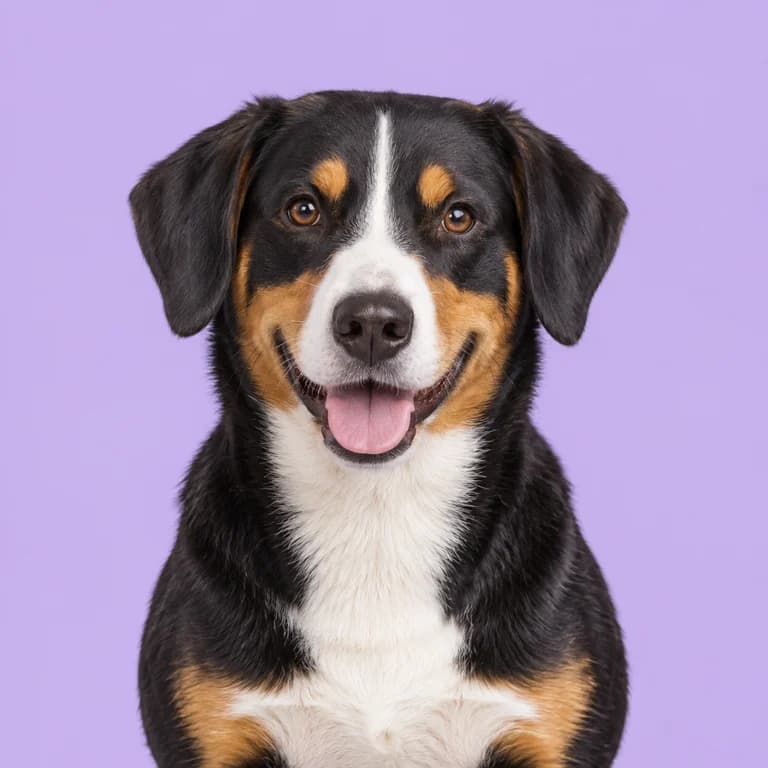
Herding group
Entlebucher Mountain Dog
20 to 30 kg · 11 to 13 years
The smallest Swiss mountain dog packs a cattle drover's stamina into a compact, tricolored body that rarely switches off.
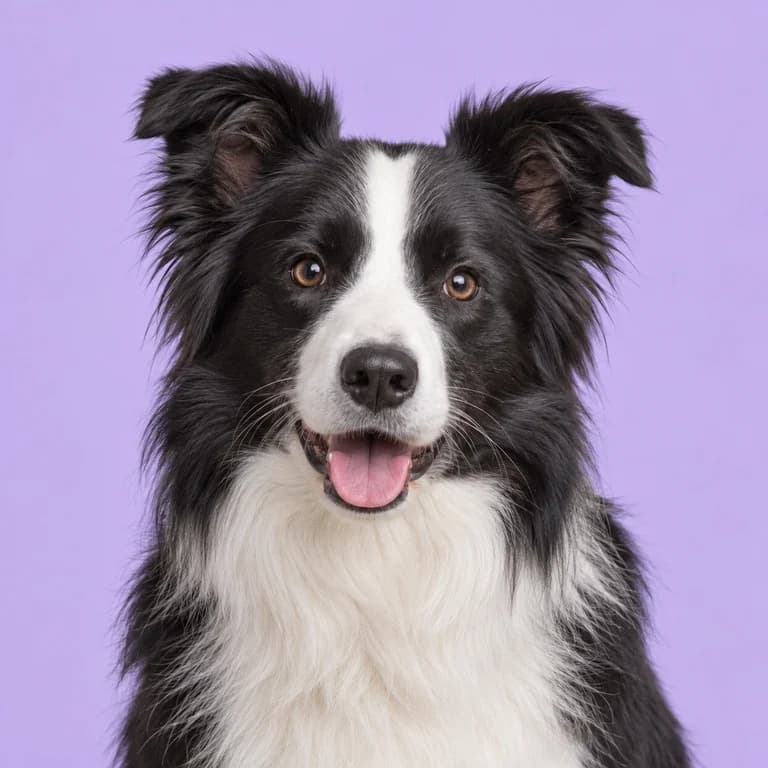
Herding group
Border Collie
12 to 20 kg · 12 to 15 years
Possibly the most gifted working mind in dogs, and it needs a job every single day.
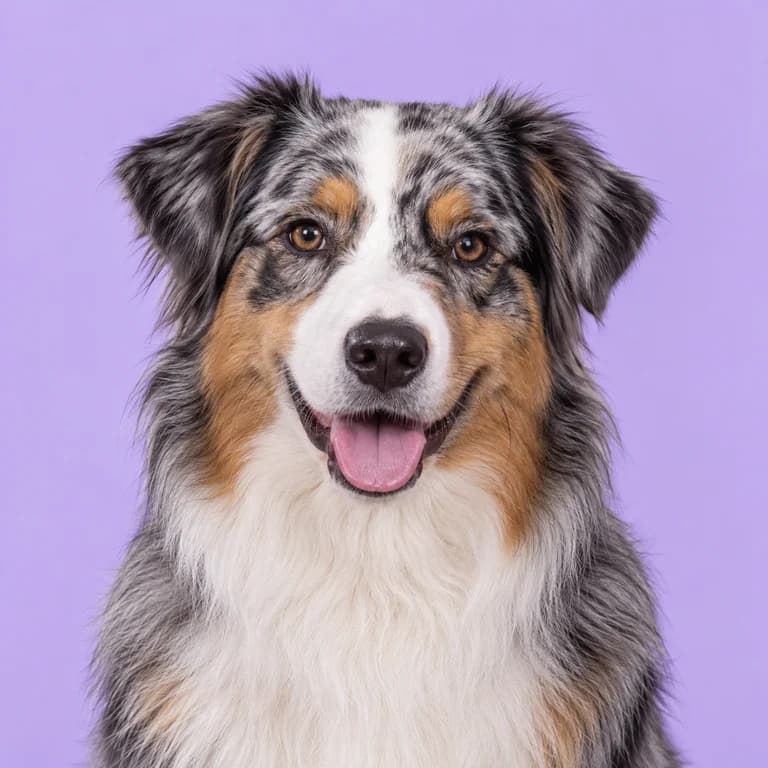
Herding group
Australian Shepherd
18 to 32 kg · 12 to 15 years
A ranch-bred worker with a busy brain, the Aussie wants a daily job and will invent one if you don't.
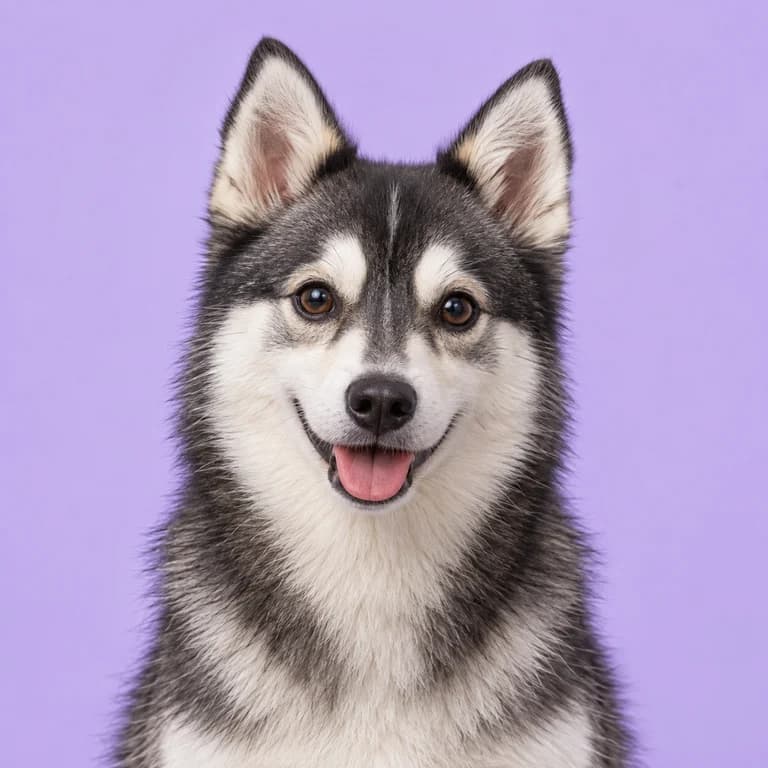
Working group
Alaskan Klee Kai
4 to 10 kg · 13 to 16 years
All the husky looks at a fraction of the size, with a far more cautious personality than most people expect.
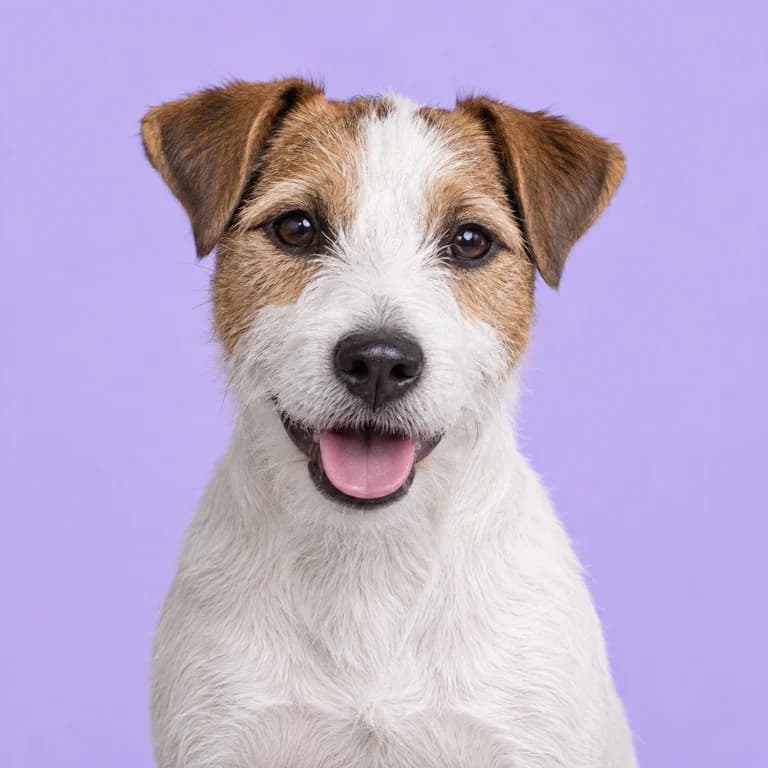
Terrier group
Parson Russell Terrier
5 to 8 kg · 13 to 15 years
A long-legged hunt terrier built to run with horses and hounds all day, then ask for more.
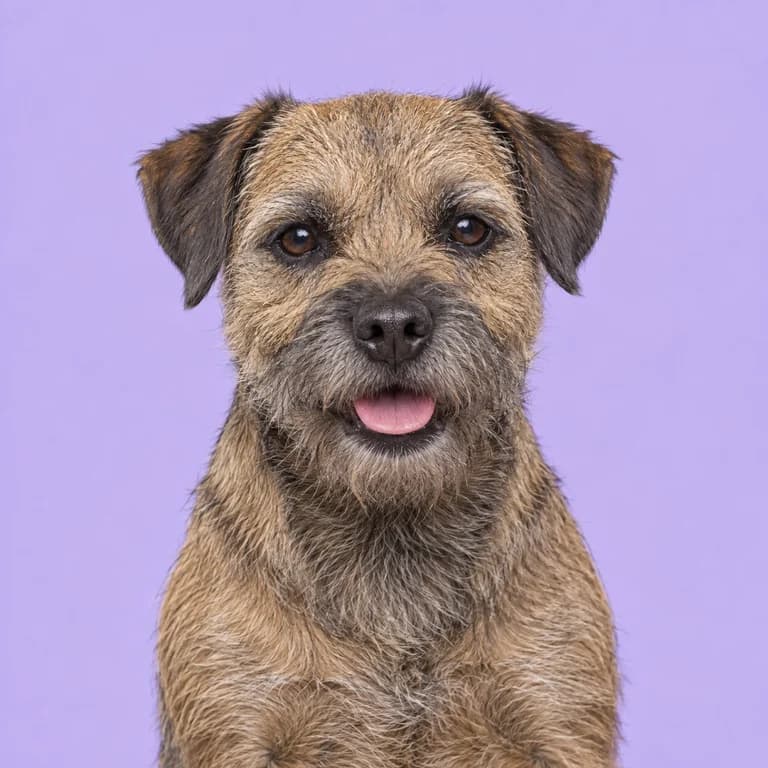
Terrier group
Border Terrier
5 to 7 kg · 12 to 15 years
A terrier with legs long enough to keep up with a hunt on horseback and stamina to spare afterwards.