Sources for this article
Herding group · Spain
Spanish Water Dog
Also called Perro de Agua Español, Turco Andaluz
A curly Andalusian all-rounder that herds, swims and retrieves, wearing a coat you must never brush.
Herder, fisherman's helper and hunting companion, the Spanish Water Dog is a medium-sized, woolly-coated all-rounder from southern Spain. Loyal, energetic and wary of strangers, it needs clippers rather than a brush and a job rather than a sofa.
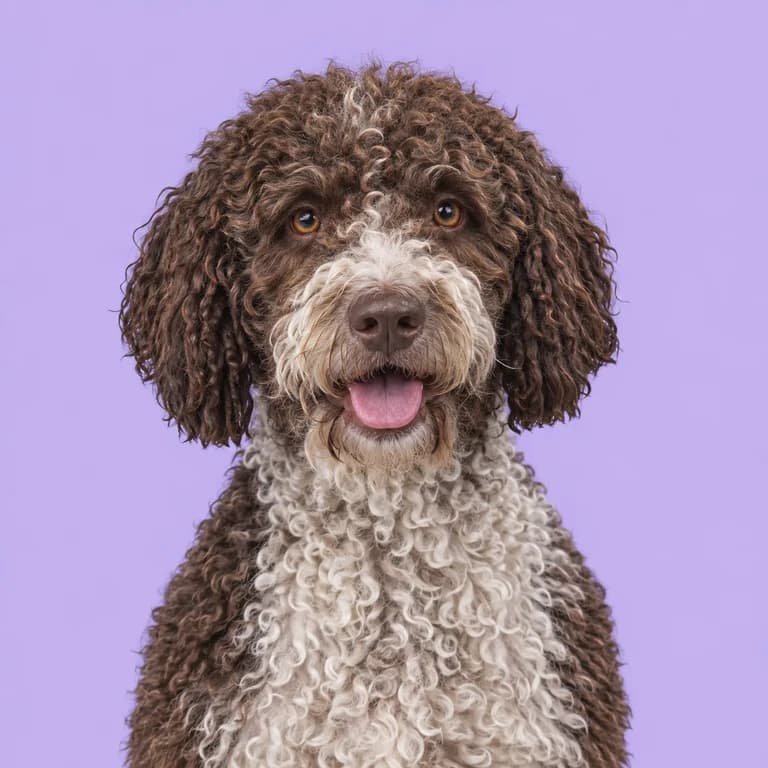
Original AI-generated breed illustration
Weight
14 to 22 kg
31 to 48 lb
Height
40 to 50 cm
at the shoulder
Life expectancy
12 to 14 yrs
Activity estimate
90 to 120 min
editorial daily planning range
Adult-size estimate
14 months
approximate model input
Life with a Spanish Water Dog
The Spanish Water Dog grew up in Andalusia, where shepherds used it to drive flocks of sheep and goats along the old seasonal routes between summer and winter pastures. Farther north, on the Cantabrian coast, similar curly dogs worked with fishermen, fetching lines and anything that went overboard. The woolly coat protected it in both jobs, from summer heat on the plains to cold sea spray.
For centuries it was simply a regional farm dog with no written standard. Spanish enthusiasts began collecting surviving dogs and describing the type in the 1970s and 1980s, and the breed has since spread through Europe and North America, often discovered by people who meet one at an agility trial or on a lakeshore.
At home the Spanish Water Dog is devoted to its family and tends to be reserved, even suspicious, with strangers. It is quick, athletic and intense, and it needs an outlet for both its herding instinct and its love of water. Owners often describe a dog that is always ready to do something, and one that finds its own mischief if nothing is offered.
What stands out
Grooming
This coat breaks the usual rules: it should never be brushed or combed. Brushing pulls the natural curls apart and leaves a frizzy mass that felts against the skin. Instead, the whole coat is clipped to a short, even length, typically once or twice a year, or it is grown long and allowed to form cords, which you separate by hand every week or two as they develop so they do not fuse into sheets.
Read the full grooming guideIllustrative grooming schedule based on our editorial coat-care score. Adjust it to the individual coat and professional advice.
Brushing
2 to 3 times a week
Bathing
Every 6 to 8 weeks
Shedding
Minimal
Nail trim
Every 3 to 4 weeks
A great match for
- active owners who enjoy dog sports or water
- families with older children
- people who want a low-shedding dog
- homes that can offer daily work and company
Think twice if
- wariness of strangers that needs early socialization
- strong herding and guarding instincts
- coat that felts if brushed
- boredom and destructiveness without a job
- sensitivity to rough handling
Personality and needs at a glance
Living together
Good with children
Good with other dogs
Open with strangers
Apartment friendly
Copes with alone time
Energy and character
Energy level
Playfulness
Easy to train
Barking
5 means very vocal
Care and climate
Grooming needs
Shedding
Drooling
Handles cold
Handles heat
How much a Spanish Water Dog eats
Illustrative calculations for neutered adults at midpoint breed weights, with food at 370 kcal per 100 g and 100 g per cup. These are not measured breed requirements. Use actual weight, the food label and veterinary body-condition advice.
| Dog | Weight | Calories | Dry food |
|---|---|---|---|
| Female, relaxed lifestyle | 16 kg | 780 kcal | 210 g (2 cups) |
| Female, typical pet | 16 kg | 900 kcal | 240 g (2.5 cups) |
| Male, typical pet | 20 kg | 1060 kcal | 285 g (2.8 cups) |
| Male, very active | 20 kg | 1320 kcal | 360 g (3.5 cups) |
Care guides for the Spanish Water Dog
Things owners are often surprised by
- 1Known in Andalusia as the Turco Andaluz
- 2Traditionally moved flocks of sheep and goats between summer and winter grazing
- 3Worked on fishing boats along Spain's northern coast, fetching ropes and items from the water
- 4The coat is clipped to a single even length, usually once or twice a year, and never scissored into a shape
- 5Puppies are born with loose curls that tighten into woolly ringlets as they mature
Spanish Water Dog questions
Why can't you brush a Spanish Water Dog?
The coat is made of tight, woolly curls that naturally clump together. Brushing pulls the curls apart and turns them into a fluffy, felted mass that mats against the skin. Keeping the coat either clipped short or allowed to cord naturally is healthier and far easier. The breed standard also calls for a natural, unstyled look.
Is the Spanish Water Dog related to the Portuguese Water Dog?
The two breeds grew out of the same Iberian tradition of curly-coated working dogs, but they developed separately. The Spanish Water Dog is generally smaller, was used more for herding, and wears a single even clip or natural cords. The Portuguese Water Dog is larger and is traditionally given a lion clip or a retriever clip.
Do Spanish Water Dogs shed?
Very little. The curly coat holds loose hair instead of dropping it around the house, which is one reason some people with mild allergies find the breed easier to live with. The trade-off is that the loose hair stays in the coat, which is why regular clipping or cord care is essential.
Are Spanish Water Dogs good with strangers?
They tend to be reserved and watchful. Many bark when visitors arrive and prefer to observe newcomers before accepting them. With thorough socialization from puppyhood, most become polite with guests, though few turn into the greet-everyone type. That wariness makes them good watchdogs but a poor match for owners wanting a dog that loves everyone.
How often should I clip my Spanish Water Dog?
Most pet owners clip the whole coat once or twice a year, usually in spring, to a short, even length of a few centimeters. Some prefer more frequent clips to keep it shorter, especially in hot climates. Clip evenly all over without shaping; a groomer who knows the breed or a good set of home clippers both work.
Popular answers for owners
- Exercise and playHow much exercise does a working breed need to stay calm indoors?
- Grooming and coatWhat shampoo should I use for a dog with dry skin?
- Puppy feeding and growthHow do I know if I am overfeeding my puppy?
- How much to feedHow much should I feed a 120 lb dog?
- Grooming and coatShould you trim a dog's whiskers?
- Bowls and feeding gearDo silicone bowls hold up to chewing?
Breeds you might compare
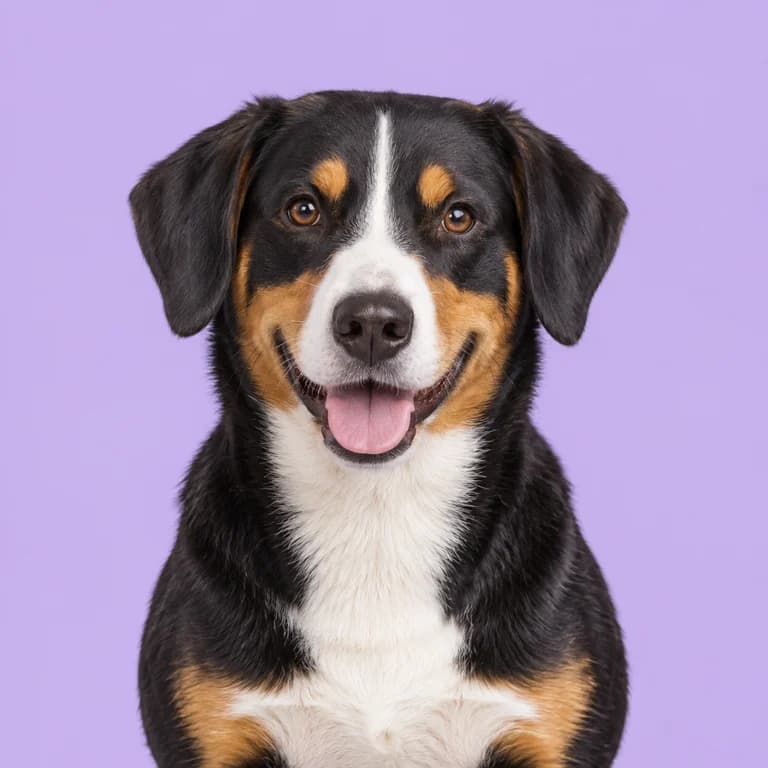
Herding group
Entlebucher Mountain Dog
20 to 30 kg · 11 to 13 years
The smallest Swiss mountain dog packs a cattle drover's stamina into a compact, tricolored body that rarely switches off.
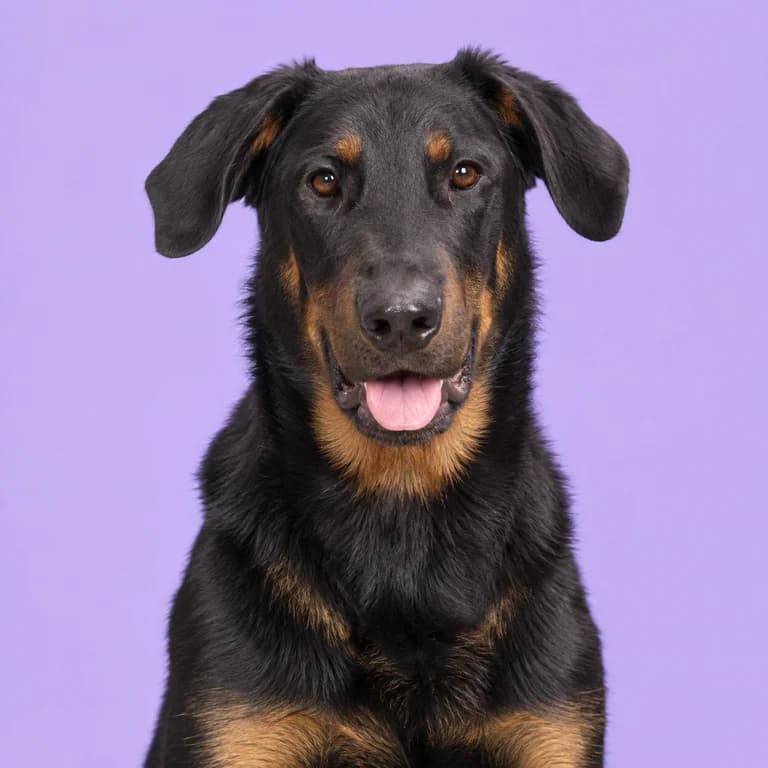
Herding group
Beauceron
30 to 45 kg · 10 to 12 years
A tall French sheepdog with double dewclaws and red stockings, confident enough to take charge of a flock or a household.
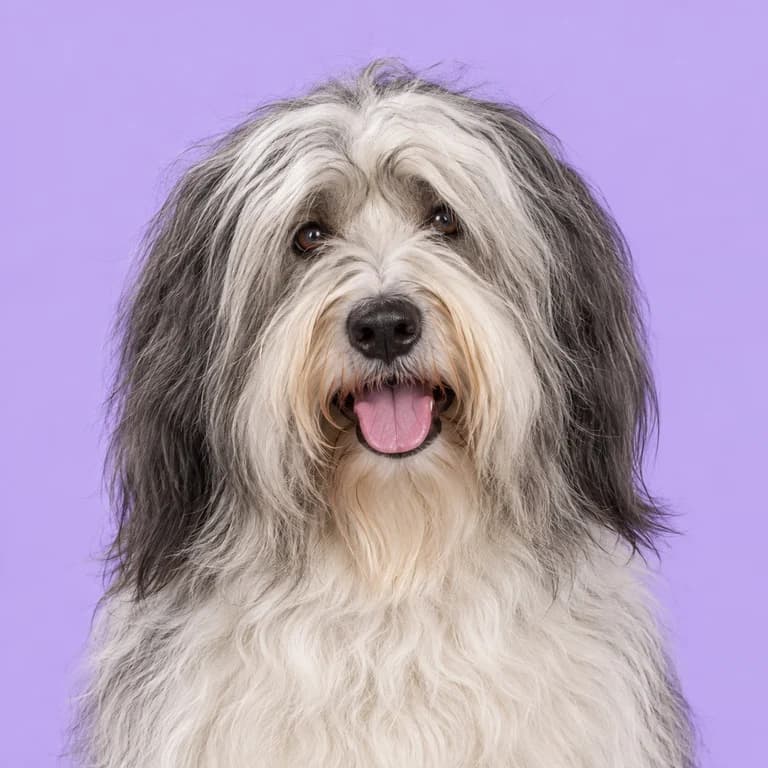
Herding group
Polish Lowland Sheepdog
14 to 23 kg · 12 to 14 years
A shaggy Polish herder with a sharp memory, strong opinions and a watchful eye under its fringe.
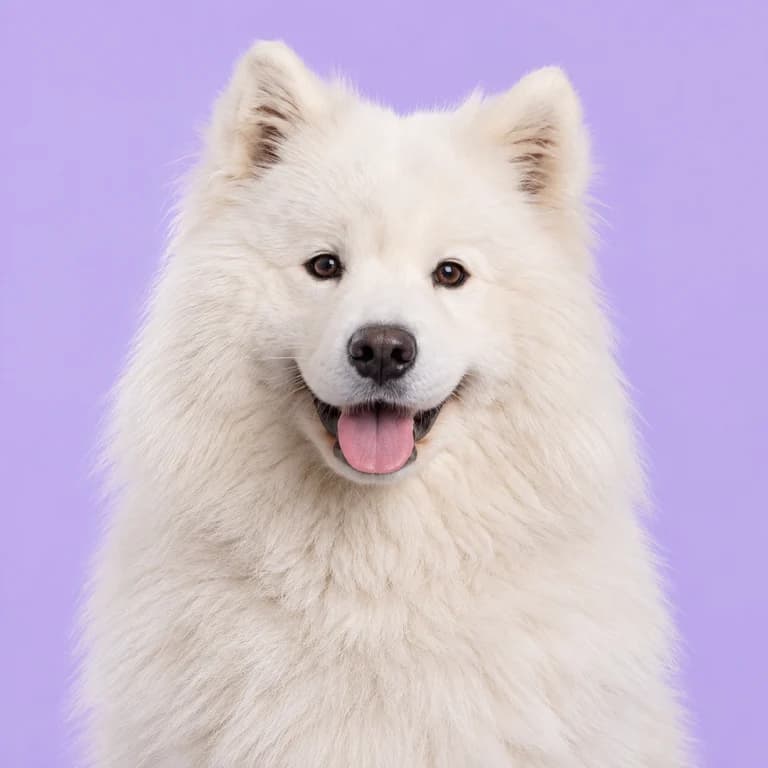
Working group
Samoyed
16 to 30 kg · 12 to 14 years
That famous white cloud of coat comes with a weekly brushing commitment and a chatty, sociable dog underneath.
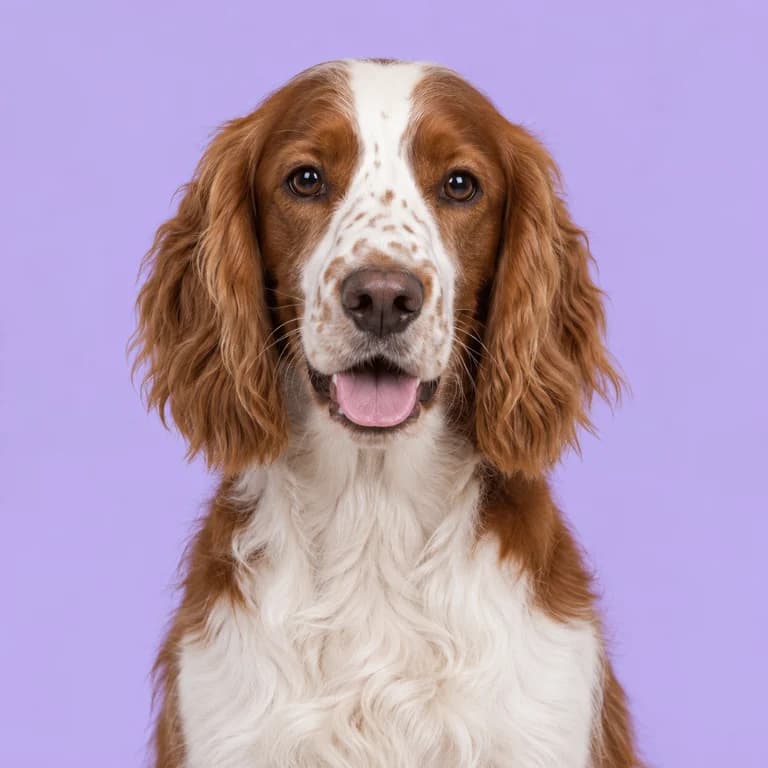
Sporting group
Welsh Springer Spaniel
16 to 25 kg · 12 to 15 years
A red-and-white Welsh gundog that learns best through partnership, patience and plenty of miles.
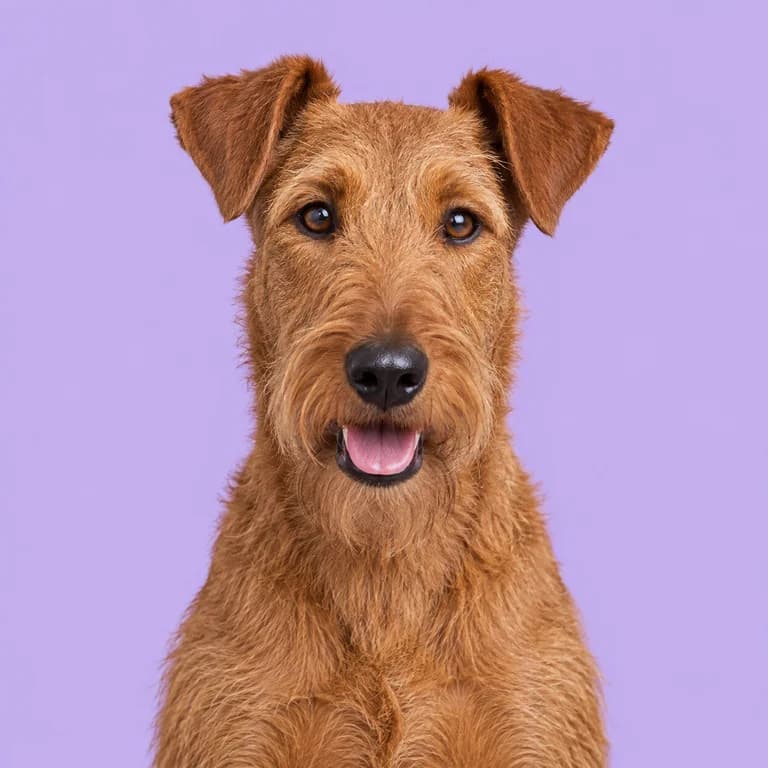
Terrier group
Irish Terrier
10 to 13 kg · 13 to 15 years
The fiery red daredevil of the terrier world, loyal and funny with family and famously brave.