Sources for this article
Sporting group · England
Field Spaniel
A gentle, thoughtful spaniel that nearly disappeared after the Second World War and was rebuilt from a handful of dogs.
The Field Spaniel is a rare English gundog, larger and calmer than a Cocker and more sensitive than a Springer. It went through a strange Victorian phase of extreme show breeding, almost vanished after the Second World War, and was carefully rebuilt in the 1960s. Today it is a sweet, biddable companion that still loves wet ground and a good scent.
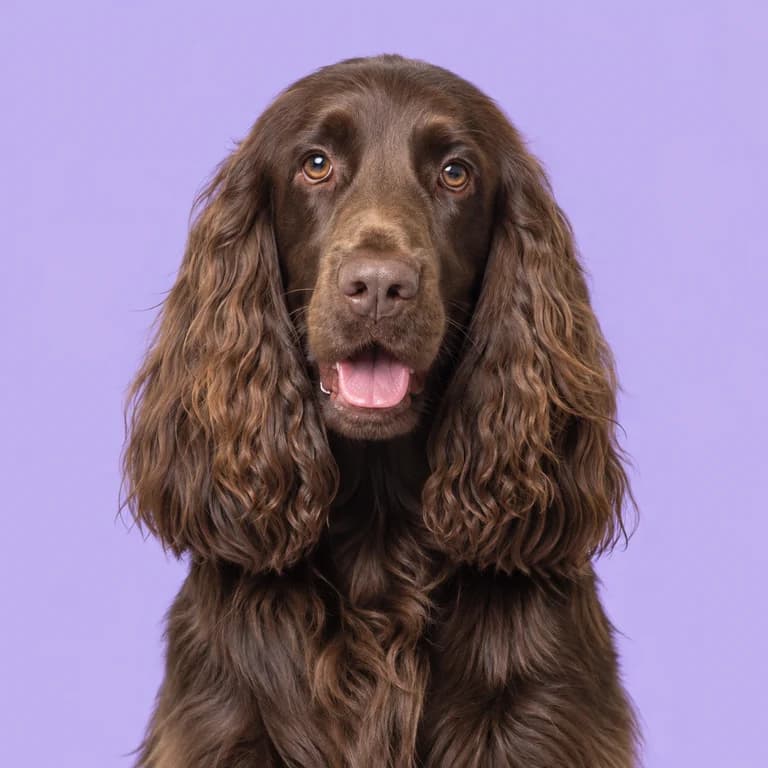
Original AI-generated breed illustration
Weight
16 to 23 kg
35 to 51 lb
Height
43 to 48 cm
at the shoulder
Life expectancy
12 to 14 yrs
Activity estimate
90 to 120 min
editorial daily planning range
Adult-size estimate
18 months
approximate model input
Life with a Field Spaniel
For a breed most people have never met, the Field Spaniel has had a dramatic history. It began in 19th-century England as part of the general spaniel pool, where litters were sorted by size: a pup under about 11 kg (25 lb) was a Cocker, one over that was a Field. Breeders then set out to create a solid black spaniel for the show ring, bringing in Sussex and Cocker lines.
Fashion took over. By the late Victorian era, show Fields had become extremely long in the body, short in the leg and heavy in bone, which made them poor workers and damaged their reputation among shooting people. Numbers fell steadily, and after the Second World War the breed was close to disappearing in Britain.
In the 1960s a small group of enthusiasts rebuilt it from a few remaining dogs, outcrossing carefully to English Springer Spaniels to restore a more moderate, useful shape. Every modern Field traces back to that tiny foundation, which is one reason the Kennel Club now lists it as a vulnerable native breed.
The dog that emerged is gentle, affectionate and more thoughtful than most spaniels. It has a working nose and loves water, yet it settles well in the house. Fields can be a little reserved with strangers at first, and they bond deeply with their family, often following you from room to room.
A great match for
- families wanting a gentle, medium-sized gundog
- owners who enjoy country walks and water
- scent work and gundog training
- people who are home for much of the day
Think twice if
- rare, so expect waiting lists
- sensitive to harsh handling
- long ears prone to trouble if not kept clean
- can switch off to recall when scenting
Personality and needs at a glance
Living together
Good with children
Good with other dogs
Open with strangers
Apartment friendly
Copes with alone time
Energy and character
Energy level
Playfulness
Easy to train
Barking
5 means very vocal
Care and climate
Grooming needs
Shedding
Drooling
Handles cold
Handles heat
How much a Field Spaniel eats
Illustrative calculations for neutered adults at midpoint breed weights, with food at 370 kcal per 100 g and 100 g per cup. These are not measured breed requirements. Use actual weight, the food label and veterinary body-condition advice.
| Dog | Weight | Calories | Dry food |
|---|---|---|---|
| Female, relaxed lifestyle | 19 kg | 870 kcal | 235 g (2.3 cups) |
| Female, typical pet | 19 kg | 1000 kcal | 270 g (2.8 cups) |
| Male, typical pet | 21 kg | 1080 kcal | 290 g (3 cups) |
| Male, very active | 21 kg | 1350 kcal | 365 g (3.8 cups) |
Care guides for the Field Spaniel
Things owners are often surprised by
- 1Field and Cocker Spaniels were once divided only by weight, with dogs over about 11 kg (25 lb) shown as Fields.
- 2The UK Kennel Club lists the Field Spaniel as a vulnerable native breed.
- 3The modern breed was rebuilt in the 1960s from a few surviving Fields, with English Springer Spaniel outcrosses.
- 4Victorian show fashion once produced Fields so long and low that they struggled to work in the field.
- 5Solid black and solid liver are the classic colors, though roans and tan points are also accepted.
Field Spaniel questions
What is the difference between a Field Spaniel and a Cocker Spaniel?
Fields are larger and heavier, typically 16 to 23 kg compared with 12 to 15 kg for an English Cocker, with a longer body and a calmer, more deliberate manner. Fields come mainly in solid black or liver, while Cockers have a much wider color range. Historically the two came from the same litters and were separated only by weight until the late 1800s.
Why are Field Spaniels so rare?
The breed was damaged by Victorian show fashions that made it impractical for work, and then nearly lost during and after the Second World War. It was rebuilt from a very small number of dogs in the 1960s, and it has never become fashionable since. Breeders plan litters carefully to protect genetic diversity, so only a small number of puppies are born each year.
Are Field Spaniels good family dogs?
Yes, for families who are home often and enjoy outdoor walks. Fields are gentle, affectionate and usually patient with children, though a boisterous household can overwhelm a sensitive youngster. They prefer company and do not cope well with long hours alone. A home that offers daily exercise, some scent games and a quiet place to rest suits them well.
Can a Field Spaniel be a working gundog?
Many still can. Fields have good noses, a love of water and a natural retrieve, and some compete in working tests and field trials. They tend to work at a steadier, more methodical pace than Springers or Cockers. If you want a working dog, choose a breeder who tests puppies' drive and has dogs doing real work, as show and pet lines vary in instinct.
Do Field Spaniels like water?
Most love it. The breed was developed to retrieve from wet ground and water, and many Fields will head straight for any pond or stream. Teach a reliable recall before letting your dog swim freely, dry the ears well afterwards, and check for strong currents or algae on warm days. A rinse with clean water also stops mud from matting the feathering.
Popular answers for owners
- Grooming and coatWhy is my dog shedding so much right now?
- Grooming and coatHow do I groom a nervous rescue dog that has never been brushed?
- How much to feedIs diet or exercise more important for a dog to lose weight?
- Bowls and feeding gearShould large breed dogs use raised feeders?
- Bowls and feeding gearWhat is a slow feeder bowl?
- Puppy feeding and growthDo puppies grow in stages or steadily?
Breeds you might compare

Sporting group
Golden Retriever
25 to 34 kg · 10 to 12 years
A soft-mouthed Scottish gundog that treats every visitor as a friend and every sock as a gift.
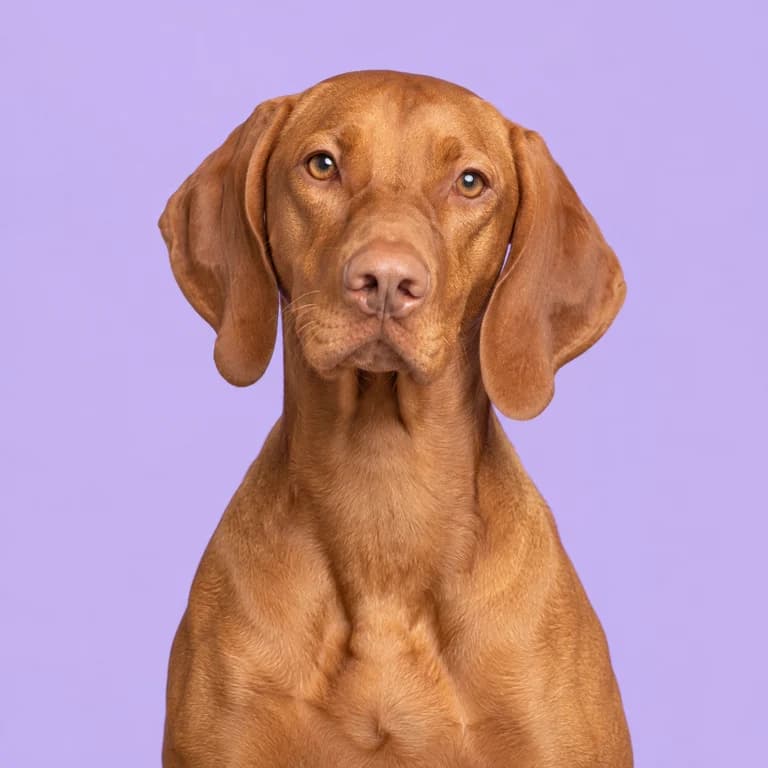
Sporting group
Vizsla
18 to 29 kg · 12 to 14 years
Hungary's golden-rust pointer: a lean athlete that wants miles of running, then a lap to finish on.
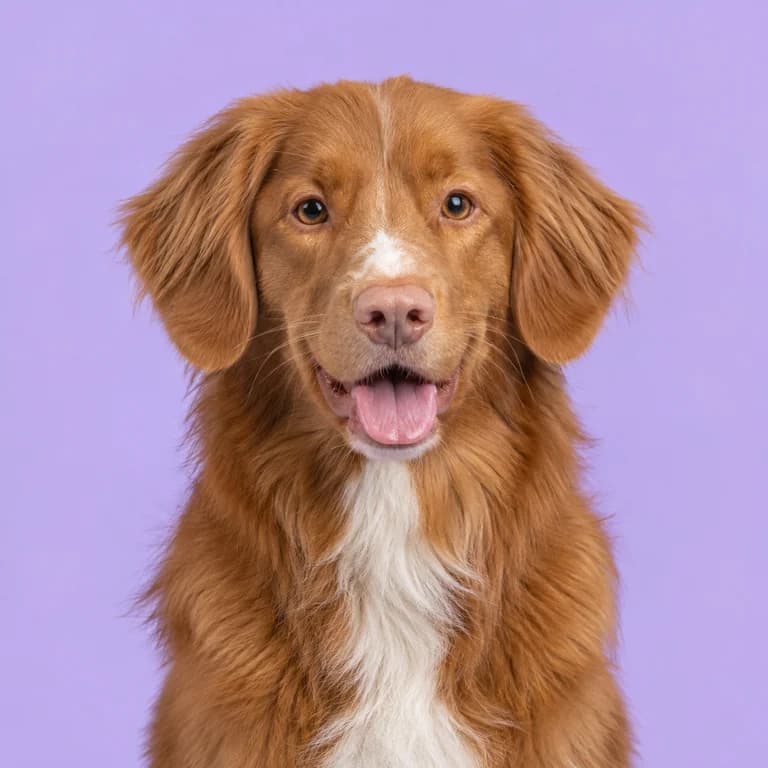
Sporting group
Nova Scotia Duck Tolling Retriever
17 to 23 kg · 12 to 14 years
The smallest retriever, bred to play along the shoreline until curious ducks swam close enough to shoot.
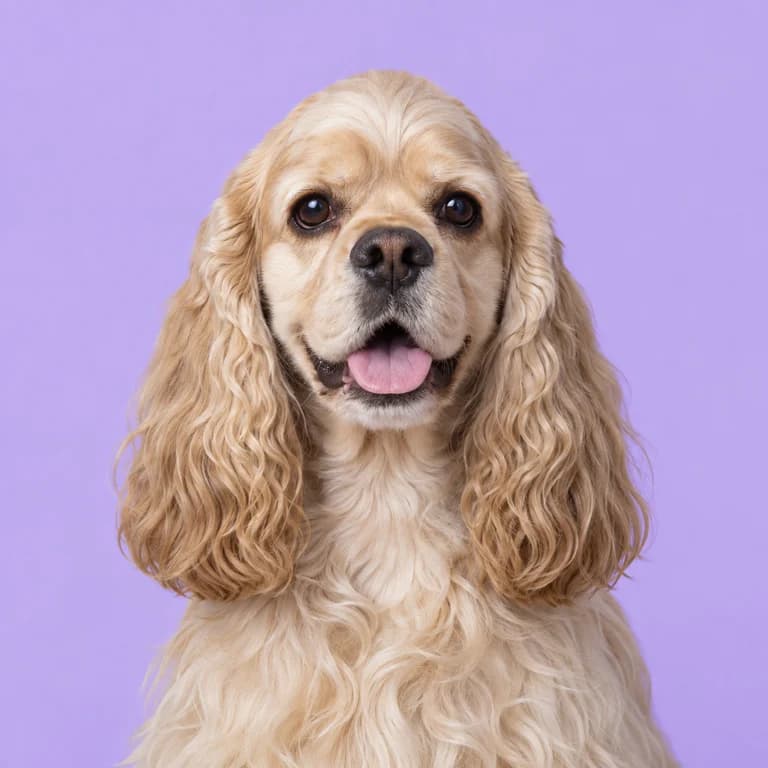
Sporting group
American Cocker Spaniel
9 to 14 kg · 12 to 14 years
The smallest American sporting spaniel, famous for a flowing coat that demands nearly as much attention as the dog.
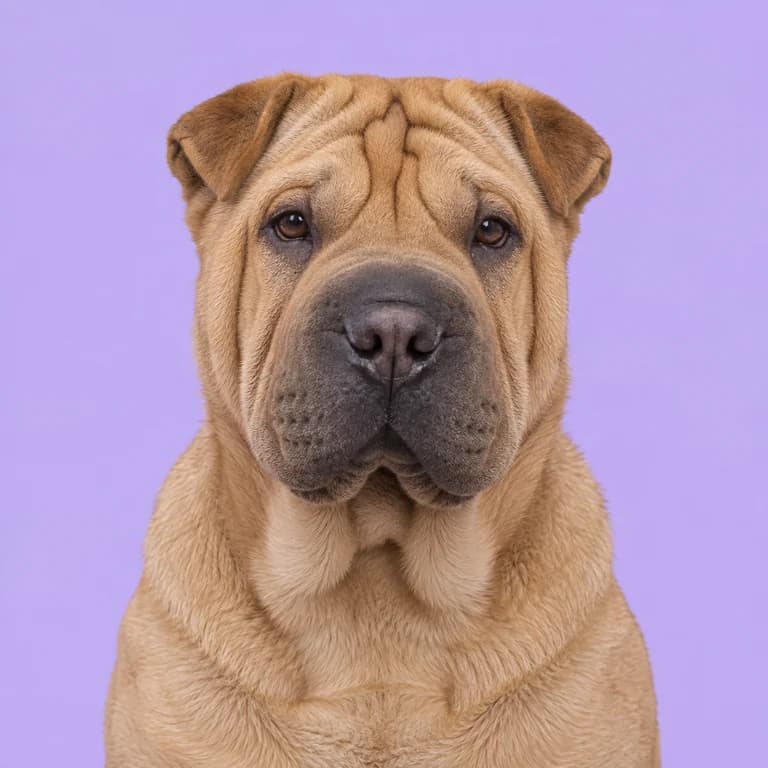
Non-sporting group
Chinese Shar-Pei
18 to 27 kg · 8 to 12 years
A wrinkled, blue-tongued guardian from southern China whose skin and eyes need more attention than almost any breed.
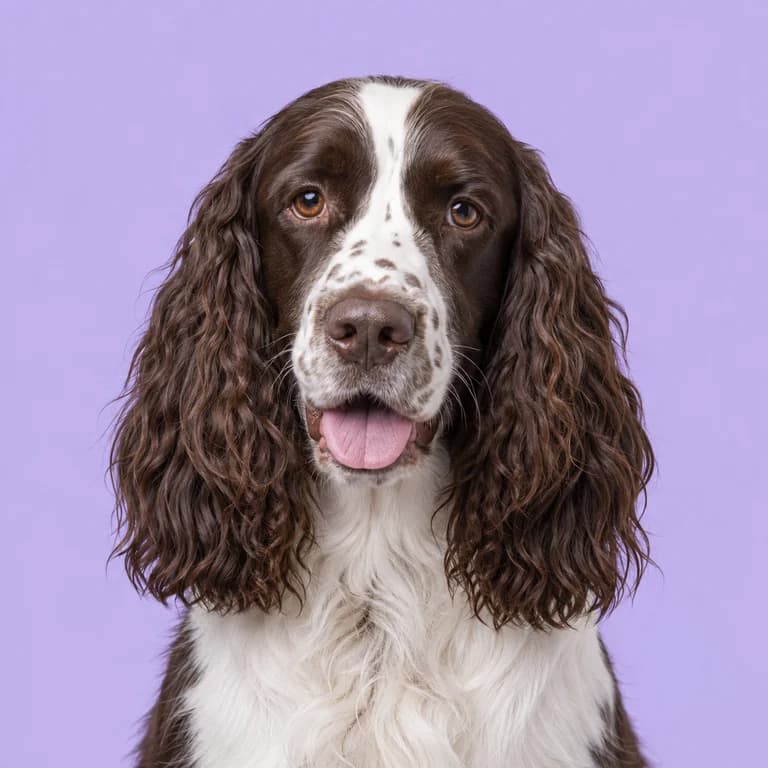
Sporting group
English Springer Spaniel
18 to 25 kg · 12 to 14 years
A tireless flushing spaniel that treats every hedge as a job and every walk as a hunt.