Sources for this article
Hound group · England
English Foxhound
Also called Foxhound
A pack hound built to run all day across open country, rarely kept as a pet and demanding when it is.
The English Foxhound was bred for centuries to run in large packs, following scent for hours across farmland and moor. It is friendly, sociable and remarkably gentle with people and other dogs, but its stamina, voice and single-minded nose make it one of the more challenging hounds to keep in an ordinary home.

Original AI-generated breed illustration
Weight
25 to 34 kg
55 to 75 lb
Height
56 to 64 cm
at the shoulder
Life expectancy
10 to 13 yrs
Activity estimate
120 to 150 min
editorial daily planning range
Adult-size estimate
18 months
approximate model input
Life with a English Foxhound
Energy defines this hound, and it is a particular kind of energy: not frantic, but seemingly endless. English Foxhounds were bred to run at a steady pace for four to six hours over mixed country, then do it again a couple of days later. A dog built that way does not switch off after a brisk half-hour around the park.
The breed took shape in England in the 1700s, when landowners began breeding hounds specifically for fox hunting and recording every litter. Packs were selected for stamina, voice, nose and the ability to work as a team, so consistently that the English Foxhound became one of the most uniform breeds in type. Its bloodlines fed into the American Foxhound and several other scent hounds.
Because they were raised in kennels among dozens of other hounds, Foxhounds are exceptionally sociable. Most love other dogs and are friendly, even soft, with people; they are poor guard dogs. They were not, however, bred for house life, and a pet Foxhound needs patient help with house training, being left alone and settling indoors.
Many pet Foxhounds today are retired pack hounds or come from hunt kennels through rehoming schemes and rescue groups. Adopting an adult can be rewarding, but expect a learning period while your hound works out stairs, sofas, glass doors and household routines that other dogs take for granted.
What stands out
Exercise
An adult English Foxhound needs at least 2 hours of exercise a day, and many thrive on more. Long hikes, canicross, running beside a bike once mature, and scent-trailing games are excellent outlets. Trail work, where a hound follows a laid scent over a planned route, taps directly into what the breed was made for.
Read the full exercise guideActivity planning estimate
120 to 150 min
editorial estimate, not a prescription
Energy
5 / 5
Playfulness 4 / 5
A great match for
- very active owners, runners and hikers
- homes with another dog for company
- rural properties with high, secure fencing
- experienced hound people
Think twice if
- needs 2 hours or more of exercise a day
- loud baying voice
- unreliable recall once on a scent
- struggles when left alone
Personality and needs at a glance
Living together
Good with children
Good with other dogs
Open with strangers
Apartment friendly
Copes with alone time
Energy and character
Energy level
Playfulness
Easy to train
Barking
5 means very vocal
Care and climate
Grooming needs
Shedding
Drooling
Handles cold
Handles heat
How much an English Foxhound eats
Illustrative calculations for neutered adults at midpoint breed weights, with food at 370 kcal per 100 g and 100 g per cup. These are not measured breed requirements. Use actual weight, the food label and veterinary body-condition advice.
| Dog | Weight | Calories | Dry food |
|---|---|---|---|
| Female, relaxed lifestyle | 29 kg | 1210 kcal | 325 g (3.3 cups) |
| Female, typical pet | 29 kg | 1380 kcal | 375 g (3.8 cups) |
| Male, typical pet | 32 kg | 1490 kcal | 400 g (4 cups) |
| Male, very active | 32 kg | 1860 kcal | 505 g (5 cups) |
Care guides for the English Foxhound
Things owners are often surprised by
- 1Some hunt kennels hold breeding records for their packs that go back to the 1700s.
- 2Hounds are counted in couples, so a pack of 40 hounds is described as 20 couple.
- 3Hunt puppies are traditionally sent to local families for a few months, a practice called puppy walking.
- 4English hounds brought to Maryland in 1650 helped found the American Foxhound.
- 5In the United States the English Foxhound regularly ranks among the least registered AKC breeds.
English Foxhound questions
Can an English Foxhound be a house pet?
Yes, but it takes commitment. Foxhounds are gentle and affectionate with people, yet they were bred for kennel life and hard work. A pet home needs at least 2 hours of daily exercise, secure fencing, patience with house training, and ideally another dog for company. Owners who enjoy long country walks and can tolerate baying often find them delightful companions.
What is the difference between an English and an American Foxhound?
The American Foxhound was developed from English hounds brought to Maryland in 1650, later mixed with French and Irish hounds. It is lighter, leggier and faster, suited to rough American terrain and hunting alone or in small groups. The English Foxhound is heavier boned, with a straighter, sturdier build and a stronger pack instinct. Both have big voices and big stamina.
Why is my Foxhound so loud?
Voice is a trait that hunts deliberately selected for, because hunters needed to hear where the pack was and what it had found. Foxhounds bay when they catch a scent, when excited and sometimes when lonely. You can reduce it with enough exercise, company and a taught quiet cue, but you cannot remove it. Neighbors in close housing may find it difficult.
Can Foxhounds live with cats?
Some can, particularly when raised with a cat from puppyhood, but the chase instinct is strong. Adult ex-pack hounds are often unused to cats and may see them as quarry. Any introduction should be slow, with the hound on a lead or behind a gate and the cat able to escape upward. Many rehoming groups test hounds with cats before placement.
Where can I adopt a retired Foxhound?
In the UK and Ireland, some hunts and hound rescue charities rehome Foxhounds, and in North America several hound rescues take them in. Retired or unsuitable pack hounds are often friendly adults who need patient help adjusting to house life. Look for a group that assesses each hound, offers support after adoption and will take the dog back if needed.
Popular answers for owners
- Grooming and coatWhy does my dog smell like corn chips?
- How much to feedHow many calories does my dog need per day?
- Bowls and feeding gearHow do I know if my dog's bowl is too low?
- Bowls and feeding gearCan I put my dog's bowl in the dishwasher?
- Bowls and feeding gearShould the water bowl be bigger than the food bowl?
- Puppy feeding and growthWhen do small breed puppies reach their adult size?
Breeds you might compare
Hound group
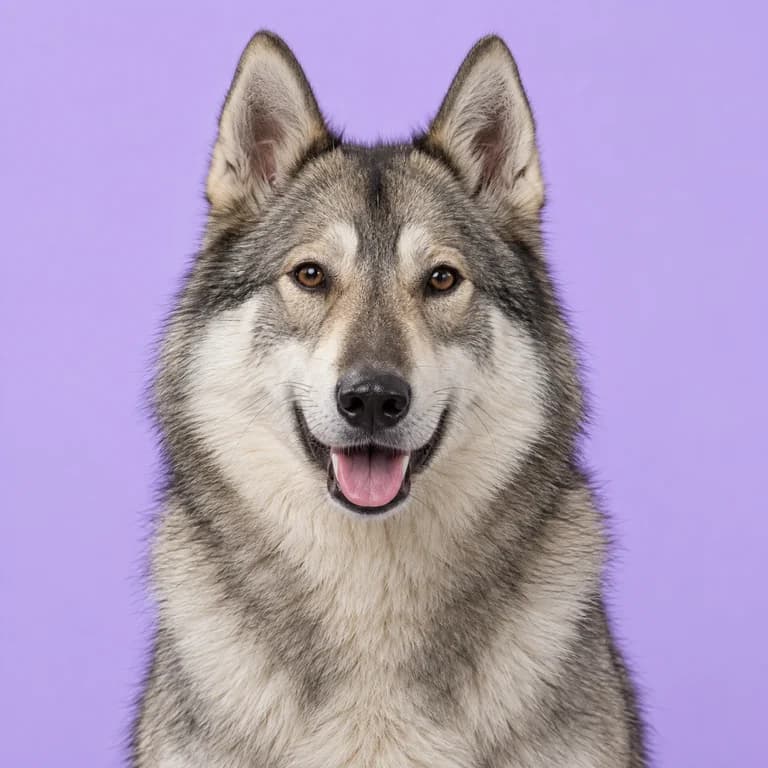
West Siberian Laika
16 to 23 kg · 12 to 15 years
A tireless Siberian hunting spitz that finds game in the forest and holds it there with its voice.
Hound group
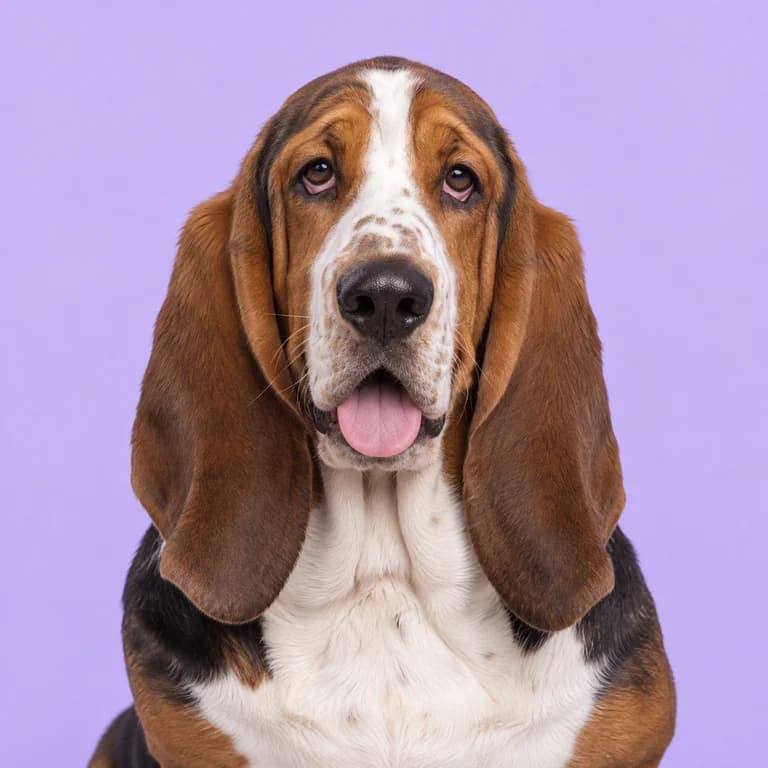
Basset Hound
20 to 29 kg · 10 to 12 years
A scent hound nearly as heavy as a Labrador, built on legs barely 35 cm tall.
Hound group
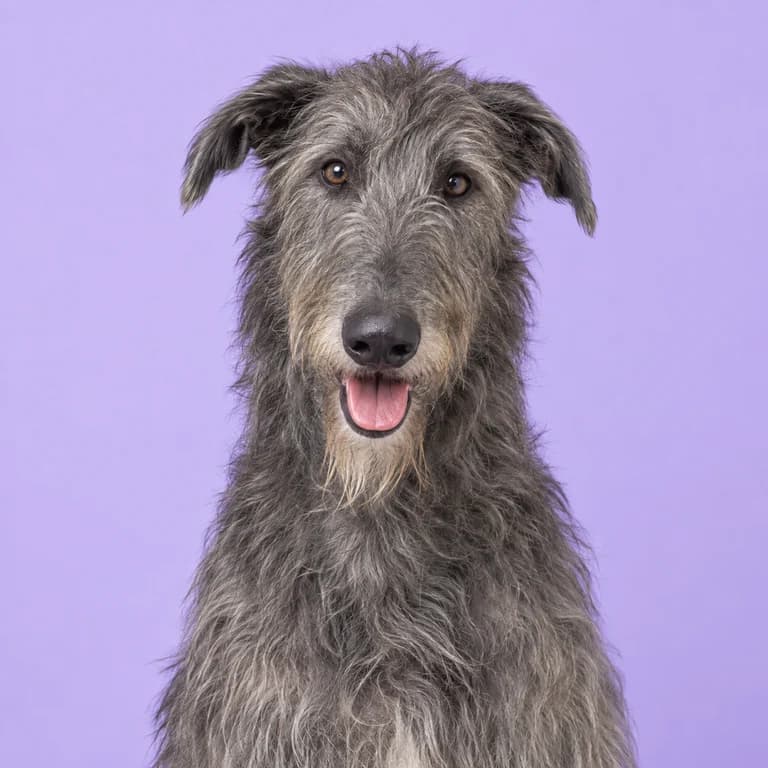
Scottish Deerhound
34 to 50 kg · 8 to 11 years
Tall enough to rest its chin on your dining table, yet gentle, quiet and happiest stretched out on the sofa.

Sporting group
German Shorthaired Pointer
20 to 32 kg · 12 to 14 years
A lean German gundog built to point, retrieve and track all day, then ask what comes next.

Non-sporting group
Standard Poodle
20 to 32 kg · 12 to 15 years
A water retriever in disguise, with a mind so quick it turns every household routine into a lesson.

Working group
Boxer
25 to 36 kg · 10 to 12 years
A square, springy German guard dog that treats every morning like the start of a party.