Sources for this article
Non-sporting group · Tibet
Lhasa Apso
Also called Lhasa, Apso
A small Tibetan sentinel with a floor-length coat and a surprisingly serious sense of its own importance.
Kept in Tibetan monasteries and noble homes as an indoor watchdog, the Lhasa Apso raised the alarm while larger mastiffs guarded the gates outside. It is compact, long-lived and self-assured, and its beautiful coat is the single biggest commitment you take on when you bring one home.
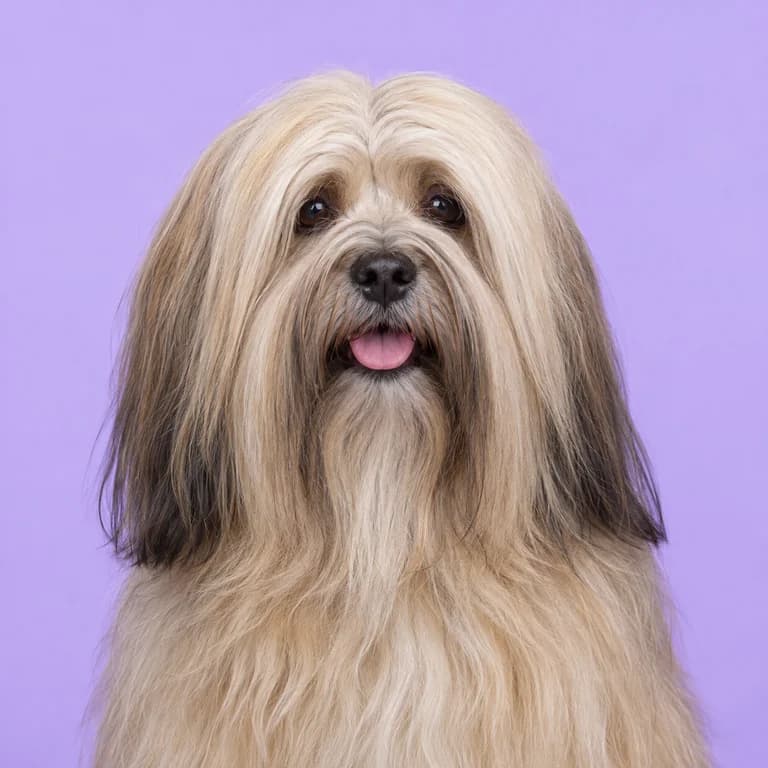
Original AI-generated breed illustration
Weight
5 to 8 kg
11 to 18 lb
Height
23 to 28 cm
at the shoulder
Life expectancy
12 to 16 yrs
Activity estimate
30 to 60 min
editorial daily planning range
Adult-size estimate
12 months
approximate model input
Life with a Lhasa Apso
Start with the coat, because every Lhasa owner does. A Lhasa Apso in full coat has hair that parts down the spine and flows to the floor, and keeping it that way is a genuine hobby. Many pet owners choose a shorter puppy clip instead, which changes the look but not the dog. Either way, grooming will shape your weekly routine more than exercise or training ever will.
Underneath all that hair is one of the older Tibetan breeds. For centuries Lhasas lived inside monasteries and the houses of nobles, where their sharp hearing and readiness to bark made them useful indoor sentinels. Big Tibetan mastiffs guarded the entrances, and the little Lhasa warned of anyone who slipped past. Legend holds that the dogs were considered lucky and were rarely sold, and that pairs traveled to China as diplomatic gifts. The breed reached Britain and the United States in the early 20th century.
That sentinel history explains the personality. A Lhasa is confident, dignified and quietly independent. It is affectionate with its family, often in a reserved, selective way, and it may attach most strongly to one person. Strangers are watched from a distance until they earn trust, and the bark is surprisingly deep for such a small dog.
Lhasas suit apartments and smaller homes well, and once properly socialized they cope with city noise better than many breeds. They are not ideal for toddlers who grab and hug, since some Lhasas will warn with a growl or a snap when handled without consent. With respectful children and adults they are steady, funny companions who often live well into their teens.
What stands out
Grooming
In full coat, brush and comb every day, or at least every other day, working in sections from the skin outward with a pin brush and a metal comb. Mist the coat lightly with water or a conditioning spray first, since brushing dry hair causes breakage. Bathe every one to two weeks, and dry thoroughly with a dryer while brushing so the coat doesn't tangle.
Read the full grooming guideIllustrative grooming schedule based on our editorial coat-care score. Adjust it to the individual coat and professional advice.
Brushing
Daily
Bathing
Every 3 to 6 weeks
Shedding
Minimal
Nail trim
Every 3 to 4 weeks
A great match for
- apartment dwellers
- owners who enjoy grooming or can budget for a groomer
- adults and families with older, calm children
- people who want a small but alert watchdog
Think twice if
- daily coat care or regular professional clips
- suspicious of strangers
- barks at every sound near the door
- may snap if handled roughly
- house-training can be slow
Personality and needs at a glance
Living together
Good with children
Good with other dogs
Open with strangers
Apartment friendly
Copes with alone time
Energy and character
Energy level
Playfulness
Easy to train
Barking
5 means very vocal
Care and climate
Grooming needs
Shedding
Drooling
Handles cold
Handles heat
How much a Lhasa Apso eats
Illustrative calculations for neutered adults at midpoint breed weights, with food at 370 kcal per 100 g and 100 g per cup. These are not measured breed requirements. Use actual weight, the food label and veterinary body-condition advice.
| Dog | Weight | Calories | Dry food |
|---|---|---|---|
| Female, relaxed lifestyle | 6 kg | 380 kcal | 100 g (1 cups) |
| Female, typical pet | 6 kg | 430 kcal | 115 g (1.3 cups) |
| Male, typical pet | 7 kg | 480 kcal | 130 g (1.3 cups) |
| Male, very active | 7 kg | 600 kcal | 165 g (1.8 cups) |
Care guides for the Lhasa Apso
Things owners are often surprised by
- 1Named after Lhasa, the sacred city of Tibet; 'apso' is often translated as bearded or long-haired
- 2According to accounts of Tibetan custom, these dogs were given as gifts rather than sold
- 3Pairs are said to have been sent from Tibet as diplomatic gifts to the Chinese court
- 4Often lives 15 years or more
- 5A full-length coat can take 3 to 5 hours of grooming a week
- 6The coat grows continuously, so very little hair ends up on the floor
Lhasa Apso questions
Do Lhasa Apsos shed?
Very little in the usual sense. The coat is long hair that grows continuously, and loose hairs tend to get caught in the coat rather than falling on the floor. That is exactly why regular brushing matters: dead hair has to be removed or it forms mats. No dog is truly allergen-free, but some people with mild allergies find Lhasas easier to live with.
Why is my Lhasa Apso so wary of strangers?
Suspicion of strangers is part of the breed's original job. Lhasas guarded the insides of monasteries and homes, and a dog that warned about newcomers was valuable. Early, gentle socialization helps, but most adults stay somewhat reserved. Ask visitors to ignore the dog and toss a treat rather than reach over its head, and it will usually warm up on its own timeline.
What is a Lhasa Apso puppy clip?
A puppy clip, sometimes called a teddy bear cut, trims the body coat to a short, even length and leaves the head rounder and softer. It is the most popular choice for pets because it cuts brushing from daily to a few times a week. Most dogs need a repeat trim every six to eight weeks to keep it neat.
How long do Lhasa Apsos live?
Lhasas are among the longer-lived breeds. Most reach 12 to 15 years, and it is not unusual for well-kept dogs to reach 16 or more. Good dental care, a lean body and regular eye and kidney checks as they age make a real difference to how comfortable those later years are.
Is a Lhasa Apso the same as a Shih Tzu?
No, though they are related and often confused. Lhasas come from Tibet and are slightly taller with a longer muzzle, a harder coat and a more independent, watchful temperament. The Shih Tzu was refined in China, has a shorter face and a softer coat, and is usually more openly friendly with strangers.
Popular answers for owners
- Bowls and feeding gearAre narrow bowls good for basset hounds?
- Bowls and feeding gearCan I put my dog's bowl in the dishwasher?
- Puppy feeding and growthWhat should I feed a puppy during weaning?
- Bowls and feeding gearShould puppies and adult dogs eat from separate bowls?
- How much to feedShould I feed my dog more in winter than in summer?
- How much to feedMy dog seems hungry all the time on a diet, is that normal?
Breeds you might compare
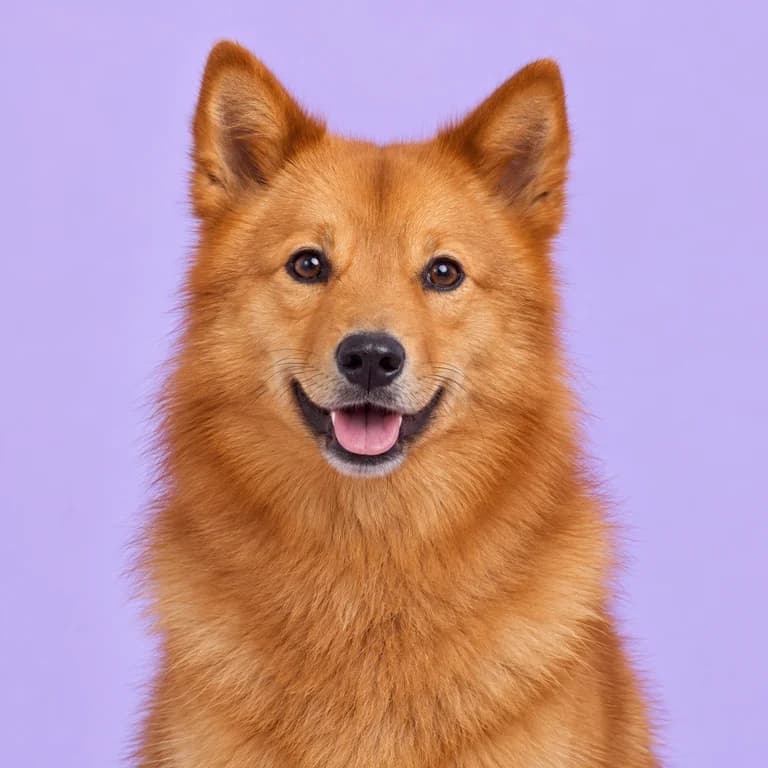
Non-sporting group
Finnish Spitz
9 to 15 kg · 13 to 15 years
Finland's fox-red bird dog, built to bark a treed capercaillie into staying put, and happy to narrate your day.
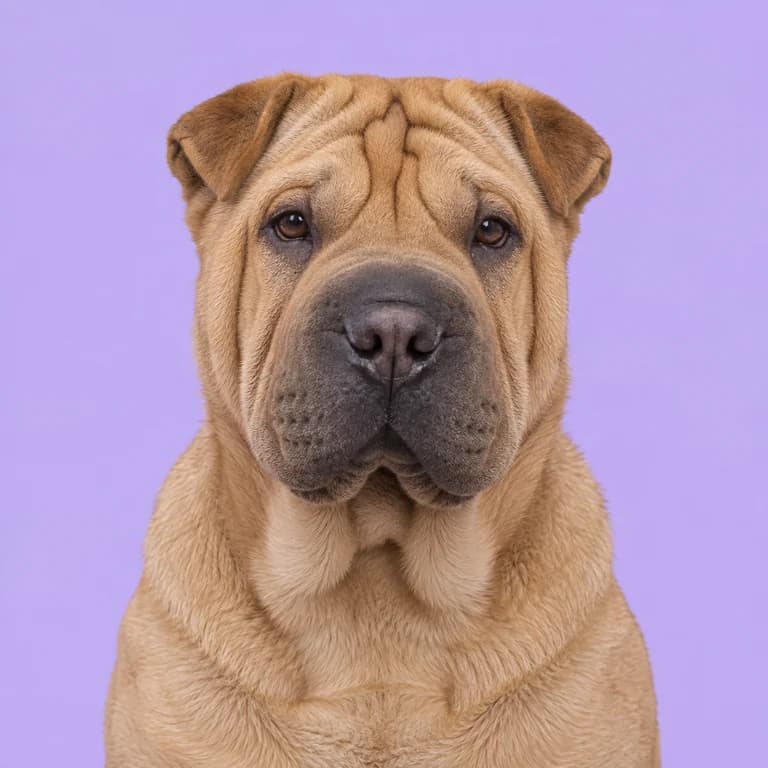
Non-sporting group
Chinese Shar-Pei
18 to 27 kg · 8 to 12 years
A wrinkled, blue-tongued guardian from southern China whose skin and eyes need more attention than almost any breed.
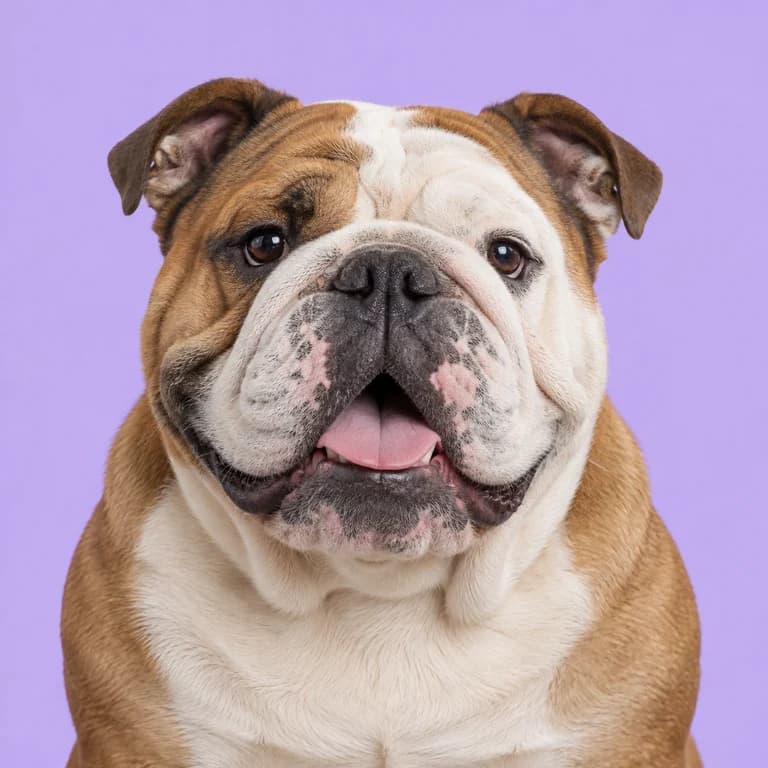
Non-sporting group
English Bulldog
18 to 25 kg · 8 to 10 years
A low-slung, sociable couch companion whose flat face shapes nearly every decision you make about its care.

Crossbreed
Cockapoo
5 to 11 kg · 12 to 15 years
Part spaniel, part poodle, the Cockapoo is a sociable, playful companion with a coat that never lets you skip grooming.

Non-sporting group
German Spitz
5 to 11 kg · 13 to 15 years
One of central Europe's oldest farm watchdogs, the German Spitz still guards the doorstep with its voice.
Non-sporting group
Japanese Spitz
5 to 10 kg · 12 to 16 years
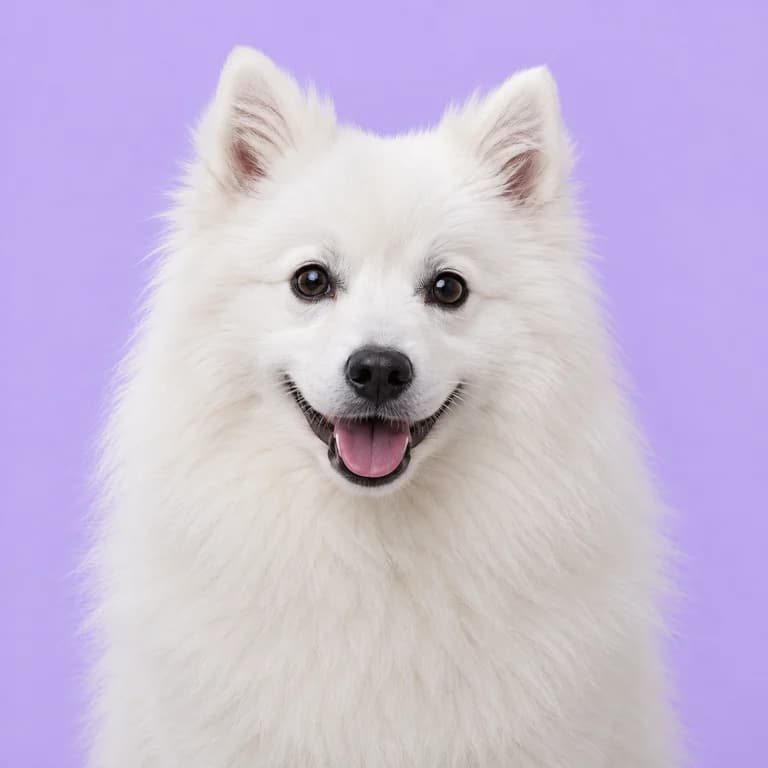
A snow-white spitz with a cheerful, people-centered nature and a coat that sheds dirt better than you would expect.