Sources for this article
Non-sporting group · China
Chinese Shar-Pei
Also called Shar-Pei, Shar Pei
A wrinkled, blue-tongued guardian from southern China whose skin and eyes need more attention than almost any breed.
The Shar-Pei is a calm, independent guardian with a sandpaper coat and a blue-black tongue. Its famous wrinkles, tiny ears and padded muzzle come with well-known health trade-offs, so it suits owners who choose a breeder carefully, check their dog closely and have a good vet they can reach quickly.
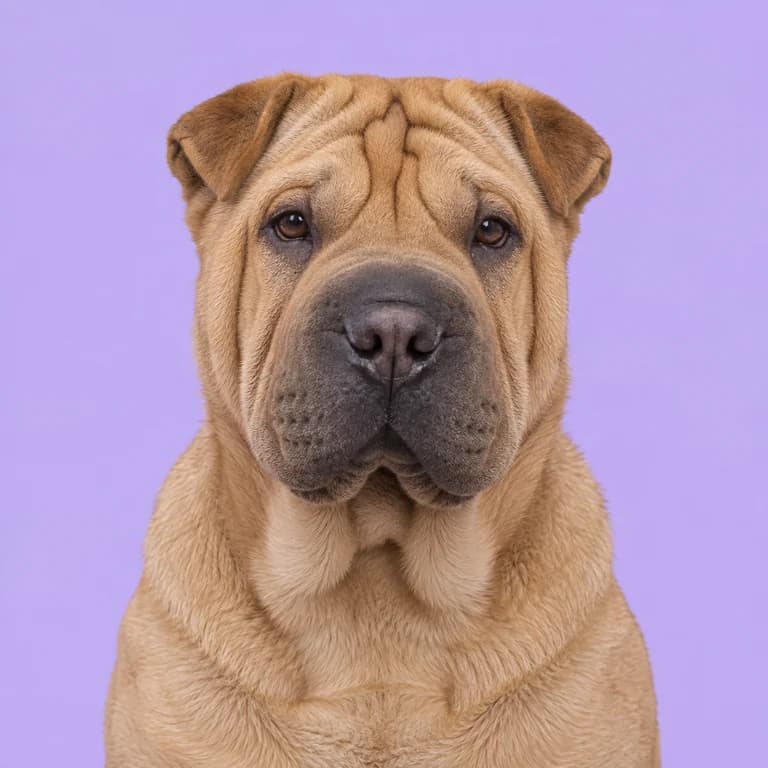
Original AI-generated breed illustration
Weight
18 to 27 kg
40 to 59 lb
Height
44 to 51 cm
at the shoulder
Life expectancy
8 to 12 yrs
Activity estimate
60 to 90 min
editorial daily planning range
Adult-size estimate
18 months
approximate model input
Life with a Chinese Shar-Pei
If you are considering a Shar-Pei, read the health section before anything else. The wrinkles, narrow ear canals and heavily padded muzzle that make the breed so recognizable are also the root of most of its problems, and an informed owner catches trouble early. Plenty of Shar-Pei live comfortable, full lives, and dogs from carefully bred, less exaggerated lines tend to be the sturdiest.
The breed comes from southern China, around Guangdong, where it served as an all-round farm dog: guarding property, hunting wild boar, herding and, at times, fighting. Pottery figures that resemble it date back around 2,000 years to the Han dynasty. The loose skin is said to have helped a fighting dog twist free when gripped. After 1949, dog keeping was heavily taxed and discouraged, and the breed survived mainly in Hong Kong and Macau.
In 1973 Matgo Law, a Hong Kong breeder, wrote to an American dog magazine asking for help to save the breed, and demand exploded. Rapid breeding for heavier wrinkling produced the 'meat-mouth' type with thick, dense folds, while the traditional 'bone-mouth' type is leaner with tighter skin. Both are still seen today.
In temperament, a Shar-Pei is loyal to its family, reserved with strangers and dignified to the point of aloofness. It is generally quiet and very clean, often house trained within days. It is not a dog that fawns over visitors, and it may not tolerate rough handling or pushy unfamiliar dogs.
What stands out
Health
Shar-Pei autoinflammatory disease, once called familial Shar-Pei fever, is the condition most associated with the breed: it causes episodes of high fever with swollen hocks or muzzle, and in some dogs it is linked with amyloidosis, a serious kidney problem. Entropion, skin fold infections, allergic skin disease, narrow ear canals prone to infection, an underactive thyroid and some other eye conditions also turn up more often than average.
Read the full health guideLife expectancy
8 to 12 yrs
Senior care
Individual assessment
age alone does not define care needs
A great match for
- experienced owners who want a calm, quiet dog
- adult households or families with older children
- flats and small homes with daily walks
- owners able to budget for above-average vet care
- people who respect an independent character
Think twice if
- recurring fevers and swelling in some lines
- eyelid problems that often need surgery
- skin fold and ear infections
- can be intolerant of unfamiliar dogs
- wary of strangers without careful socialization
Personality and needs at a glance
Living together
Good with children
Good with other dogs
Open with strangers
Apartment friendly
Copes with alone time
Energy and character
Energy level
Playfulness
Easy to train
Barking
5 means very vocal
Care and climate
Grooming needs
Shedding
Drooling
Handles cold
Handles heat
How much a Chinese Shar-Pei eats
Illustrative calculations for neutered adults at midpoint breed weights, with food at 370 kcal per 100 g and 100 g per cup. These are not measured breed requirements. Use actual weight, the food label and veterinary body-condition advice.
| Dog | Weight | Calories | Dry food |
|---|---|---|---|
| Female, relaxed lifestyle | 22 kg | 980 kcal | 265 g (2.8 cups) |
| Female, typical pet | 22 kg | 1120 kcal | 300 g (3 cups) |
| Male, typical pet | 24 kg | 1200 kcal | 325 g (3.3 cups) |
| Male, very active | 24 kg | 1490 kcal | 405 g (4 cups) |
Care guides for the Chinese Shar-Pei
Things owners are often surprised by
- 1By the early 1970s only a few dozen breeding dogs remained, most of them in Hong Kong and Macau.
- 2A 1973 appeal in an American dog magazine by Hong Kong breeder Matgo Law sparked the rescue of the breed.
- 3The name is usually translated as 'sand skin', describing the rough coat.
- 4Puppies are far more wrinkled than adults; most grow into their skin by about 18 months.
- 5An inherited inflammatory condition is so closely tied to the breed that it carries the breed's name.
Chinese Shar-Pei questions
Why does a Shar-Pei have a blue tongue?
The blue-black tongue is an inherited trait the breed shares with the Chow Chow, which suggests common ancestry in China. The color comes from pigment cells in the tongue, and a dark tongue is required by the breed standard. Dilute-colored Shar-Pei often have lavender tongues instead. Pink patches or a fully pink tongue in an adult can point to mixed ancestry.
Are Shar-Pei aggressive?
They are not naturally aggressive toward people, but they are protective and reserved, and some are intolerant of other dogs, especially of the same sex. With early, careful socialization most are calm and polite. Problems usually trace back to poor breeding, too little socialization or rough handling. Introduce new dogs gradually on neutral ground and never force a greeting.
Do Shar-Pei wrinkles need cleaning every day?
Not every fold every day, but the key areas deserve attention several times a week, and daily in hot, humid weather or for heavily wrinkled dogs. Focus on the nose fold, the lip folds and any spot that stays damp. Wipe gently, dry thoroughly, and look for redness or a smell. Scrubbing with harsh products can irritate the skin more than it helps.
What is the difference between a horse coat and a brush coat Shar-Pei?
A horse coat is very short, under about 1.3 cm (0.5 in), and feels prickly, almost bristly. A brush coat is longer, up to 2.5 cm (1 in), and feels a little softer. Both are accepted by the major kennel clubs and need similar care. A much longer 'bear coat' appears occasionally but counts as a fault under the breed standard.
How long do Shar-Pei usually live?
Typical lifespan is 8 to 12 years, somewhat shorter than many medium-sized breeds, largely because of the inherited inflammatory and kidney problems in the breed. Choosing a breeder who is open about health, keeping your dog lean, and acting quickly whenever a fever appears all improve the odds of reaching the upper end of that range.
Popular answers for owners
- How much to feedWhy does my measuring cup give a different amount than the bag's cup?
- Exercise and playHow much exercise does a dog need living in an apartment?
- Grooming and coatHow often should I brush a curly coated dog?
- Grooming and coatIs hair loss on the tail normal in dogs?
- How much to feedWhat is a realistic timeline to help a large dog lose 5kg?
- Puppy feeding and growthWhat size kibble is right for a small breed puppy?
Breeds you might compare
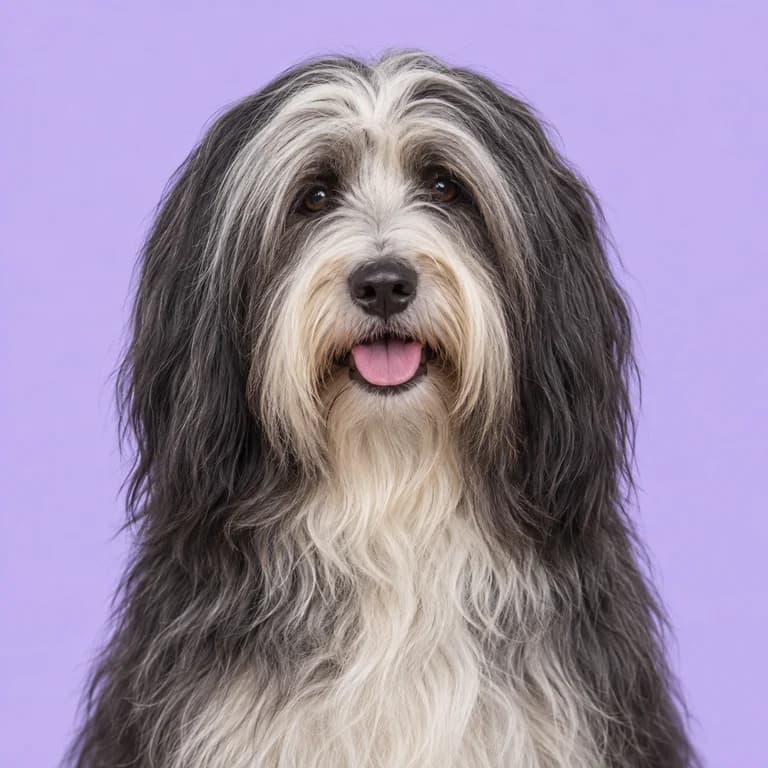
Non-sporting group
Tibetan Terrier
8 to 14 kg · 12 to 15 years
Not a terrier at all, but a shaggy mountain companion once given away as a living good-luck charm.
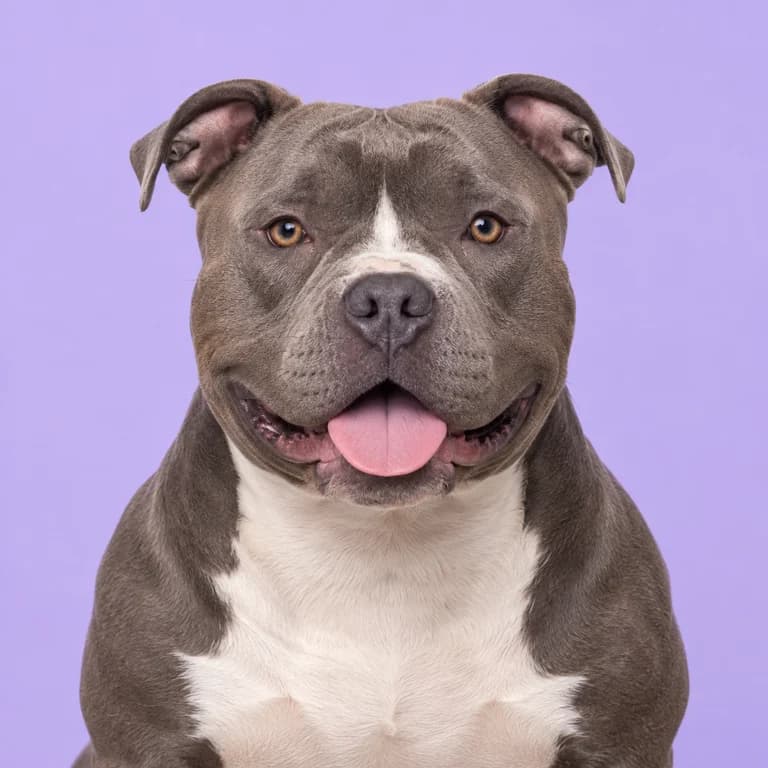
Non-sporting group
American Bully
20 to 36 kg · 10 to 12 years
A muscular American companion breed whose friendly nature is best served by moderate build and careful breeding choices.
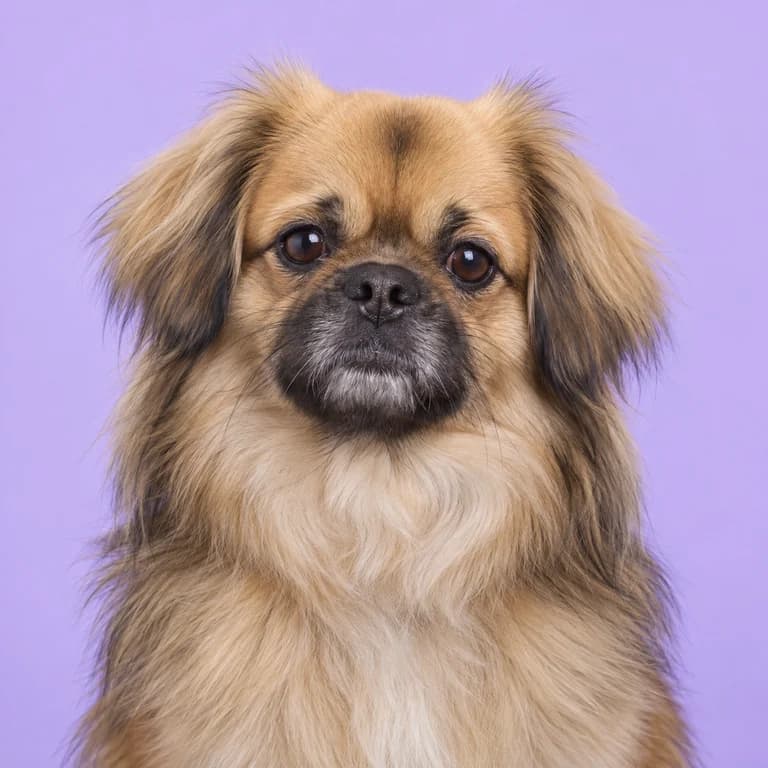
Non-sporting group
Tibetan Spaniel
4 to 7 kg · 12 to 15 years
Part watchdog, part cat: a small Himalayan dog that loves high perches and decides for itself who is a friend.
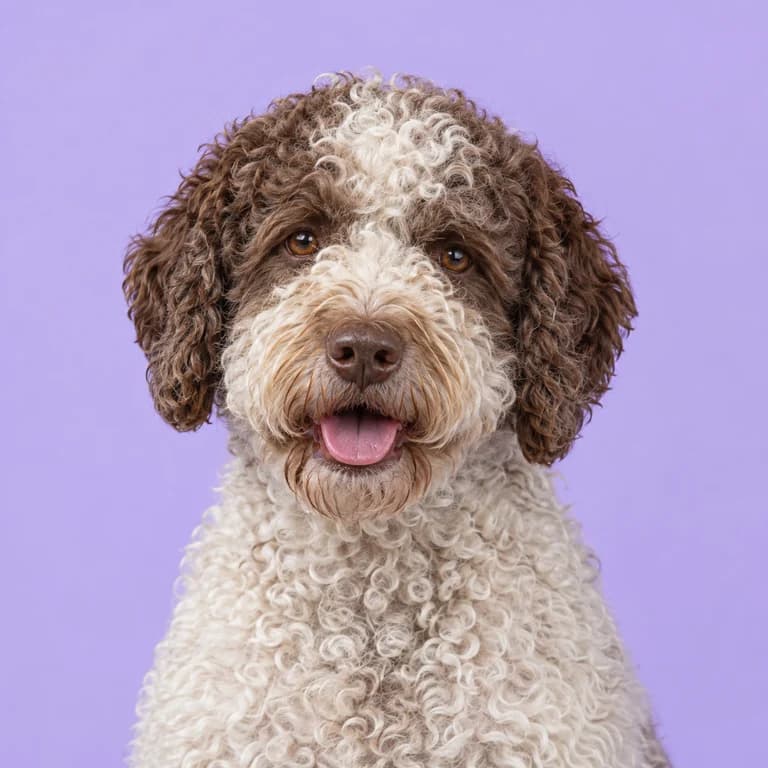
Sporting group
Lagotto Romagnolo
11 to 16 kg · 14 to 16 years
An Italian marsh retriever turned truffle hunter, with a curly coat and a nose that loves to dig.
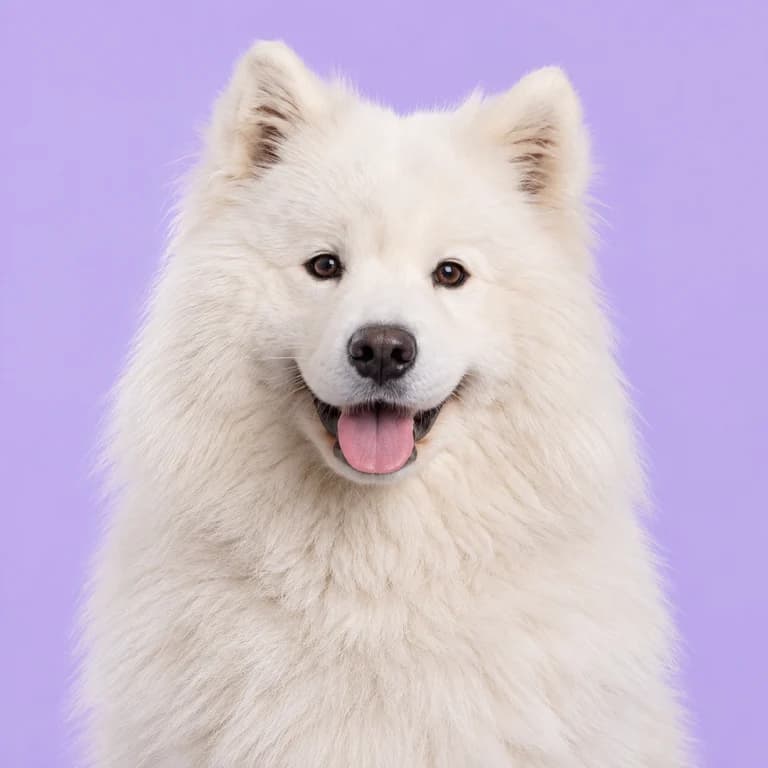
Working group
Samoyed
16 to 30 kg · 12 to 14 years
That famous white cloud of coat comes with a weekly brushing commitment and a chatty, sociable dog underneath.
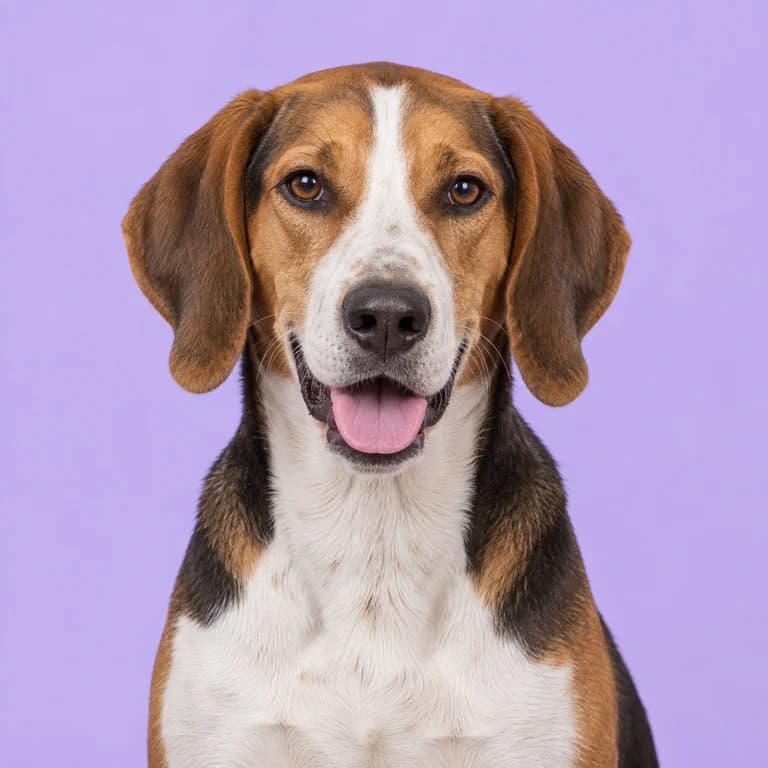
Hound group
Harrier
20 to 27 kg · 12 to 15 years
A pack hound bred to hunt hare on foot, bigger than a Beagle and more sociable than most dogs you will meet.