Sources for this article
Non-sporting group · Germany and France
Miniature Poodle
Also called Mini Poodle, Caniche Nain
A pocket-sized scholar that learns a new cue in a handful of repetitions and gets bored just as fast.
The Miniature Poodle packs the brain of its larger cousin into a dog that weighs about as much as a bag of flour. It is quick, observant and eager to work with you, which makes training a pleasure and a daily necessity. Expect a long life, a coat that needs real commitment, and a companion that notices everything.

Original AI-generated breed illustration
Weight
5 to 8 kg
11 to 18 lb
Height
28 to 38 cm
at the shoulder
Life expectancy
14 to 17 yrs
Activity estimate
90 to 120 min
editorial daily planning range
Adult-size estimate
11 months
approximate model input
Life with a Miniature Poodle
Poodles were water retrievers in German-speaking lands long before they became symbols of French elegance, and the name comes from the old German word for splashing in puddles. The smaller varieties were bred down from the Standard and found steady work as truffle hunters, street performers and household companions. That mix of fieldwork and showmanship still shapes the Miniature today: it wants a job, and it likes an audience.
Living with one feels a little like sharing a flat with a clever teenager. A Miniature Poodle reads your routine within days, learns which drawer holds the treats, and will test whether the rules still apply at 10 pm. It is affectionate without being clingy in the Velcro sense, yet it strongly prefers to be in the same room as its people.
This is a sensitive dog. Harsh voices or chaotic households can make some individuals nervous and vocal, while a calm, predictable home brings out a playful, funny, remarkably polite companion. Many are reserved with strangers for the first few minutes, then warm up once they have had a proper sniff.
What stands out
Training
Miniature Poodles learn fast, which works in both directions. A new cue can stick after five or six rewarded repetitions, but so can a bad habit, such as barking at you until dinner arrives. Short sessions of 5 to 10 minutes, ending while the dog is still keen, work far better than long drills.
Read the full training guideEasy to train
Open with strangers
Good with other dogs
A great match for
- owners who enjoy daily training games
- apartment living with regular walks
- people who prefer a low-shedding dog
- active retirees
- families with considerate children
Think twice if
- grooming costs add up over a long life
- can become anxious when left alone for long days
- invents its own games if under-stimulated
- tends to bark at door noises unless taught otherwise
Personality and needs at a glance
Living together
Good with children
Good with other dogs
Open with strangers
Apartment friendly
Copes with alone time
Energy and character
Energy level
Playfulness
Easy to train
Barking
5 means very vocal
Care and climate
Grooming needs
Shedding
Drooling
Handles cold
Handles heat
How much a Miniature Poodle eats
Illustrative calculations for neutered adults at midpoint breed weights, with food at 370 kcal per 100 g and 100 g per cup. These are not measured breed requirements. Use actual weight, the food label and veterinary body-condition advice.
| Dog | Weight | Calories | Dry food |
|---|---|---|---|
| Female, relaxed lifestyle | 6 kg | 380 kcal | 100 g (1 cups) |
| Female, typical pet | 6 kg | 430 kcal | 115 g (1.3 cups) |
| Male, typical pet | 7 kg | 460 kcal | 125 g (1.3 cups) |
| Male, very active | 7 kg | 570 kcal | 155 g (1.5 cups) |
Care guides for the Miniature Poodle
Things owners are often surprised by
- 1Stands 28 to 38 cm (11 to 15 in) at the shoulder; anything taller is a Standard, anything shorter a Toy.
- 2The famous show clip began as a practical cut: shaved legs for swimming, tufts left over joints and chest for warmth.
- 3Many live past 15, so a puppy bought today may still be with you in the late 2030s.
- 4Its coat keeps growing, so most owners book a professional trim every 4 to 6 weeks.
- 5Circus performers in 19th century France favored the smaller poodles for trick routines.
Miniature Poodle questions
Is a Miniature Poodle hypoallergenic?
No dog is fully allergen-free, because the proteins that trigger allergies come from skin, saliva and urine, not just hair. That said, the curly coat holds shed hair rather than scattering it, and many people with mild allergies cope well with a Mini. Spend time with the breed, ideally the specific puppy's parents, before you commit, and keep up with regular bathing and grooming.
What is the difference between a Miniature and a Toy Poodle?
They are the same breed separated only by height. A Miniature measures roughly 28 to 38 cm (11 to 15 in) at the shoulder, while a Toy stays under about 28 cm (10 in). Minis are sturdier, usually easier to house-train, and cope better with boisterous play. Toys are more fragile and suit quieter adult households.
Do Miniature Poodles bark a lot?
They are alert and will announce the postman, a car door or a leaf blowing past if you let it become a habit. Most are moderate barkers rather than yappy ones. Teaching a quiet cue early, rewarding calm behavior at the window, and giving enough mental work each day keeps the volume down for most dogs.
Can I groom a Miniature Poodle myself?
Yes, many owners learn to do basic trims at home with quality clippers and a good comb. Start with brushing and face tidying, then progress to a simple all-over lamb clip. Expect the first few attempts to look uneven. Watching a professional groomer or taking a short grooming course saves a lot of trial and error.
At what age does a Miniature Poodle calm down?
Most settle noticeably between 18 months and 2 years, though they stay playful well into old age. A Mini with enough exercise and daily training usually becomes calm indoors much earlier. If an adult still seems wired every evening, look at the balance of mental work and rest rather than simply adding longer walks.
Popular answers for owners
- Puppy feeding and growthHow much should a 14 month old puppy eat?
- Exercise and playHow long should a fetch session last?
- How much to feedWhat is a realistic timeline to help a large dog lose 5kg?
- Exercise and playHow much exercise does a high energy breed need?
- Puppy feeding and growthWhat happens if I switch my puppy to adult food too early?
- Bowls and feeding gearWhat is a feeding mat for and do I need one?
Breeds you might compare
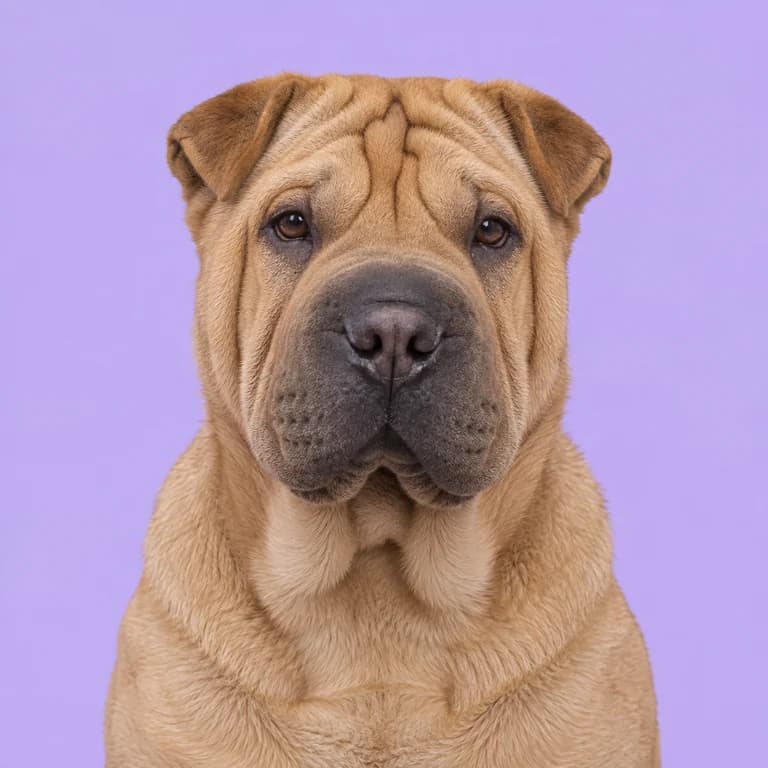
Non-sporting group
Chinese Shar-Pei
18 to 27 kg · 8 to 12 years
A wrinkled, blue-tongued guardian from southern China whose skin and eyes need more attention than almost any breed.
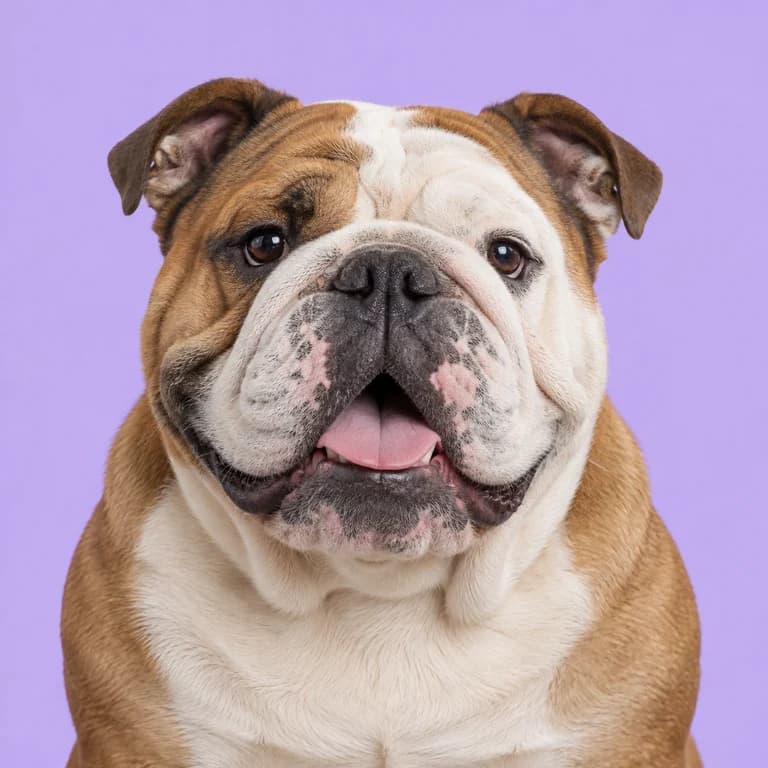
Non-sporting group
English Bulldog
18 to 25 kg · 8 to 10 years
A low-slung, sociable couch companion whose flat face shapes nearly every decision you make about its care.
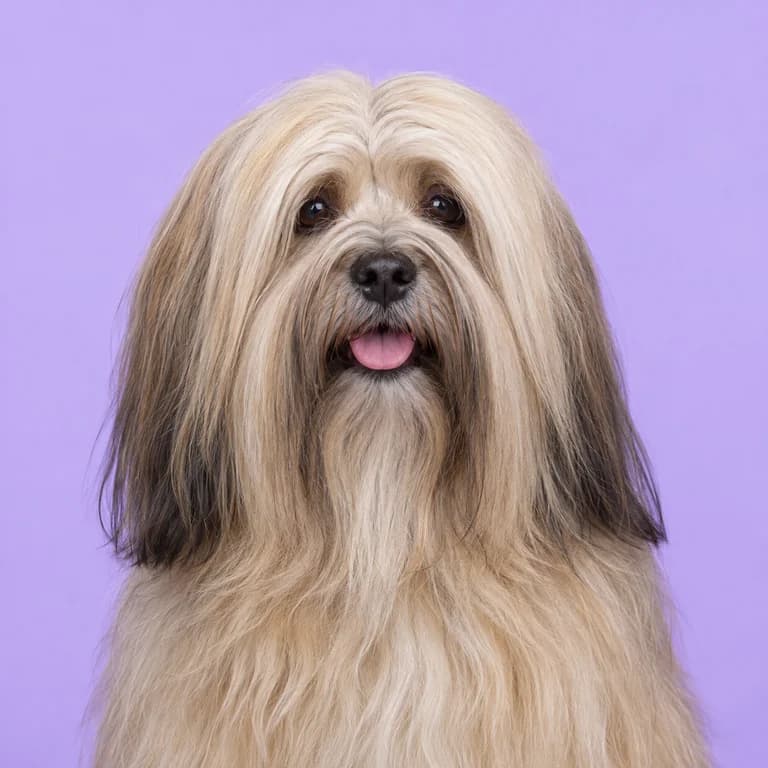
Non-sporting group
Lhasa Apso
5 to 8 kg · 12 to 16 years
A small Tibetan sentinel with a floor-length coat and a surprisingly serious sense of its own importance.
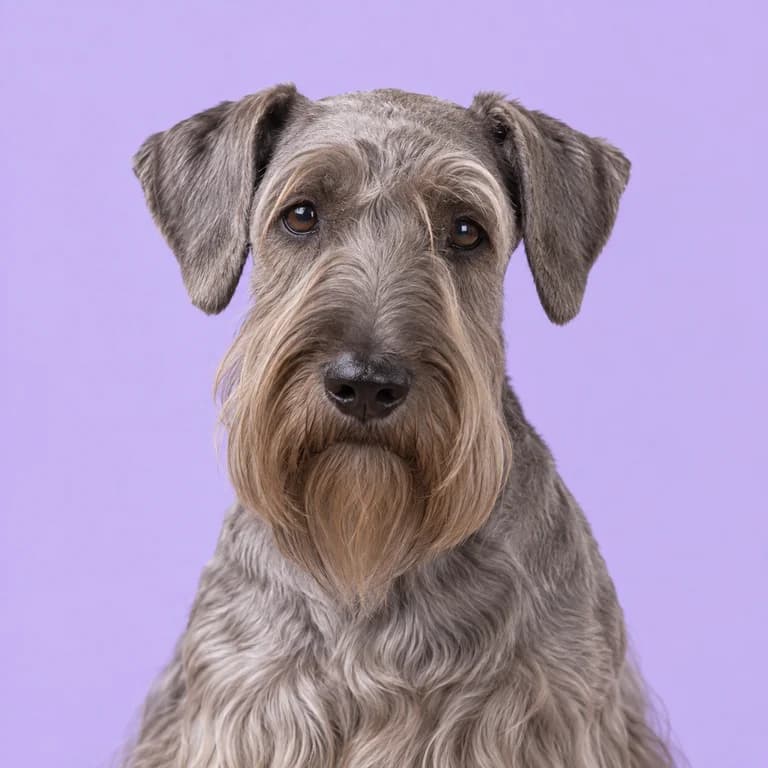
Terrier group
Cesky Terrier
6 to 10 kg · 12 to 15 years
A calm, low terrier created by a Czech geneticist, with a silky coat that is clipped rather than stripped.

Non-sporting group
Bichon Frise
5 to 8 kg · 14 to 16 years
The white powder puff hides a sturdy, sociable dog, and keeping that coat right is a weekly commitment.

Toy group
Shih Tzu
4 to 7 kg · 10 to 16 years
A palace lapdog with a lion's name, a topknot and a coat that grows much like human hair.