Sources for this article
Toy group · Tibet and China
Shih Tzu
Also called Lion Dog, Chrysanthemum Dog
A palace lapdog with a lion's name, a topknot and a coat that grows much like human hair.
The Shih Tzu was refined in the imperial court of Beijing as an indoor companion, and it still takes that role seriously. It is sturdy, cheerful and suited to small homes, but the coat is a real commitment: long or clipped, it needs regular attention to stay comfortable and healthy.
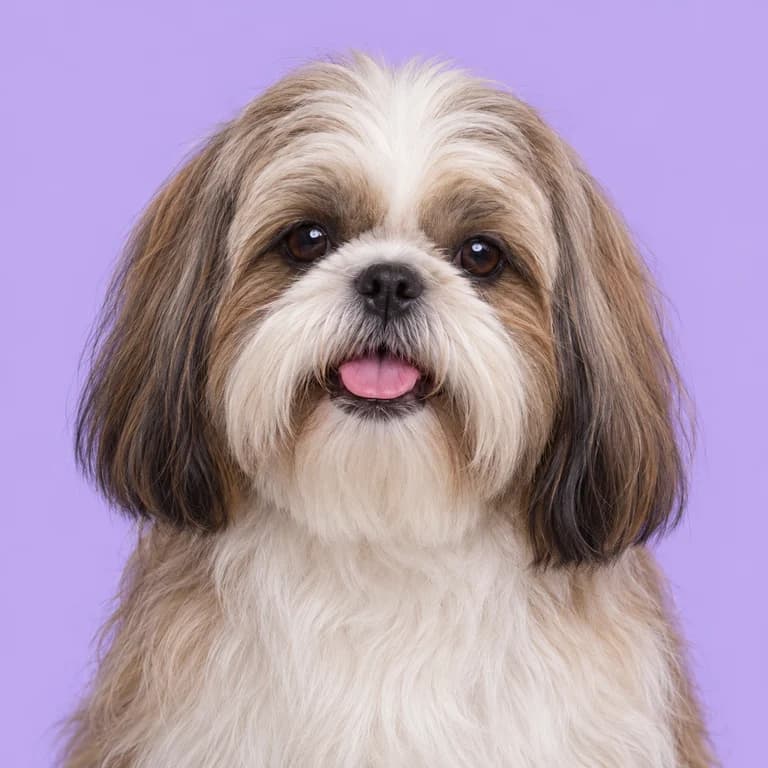
Original AI-generated breed illustration
Weight
4 to 7 kg
9 to 15 lb
Height
20 to 27 cm
at the shoulder
Life expectancy
10 to 16 yrs
Activity estimate
30 to 60 min
editorial daily planning range
Adult-size estimate
10 months
approximate model input
Life with a Shih Tzu
A Shih Tzu's coat grows in much the same way yours does: slowly, constantly and without a dramatic seasonal shed. That is why the breed turns up on lists of tidy dogs, and also why it has a reputation for high maintenance. The hair you do not find on the sofa is still being lost; it simply stays caught in the coat until you brush it out, or until it knots into a mat.
The breed's roots lie in Tibetan monasteries, which sent small lion-like dogs as diplomatic gifts to Chinese emperors. Breeding inside the Forbidden City, probably with some Pekingese influence, shaped the dog we know. The Empress Dowager Cixi kept large numbers of them in the late 1800s. After the revolution of 1949 the breed all but vanished in China, and the modern population descends from a small group taken to Britain and Scandinavia in the 1930s.
Day to day, a Shih Tzu is easy company. It wants to be where you are, is rarely aggressive, and usually gets along with visitors, other dogs and even cats. It is sturdier and less fragile than many toy breeds, though it has firm opinions and a clear preference for the most comfortable cushion in the house.
What stands out
Grooming
A full coat needs daily brushing right down to the skin, using a pin brush and then a fine metal comb. Work in sections with the dog lying on its side, and mist the hair lightly first, because brushing a dry coat causes breakage. Behind the ears, the armpits and under the collar are the classic trouble spots.
Read the full grooming guideIllustrative grooming schedule based on our editorial coat-care score. Adjust it to the individual coat and professional advice.
Brushing
Daily
Bathing
Every 3 to 6 weeks
Shedding
Light
Nail trim
Every 3 to 4 weeks
A great match for
- flat and apartment living
- older adults and quieter households
- owners who enjoy grooming or can budget for a groomer
- people who are home for much of the day
- families with calm school-age children
Think twice if
- coat mats within days if brushing slips
- flat face makes heat and hard exercise risky
- house training can take months
- prominent eyes are easily injured
- crowded teeth build tartar quickly
Personality and needs at a glance
Living together
Good with children
Good with other dogs
Open with strangers
Apartment friendly
Copes with alone time
Energy and character
Energy level
Playfulness
Easy to train
Barking
5 means very vocal
Care and climate
Grooming needs
Shedding
Drooling
Handles cold
Handles heat
How much a Shih Tzu eats
Illustrative calculations for neutered adults at midpoint breed weights, with food at 370 kcal per 100 g and 100 g per cup. These are not measured breed requirements. Use actual weight, the food label and veterinary body-condition advice.
| Dog | Weight | Calories | Dry food |
|---|---|---|---|
| Female, relaxed lifestyle | 6 kg | 350 kcal | 95 g (1 cups) |
| Female, typical pet | 6 kg | 400 kcal | 110 g (1 cups) |
| Male, typical pet | 6 kg | 400 kcal | 110 g (1 cups) |
| Male, very active | 6 kg | 500 kcal | 135 g (1.3 cups) |
Care guides for the Shih Tzu
Things owners are often surprised by
- 1The name translates roughly as 'lion dog', a reference to the lion figures of Tibetan Buddhism.
- 2Every Shih Tzu alive today is thought to descend from just 14 dogs used to rebuild the breed outside China.
- 3A full show coat can reach the floor and takes an hour or more to brush out properly.
- 4Hair on the bridge of the nose grows upward, which is why the topknot exists.
- 5Adults weigh only 4 to 7 kg (9 to 16 lb) but feel solid and heavy when lifted.
Shih Tzu questions
Do Shih Tzus shed?
Very little hair lands on the floor, but they do shed. Loose hairs get trapped in the long coat instead of falling out, which is exactly why regular brushing matters: skipped sessions turn that trapped hair into mats. Clipped dogs leave a little more on furniture than full-coated ones. No dog is free of allergens, so anyone with allergies should spend time with the breed before committing.
What causes tear stains on a Shih Tzu?
The prominent eyes and the facial hair that touches them lead to constant watering, and the reddish-brown color comes from pigments in tears and saliva that darken on pale hair. Keeping the hair above the nose short or tied up, wiping daily and drying the area well all reduce staining. A sudden increase in tearing, squinting or a cloudy eye needs a vet, not a stain remover.
Is a Shih Tzu a good dog for a senior owner?
Often an excellent one. The breed is light enough to lift, happy with modest walks and content to spend much of the day on a lap. The main thing to plan for is grooming, which may mean regular salon visits if brushing is hard on the hands, and a lifespan that commonly reaches 13 to 15 years. A settled adult from a rescue can be a very good match.
How long can a Shih Tzu be left alone?
Most adults cope with about four hours, and some manage a little longer once they have a settled routine. Puppies need a toilet break every two to three hours. Because the breed exists purely for company, frequent long absences can lead to barking, accidents indoors and clingy behavior. A midday visit from a neighbor or dog walker helps a lot for full-time workers.
What is the difference between a Shih Tzu and a Lhasa Apso?
They look alike but differ in several ways. The Lhasa Apso comes from Tibet, has a longer muzzle, a heavier and harder coat, and a more watchful, aloof character that makes it a keener alarm barker. The Shih Tzu has a shorter face, a rounder head, a softer coat and a friendlier attitude toward strangers. Both need a similar level of grooming.
Popular answers for owners
- Exercise and playHow do you teach a dog the name of each toy?
- Exercise and playCan mental enrichment replace physical exercise?
- Puppy feeding and growthWhen should I cut my puppy from 3 meals to 2?
- Exercise and playHow much exercise does a small breed dog need?
- Grooming and coatHow do I detangle a curly coat without shaving it?
- How much to feedHow much should I feed a low energy or couch potato dog?
Breeds you might compare
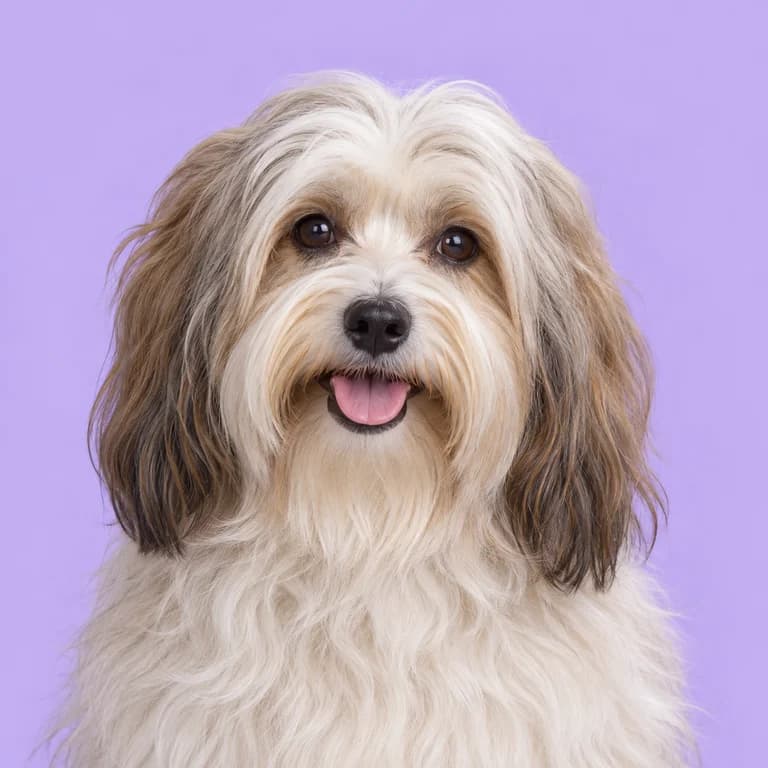
Toy group
Havanese
3 to 6 kg · 14 to 16 years
Cuba's national dog, a cheerful little shadow that treats every room you enter as the place to be.
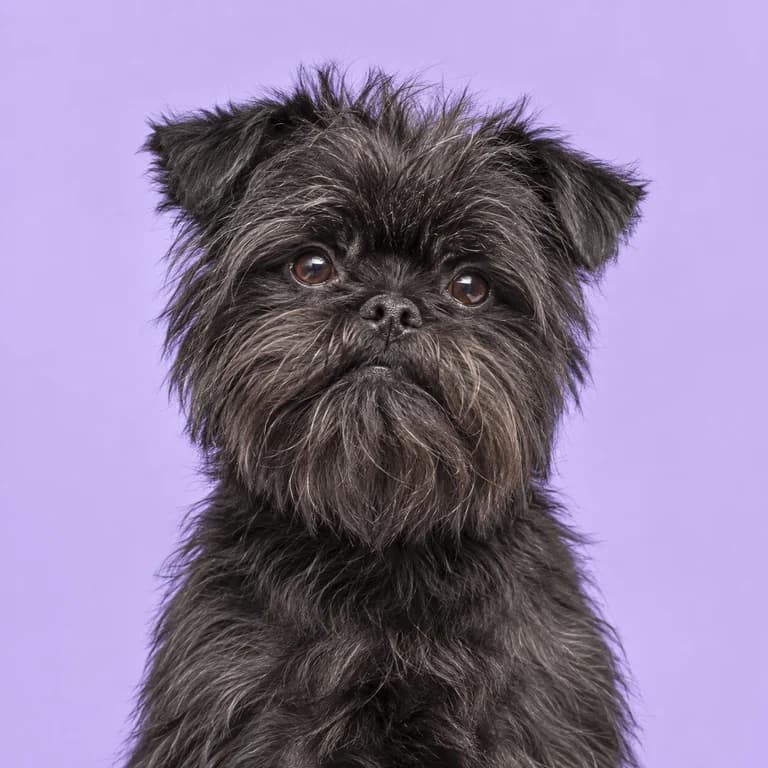
Toy group
Affenpinscher
3 to 6 kg · 12 to 15 years
Barely 4 kg of confidence, a monkey-faced stable ratter that behaves as if nobody told it how small it is.
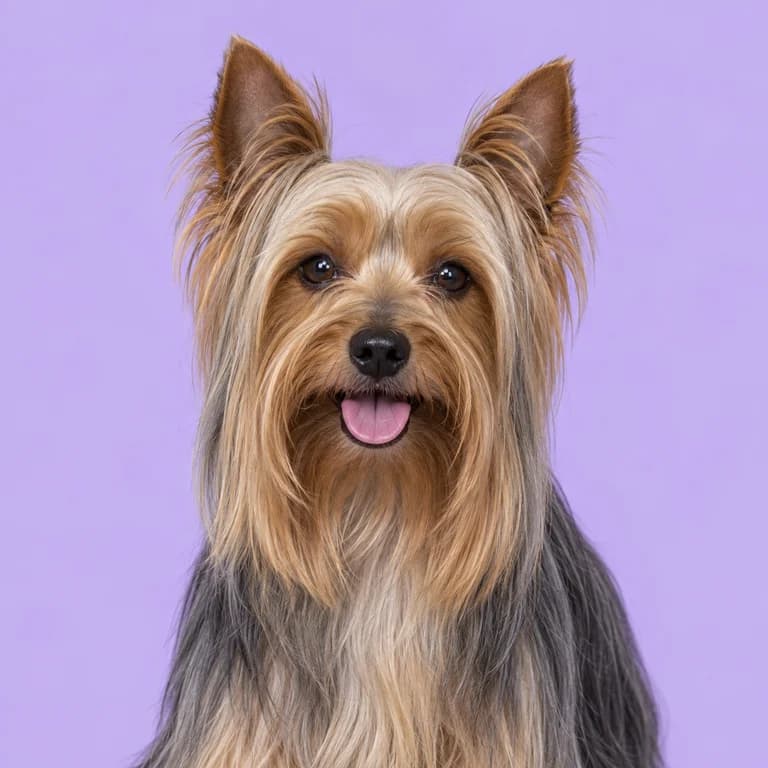
Toy group
Silky Terrier
4 to 5 kg · 13 to 15 years
A true terrier in a toy-sized body, dressed in blue and tan silk and still keen to catch a rat.
Terrier group
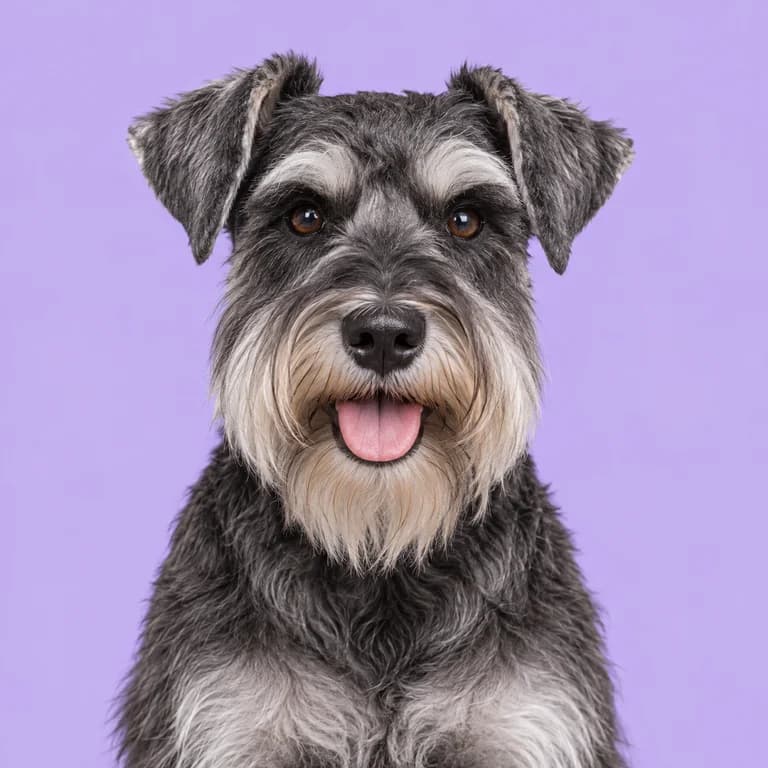
Miniature Schnauzer
5 to 9 kg · 12 to 15 years
A bearded farmyard ratter whose wiry coat needs a plan and whose opinions come out loud.
Non-sporting group
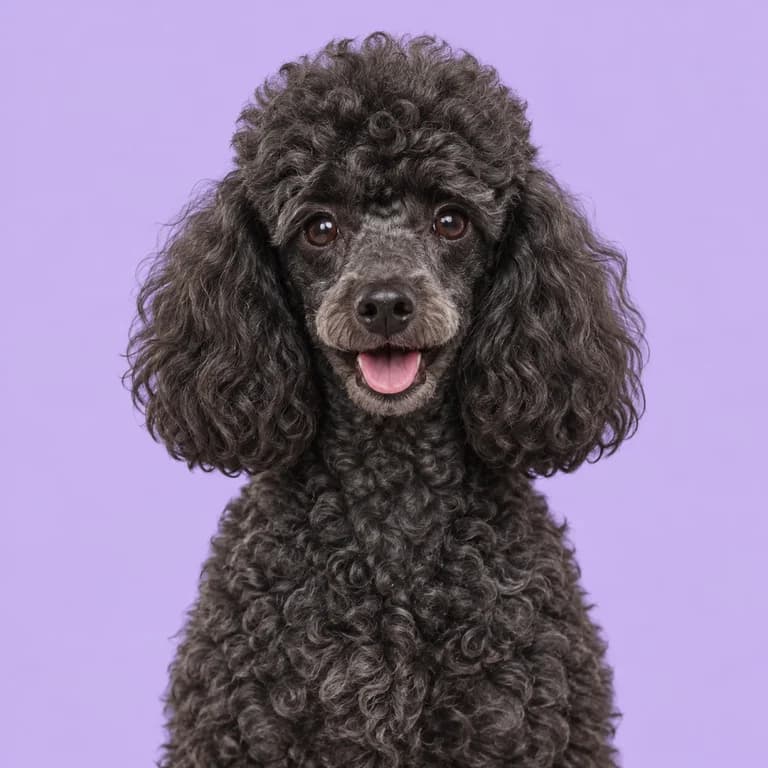
Miniature Poodle
5 to 8 kg · 14 to 17 years
A pocket-sized scholar that learns a new cue in a handful of repetitions and gets bored just as fast.
Terrier group
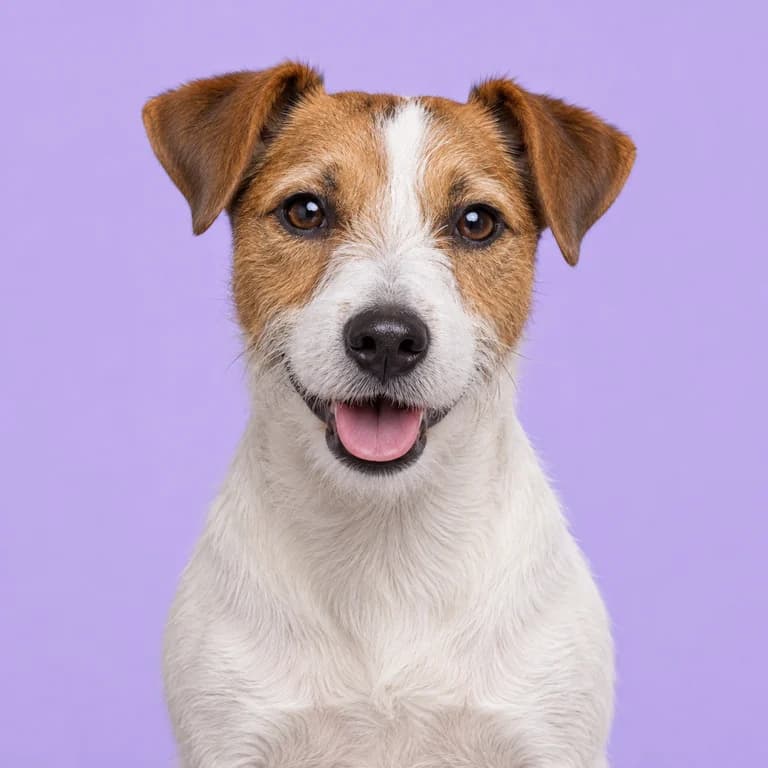
Jack Russell Terrier
5 to 7 kg · 13 to 16 years
A pocket-sized hunter with a huge work ethic that will train you if you do not train it first.