Sources for this article
Terrier group · Czech Republic
Cesky Terrier
Also called Bohemian Terrier, Czech Terrier
A calm, low terrier created by a Czech geneticist, with a silky coat that is clipped rather than stripped.
The Cesky Terrier was created in 1949 by Czech geneticist František Horák, who crossed a Sealyham Terrier with a Scottish Terrier to produce a hunting terrier for Bohemian forests. It is gentler and quieter than many terriers, with a soft, silky coat that needs regular clipping. Adaptable and affectionate, it suits families and flats alike.
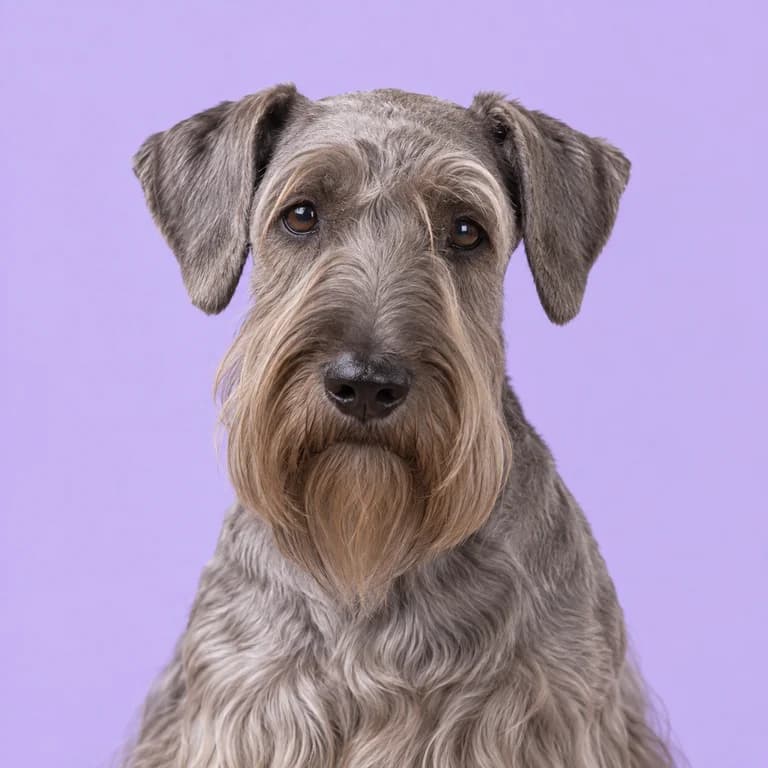
Original AI-generated breed illustration
Weight
6 to 10 kg
13 to 22 lb
Height
25 to 32 cm
at the shoulder
Life expectancy
12 to 15 yrs
Activity estimate
60 to 90 min
editorial daily planning range
Adult-size estimate
12 months
approximate model input
Life with a Cesky Terrier
Few breeds have a named inventor and a birth year, but the Cesky Terrier has both. In 1949 František Horák, a Czech geneticist and keen hunter, crossed a Sealyham Terrier with a Scottish Terrier, aiming for a lighter, narrower-chested dog that could follow foxes and badgers underground and work calmly in a pack in the Bohemian forests.
Horák kept meticulous breeding records, and the Cesky was recognized by the FCI in 1963. It spread slowly to Britain and North America, gaining AKC recognition only in 2011, and it remains uncommon almost everywhere outside its homeland.
Compared with many terriers, the Cesky is calm and polite. It was bred to hunt alongside other dogs, so it tends to get on with them and is less likely to bark nonstop or pick fights. It is still a terrier, with a keen nose and a chase instinct, but at home it is often gentle and cuddly, and reserved with strangers until it has sized them up.
The coat is what sets the breed apart day to day. Rather than the harsh wire of a Scottie, a Cesky grows a soft, silky coat that is clipped short on the back and sides and left long on the beard, eyebrows, legs and belly. Keeping it looking right is a regular job, and it is the part of Cesky ownership most people underestimate.
What stands out
Grooming
Grooming is the main commitment. Most Ceskys are clipped every 6 to 8 weeks: short on the back and sides, with longer furnishings on the beard, eyebrows, legs and a skirt along the belly. Between clips, brush and comb the furnishings two or three times a week, especially behind the ears, in the armpits and on the legs, where the soft hair tangles quickly.
Read the full grooming guideIllustrative grooming schedule based on our editorial coat-care score. Adjust it to the individual coat and professional advice.
Brushing
4 to 5 times a week
Bathing
Every 3 to 6 weeks
Shedding
Minimal
Nail trim
Every 3 to 4 weeks
A great match for
- apartment living
- families with children
- owners who want a calmer terrier
- people willing to learn clipping
Think twice if
- clipping every 6 to 8 weeks
- beard needs daily cleaning
- reserved with strangers
- rare, so puppies are hard to find
- still has a terrier chase instinct
Personality and needs at a glance
Living together
Good with children
Good with other dogs
Open with strangers
Apartment friendly
Copes with alone time
Energy and character
Energy level
Playfulness
Easy to train
Barking
5 means very vocal
Care and climate
Grooming needs
Shedding
Drooling
Handles cold
Handles heat
How much a Cesky Terrier eats
Illustrative calculations for neutered adults at midpoint breed weights, with food at 370 kcal per 100 g and 100 g per cup. These are not measured breed requirements. Use actual weight, the food label and veterinary body-condition advice.
| Dog | Weight | Calories | Dry food |
|---|---|---|---|
| Female, relaxed lifestyle | 8 kg | 440 kcal | 120 g (1.3 cups) |
| Female, typical pet | 8 kg | 510 kcal | 135 g (1.3 cups) |
| Male, typical pet | 9 kg | 560 kcal | 150 g (1.5 cups) |
| Male, very active | 9 kg | 700 kcal | 190 g (2 cups) |
Care guides for the Cesky Terrier
Things owners are often surprised by
- 1Puppies are born black or dark brown and gradually lighten to gray-blue or coffee over about 2 years
- 2Recognized by the FCI in 1963 and by the AKC in 2011
- 3Unlike most wire-coated terriers, the coat is clipped with electric clippers rather than hand-stripped
- 4Bred to hunt in packs, so it tends to be more tolerant of other dogs than many terriers
- 5Pronounced roughly 'CHESS-kee', from the Czech word for Czech or Bohemian
Cesky Terrier questions
Why is my Cesky Terrier puppy black?
All gray-blue Ceskys are born black, and coffee-colored dogs are born chocolate brown. The color lightens gradually as the adult coat grows in, often not settling until 2 to 3 years of age. Many owners are surprised by how dramatic the change is. The final shade of gray varies from dog to dog.
Is the Cesky Terrier hypoallergenic?
No breed is truly allergen-free, but Ceskys shed very little, because loose hair stays in the coat until brushed out. Some people with mild allergies tolerate them well, while others react to dander or saliva. Spending time with adult Ceskys before committing is the best way to judge how you will cope.
How do you pronounce Cesky Terrier?
Say it roughly as 'CHESS-kee'. The name comes from the Czech word český, meaning Czech or Bohemian, and the breed is sometimes called the Bohemian Terrier in English. In its homeland it is known as the český teriér. Because the breed is rare, many people outside the Czech Republic have never heard the name spoken aloud.
Are Cesky Terriers good with other dogs?
Generally yes. Ceskys were bred to hunt in packs, so they tend to be more tolerant of other dogs than many terriers. Early socialization helps, and most live happily with other dogs. Small pets such as rodents are a different story, because the terrier chase instinct is still strong, so introductions need care.
Can I groom a Cesky Terrier myself?
Yes, many owners do. You will need good clippers, a comb, a slicker brush and scissors, plus patience to learn the pattern: short on the body, longer furnishings on the beard, eyebrows, legs and belly. Start with a professional groom so you have a template, then follow the lines. Most owners get comfortable after a few attempts.
Popular answers for owners
- How much to feedHow much should I feed a 120 lb dog?
- Puppy feeding and growthHow many meals a day does a large breed puppy need?
- Grooming and coatHow often should a doodle be brushed?
- Bowls and feeding gearAre painted or glazed ceramic bowls safe?
- Bowls and feeding gearAre slow feeder mats better than slow feeder bowls?
- Puppy feeding and growthWhy does my puppy refuse to eat its food?
Breeds you might compare
Terrier group
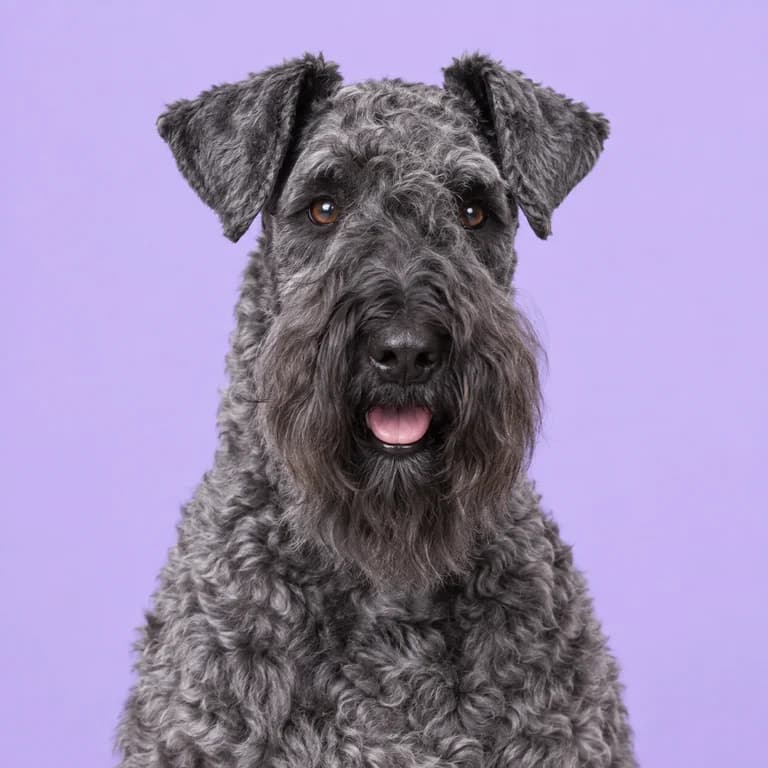
Kerry Blue Terrier
14 to 18 kg · 12 to 15 years
Born black, turning blue by adolescence, this Irish farm terrier trades shedding for a standing appointment with scissors.
Terrier group
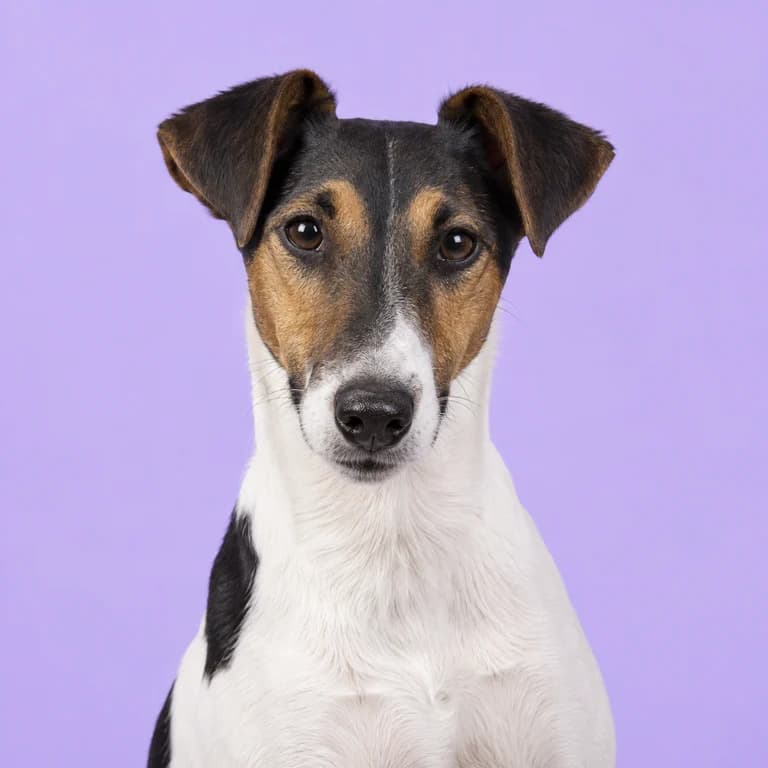
Smooth Fox Terrier
6 to 9 kg · 12 to 15 years
A lively white terrier bred to bolt foxes, still wired for chasing, digging and running rings around you.
Terrier group
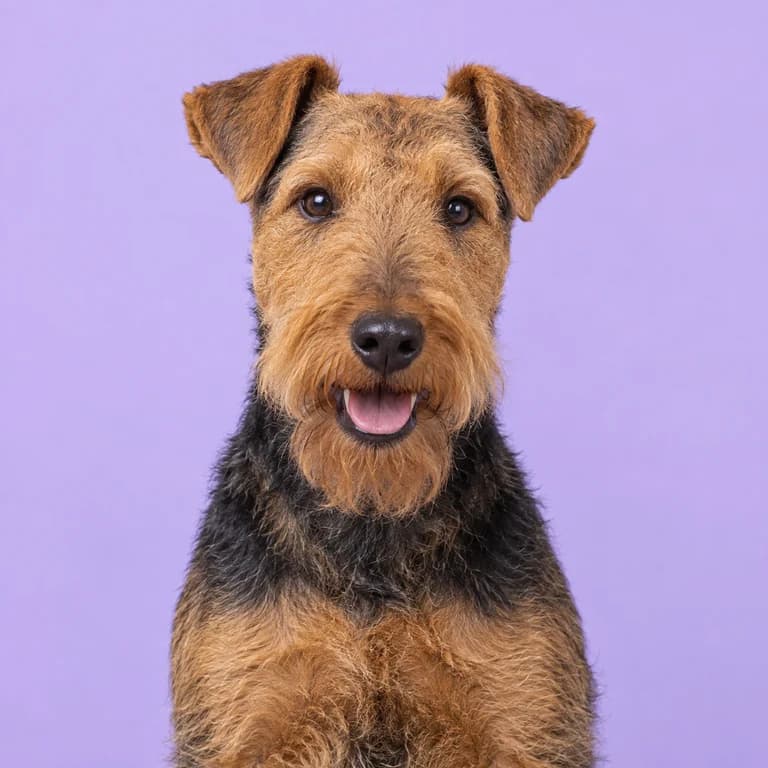
Welsh Terrier
8 to 10 kg · 12 to 15 years
Confident, clownish and a little stubborn, the Welsh Terrier packs a working terrier's spirit into a tidy 10 kg.
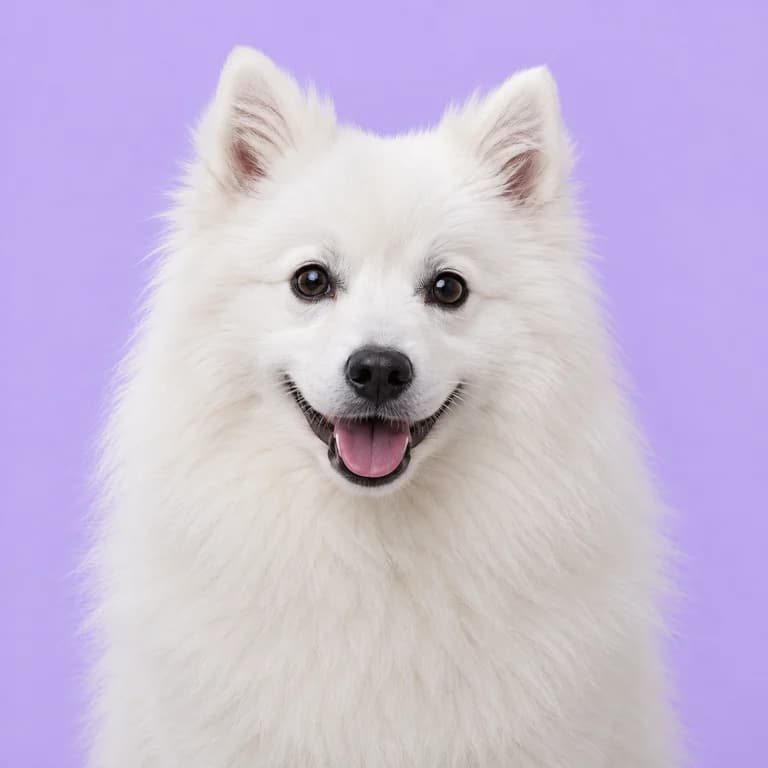
Non-sporting group
Japanese Spitz
5 to 10 kg · 12 to 16 years
A snow-white spitz with a cheerful, people-centered nature and a coat that sheds dirt better than you would expect.
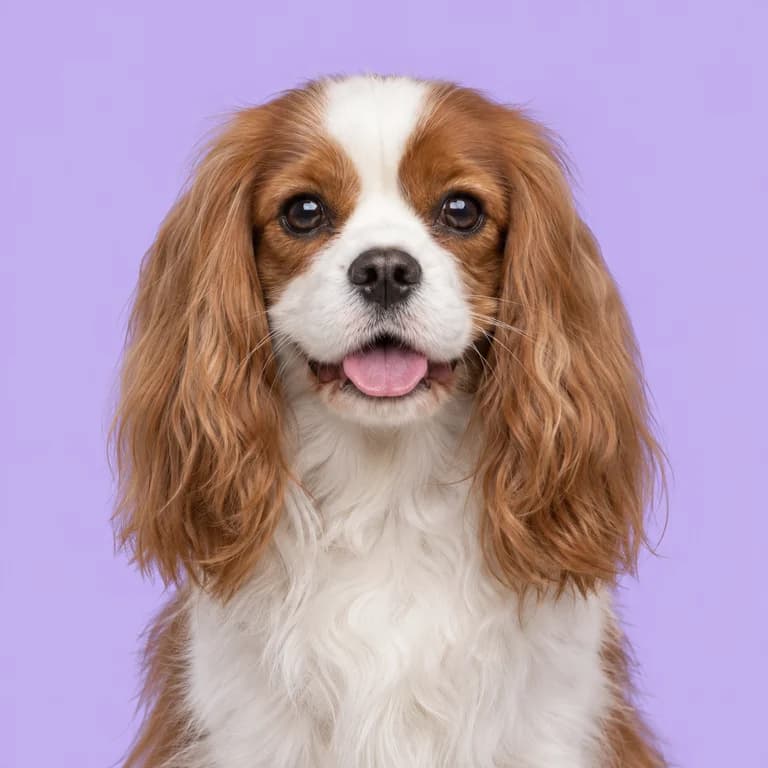
Toy group
Cavalier King Charles Spaniel
6 to 8 kg · 9 to 14 years
A gentle lap spaniel with royal portraits in its past and a heart that deserves careful watching.
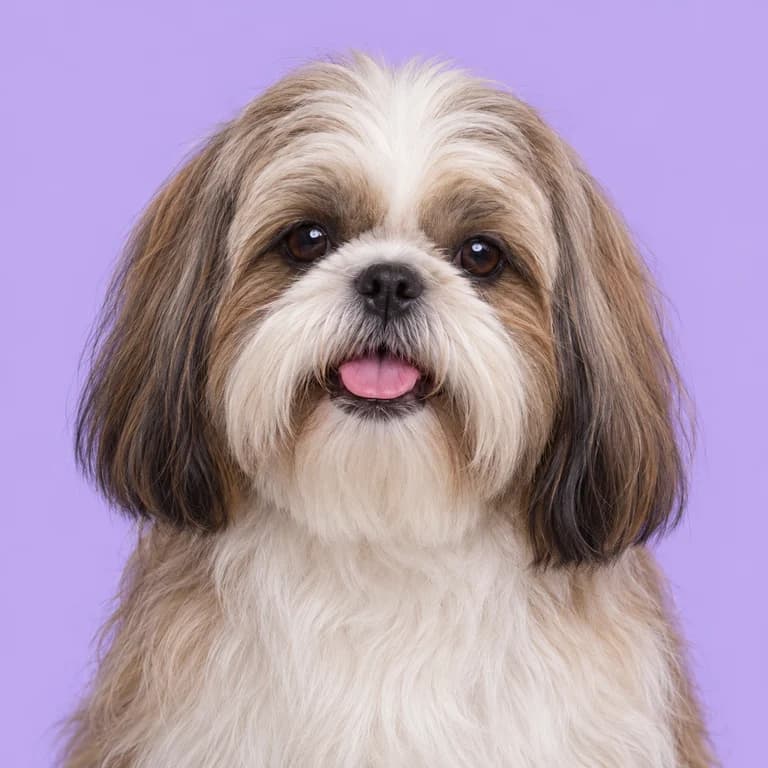
Toy group
Shih Tzu
4 to 7 kg · 10 to 16 years
A palace lapdog with a lion's name, a topknot and a coat that grows much like human hair.