Sources for this article
Non-sporting group · France and Belgium (Mediterranean roots)
Bichon Frise
Also called Bichon à Poil Frisé, Bichon Tenerife
The white powder puff hides a sturdy, sociable dog, and keeping that coat right is a weekly commitment.
The Bichon Frise is a small, cheerful companion weighing about 5 to 8 kg (11 to 18 lb), famous for its rounded white coat. It is friendly with nearly everyone and adapts well to flats and family homes. The coat barely sheds but mats easily, so grooming is the defining part of owning one.
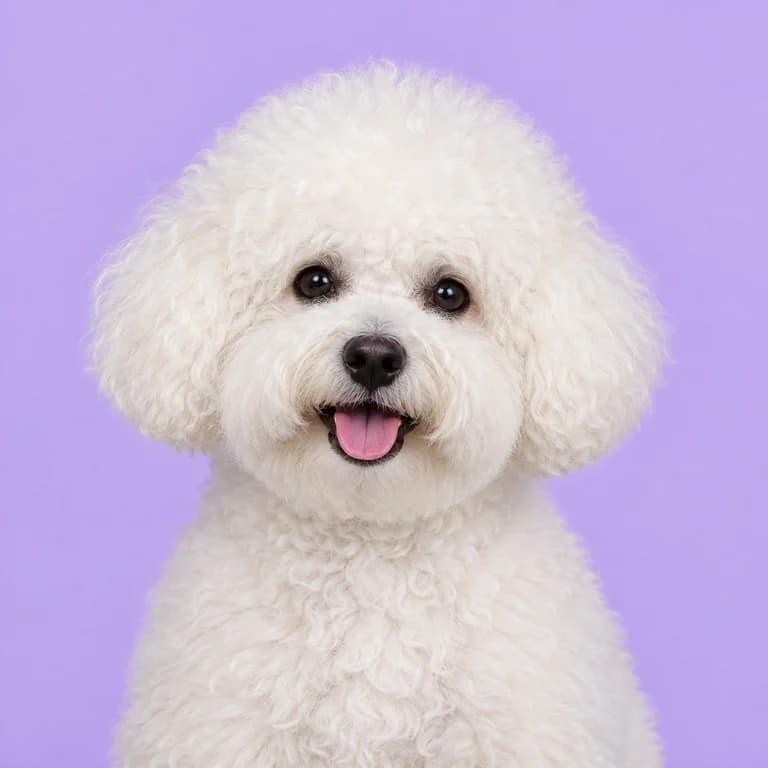
Original AI-generated breed illustration
Weight
5 to 8 kg
11 to 18 lb
Height
23 to 29 cm
at the shoulder
Life expectancy
14 to 16 yrs
Activity estimate
60 to 90 min
editorial daily planning range
Adult-size estimate
12 months
approximate model input
Life with a Bichon Frise
Small white dogs were traded around the Mediterranean for centuries, and one type, sometimes called the Bichon Tenerife after the Canary Islands, travelled with Spanish and Italian sailors. By the 1500s these dogs were fashionable at the French court, and King Henry III is said to have carried his in a basket hung from his neck.
Fashions changed, and by the 1800s the Bichon had moved from palaces to the street, working alongside organ grinders and in circuses, where its willingness to learn tricks kept it employed. After the First World War French and Belgian breeders set about standardizing it, and the breed reached the United States in the 1950s.
That mix of royal pet and street performer still shows. A Bichon is outgoing, bright and happy to greet strangers, with a sturdier body than its fluffy look suggests. It suits people who want a companion that joins in with family life, and who genuinely do not mind a brush becoming part of the evening routine.
What stands out
Grooming
Line brushing is the method most groomers teach: part the coat in rows and brush each row from the skin outwards, using a slicker brush, then check with a metal comb. Do this at least every other day, daily for dogs with a longer coat. Focus on the areas that knot fastest: behind the ears, the armpits, the collar line and the inner thighs.
Read the full grooming guideIllustrative grooming schedule based on our editorial coat-care score. Adjust it to the individual coat and professional advice.
Brushing
Daily
Bathing
Every 3 to 6 weeks
Shedding
Minimal
Nail trim
Every 3 to 4 weeks
A great match for
- owners who enjoy hands-on grooming
- flats and small homes
- households with visitors and other pets
- older owners who want a sturdy small dog
Think twice if
- mats that form within days if brushing lapses
- grooming costs of roughly one salon visit per month
- a reputation for slow housetraining
- skin irritation and itchy paws in some lines
Personality and needs at a glance
Living together
Good with children
Good with other dogs
Open with strangers
Apartment friendly
Copes with alone time
Energy and character
Energy level
Playfulness
Easy to train
Barking
5 means very vocal
Care and climate
Grooming needs
Shedding
Drooling
Handles cold
Handles heat
How much a Bichon Frise eats
Illustrative calculations for neutered adults at midpoint breed weights, with food at 370 kcal per 100 g and 100 g per cup. These are not measured breed requirements. Use actual weight, the food label and veterinary body-condition advice.
| Dog | Weight | Calories | Dry food |
|---|---|---|---|
| Female, relaxed lifestyle | 6 kg | 380 kcal | 100 g (1 cups) |
| Female, typical pet | 6 kg | 430 kcal | 115 g (1.3 cups) |
| Male, typical pet | 7 kg | 460 kcal | 125 g (1.3 cups) |
| Male, very active | 7 kg | 570 kcal | 155 g (1.5 cups) |
Care guides for the Bichon Frise
Things owners are often surprised by
- 1Loose hair stays trapped in the coat, so brushing replaces shedding
- 2Needs a full professional groom every 4 to 6 weeks
- 3Popular at French royal courts in the 1500s, later a street and circus performer
- 4Known for sudden bursts of racing around the house, often called the Bichon blitz
- 5Usually fully grown by 12 months
Bichon Frise questions
Should I shave my Bichon in summer?
A short trim of about 2 to 3 cm is fine and makes hot weather easier, but shaving down to the skin removes the coat's protection from sun and insects, and pale skin can burn. Most groomers suggest a short all-over cut instead. Make sure your dog still has shade and water, and walk early or late on hot days.
What is the Bichon blitz?
It is the Bichon owner's name for sudden high-speed laps around the house or garden, often with a low crouch and a tucked tail. It typically happens after a bath, a meal or a period of rest. It is simply play and a release of energy. Just make sure the running space is free of slippery rugs and sharp corners.
Why is my Bichon's fur turning pink or rusty?
Pinkish or rusty patches usually appear where saliva or tears keep the hair damp, such as around the mouth, under the eyes or on paws the dog licks. Regular wiping and good drying reduce it. If your dog is licking one area constantly, or the skin underneath looks red, sore or smelly, have a vet check for an underlying cause.
Are Bichons hard to house train?
They have a reputation for it, mostly because small puppies need to go often and small accidents are easy to miss. Take the puppy out every 1 to 2 hours during the day at first, always after meals and naps, and reward success straight away. Consistency over 3 to 6 months usually brings reliable results.
Is a Bichon Frise a good dog for older owners?
Often, yes. It is small enough to lift, sturdy enough not to be fragile, friendly with visitors, and happy with moderate walks. The main things to plan for are grooming, which needs either steady hands for brushing or regular salon visits, and the dog's dislike of long periods alone.
Popular answers for owners
- Grooming and coatWhat brush should I use for a short smooth coat?
- Puppy feeding and growthHow big will my puppy get?
- Puppy feeding and growthHow much should an 11 week old puppy eat?
- Bowls and feeding gearCan feeding multiple dogs from one big bowl cause problems?
- Puppy feeding and growthHow much should a Labrador puppy eat at 6 months?
- Exercise and playHow long should a fetch session last?
Breeds you might compare
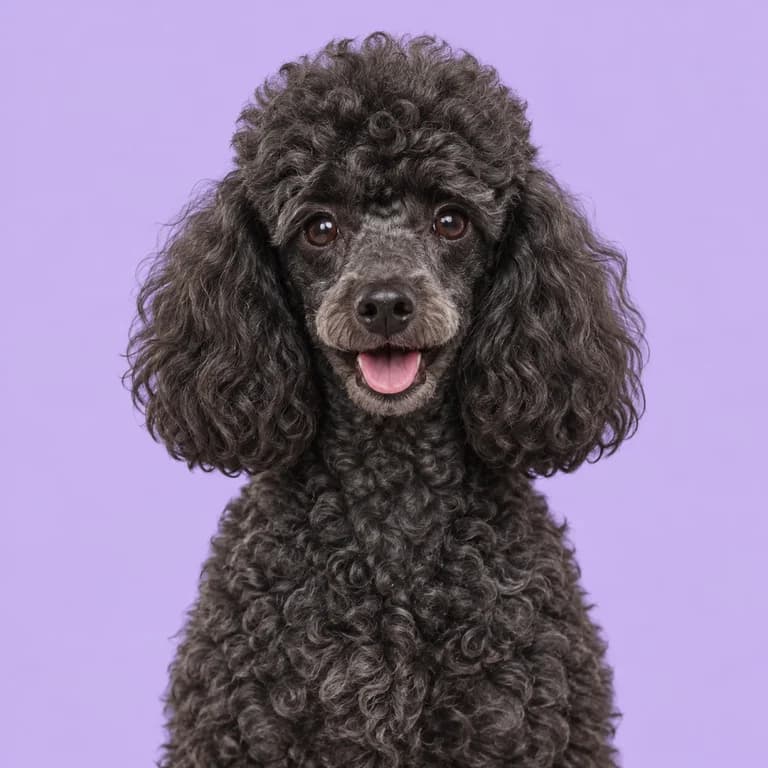
Non-sporting group
Miniature Poodle
5 to 8 kg · 14 to 17 years
A pocket-sized scholar that learns a new cue in a handful of repetitions and gets bored just as fast.
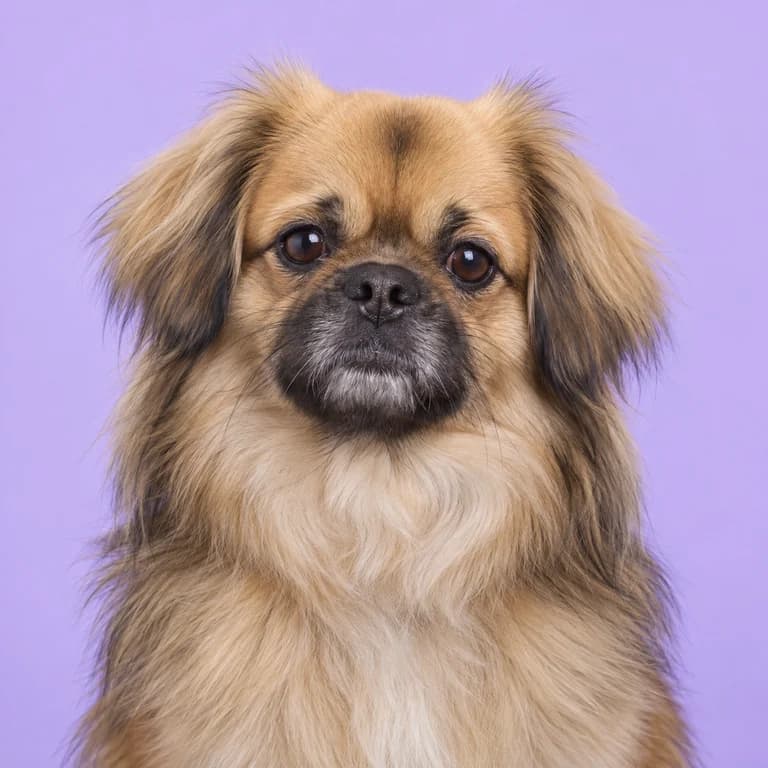
Non-sporting group
Tibetan Spaniel
4 to 7 kg · 12 to 15 years
Part watchdog, part cat: a small Himalayan dog that loves high perches and decides for itself who is a friend.
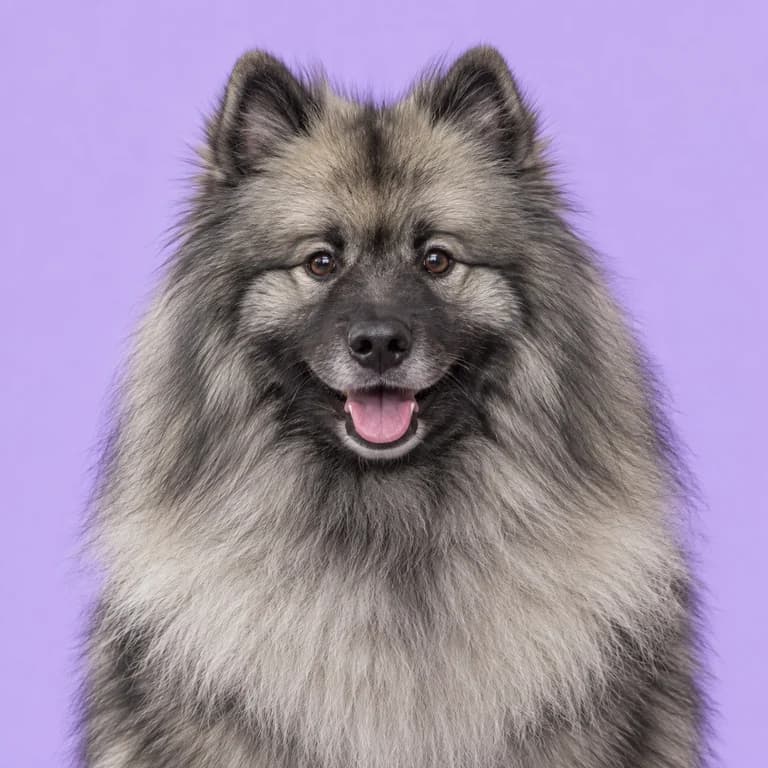
Non-sporting group
Keeshond
14 to 20 kg · 12 to 15 years
Once the watchdog of Dutch river barges, now a spectacled, fluffy companion with a talent for reading people.
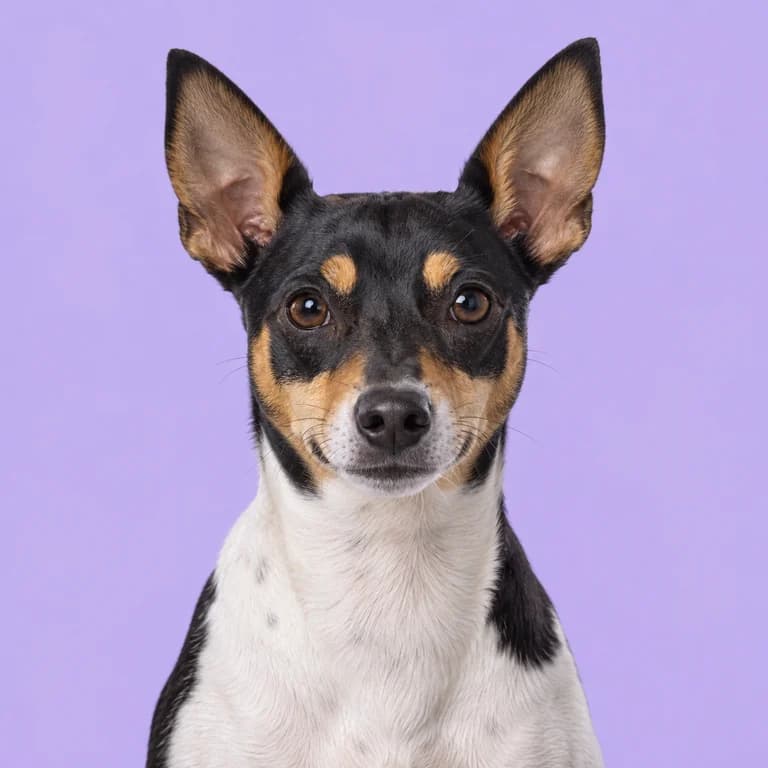
Terrier group
Rat Terrier
4 to 11 kg · 12 to 18 years
A compact American farm terrier that comes in two sizes and handles barn work and sofa duty equally well.
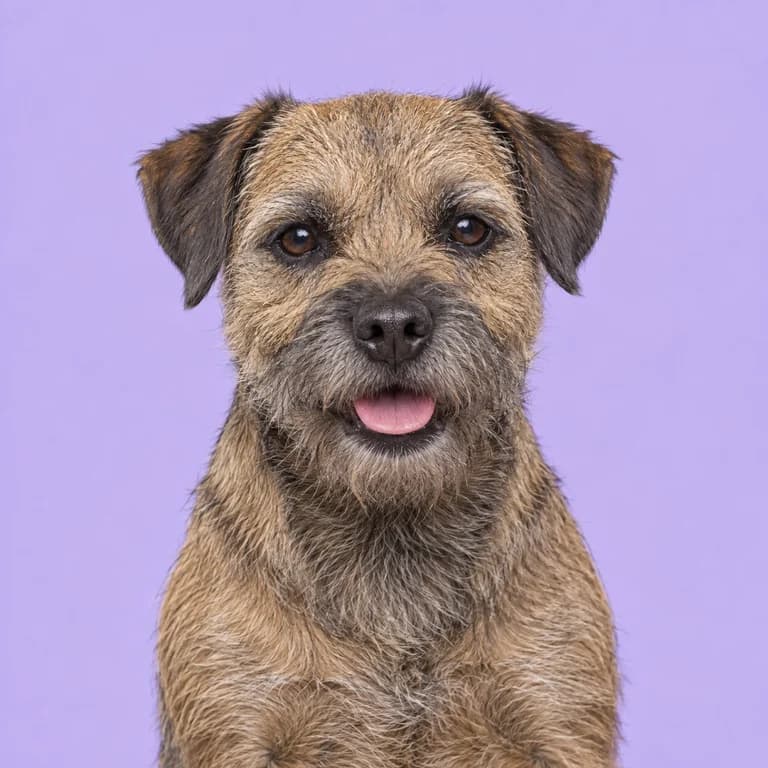
Terrier group
Border Terrier
5 to 7 kg · 12 to 15 years
A terrier with legs long enough to keep up with a hunt on horseback and stamina to spare afterwards.
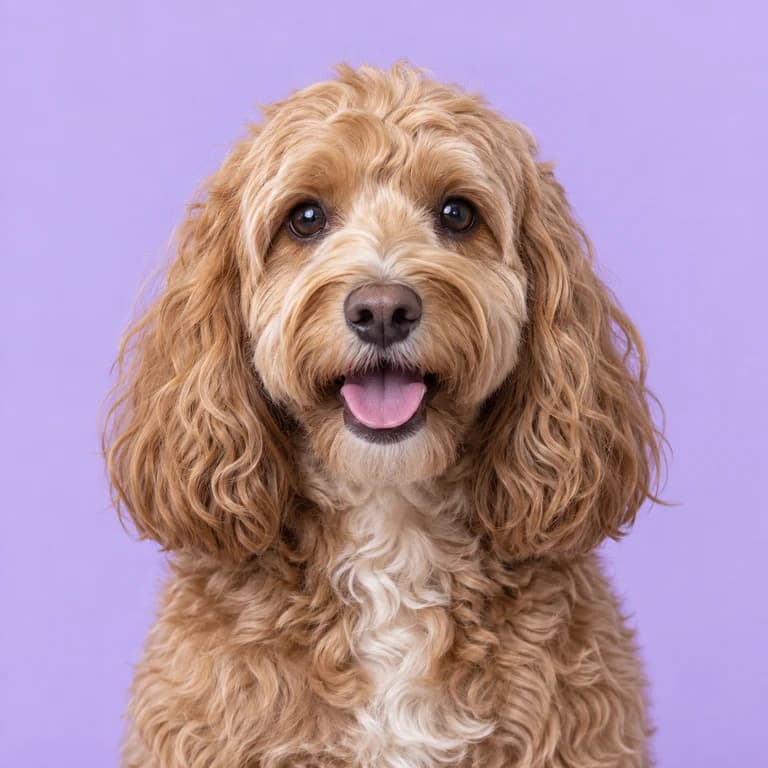
Crossbreed
Cockapoo
5 to 11 kg · 12 to 15 years
Part spaniel, part poodle, the Cockapoo is a sociable, playful companion with a coat that never lets you skip grooming.