Sources for this article
Terrier group · England
Norfolk Terrier
Also called Norfolk
One of the smallest working terriers, low and sturdy, with folded ears and a notably sociable nature.
The Norfolk Terrier packs a genuine working terrier into a body of about 5.5 kg, compact but strong enough for rough East Anglian farmland. It is cheerful, adaptable and usually friendlier with other dogs than many terriers. Expect regular hand-stripping, moderate daily exercise and careful weight control.
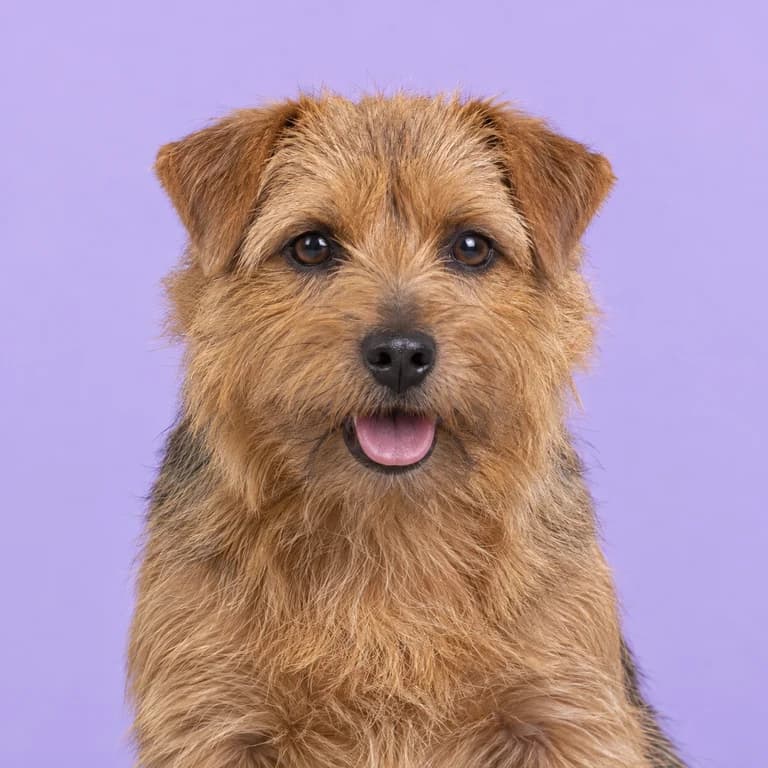
Original AI-generated breed illustration
Weight
5 to 6 kg
11 to 13 lb
Height
23 to 25 cm
at the shoulder
Life expectancy
12 to 15 yrs
Activity estimate
60 to 90 min
editorial daily planning range
Adult-size estimate
10 months
approximate model input
Life with a Norfolk Terrier
At roughly the height of a wine bottle, the Norfolk Terrier fits neatly under a café table, yet it was built to bolt foxes and clear barns of rats. In the late 1800s, small red and grey terriers were common around Cambridge and Norwich, and students are said to have kept them as ratters in their rooms. Farmers and hunt followers in East Anglia prized dogs of this type for being small enough to go to ground but tough enough to hold their own.
For decades, drop-eared and prick-eared dogs were registered together as Norwich Terriers, and breeders argued constantly about which ear was correct. In 1964 the UK Kennel Club settled it by recognizing the drop-eared dogs as the Norfolk Terrier, and other registries followed over the next fifteen years. The two breeds remain close in size and coat but have been bred apart for generations.
Norfolks are affectionate, confident and usually easygoing with other dogs, which many credit to their history of working in groups. They adapt well to city or country life, travel happily and enjoy being part of family routines. They are still true terriers, though, with a love of digging, a sharp eye for anything that scurries and opinions about how the day should go.
What stands out
Puppy growth
Norfolk puppies grow steadily and reach adult size around nine to ten months, with the adult coat texture developing over the first year. Because litters are small and births sometimes need veterinary help, puppies can be scarce, and a breeder with no waiting list at all is worth asking questions about.
Read the full puppy growth guideIllustrative model, not observed breed data or a healthy-weight standard. Use actual measurements and veterinary advice to assess growth.
A great match for
- families with children old enough to handle a small dog kindly
- flats and city homes with daily walks
- people wanting a sturdy, portable companion that is still a real dog
- households with another friendly dog
Think twice if
- digging and chasing small animals
- gains weight easily and hides it under the coat
- coat needs stripping to stay harsh
- recall around wildlife can fail
- may be hard to find a puppy quickly
Personality and needs at a glance
Living together
Good with children
Good with other dogs
Open with strangers
Apartment friendly
Copes with alone time
Energy and character
Energy level
Playfulness
Easy to train
Barking
5 means very vocal
Care and climate
Grooming needs
Shedding
Drooling
Handles cold
Handles heat
How much a Norfolk Terrier eats
Illustrative calculations for neutered adults at midpoint breed weights, with food at 370 kcal per 100 g and 100 g per cup. These are not measured breed requirements. Use actual weight, the food label and veterinary body-condition advice.
| Dog | Weight | Calories | Dry food |
|---|---|---|---|
| Female, relaxed lifestyle | 6 kg | 350 kcal | 95 g (1 cups) |
| Female, typical pet | 6 kg | 400 kcal | 110 g (1 cups) |
| Male, typical pet | 6 kg | 400 kcal | 110 g (1 cups) |
| Male, very active | 6 kg | 500 kcal | 135 g (1.3 cups) |
Care guides for the Norfolk Terrier
Things owners are often surprised by
- 1Norfolk and Norwich terriers were once one breed; the drop-eared dogs were recognized separately as the Norfolk in the UK in 1964.
- 2An adult typically weighs 5 to 6 kg (11 to 13 lb) and stands 23 to 25 cm (9 to 10 in) at the shoulder.
- 3Litters are small, often two or three puppies, so reputable breeders frequently keep waiting lists.
- 4The breed's ancestors are often credited to ratting terriers kept by Cambridge University students in the late 1800s.
- 5Standards accept honorable scars from fair wear and tear, a nod to the breed's working past.
Norfolk Terrier questions
What is the difference between a Norfolk and a Norwich Terrier?
The clearest difference is the ears: Norfolks have folded, drop ears, while Norwich Terriers have pricked, upright ears. They were registered as one breed until the UK split them in 1964. Norfolks are often described as slightly longer in the body and a little more easygoing, though individual personality matters more than the label. Size, coat and colors are very similar.
Do Norfolk Terriers shed?
Lightly. A hand-stripped wiry coat holds on to dead hair until it is plucked or brushed out, so you see far less on the floor than with a smooth-coated dog. Clipped coats tend to become softer and may shed a little more. They are not allergen free, but many owners find the mess very manageable with weekly brushing.
Why are Norfolk Terrier puppies hard to find?
Litters are small, often just two or three puppies, and some mothers need veterinary help to give birth. Careful breeders also avoid breeding the same female too often. The result is limited supply and waiting lists that can run for many months. Be cautious of sellers who always have puppies available, and ask to see health checks for both parents.
Are Norfolk Terriers good with other dogs?
Generally yes. The breed is known for being more sociable with other dogs than many terriers, and many live happily in multi-dog homes. Early socialization still matters, and some individuals can be bossy with dogs of the same sex. Small pets such as hamsters, rats or rabbits are another matter, as the ratting instinct remains strong.
Does my Norfolk Terrier need hand-stripping?
It depends on the look you want. Hand-stripping keeps the coat harsh, weatherproof and richly colored, and is the traditional choice. Clipping is quicker and cheaper but gradually softens the coat and fades the color. Many pet owners clip and are happy with the result. If you prefer stripping, find a groomer who offers it, as not all do.
Popular answers for owners
- Puppy feeding and growthHow do I know if I am overfeeding my puppy?
- Bowls and feeding gearDo feeding mats help with messy drinkers?
- Puppy feeding and growthHow much should a 12 month old puppy eat?
- Puppy feeding and growthHow many meals a day does a large breed puppy need?
- Puppy feeding and growthHow do I soften kibble for a very young puppy?
- How much to feedWhat does an ideal weight dog look like from above?
Breeds you might compare
Terrier group
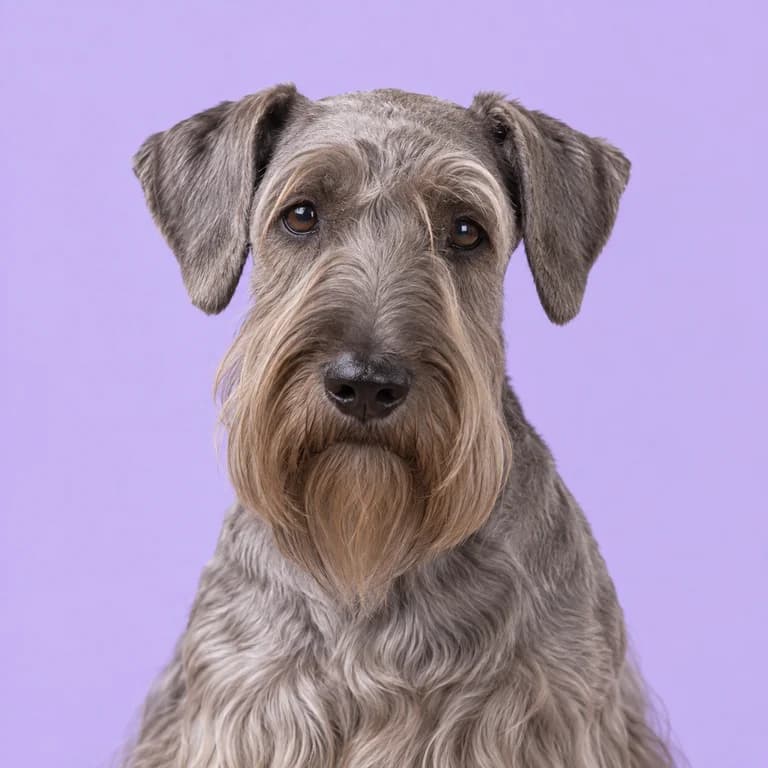
Cesky Terrier
6 to 10 kg · 12 to 15 years
A calm, low terrier created by a Czech geneticist, with a silky coat that is clipped rather than stripped.
Terrier group
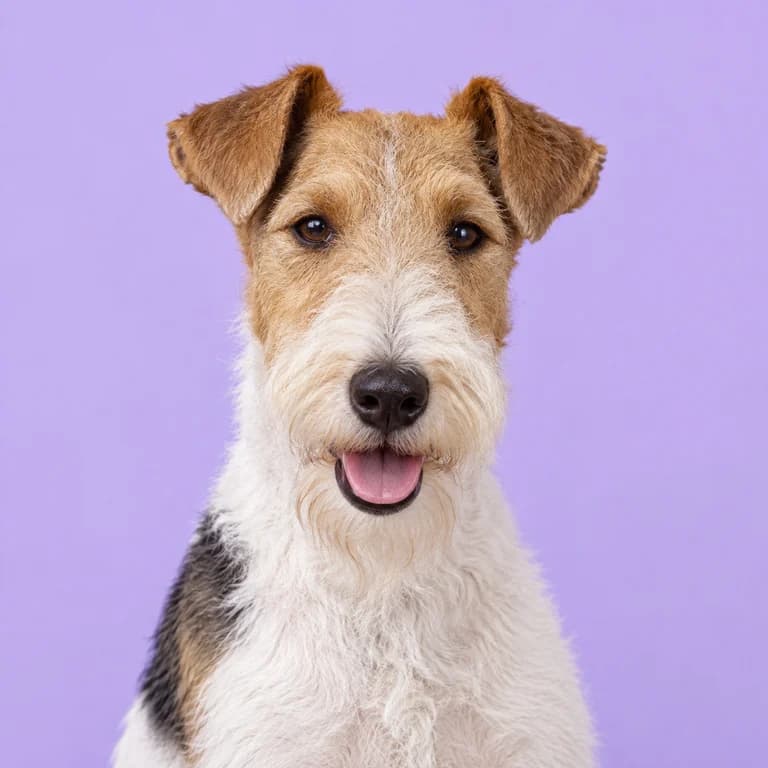
Wire Fox Terrier
6 to 9 kg · 12 to 15 years
A spring-loaded English terrier that treats every day as a hunting trip and every squirrel as unfinished business.
Terrier group
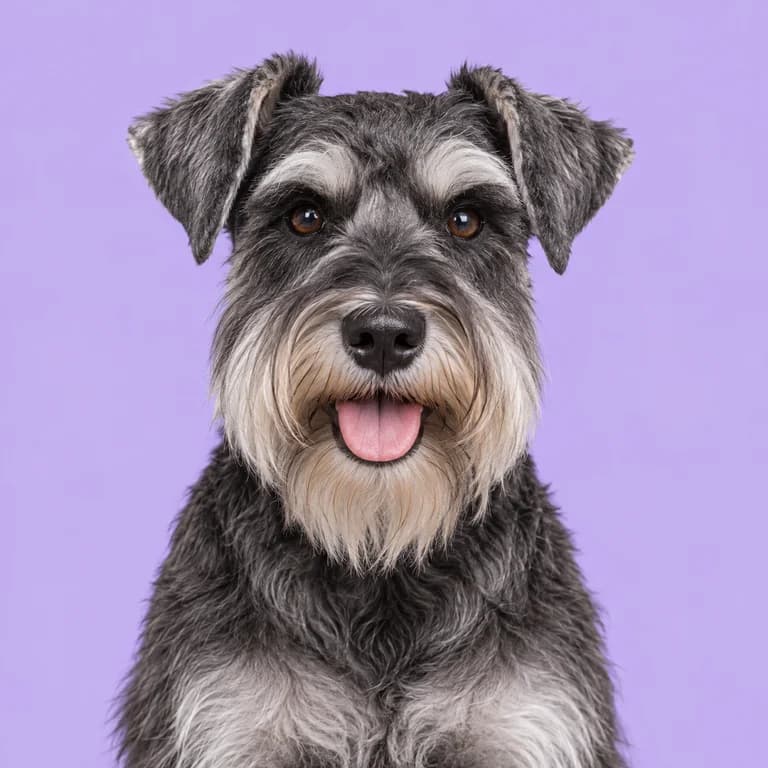
Miniature Schnauzer
5 to 9 kg · 12 to 15 years
A bearded farmyard ratter whose wiry coat needs a plan and whose opinions come out loud.
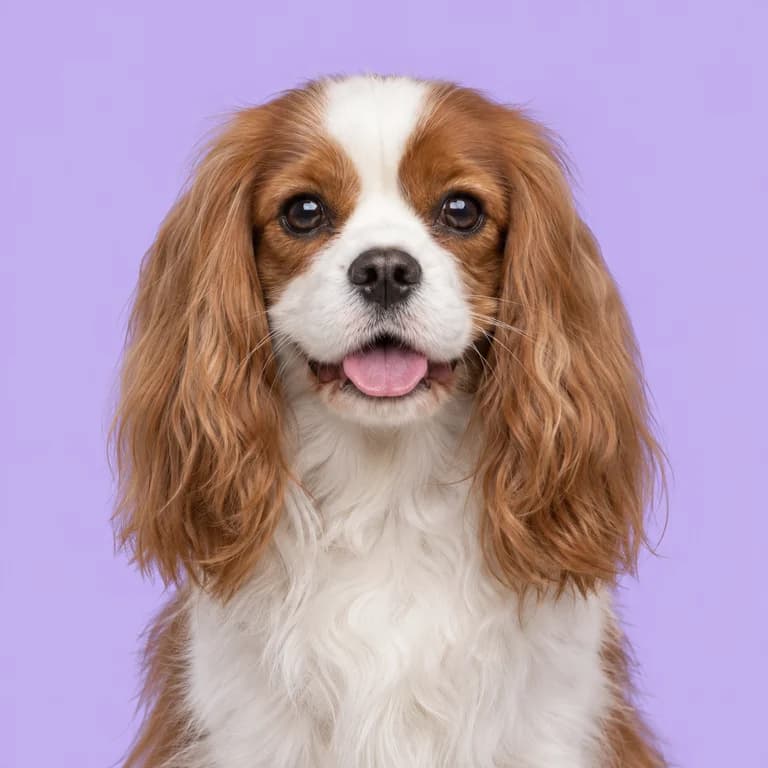
Toy group
Cavalier King Charles Spaniel
6 to 8 kg · 9 to 14 years
A gentle lap spaniel with royal portraits in its past and a heart that deserves careful watching.
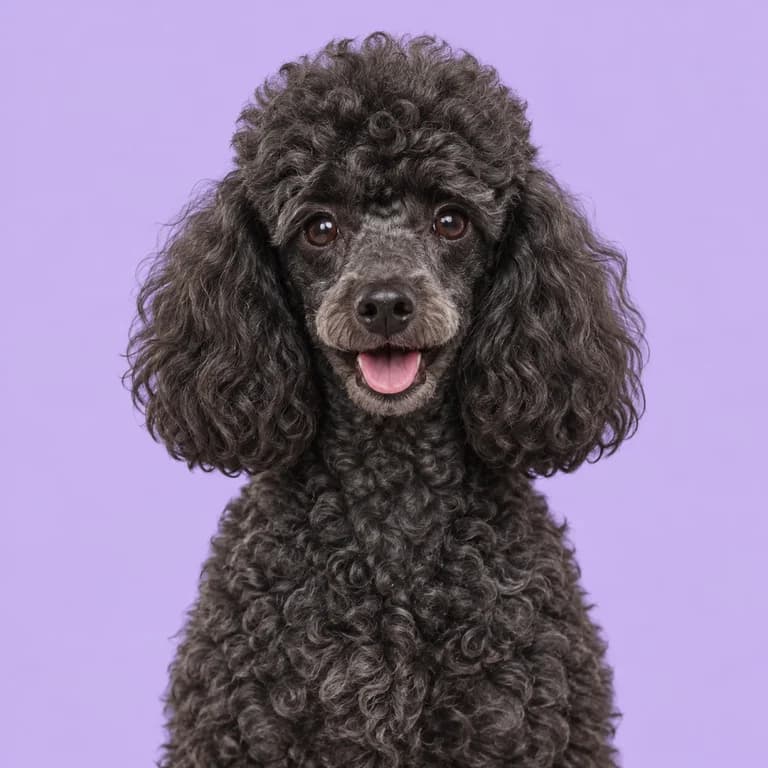
Non-sporting group
Miniature Poodle
5 to 8 kg · 14 to 17 years
A pocket-sized scholar that learns a new cue in a handful of repetitions and gets bored just as fast.
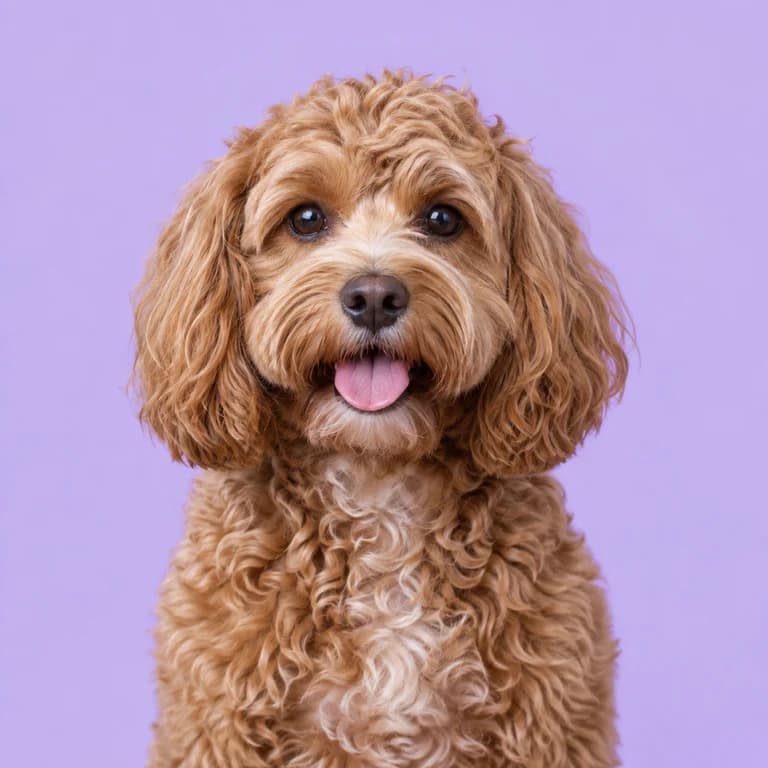
Crossbreed
Cavapoo
5 to 11 kg · 12 to 15 years
Cavalier softness meets Poodle brains in a people-focused cross sized for almost any home.