Sources for this article
Terrier group · England
Wire Fox Terrier
Also called Wire Fox, Wirehaired Fox Terrier
A spring-loaded English terrier that treats every day as a hunting trip and every squirrel as unfinished business.
The Wire Fox Terrier was developed in England to bolt foxes from their earths for mounted hunts, and it has kept both the stamina and the attitude. It is bright, bold and very funny, but it needs more exercise, supervision and patience than its size suggests.
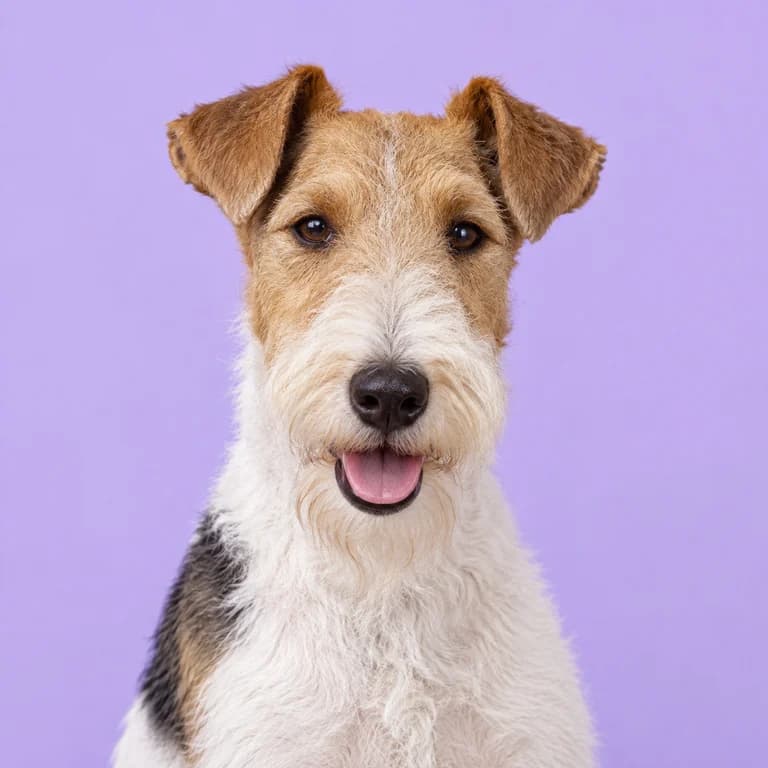
Original AI-generated breed illustration
Weight
6 to 9 kg
13 to 20 lb
Height
35 to 39 cm
at the shoulder
Life expectancy
12 to 15 yrs
Activity estimate
120 to 150 min
editorial daily planning range
Adult-size estimate
12 months
approximate model input
Life with a Wire Fox Terrier
Energy is the first word for this terrier, and curiosity is a close second. A Wire Fox Terrier can walk for hours, play fetch until your arm gives out and still have enough left to patrol the garden fence. That stamina was the whole point: foxhunts wanted a dog that could run with the hounds all day, then squeeze into a fox's earth and drive it out.
Rough-coated terriers of this kind were working in England from at least the 18th century, and the breed's show career took off in the late 1800s. Its look (a long, flat head, small folded ears and a smart, upright stance) became hugely fashionable in the early 20th century, helped along by films and comics. Asta, the terrier in the Thin Man films of the 1930s, is often credited with a burst of popularity.
Living with one is lively. Fox Terriers are affectionate with their family, outgoing with most people and endlessly nosy. They are also independent, quick to react and not especially patient with other dogs that push them around. Small animals, from rats and rabbits to the neighbor's cat, set off an instinct that training can manage but rarely erase.
For the right owner, someone active, consistent and amused rather than annoyed by a dog with a big personality, a Wire Fox Terrier is a wonderful, long-lived companion. For a quiet household hoping for a calm lapdog, it is a poor match.
What stands out
Exercise
Aim for at least 60 minutes of genuine activity a day, and ideally more, mixing walks with games that use the brain. A flirt pole (a lure tied to a rope on a stick) lets the chase instinct out under your control. Agility, earthdog trials, scentwork and barn hunt, where dogs search straw bales for rats kept safely in aerated tubes, are all popular with the breed.
Read the full exercise guideActivity planning estimate
120 to 150 min
editorial estimate, not a prescription
Energy
5 / 5
Playfulness 5 / 5
A great match for
- active owners who walk, jog or play every day
- families with older, dog-savvy children
- people who enjoy training games and dog sports
- homes with secure, dig-proof gardens
Think twice if
- strong prey drive toward cats and small pets
- can start squabbles with other dogs, especially of the same sex
- digging and escaping
- persistent barking when bored
- needs hand-stripping to keep the proper coat
Personality and needs at a glance
Living together
Good with children
Good with other dogs
Open with strangers
Apartment friendly
Copes with alone time
Energy and character
Energy level
Playfulness
Easy to train
Barking
5 means very vocal
Care and climate
Grooming needs
Shedding
Drooling
Handles cold
Handles heat
How much a Wire Fox Terrier eats
Illustrative calculations for neutered adults at midpoint breed weights, with food at 370 kcal per 100 g and 100 g per cup. These are not measured breed requirements. Use actual weight, the food label and veterinary body-condition advice.
| Dog | Weight | Calories | Dry food |
|---|---|---|---|
| Female, relaxed lifestyle | 7 kg | 420 kcal | 115 g (1.3 cups) |
| Female, typical pet | 7 kg | 480 kcal | 130 g (1.3 cups) |
| Male, typical pet | 8 kg | 530 kcal | 145 g (1.5 cups) |
| Male, very active | 8 kg | 670 kcal | 180 g (1.8 cups) |
Care guides for the Wire Fox Terrier
Things owners are often surprised by
- 1Has won Best in Show at the Westminster Kennel Club show more times than any other breed
- 2Snowy, the white dog in the Tintin comics, is widely recognized as a Wire Fox Terrier
- 3Bred small enough to follow a fox underground yet long-legged enough to keep up with horses and hounds
- 4Smooth and Wire Fox Terriers were shown as one breed for decades; the American Kennel Club separated them in 1985
- 5A hand-stripped coat stays harsh and rich in color, while a clipped one turns soft and pale
Wire Fox Terrier questions
What is the difference between a Wire and a Smooth Fox Terrier?
Mostly the coat. The Wire has a dense, broken coat that needs hand-stripping or clipping, plus a beard and leg furnishings. The Smooth has a short, flat coat that needs only weekly brushing but sheds more around the house. Body shape and temperament are very similar, and the two were once interbred, but most kennel clubs now treat them as separate breeds.
Can a Wire Fox Terrier live with a cat?
Some do, especially when raised with a cat from puppyhood and introduced carefully. Their prey drive is strong, though, and an indoor truce with the family cat does not mean the dog will ignore cats outdoors. Supervise closely, give the cat high escape routes and keep them apart when you are out until the relationship has been solid for months. Keep hamsters and rabbits fully separated.
Do Wire Fox Terriers shed?
Very little when the coat is hand-stripped, because the dead hair is pulled out during grooming rather than falling around the house. Clipped coats shed a bit more. Many people with mild dog allergies find the breed easier to live with than heavy shedders, although no dog is completely allergen free and it is worth spending time with the breed first.
Why does my Wire Fox Terrier dig so much?
Digging is part of the job it was bred for, going to ground after foxes. It also digs out of boredom, to reach cool soil or to chase the scent of mice and moles. Offer a digging pit filled with sand and buried toys, increase daily exercise and supervise garden time. Reinforcing the base of fences stops digging from turning into escaping.
Is a Wire Fox Terrier a good choice for a first-time owner?
It can be, if the owner is active and ready to train. The breed is small and affectionate but strong-willed, and it needs consistency, secure fencing and plenty of exercise. A first-time owner who goes to classes and enjoys an energetic, cheeky dog can do very well; someone hoping for an easy, calm small dog may find it hard going.
Popular answers for owners
- Bowls and feeding gearCan dogs be allergic to plastic bowls?
- Grooming and coatWill shaving change my dog's coat texture permanently?
- Bowls and feeding gearDo plastic bowls harbor more bacteria than steel ones?
- Exercise and playWhy does my dog pant heavily long after exercise stops?
- Grooming and coatShould I brush my dog's coat wet or dry?
- Bowls and feeding gearHow do I remove mineral buildup from a water bowl?
Breeds you might compare
Terrier group
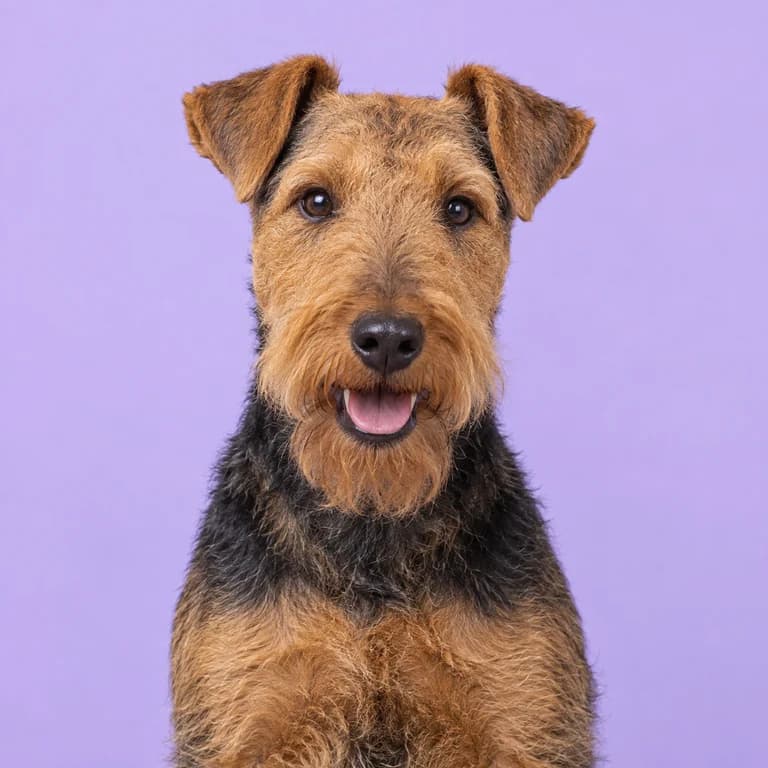
Welsh Terrier
8 to 10 kg · 12 to 15 years
Confident, clownish and a little stubborn, the Welsh Terrier packs a working terrier's spirit into a tidy 10 kg.
Terrier group
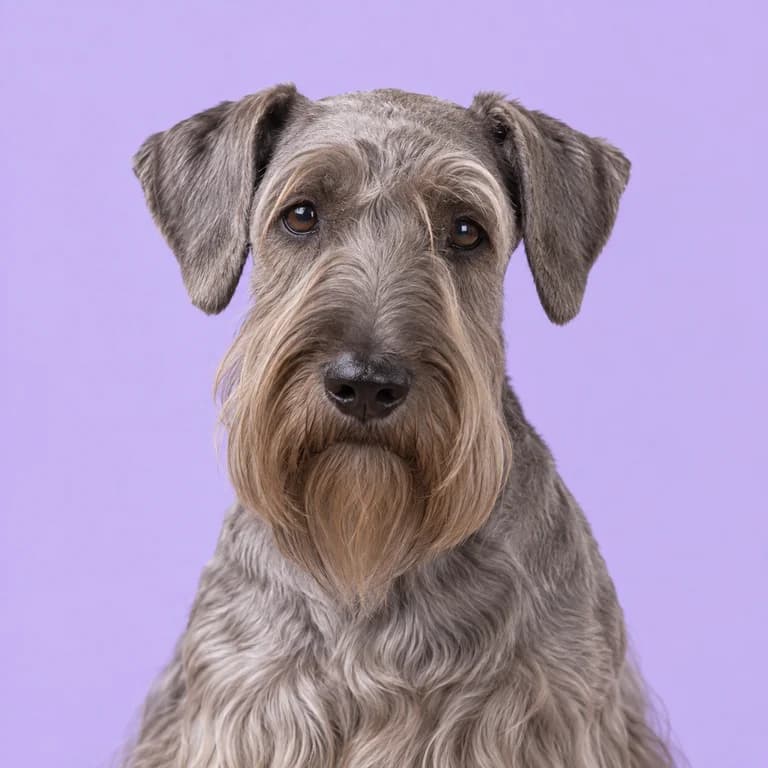
Cesky Terrier
6 to 10 kg · 12 to 15 years
A calm, low terrier created by a Czech geneticist, with a silky coat that is clipped rather than stripped.

Terrier group
Cairn Terrier
6 to 8 kg · 13 to 15 years
A shaggy, fox-faced Highland terrier with a confident mind of its own and endless curiosity.

Non-sporting group
Boston Terrier
5 to 11 kg · 11 to 13 years
Tuxedo markings, a clown's timing and a genuine fondness for almost every person it meets.
Non-sporting group
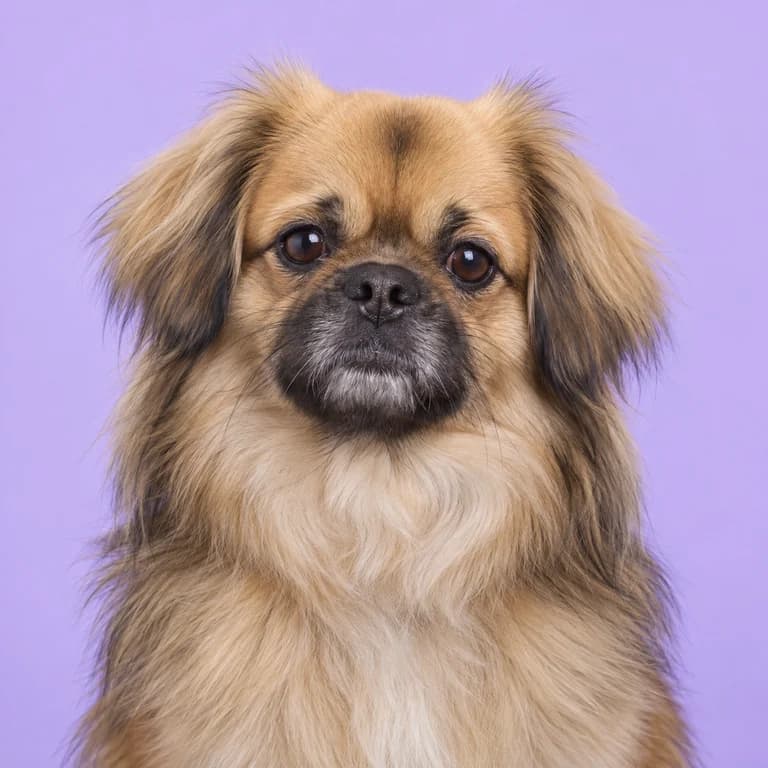
Tibetan Spaniel
4 to 7 kg · 12 to 15 years
Part watchdog, part cat: a small Himalayan dog that loves high perches and decides for itself who is a friend.

Terrier group
Jack Russell Terrier
5 to 7 kg · 13 to 16 years
A pocket-sized hunter with a huge work ethic that will train you if you do not train it first.