Sources for this article
Terrier group · Germany
Miniature Schnauzer
Also called Mini Schnauzer, Zwergschnauzer
A bearded farmyard ratter whose wiry coat needs a plan and whose opinions come out loud.
The Miniature Schnauzer is a small, sturdy German dog first bred to keep rats out of stables, and it still carries that alert, busy outlook. Its wiry coat barely sheds but never stops growing, so a trim every 5 to 8 weeks is part of the deal. In return you get a sociable, clever companion that notices everything and usually tells you about it.
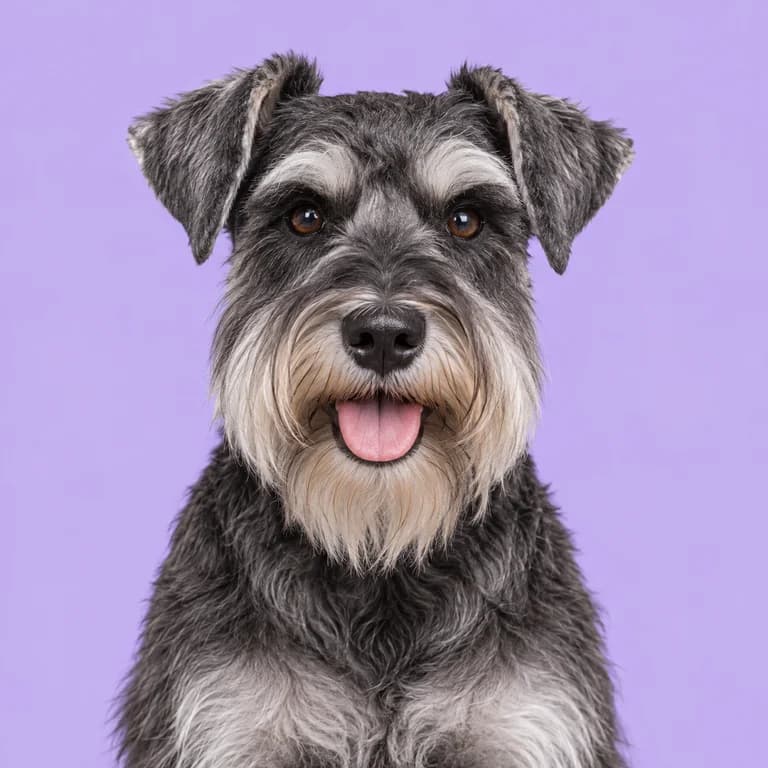
Original AI-generated breed illustration
Weight
5 to 9 kg
11 to 20 lb
Height
30 to 36 cm
at the shoulder
Life expectancy
12 to 15 yrs
Activity estimate
90 to 120 min
editorial daily planning range
Adult-size estimate
12 months
approximate model input
Life with a Miniature Schnauzer
Picture a German farmyard in the 1880s: horses in the stable, grain in the loft and rats in every corner. Farmers wanted a smaller version of their Standard Schnauzer to keep vermin down and raise the alarm when strangers came up the lane. Breeding the Standard down in size, probably with help from the Affenpinscher and possibly the Poodle, produced the Miniature Schnauzer, first recorded as a distinct type in 1888.
That working past explains the dog you meet today. A Mini is compact but not delicate, with a square, muscular body and a surprisingly deep bark for its size. It investigates every noise, checks every visitor and likes to be involved in whatever you are doing. Unlike many terriers, it is usually easygoing with other dogs and genuinely fond of people, including children who play fairly.
Grooming is the fact that shapes daily ownership more than anything else. The coat hardly sheds, which is why so many allergy-conscious households choose the breed, but hair that does not fall out has to be removed some other way. Expect a full clip or hand-strip every 5 to 8 weeks, plus combing of the beard and leg furnishings between visits so they never mat.
At home, most Minis attach closely to their people and follow them from room to room. They stay playful well into middle age and adapt well to apartments, provided the barking is managed and they get a proper outing every day.
What stands out
Grooming
Comb the beard, eyebrows and leg furnishings two or three times a week with a metal comb, working right down to the skin, because mats form fast behind the elbows and under the chin. Pet dogs are usually clipped every 5 to 8 weeks, which is quick but gradually softens the coat and fades the color. Show dogs are hand-stripped instead, a slower method that plucks out dead outer hair and keeps the coat harsh and the salt and pepper pattern crisp.
Read the full grooming guideIllustrative grooming schedule based on our editorial coat-care score. Adjust it to the individual coat and professional advice.
Brushing
4 to 5 times a week
Bathing
Every 3 to 6 weeks
Shedding
Minimal
Nail trim
Every 3 to 4 weeks
A great match for
- owners who want a small dog with a sturdy, non-fragile build
- households that prefer minimal shedding
- people who are home for much of the day
- families with children who respect a dog's space
- first-time owners happy to budget for a groomer
Think twice if
- barks at doorbells, delivery vans and blowing leaves
- professional grooming bills every 5 to 8 weeks
- a strong urge to chase cats and small animals
- fatty food and table scraps are a real risk for this breed
- a beard that drips water and collects crumbs after every meal
Personality and needs at a glance
Living together
Good with children
Good with other dogs
Open with strangers
Apartment friendly
Copes with alone time
Energy and character
Energy level
Playfulness
Easy to train
Barking
5 means very vocal
Care and climate
Grooming needs
Shedding
Drooling
Handles cold
Handles heat
How much a Miniature Schnauzer eats
Illustrative calculations for neutered adults at midpoint breed weights, with food at 370 kcal per 100 g and 100 g per cup. These are not measured breed requirements. Use actual weight, the food label and veterinary body-condition advice.
| Dog | Weight | Calories | Dry food |
|---|---|---|---|
| Female, relaxed lifestyle | 7 kg | 400 kcal | 110 g (1 cups) |
| Female, typical pet | 7 kg | 460 kcal | 125 g (1.3 cups) |
| Male, typical pet | 7 kg | 480 kcal | 130 g (1.3 cups) |
| Male, very active | 7 kg | 600 kcal | 165 g (1.8 cups) |
Care guides for the Miniature Schnauzer
Things owners are often surprised by
- 1First recorded as a separate type in Germany in 1888, bred down from the Standard Schnauzer
- 2The name comes from the German word Schnauze, meaning snout or muzzle
- 3Sheds very little, but the coat needs clipping or hand-stripping every 5 to 8 weeks
- 4Stands 30 to 36 cm (12 to 14 in) and usually weighs 5 to 9 kg (11 to 20 lb)
- 5Known for a tendency toward high blood fat levels, which makes fatty scraps a poor idea
Miniature Schnauzer questions
Are Miniature Schnauzers hypoallergenic?
No dog is completely allergen free, because allergens come from skin flakes and saliva as well as hair. Mini Schnauzers shed very little, though, so less hair ends up on sofas and clothes, and many people with mild allergies manage well. Spend an hour or two with adult dogs of the breed in a closed room before committing, and see how your body reacts.
Why does my Miniature Schnauzer's beard turn brown?
Staining usually comes from water, saliva and food pigments sitting in the hair, and it shows most on salt and pepper or white dogs. Wiping and drying the beard after meals and drinks helps a lot, as does a shallow bowl that keeps the whiskers out of the water. Bowls of stainless steel or glazed ceramic, washed daily, also cut down on the bacteria that make a beard smell.
What is the difference between a Miniature and a Standard Schnauzer?
The Standard is the original breed, about 45 to 50 cm (18 to 20 in) tall and 14 to 20 kg, used as an all-round farm dog and guard. The Miniature was bred down from it for ratting and stands roughly 30 to 36 cm. Minis are generally more sociable with other dogs, while Standards tend to be more reserved and protective.
Is a Miniature Schnauzer a good choice for a first-time owner?
Often, yes. The breed is small, sturdy, keen to learn and generally friendly. The two surprises for new owners are the noise and the grooming bill. Budget for a professional clip every 5 to 8 weeks, and start teaching calm door manners in the first week, because a Mini that learns to bark at every passer-by tends to keep the habit for life.
Should I clip or hand-strip my Miniature Schnauzer?
Clipping is quicker, cheaper and fine for most pets, but it cuts hair rather than removing it, so the coat slowly turns softer and paler. Hand-stripping pulls out loose dead hair and keeps the harsh texture and strong color, which is why show dogs are stripped. It takes longer and fewer groomers offer it, so expect to search around and pay more.
Popular answers for owners
- Grooming and coatWhat temperature water should I use to bathe my dog?
- Puppy feeding and growthIs a homemade diet safe for a growing puppy?
- Puppy feeding and growthWhen should a giant breed puppy switch to adult food?
- Puppy feeding and growthHow do I measure my puppy's food portions accurately?
- Bowls and feeding gearWhat travel bowl works best for road trips?
- Bowls and feeding gearCan a bowl be too big for a small dog?
Breeds you might compare
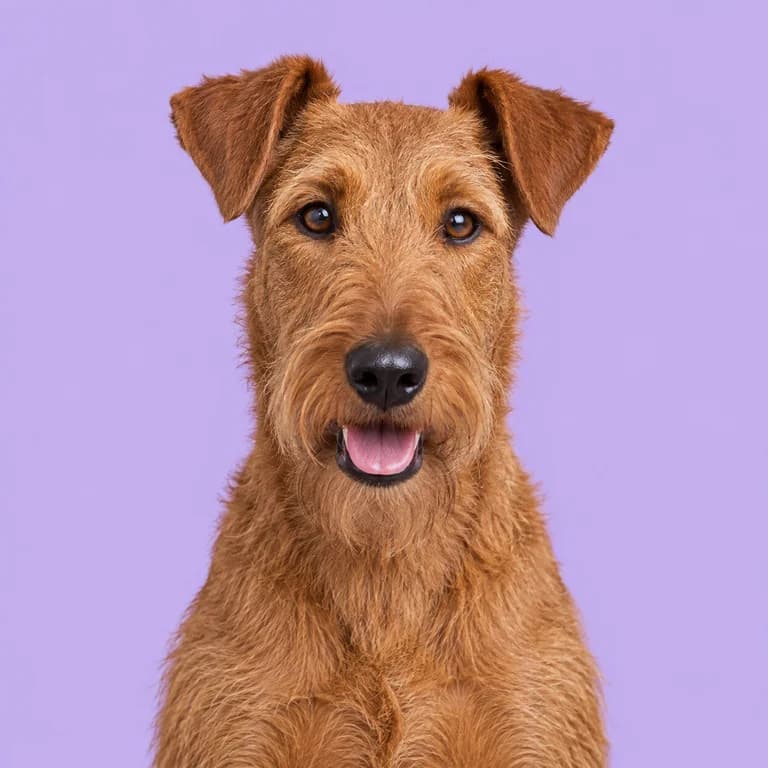
Terrier group
Irish Terrier
10 to 13 kg · 13 to 15 years
The fiery red daredevil of the terrier world, loyal and funny with family and famously brave.
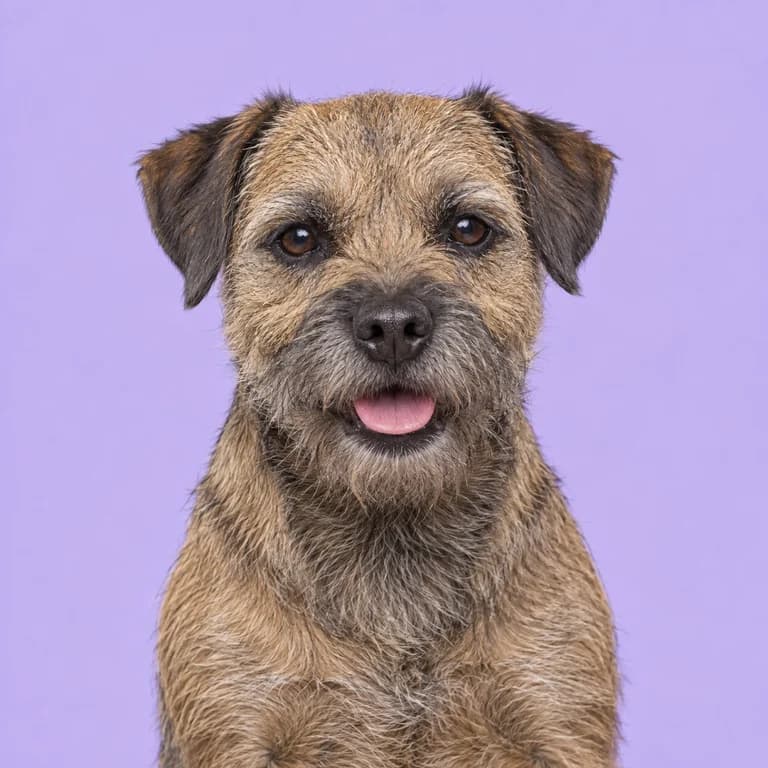
Terrier group
Border Terrier
5 to 7 kg · 12 to 15 years
A terrier with legs long enough to keep up with a hunt on horseback and stamina to spare afterwards.
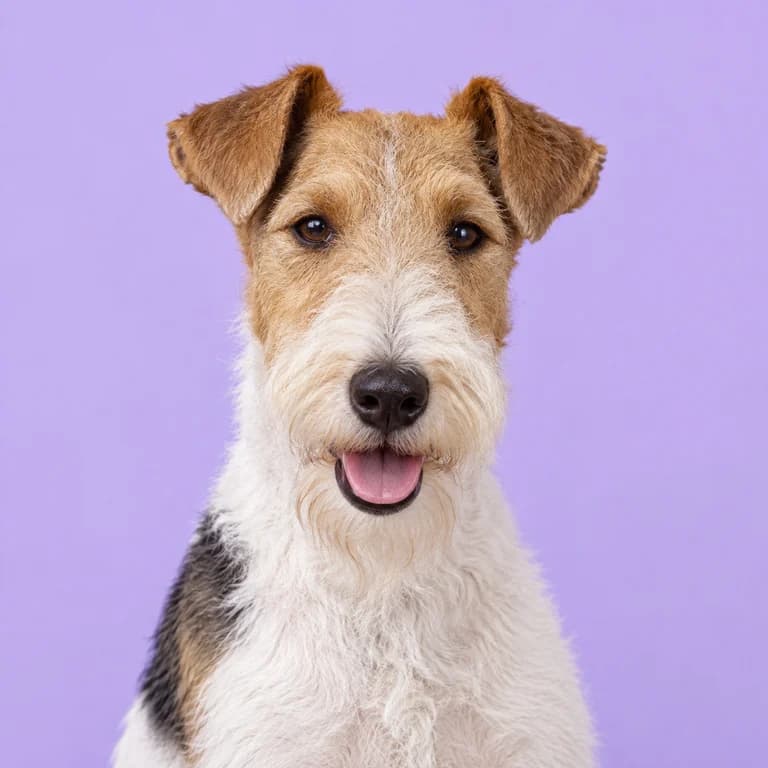
Terrier group
Wire Fox Terrier
6 to 9 kg · 12 to 15 years
A spring-loaded English terrier that treats every day as a hunting trip and every squirrel as unfinished business.
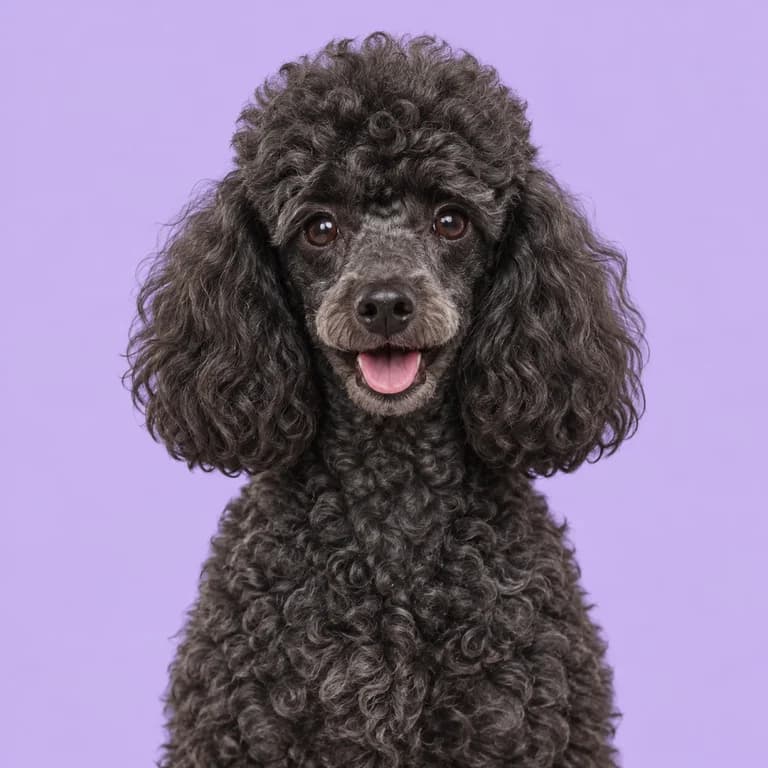
Non-sporting group
Miniature Poodle
5 to 8 kg · 14 to 17 years
A pocket-sized scholar that learns a new cue in a handful of repetitions and gets bored just as fast.
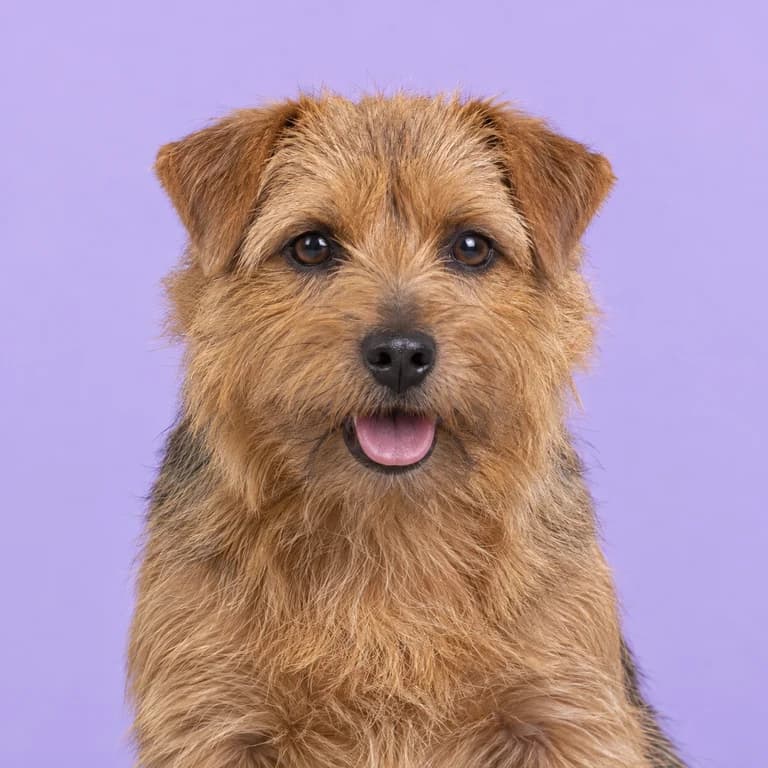
Terrier group
Norfolk Terrier
5 to 6 kg · 12 to 15 years
One of the smallest working terriers, low and sturdy, with folded ears and a notably sociable nature.

Crossbreed
Cavapoo
5 to 11 kg · 12 to 15 years
Cavalier softness meets Poodle brains in a people-focused cross sized for almost any home.