Sources for this article
Non-sporting group · Japan
Shiba Inu
Also called Shiba, Shiba Ken, Japanese Shiba Inu
Independent, fastidious and self-possessed, a small Japanese hunter that gives affection on its own terms.
The Shiba Inu is the smallest of Japan's native breeds, once used to flush birds and small game from mountain brush. It is clean, quiet and loyal, but also strong-willed and famously unreliable off lead. People who enjoy a dog with a mind of its own tend to adore it; people who want eager obedience usually find it maddening.
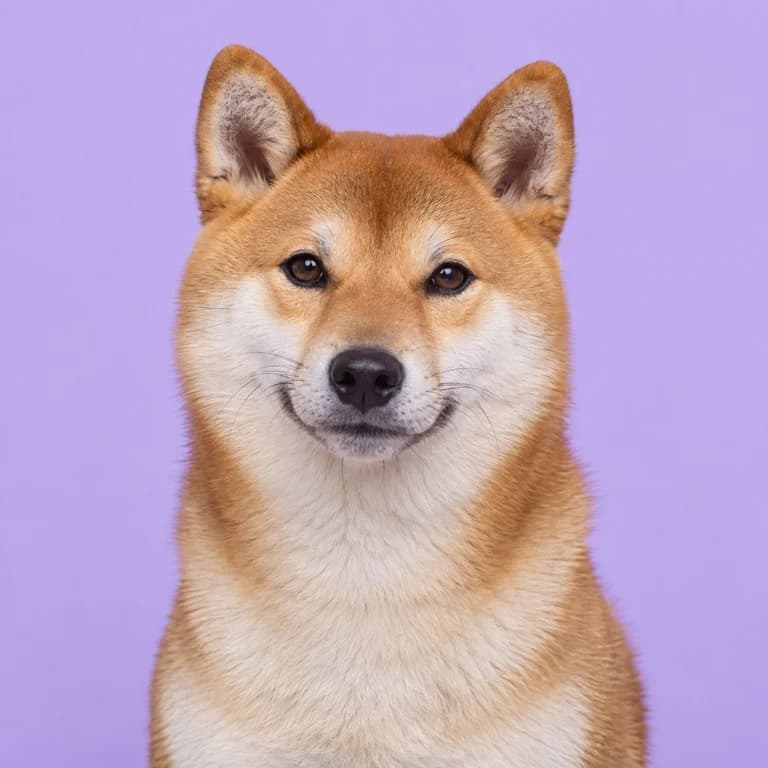
Original AI-generated breed illustration
Weight
7 to 11 kg
15 to 24 lb
Height
34 to 41 cm
at the shoulder
Life expectancy
12 to 15 yrs
Activity estimate
60 to 90 min
editorial daily planning range
Adult-size estimate
12 months
approximate model input
Life with a Shiba Inu
Owners tend to describe the Shiba temperament with words usually saved for cats: aloof, clean, particular, private. This is a dog that meets you at the door, confirms you are the right person, and then goes back to its favorite spot. It loves its household but rarely fawns over anyone, and most Shibas tolerate being picked up and held for a few seconds at best.
The breed is ancient, shaped in the mountains of central Japan to flush birds and small animals from dense undergrowth for hunters. Its numbers collapsed during the Second World War and the distemper outbreak that followed, and breeders rebuilt it from three surviving regional types. Japan had already named it a Natural Monument in 1936, and it remains the most popular native breed there.
Living with a Shiba means respecting its boundaries. Many guard food, chews and favorite resting places, dislike rough handling from strangers, and are choosy about other dogs, particularly those of the same sex. They bark far less than most small breeds, but they are not silent: expect yodels, grumbles and the occasional operatic scream when something displeases them.
That self-contained nature has an upside. A well-exercised adult Shiba often copes with a few hours alone better than many companion breeds, keeps its coat and paws surprisingly tidy, and rarely smells like a dog even when damp.
What stands out
Training
Shibas are intelligent, but they tend to ask what is in it for them before they comply. Repetitive drills bore them, and force produces stubborn refusal or the famous scream. Keep sessions brief, pay with high-value food, and focus on behaviors that matter in daily life rather than endless sits.
Read the full training guideEasy to train
Open with strangers
Good with other dogs
A great match for
- experienced owners who like an independent dog
- homes with a securely fenced garden
- people who dislike dog odor and drool
- adults wanting a quiet, dignified companion
Think twice if
- weak off-lead recall and strong chase drive
- heavy seasonal shedding
- guarding of food, toys and resting spots
- strong dislike of restraint for nail trims and vet exams
Personality and needs at a glance
Living together
Good with children
Good with other dogs
Open with strangers
Apartment friendly
Copes with alone time
Energy and character
Energy level
Playfulness
Easy to train
Barking
5 means very vocal
Care and climate
Grooming needs
Shedding
Drooling
Handles cold
Handles heat
How much a Shiba Inu eats
Illustrative calculations for neutered adults at midpoint breed weights, with food at 370 kcal per 100 g and 100 g per cup. These are not measured breed requirements. Use actual weight, the food label and veterinary body-condition advice.
| Dog | Weight | Calories | Dry food |
|---|---|---|---|
| Female, relaxed lifestyle | 8 kg | 470 kcal | 125 g (1.3 cups) |
| Female, typical pet | 8 kg | 530 kcal | 145 g (1.5 cups) |
| Male, typical pet | 10 kg | 630 kcal | 170 g (1.8 cups) |
| Male, very active | 10 kg | 790 kcal | 215 g (2.3 cups) |
Care guides for the Shiba Inu
Things owners are often surprised by
- 1Japan designated the Shiba a Natural Monument in 1936.
- 2Modern Shibas descend from three regional types, the Shinshu, Mino and San'in, that survived the Second World War and a distemper outbreak that followed.
- 3Sesame coloring means black-tipped hairs over a red base.
- 4Many Shibas produce a loud, high-pitched scream when handled against their wishes.
- 5Most keep themselves remarkably clean and are easy to house-train.
Shiba Inu questions
Why does my Shiba Inu scream?
The Shiba scream is a loud, high-pitched protest many Shibas use when they are restrained, handled in a way they dislike, or asked to do something they would rather not. It is usually about frustration or discomfort rather than pain, but it is worth ruling out injury if the scream is new. Slow, reward-based handling practice from puppyhood makes it far less frequent.
Can a Shiba Inu ever be trusted off lead?
Some individuals become fairly reliable, but most experienced owners treat off-lead time as something for fenced areas only. Shibas were bred to pursue small animals independently, and once they lock onto a squirrel or cat they often stop listening. A long line gives freedom to explore while you keep control, and it is the safest way to practice recall in real conditions.
Are Shiba Inus good with cats?
A Shiba raised with a confident cat from puppyhood often lives with it peacefully, sometimes even affectionately. Adult Shibas meeting cats for the first time are less predictable, because the breed has a strong prey drive. Introductions should be slow, with the dog on lead and the cat able to escape to high places. Outdoor cats in the neighborhood are usually fair game in a Shiba's eyes.
How much do Shiba Inus shed?
More than their neat appearance suggests. Between the two seasonal blowouts, shedding is light to moderate and a weekly brush keeps it manageable. During a blowout, which lasts about two to three weeks, the undercoat comes out in handfuls and you may need to rake daily. Unspayed females sometimes drop coat after a season as well.
Is a Shiba Inu a good first dog?
It can work for a first-time owner who has researched the breed carefully and enjoys training, but it is not an easy starter dog. Shibas are independent, sensitive to handling and quick to test rules. Owners who expect a biddable, cuddly dog are often disappointed. If you want the look with an easier temperament, meet several adult Shibas before deciding.
Popular answers for owners
- Bowls and feeding gearWhat is the best travel bowl for hiking with a dog?
- Puppy feeding and growthWhen should a large breed puppy switch to adult food?
- Puppy feeding and growthDo puppies grow in stages or steadily?
- Bowls and feeding gearWhat size bowl does my dog need?
- Bowls and feeding gearWhat is a slow feeder bowl?
- Bowls and feeding gearWhy do stainless steel bowls sometimes look scratched?
Breeds you might compare
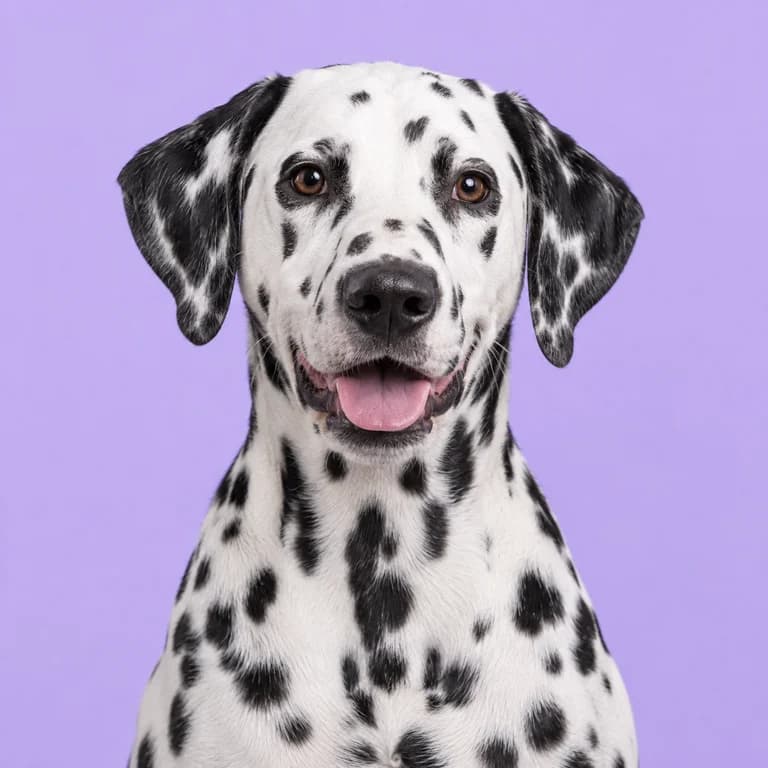
Non-sporting group
Dalmatian
20 to 32 kg · 11 to 13 years
Bred to trot beside horse-drawn carriages for hours, the Dalmatian still has the stamina to prove it.
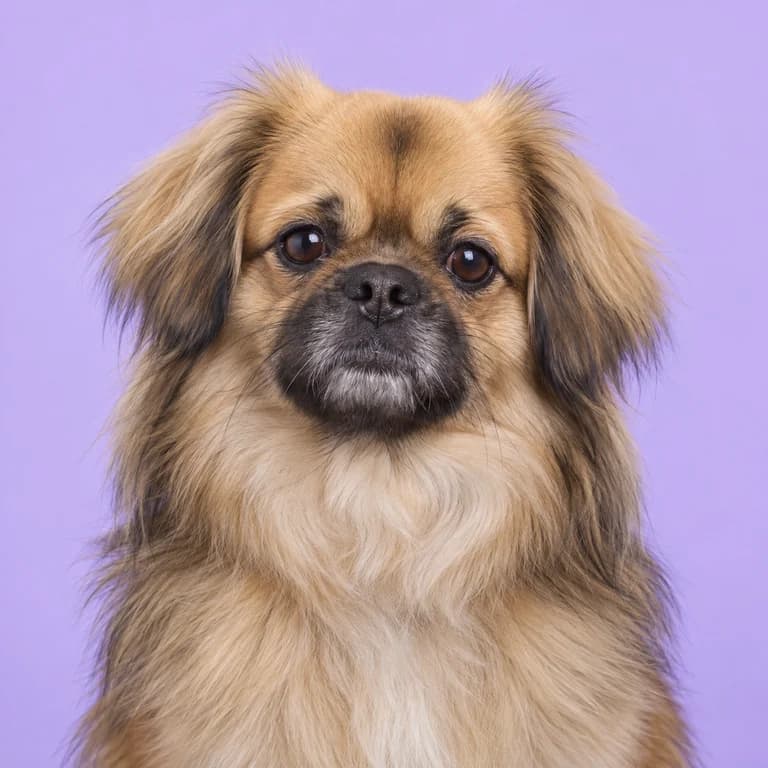
Non-sporting group
Tibetan Spaniel
4 to 7 kg · 12 to 15 years
Part watchdog, part cat: a small Himalayan dog that loves high perches and decides for itself who is a friend.
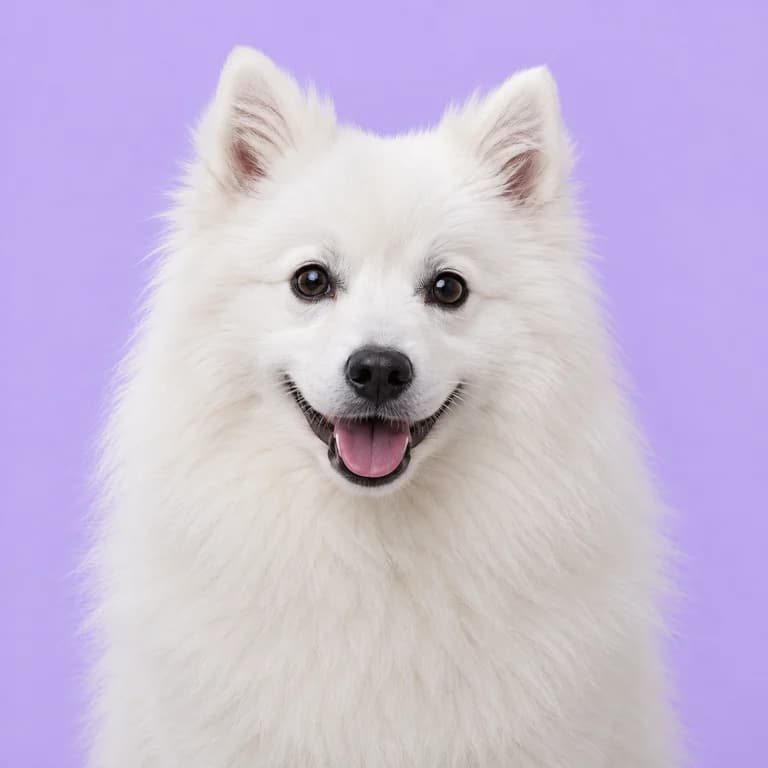
Non-sporting group
Japanese Spitz
5 to 10 kg · 12 to 16 years
A snow-white spitz with a cheerful, people-centered nature and a coat that sheds dirt better than you would expect.
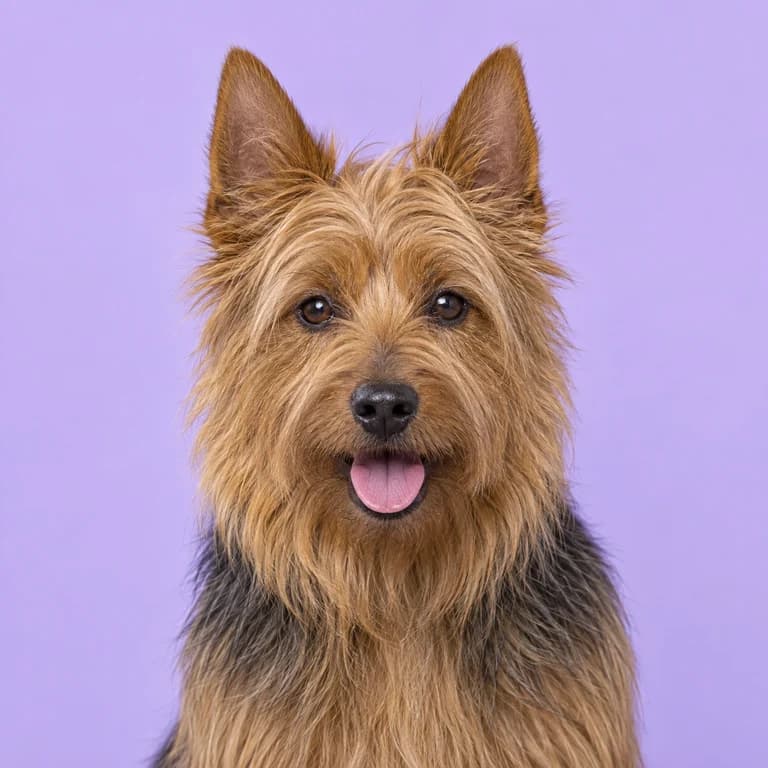
Terrier group
Australian Terrier
5 to 8 kg · 12 to 15 years
A sturdy little terrier from the Australian bush with big-dog confidence and a deeply devoted streak.
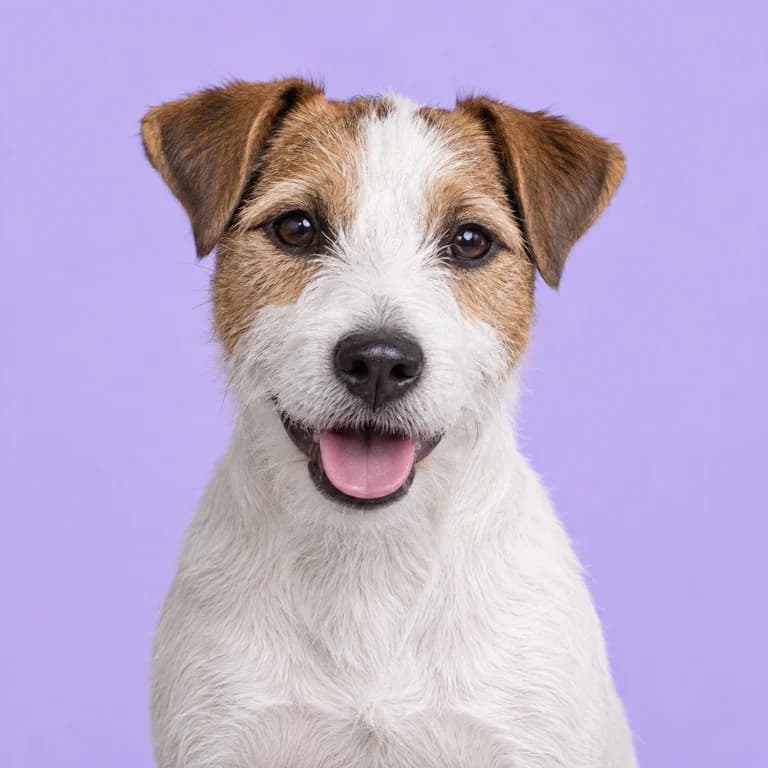
Terrier group
Parson Russell Terrier
5 to 8 kg · 13 to 15 years
A long-legged hunt terrier built to run with horses and hounds all day, then ask for more.
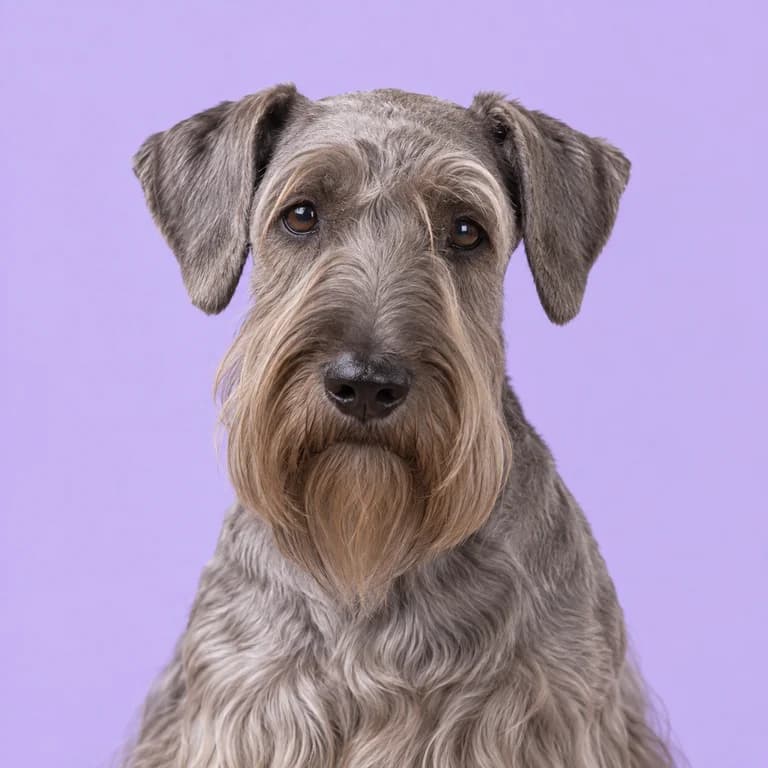
Terrier group
Cesky Terrier
6 to 10 kg · 12 to 15 years
A calm, low terrier created by a Czech geneticist, with a silky coat that is clipped rather than stripped.