Sources for this article
Working group · Germany
German Pinscher
Also called Deutscher Pinscher, Standard Pinscher
A sleek German farm dog built for rat catching and speed, with a motor that rarely idles.
The German Pinscher is a medium-sized, athletic dog that helped shape both the Doberman and the Miniature Pinscher. Bred to keep farms, stables and coach houses free of rats, it is fast, alert and intense. It suits owners who want an active partner and can supply plenty of exercise and clear guidance.
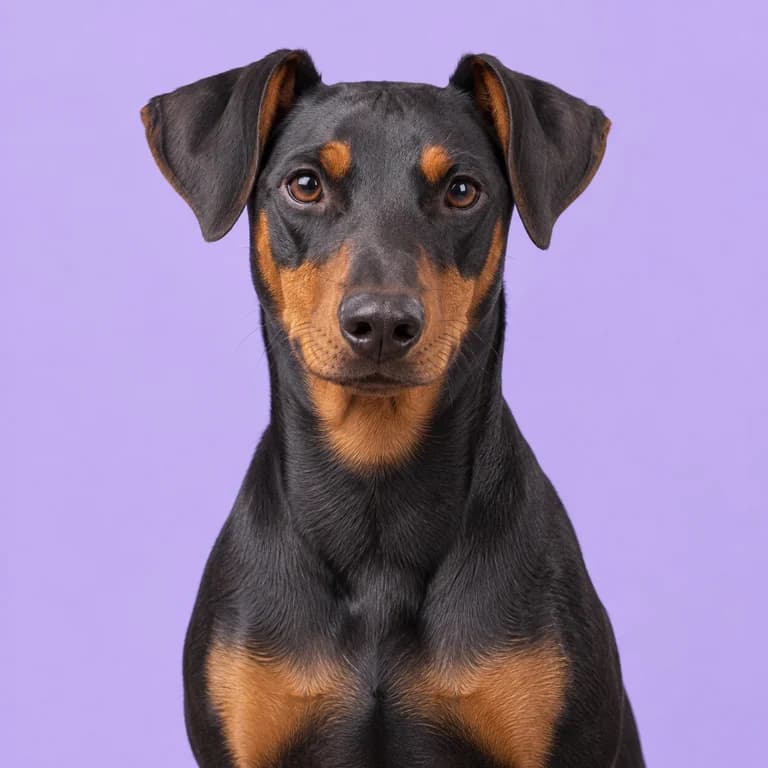
Original AI-generated breed illustration
Weight
11 to 20 kg
24 to 44 lb
Height
43 to 50 cm
at the shoulder
Life expectancy
12 to 14 yrs
Activity estimate
120 to 150 min
editorial daily planning range
Adult-size estimate
15 months
approximate model input
Life with a German Pinscher
Energy is the first thing people notice about a German Pinscher and usually the last thing they forget. This breed was developed to patrol farms and stables for rats, working on its own initiative for hours, and that stamina has never been bred out. A young German Pinscher can walk 5 km (3 miles), come home, drink, and immediately drop a toy in your lap.
It is an old breed, sitting in the family tree of the Doberman and the Miniature Pinscher, and it shares an ancestry with the Standard Schnauzer, which was once called the wire-haired pinscher. Common on German farms in the nineteenth century, it collapsed in number after two world wars and nearly vanished during the 1950s. A small group of enthusiasts rebuilt it from very few dogs, and it remains uncommon today.
Indoors, a well-exercised German Pinscher is affectionate, playful and likes to be close to its people, often leaning its weight against your legs. It is watchful and protective, alerting you to arrivals, and can be reserved with strangers. The combination of intelligence and drive means it needs an owner who sets clear routines and follows through, because this dog spots inconsistency immediately.
What stands out
Exercise
Plan for at least 60 to 90 minutes of vigorous activity daily, not just a gentle stroll. German Pinschers shine at agility, lure coursing, tracking, canicross once fully grown, and barn hunt, a sport in which dogs search hay bales for rats kept safely inside ventilated tubes. Mental work counts as much as miles: scent games and a 10-minute training session can take the edge off on a busy day.
Read the full exercise guideActivity planning estimate
120 to 150 min
editorial estimate, not a prescription
Energy
5 / 5
Playfulness 4 / 5
A great match for
- runners, hikers and cyclists
- owners with dog sport experience
- homes with a securely fenced garden
- people who want a low-maintenance coat
Think twice if
- very high energy and drive
- strong prey drive toward cats and small animals
- tests boundaries hard during adolescence
- not suited to long hours alone
Personality and needs at a glance
Living together
Good with children
Good with other dogs
Open with strangers
Apartment friendly
Copes with alone time
Energy and character
Energy level
Playfulness
Easy to train
Barking
5 means very vocal
Care and climate
Grooming needs
Shedding
Drooling
Handles cold
Handles heat
How much a German Pinscher eats
Illustrative calculations for neutered adults at midpoint breed weights, with food at 370 kcal per 100 g and 100 g per cup. These are not measured breed requirements. Use actual weight, the food label and veterinary body-condition advice.
| Dog | Weight | Calories | Dry food |
|---|---|---|---|
| Female, relaxed lifestyle | 15 kg | 730 kcal | 195 g (2 cups) |
| Female, typical pet | 15 kg | 830 kcal | 225 g (2.3 cups) |
| Male, typical pet | 17 kg | 940 kcal | 255 g (2.5 cups) |
| Male, very active | 17 kg | 1170 kcal | 315 g (3.3 cups) |
Care guides for the German Pinscher
Things owners are often surprised by
- 1Counted among the ancestors of both the Doberman and the Miniature Pinscher.
- 2Almost vanished after the Second World War and was rebuilt from a handful of dogs in the late 1950s.
- 3Natural ears and tails are standard across most of Europe, where cropping and docking are banned.
- 4The coat needs roughly five minutes of care a week.
- 5Recognized by the AKC in 2003.
German Pinscher questions
Is a German Pinscher the same as a Doberman?
No. The German Pinscher is an older, smaller breed and is considered one of the Doberman's ancestors. A German Pinscher usually weighs 11 to 20 kg (25 to 45 lb), while a Doberman often weighs 30 to 45 kg (66 to 99 lb). They share a sleek outline and similar colors, but the German Pinscher has more of a terrier's independence and prey drive.
Are German Pinschers good with cats?
Some live peacefully with cats they were raised with, but the breed was developed to hunt vermin and many have a strong prey drive. Adult dogs meeting cats for the first time need slow, supervised introductions. Outdoor cats and other small animals are often treated as targets. If you have cats, choose a puppy from a breeder who can discuss temperament honestly.
Do German Pinschers make good apartment dogs?
They can adapt if their exercise needs are fully met, but it is harder than with many breeds. A German Pinscher needs at least an hour of vigorous exercise daily and plenty of mental work. Without that, apartment life can lead to barking, pacing and destructive behavior. A home with a secure garden and an active owner is usually a better fit.
Are German Pinschers aggressive?
They are not naturally aggressive, but they are protective, alert and sometimes reserved with strangers. Some can be reactive toward unfamiliar dogs, especially of the same sex. Early socialization, consistent training and enough exercise make a big difference. A well-raised German Pinscher is usually confident and friendly with its family and polite with visitors.
What is the difference between a German Pinscher and a Miniature Pinscher?
The Miniature Pinscher is a small toy breed of about 4 to 5 kg (8 to 11 lb), while the German Pinscher is a medium dog of 11 to 20 kg. The Miniature Pinscher is thought to descend from small German Pinschers. Both are energetic and alert, but the German Pinscher needs far more exercise.
Popular answers for owners
- Puppy feeding and growthWhat is the best age to start reducing puppy meal frequency?
- Puppy feeding and growthHow much should a 7 week old puppy eat?
- How much to feedHow much should I feed a 4kg dog?
- How much to feedMy dog's weight loss has stalled, what should I change?
- Bowls and feeding gearWhy do pugs struggle with deep food bowls?
- Grooming and coatWhat is a puppy cut?
Breeds you might compare
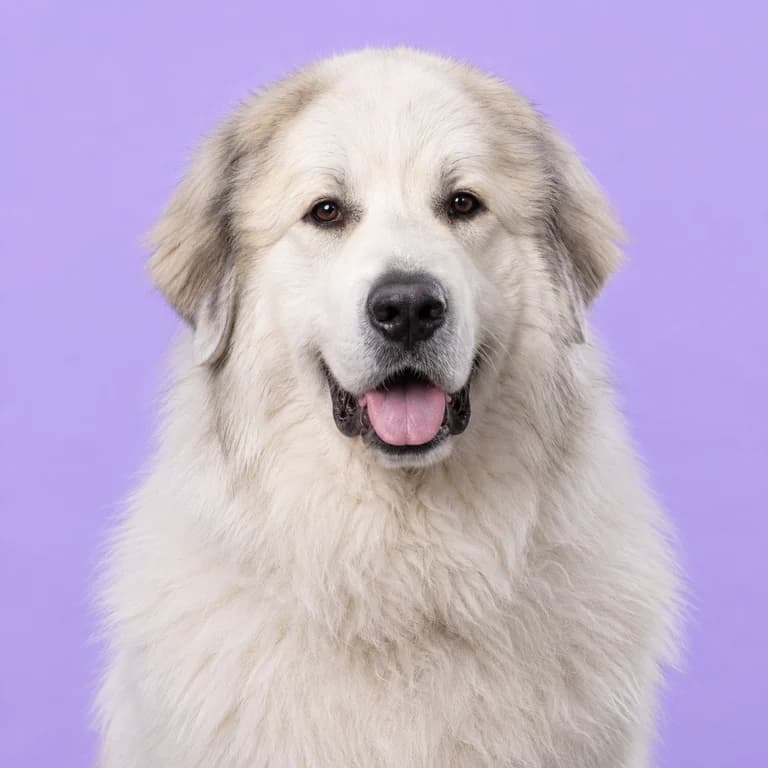
Working group
Great Pyrenees
38 to 60 kg · 10 to 12 years
A calm white giant that sleeps through the afternoon and patrols through the night, exactly as it was bred to.
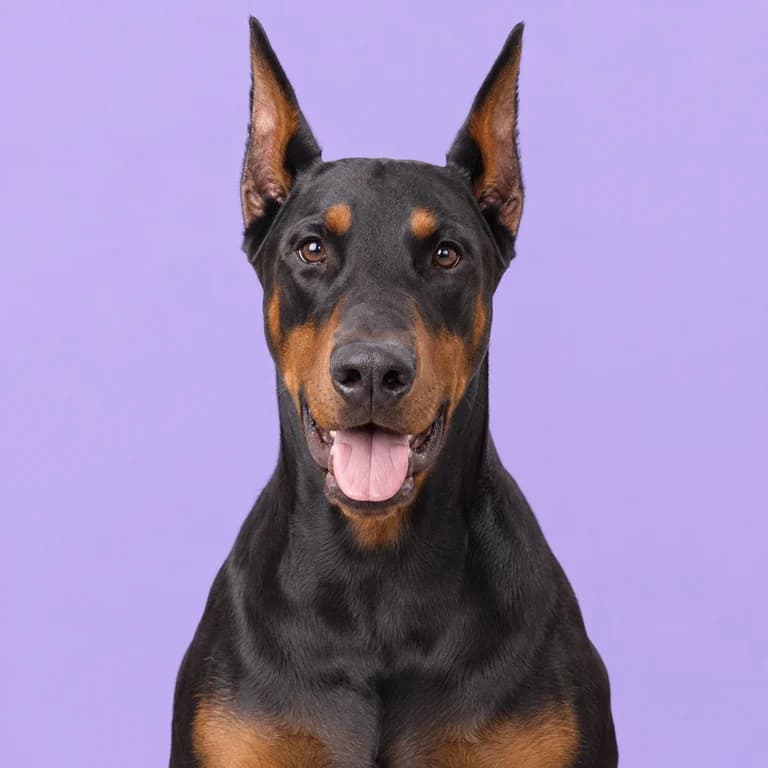
Working group
Doberman Pinscher
32 to 45 kg · 10 to 12 years
A sleek guardian with a watchful mind that becomes surprisingly soft and clingy with its own people.
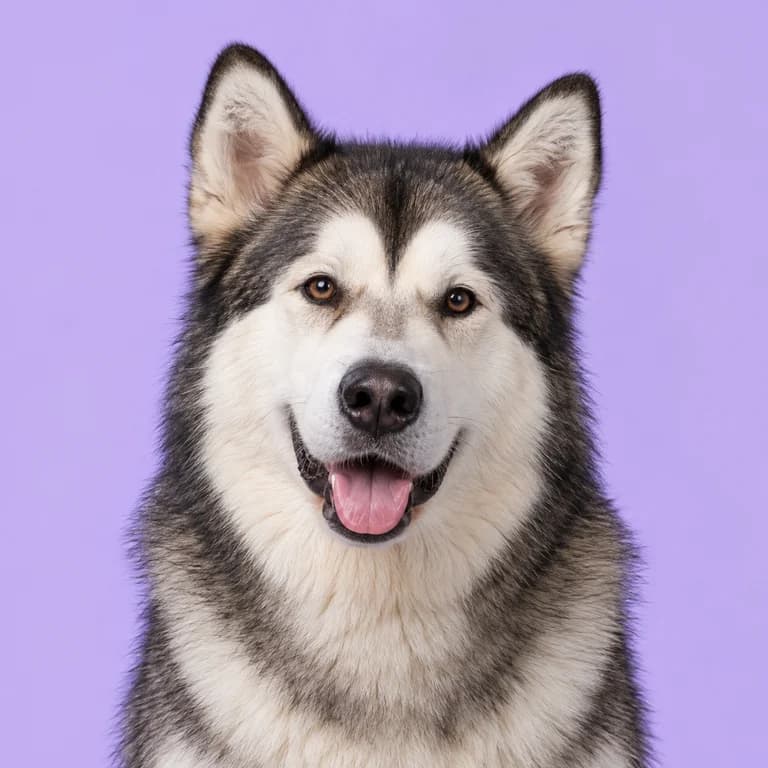
Working group
Alaskan Malamute
32 to 43 kg · 10 to 14 years
A freight-hauling Arctic dog built for strength and stamina, with a talkative streak and a mind of its own.
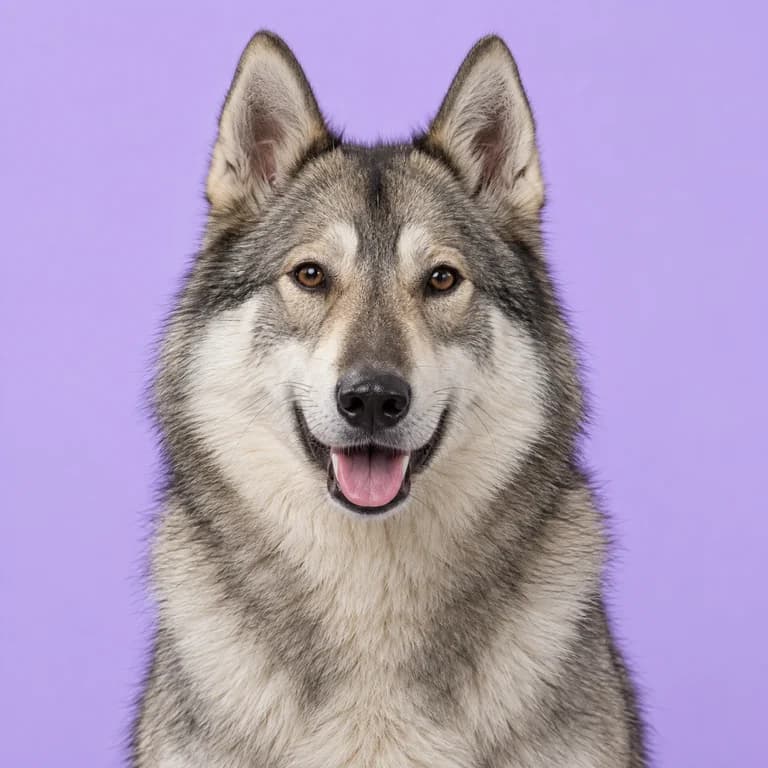
Hound group
West Siberian Laika
16 to 23 kg · 12 to 15 years
A tireless Siberian hunting spitz that finds game in the forest and holds it there with its voice.
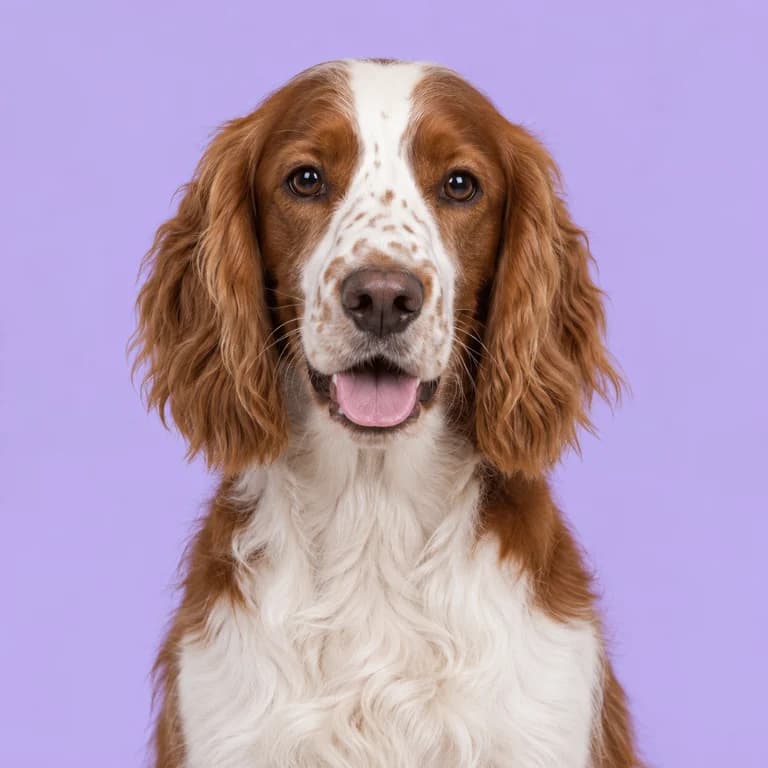
Sporting group
Welsh Springer Spaniel
16 to 25 kg · 12 to 15 years
A red-and-white Welsh gundog that learns best through partnership, patience and plenty of miles.
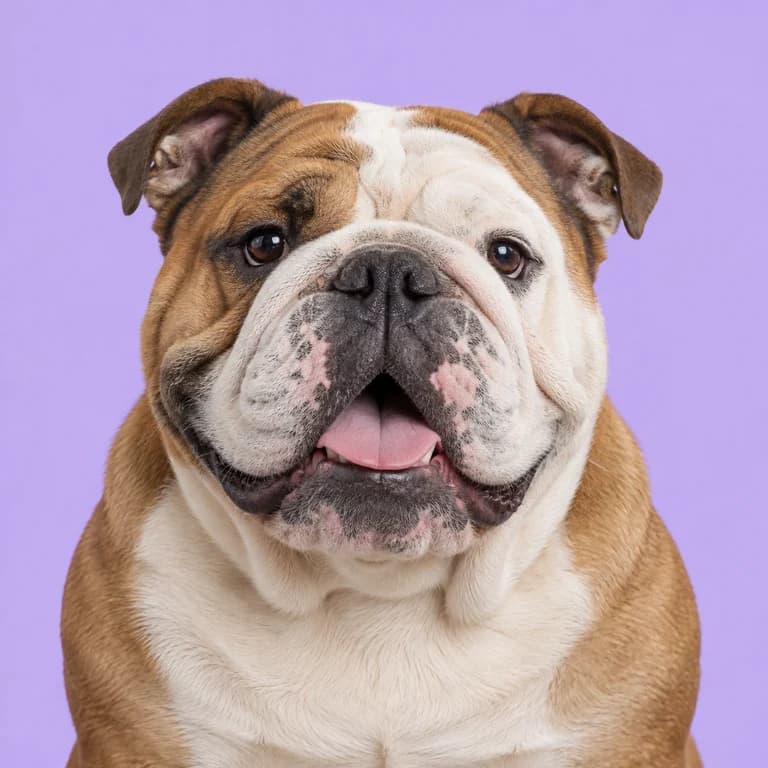
Non-sporting group
English Bulldog
18 to 25 kg · 8 to 10 years
A low-slung, sociable couch companion whose flat face shapes nearly every decision you make about its care.