Sources for this article
Terrier group · Ireland
Soft Coated Wheaten Terrier
Also called Wheaten, Wheaten Terrier, Irish Wheaten
Silky, bouncy and relentlessly cheerful, the Wheaten asks for more brushing than almost any terrier.
The Soft Coated Wheaten Terrier is an Irish farm dog with a single silky coat that barely sheds and tangles easily. Owners love the sunny, people-focused personality, but the coat demands daily care and the breed carries known kidney and gut risks worth understanding before you buy.
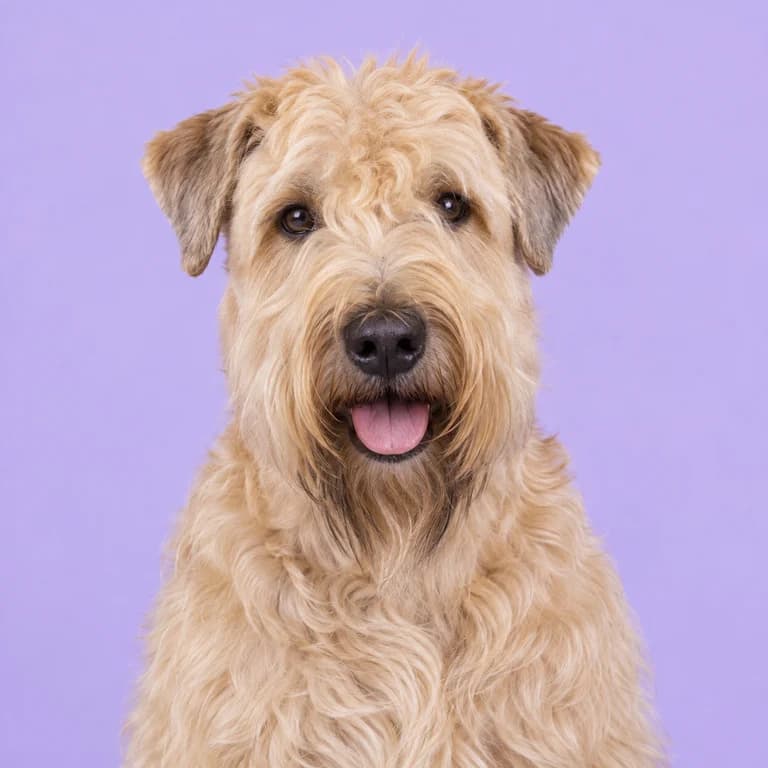
Original AI-generated breed illustration
Weight
14 to 18 kg
31 to 40 lb
Height
43 to 49 cm
at the shoulder
Life expectancy
12 to 14 yrs
Activity estimate
90 to 120 min
editorial daily planning range
Adult-size estimate
18 months
approximate model input
Life with a Soft Coated Wheaten Terrier
Run your hand along a well-kept Wheaten and you feel something closer to human hair than a typical dog coat: soft, silky and gently waving, with no woolly undercoat beneath it. That coat is the breed's signature and its biggest daily commitment. It sheds very little, but loose hairs stay caught in the coat instead of falling to the floor, and they twist into mats fast.
The breed grew up on small Irish farms as a general-purpose terrier. It killed rats, helped move livestock, warned of strangers and, according to tradition, was one of the dogs ordinary tenant farmers could keep when grander breeds belonged to the gentry. Despite that long history, the Irish Kennel Club only recognized it in 1937, a surprisingly recent date for such an old type of dog.
Temperament is sunnier and softer than many terriers. Wheatens are usually friendly with everyone, bouncy well into middle age, and very attached to their people. The so-called Wheaten greetin' is a full-body leap of joy at the door, charming from a puppy and much less so from 17 kg of muddy adult.
Two coat styles exist within the breed. The Irish type has a lighter, silkier coat that lies closer to the body, while American and English show lines carry a fuller, more voluminous coat that is sculpted when groomed. Both share the same personality, but the fuller coat takes noticeably more work to keep free of tangles.
What stands out
Grooming
Expect to brush and comb every day, or at least every other day, for 10 to 15 minutes. Use a pin brush to work through the coat in sections, then follow with a metal comb right down to the skin. Mats usually start behind the ears, in the armpits, under the collar and on the legs.
Read the full grooming guideIllustrative grooming schedule based on our editorial coat-care score. Adjust it to the individual coat and professional advice.
Brushing
Daily
Bathing
Every 3 to 6 weeks
Shedding
Minimal
Nail trim
Every 3 to 4 weeks
A great match for
- families who want a playful, affectionate terrier
- owners with time or budget for regular grooming
- people who dislike dog hair on furniture
- homes where someone is around much of the day
Think twice if
- mats within days if brushing is skipped
- jumping up on visitors well into adulthood
- chase instinct toward cats and small animals
- a beard that soaks up water and food
- breed-linked kidney and gut conditions
Personality and needs at a glance
Living together
Good with children
Good with other dogs
Open with strangers
Apartment friendly
Copes with alone time
Energy and character
Energy level
Playfulness
Easy to train
Barking
5 means very vocal
Care and climate
Grooming needs
Shedding
Drooling
Handles cold
Handles heat
How much a Soft Coated Wheaten Terrier eats
Illustrative calculations for neutered adults at midpoint breed weights, with food at 370 kcal per 100 g and 100 g per cup. These are not measured breed requirements. Use actual weight, the food label and veterinary body-condition advice.
| Dog | Weight | Calories | Dry food |
|---|---|---|---|
| Female, relaxed lifestyle | 15 kg | 750 kcal | 200 g (2 cups) |
| Female, typical pet | 15 kg | 850 kcal | 230 g (2.3 cups) |
| Male, typical pet | 17 kg | 940 kcal | 255 g (2.5 cups) |
| Male, very active | 17 kg | 1170 kcal | 315 g (3.3 cups) |
Care guides for the Soft Coated Wheaten Terrier
Things owners are often surprised by
- 1Puppies are born dark, often reddish brown or deep grey, and usually clear to wheaten between 18 months and two and a half years
- 2Has a single coat with no undercoat, so shedding is minimal but matting is constant
- 3First shown in Ireland on St Patrick's Day in 1937
- 4Owners call its leaping hello at the door the Wheaten greetin'
- 5Once worked as an all-purpose farm dog: ratting, herding and guarding
- 6Screening for protein-losing kidney and gut conditions includes yearly urine and blood tests
Soft Coated Wheaten Terrier questions
Are Soft Coated Wheaten Terriers hypoallergenic?
No dog is truly hypoallergenic, because allergens come from skin, saliva and urine as well as hair. Wheatens do shed very little, and some people with mild allergies cope better with them than with heavy shedders. If you have allergies, spend several hours with adult Wheatens before committing, and remember that the grooming they need also stirs up dander.
Why is my Wheaten puppy dark brown?
That is normal. Wheaten puppies are born dark, often reddish or grey with black tips and a dark muzzle. The color gradually clears to a pale wheaten shade, a process that can take two years or longer. A little dark shading on the ears and muzzle may stay into adulthood, and the final shade often differs from the puppy's first coat.
Can I keep my Wheaten in a short clip instead of brushing?
Many pet owners keep a Wheaten in a short clip, especially in summer. It reduces daily brushing but does not remove it, since even short coats tangle around the ears, legs and armpits. Clipping should be done by a groomer with blades set to a safe length. Plenty of Wheatens look and feel happier in a practical short trim than in a matted long coat.
How do I stop my Wheaten jumping on guests?
Start with management: keep the dog on a lead or behind a gate when the door opens, so it cannot rehearse the leap. Then reward a sit or four paws on the floor with attention and a treat, and let guests greet only when the dog is calm. Wheatens love people, so the greeting itself is the reward. Consistency from everyone in the house matters more than any single technique.
What are Irish and American type Wheatens?
Irish type Wheatens have a lighter, silkier and wavier coat that lies close to the body. The American and English show type was developed with a thicker, more voluminous coat that is shaped when groomed. Both are the same breed with the same temperament, but the fuller coat needs more brushing and more frequent professional grooming to stay free of mats.
Popular answers for owners
- Grooming and coatWhy does my dog smell like corn chips?
- How much to feedHow much should I feed a medium sized dog?
- How much to feedHow much should I feed a giant breed dog?
- How much to feedWhat does an ideal weight dog look like from the side?
- How much to feedHow can I tell if my dog is underweight?
- Puppy feeding and growthHow much should I feed a rescue puppy of unknown age?
Breeds you might compare
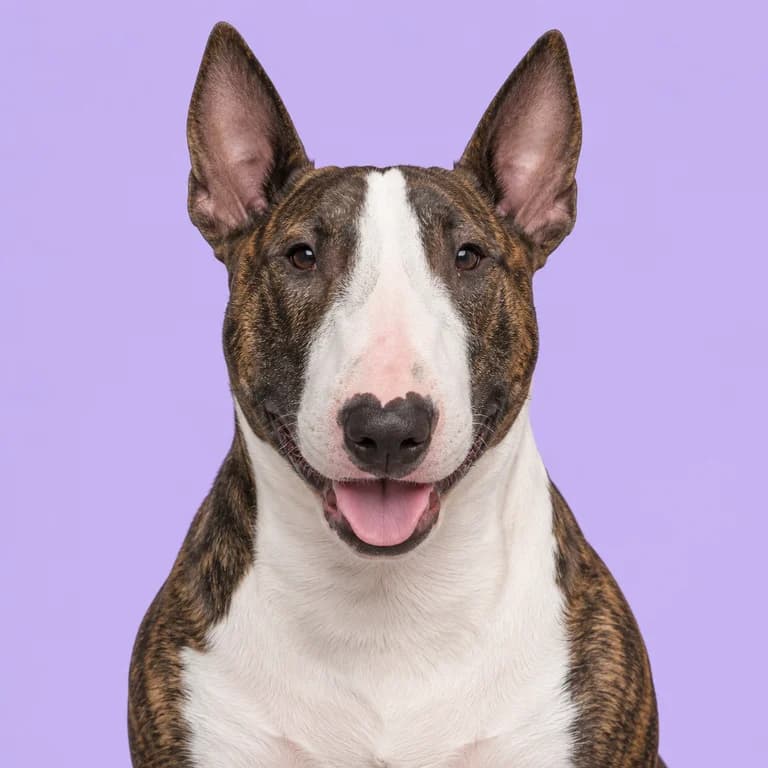
Terrier group
Bull Terrier
20 to 30 kg · 11 to 13 years
A muscular comedian with an egg-shaped head, loyal to its people and stubborn about almost everything else.
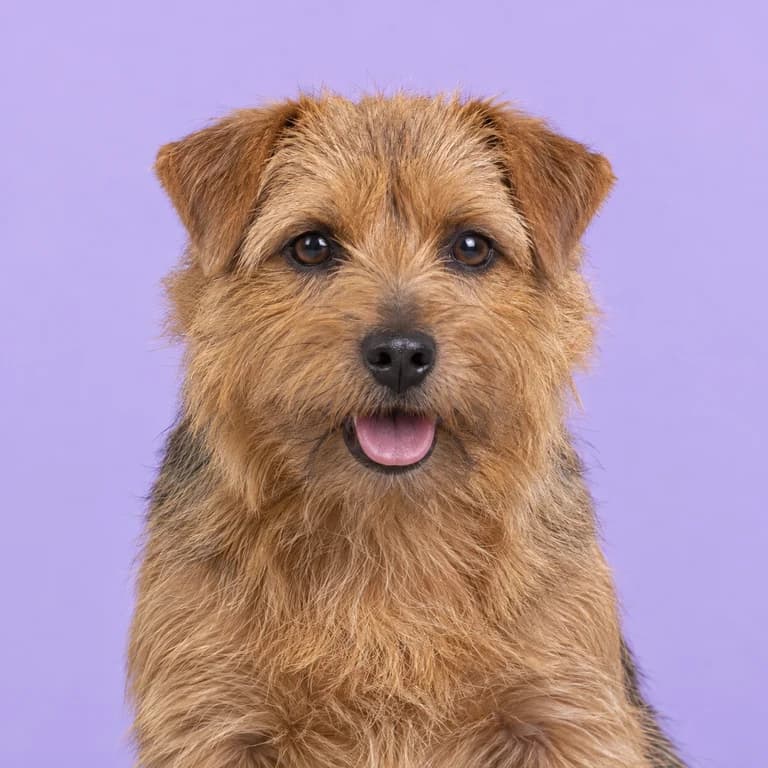
Terrier group
Norfolk Terrier
5 to 6 kg · 12 to 15 years
One of the smallest working terriers, low and sturdy, with folded ears and a notably sociable nature.
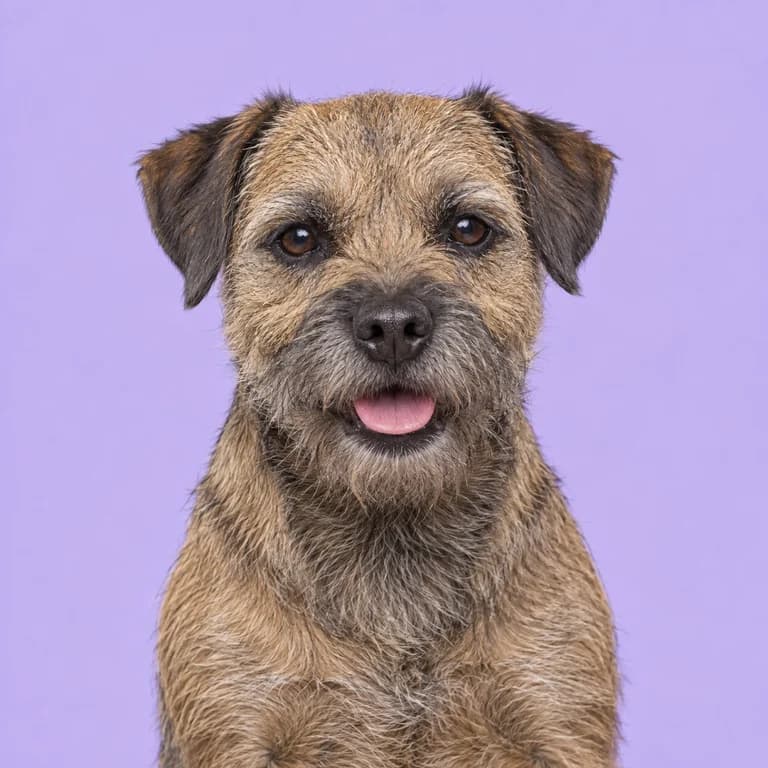
Terrier group
Border Terrier
5 to 7 kg · 12 to 15 years
A terrier with legs long enough to keep up with a hunt on horseback and stamina to spare afterwards.
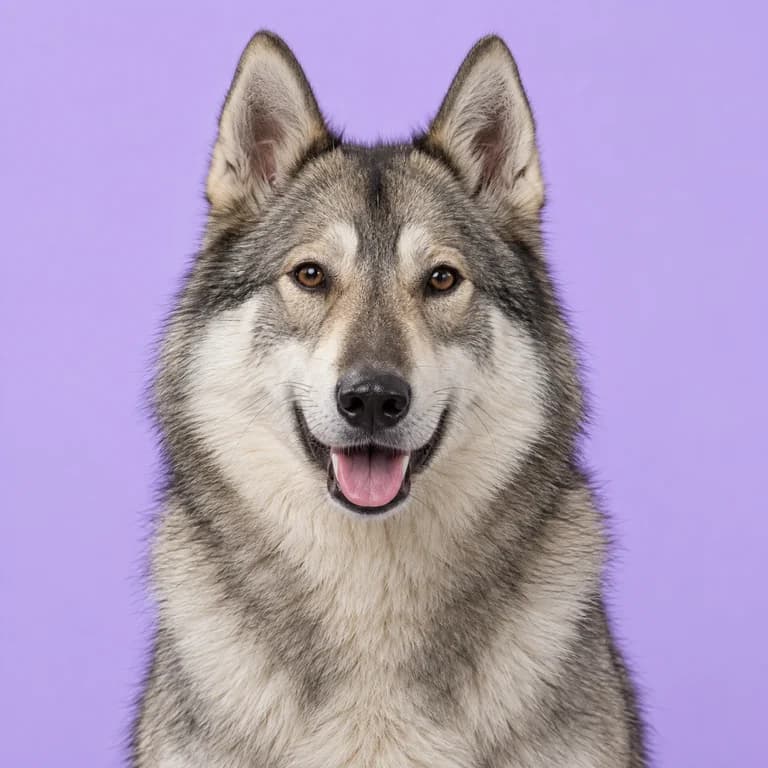
Hound group
West Siberian Laika
16 to 23 kg · 12 to 15 years
A tireless Siberian hunting spitz that finds game in the forest and holds it there with its voice.
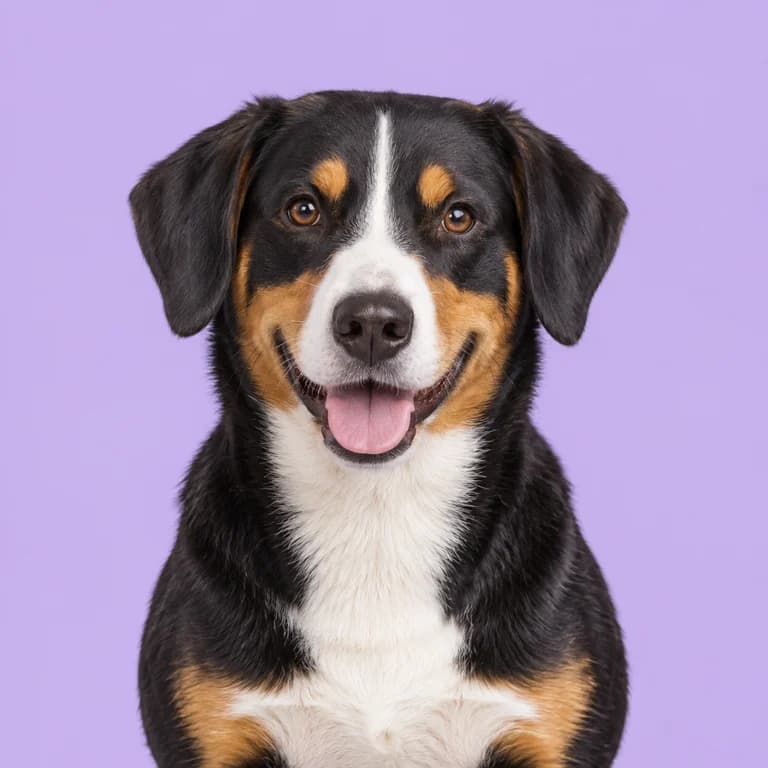
Herding group
Entlebucher Mountain Dog
20 to 30 kg · 11 to 13 years
The smallest Swiss mountain dog packs a cattle drover's stamina into a compact, tricolored body that rarely switches off.
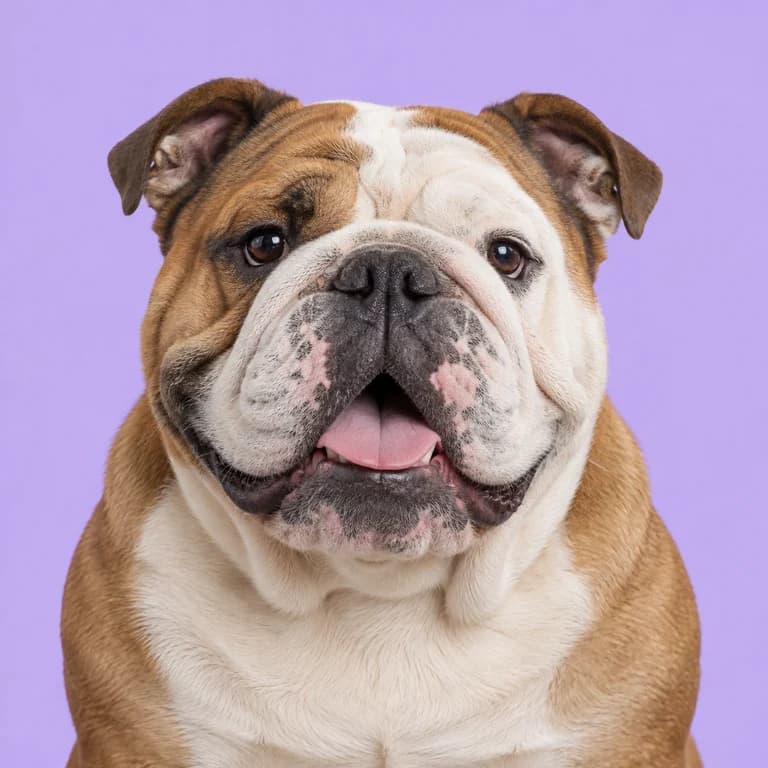
Non-sporting group
English Bulldog
18 to 25 kg · 8 to 10 years
A low-slung, sociable couch companion whose flat face shapes nearly every decision you make about its care.