Hound group · Russia
West Siberian Laika
Also called Zapadno-Sibirskaya Laika, WSL
A tireless Siberian hunting spitz that finds game in the forest and holds it there with its voice.
The West Siberian Laika is a hunting spitz developed from the dogs of the Khanty and Mansi peoples of the Ural and western Siberian forests. It is hardy, independent and intensely driven, a superb partner for hunters and a demanding companion for anyone else.
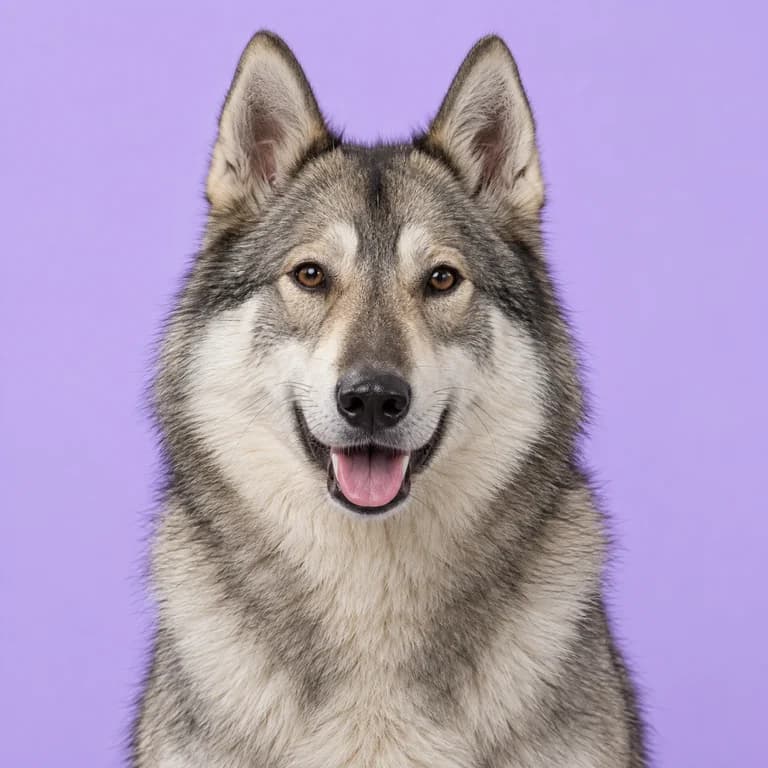
Original AI-generated breed illustration
Weight
16 to 23 kg
35 to 51 lb
Height
51 to 62 cm
at the shoulder
Life expectancy
12 to 15 yrs
Activity estimate
120 to 150 min
editorial daily planning range
Adult-size estimate
18 months
approximate model input
Life with a West Siberian Laika
Energy is the first thing people notice. A West Siberian Laika is built to range through the taiga for an entire day, searching for game in deep snow, and a quick walk around the block barely registers. The breed comes from the hunting dogs of the Khanty and Mansi peoples of the Ural Mountains and western Siberia, and it was standardized in the Soviet Union in the mid 20th century as a working breed for fur and meat hunters.
Its hunting style explains much of its behavior. The laika works independently, far ahead of the hunter, and when it finds a squirrel, sable or grouse in a tree, it barks steadily to hold the animal's attention until the hunter comes. With larger game such as elk or boar, it circles and barks to stop the animal moving. This demands confidence, stamina and decision-making, and the dog brings all three into your home.
With its family a laika is loyal and affectionate, but it is not a dog that waits for commands. It is reserved with strangers, may be dominant toward dogs of the same sex, and sees cats, chickens and small pets as potential prey. The breed is common across Russia and parts of Eastern Europe but still rare in Western Europe and North America, so owners often have to learn a lot from hunters and specialist breeders.
What stands out
Exercise
Plan on at least two hours of exercise a day, with a mix of off-lead running where safe, long hikes, and mental work. Hunters give laikas their natural outlet, but non-hunters can use canicross, bikejoring, skijoring or long trail runs. Scent games and tracking help tire the mind as well as the body.
Read the full exercise guideActivity planning estimate
120 to 150 min
editorial estimate, not a prescription
Energy
5 / 5
Playfulness 4 / 5
A great match for
- hunters and very active outdoor people
- rural homes with secure fencing
- cold climates
- experienced owners of spitz or hunting breeds
Think twice if
- very strong prey drive toward cats and livestock
- may fight with dogs of the same sex
- loud and frequent barking
- escapes and roams if bored
- heavy seasonal shedding
Personality and needs at a glance
Living together
Good with children
Good with other dogs
Open with strangers
Apartment friendly
Copes with alone time
Energy and character
Energy level
Playfulness
Easy to train
Barking
5 means very vocal
Care and climate
Grooming needs
Shedding
Drooling
Handles cold
Handles heat
How much a West Siberian Laika eats
Illustrative calculations for neutered adults at midpoint breed weights, with food at 370 kcal per 100 g and 100 g per cup. These are not measured breed requirements. Use actual weight, the food label and veterinary body-condition advice.
| Dog | Weight | Calories | Dry food |
|---|---|---|---|
| Female, relaxed lifestyle | 19 kg | 870 kcal | 235 g (2.3 cups) |
| Female, typical pet | 19 kg | 1000 kcal | 270 g (2.8 cups) |
| Male, typical pet | 21 kg | 1080 kcal | 290 g (3 cups) |
| Male, very active | 21 kg | 1350 kcal | 365 g (3.8 cups) |
Care guides for the West Siberian Laika
Things owners are often surprised by
- 1Laika comes from the Russian verb meaning to bark, a nod to how these dogs hunt.
- 2The breed finds game and barks to hold it, whether a squirrel in a tree or an elk at bay, until the hunter arrives.
- 3Soviet cynologists drew up formal standards for the main laika types in the late 1940s.
- 4Its dense double coat lets it work in winter temperatures far below minus 30°C (minus 22°F).
- 5The tail curls in a ring over the back or lies against the thigh.
West Siberian Laika questions
Is the West Siberian Laika a husky?
No. Both are northern spitz types with thick coats and curled tails, but the laika is a hunting dog, while the Siberian Husky was bred to pull sleds. Laikas work independently to find and hold game with barking, and they generally have stronger prey drive and more guarding instinct. Their needs and temperaments are different, even if they look similar.
Can a West Siberian Laika live in a city?
It is possible but challenging. A laika needs hours of vigorous exercise, secure space and mental stimulation. City life often means limited off-lead areas, many small animals to chase, and neighbors disturbed by barking. Owners who manage it usually run, cycle or hike daily and have regular access to forests or fields.
Are Laikas good with cats?
Generally not. The breed was developed to hunt small animals, and many laikas see cats as prey. A laika raised with a particular cat may learn to tolerate it indoors, but outdoor cats and other small pets remain at risk. Families with cats, rabbits or poultry should think very carefully before choosing this breed.
What is the difference between West Siberian, East Siberian and Russo-European Laikas?
They are separate breeds of Russian hunting laika. The West Siberian is the most widespread, lighter and quick. The East Siberian, from the Lake Baikal and Amur regions, is usually slightly larger and heavier-boned with more color variety. The Russo-European Laika tends to be a little smaller, and most are black and white.
Do West Siberian Laikas bark a lot?
Yes, more than most breeds. Barking is literally how a laika does its job, and hunters select for a clear, persistent voice that carries through forest. At home that means barking at wildlife, passing dogs and unfamiliar sounds, often for long stretches. Plenty of exercise and a quiet cue help, but neighbors in terraced housing or flats may still struggle with the volume.
Popular answers for owners
- Bowls and feeding gearAre puzzle feeders good for bored dogs?
- Puppy feeding and growthAre training treats bad for a puppy's diet?
- Puppy feeding and growthHow do I wean puppies onto solid food?
- Grooming and coatHow do I introduce a puppy to grooming for the first time?
- Puppy feeding and growthHow often should I reweigh my puppy to adjust its food?
- Puppy feeding and growthHow much should a 7 month old puppy eat?
Breeds you might compare

Hound group
Harrier
20 to 27 kg · 12 to 15 years
A pack hound bred to hunt hare on foot, bigger than a Beagle and more sociable than most dogs you will meet.

Hound group
Treeing Walker Coonhound
22 to 32 kg · 12 to 13 years
An American night-hunting hound with huge stamina, a voice that carries for miles and a friendly nature.
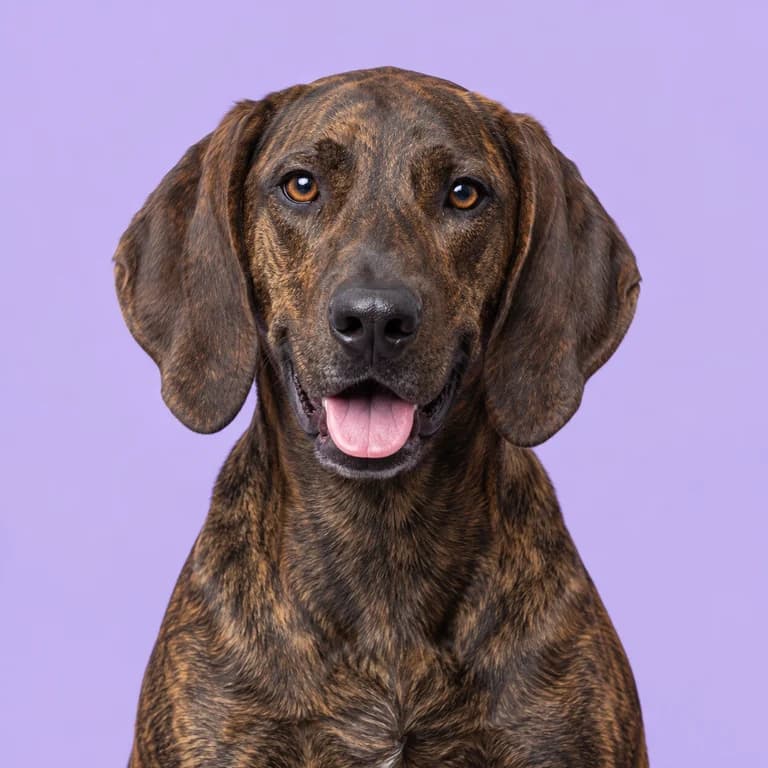
Hound group
Plott Hound
18 to 27 kg · 12 to 14 years
A brindle bear hound from the Great Smoky Mountains, built to trail all night and announce every find.

Sporting group
Nova Scotia Duck Tolling Retriever
17 to 23 kg · 12 to 14 years
The smallest retriever, bred to play along the shoreline until curious ducks swam close enough to shoot.

Sporting group
Welsh Springer Spaniel
16 to 25 kg · 12 to 15 years
A red-and-white Welsh gundog that learns best through partnership, patience and plenty of miles.

Herding group
Australian Cattle Dog
14 to 22 kg · 12 to 16 years
A compact drover with seemingly endless stamina, built to move stubborn cattle across hot Australian country.