Sources for this article
Terrier group · England
Bull Terrier
Also called English Bull Terrier, Bully
A muscular comedian with an egg-shaped head, loyal to its people and stubborn about almost everything else.
The Bull Terrier packs a powerful, compact body and one of the most playful personalities in the terrier world. It was created in nineteenth-century England and now lives mainly as a devoted, often ridiculous family companion. It needs company, structure and an owner who can laugh at its strong opinions.
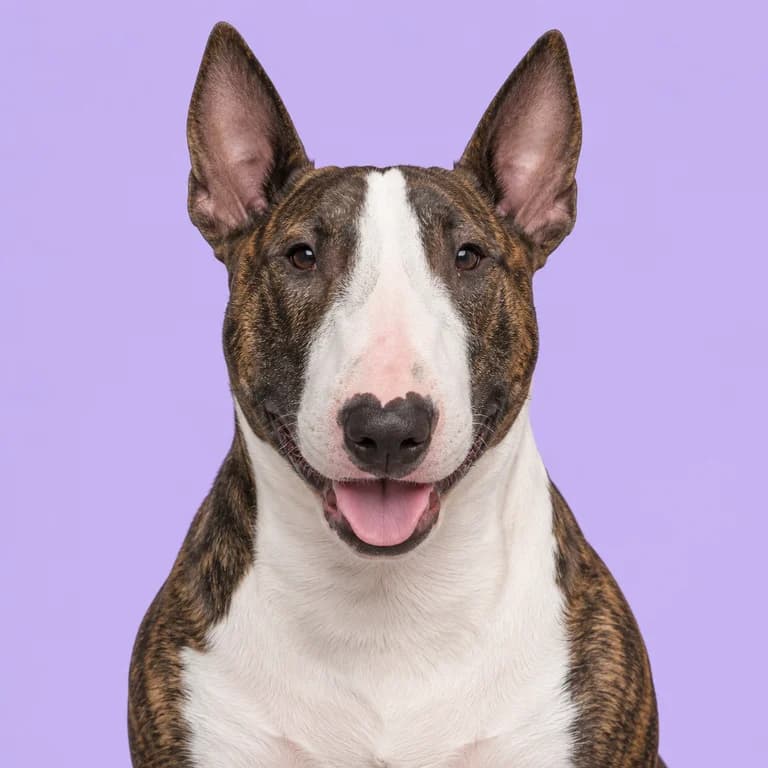
Original AI-generated breed illustration
Weight
20 to 30 kg
44 to 66 lb
Height
50 to 60 cm
at the shoulder
Life expectancy
11 to 13 yrs
Activity estimate
90 to 120 min
editorial daily planning range
Adult-size estimate
18 months
approximate model input
Life with a Bull Terrier
Few breeds are as instantly recognizable, and few are as misunderstood. The Bull Terrier grew out of crosses between old bulldogs and terriers in early nineteenth-century England, dogs used in the blood sports of that era. In the 1850s and 1860s a Birmingham dealer named James Hinks refined an elegant all-white version that became fashionable with gentlemen, and colored Bull Terriers were later reintroduced. Over the following century, breeders steadily softened the temperament for companionship.
Today's dog is best described as a clown with muscles. Bull Terriers are affectionate, physical and endlessly entertaining. Many perform a strange slow-motion walk under hanging plants, curtains or tablecloths, a quirk owners call trancing or ghost walking. Nobody fully understands why they do it, but it appears harmless and is one of the breed's oddest traits.
They generally love people, including visitors, which makes them poor guard dogs despite their appearance. What they cope with less well is being left alone for long hours, or sharing space with a dog that challenges them. Careful early socialization with other dogs helps, yet many adults are happiest as the only dog, or living with a calm companion of the opposite sex.
A Bull Terrier also has a physical presence that surprises people. At 20 to 30 kg (45 to 66 lb) of dense muscle on a relatively short frame, it can knock over a child or an unsteady adult in a joyful greeting, so manners matter as much as affection.
What stands out
Training
Bull Terriers learn fast but do not always see the point of doing what you asked. Short, playful sessions using food and toys work much better than repetition or confrontation. Owners who turn training into a game, for example using a brief tug session as the reward for a solid down, often get impressive results from a breed with a stubborn reputation.
Read the full training guideEasy to train
Open with strangers
Good with other dogs
A great match for
- owners who are home much of the day
- active households who enjoy play and games
- experienced dog people
- families with older, sturdy children
Think twice if
- strong-willed and easily bored
- may not accept other dogs, especially of the same sex
- can develop compulsive behaviors when under-stimulated
- powerful puller on the lead
Personality and needs at a glance
Living together
Good with children
Good with other dogs
Open with strangers
Apartment friendly
Copes with alone time
Energy and character
Energy level
Playfulness
Easy to train
Barking
5 means very vocal
Care and climate
Grooming needs
Shedding
Drooling
Handles cold
Handles heat
How much a Bull Terrier eats
Illustrative calculations for neutered adults at midpoint breed weights, with food at 370 kcal per 100 g and 100 g per cup. These are not measured breed requirements. Use actual weight, the food label and veterinary body-condition advice.
| Dog | Weight | Calories | Dry food |
|---|---|---|---|
| Female, relaxed lifestyle | 24 kg | 1050 kcal | 285 g (2.8 cups) |
| Female, typical pet | 24 kg | 1200 kcal | 325 g (3.3 cups) |
| Male, typical pet | 27 kg | 1330 kcal | 360 g (3.5 cups) |
| Male, very active | 27 kg | 1660 kcal | 450 g (4.5 cups) |
Care guides for the Bull Terrier
Things owners are often surprised by
- 1A Birmingham dog dealer named James Hinks shaped the elegant all-white Bull Terrier in the mid-1800s.
- 2The long, downfaced head has no stop between skull and muzzle, giving the famous egg shape.
- 3White Bull Terriers have a higher rate of congenital deafness, so BAER hearing tests are standard for litters.
- 4The breed standard sets no weight or height limits and asks instead for maximum substance for the dog's size.
- 5The Miniature Bull Terrier is now a separate breed, capped at about 35.5 cm (14 in) at the shoulder.
Bull Terrier questions
Why does my Bull Terrier walk in slow motion under plants?
This is called trancing or ghost walking, and it is surprisingly common in Bull Terriers. The dog creeps very slowly under something that brushes its back, such as a plant, curtain or tablecloth, and seems almost hypnotized. The cause is not well understood, but it appears harmless in most dogs. If it becomes frequent or hard to interrupt, mention it to your vet.
Are Bull Terriers good family dogs?
Many are affectionate, playful and loyal family dogs that adore their people. They suit families with older, sturdy children best, because their strength and exuberance can knock over small children. They need plenty of company, structure and activity. Families who are out all day or who want a quiet, low-energy dog usually find the breed a poor match.
Can Bull Terriers live with other dogs?
Some live happily with other dogs, particularly if raised together and paired with a dog of the opposite sex. Others become intolerant of dogs as they mature, especially dogs of the same sex. Careful socialization helps but cannot guarantee the result. If you already have a dog, choose an adult Bull Terrier with a known history with other dogs, or seek a breeder's guidance.
What is the difference between a Bull Terrier and a Pit Bull?
They share distant ancestry in bulldog and terrier crosses, but they are separate types. The Bull Terrier is a recognized breed with an egg-shaped, downfaced head, small triangular eyes and a standard that has been refined since the 1800s. Pit bull is a loose term covering several breeds and types, most with a broader, more defined skull. Temperament and legal status also differ by country.
Do Bull Terriers need a lot of attention?
Yes. This is a people-focused breed that tends to struggle when left alone for long hours, and boredom can lead to chewing, barking or compulsive habits. A Bull Terrier is happiest when someone is home for much of the day, or when it has company, regular walks and games. Puzzle feeders and chews help fill quieter periods.
Popular answers for owners
- How much to feedWhy do two dogs of the same breed have different healthy weights?
- Bowls and feeding gearHow far apart should bowls be for multiple dogs?
- Grooming and coatMy dog hates being brushed, what do I do?
- Puppy feeding and growthHow many times a day should I feed my 8 week old puppy?
- Bowls and feeding gearHow do I choose a bowl size for two meals a day?
- Puppy feeding and growthHow much should a 14 week old puppy eat?
Breeds you might compare
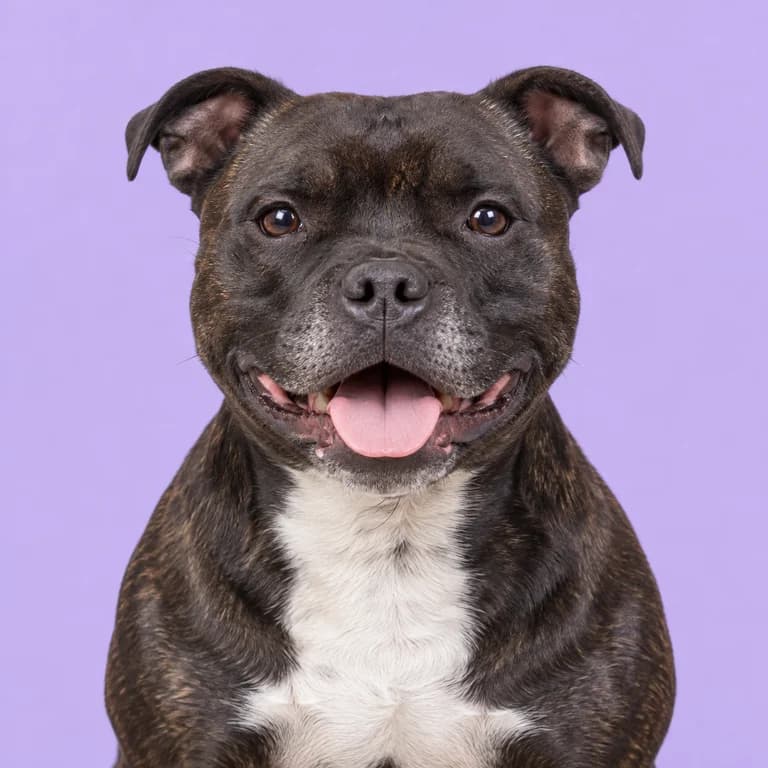
Terrier group
Staffordshire Bull Terrier
11 to 17 kg · 12 to 14 years
A muscular, grinning people-lover packed into 40 cm (16 in), often gentler with humans than with other dogs.
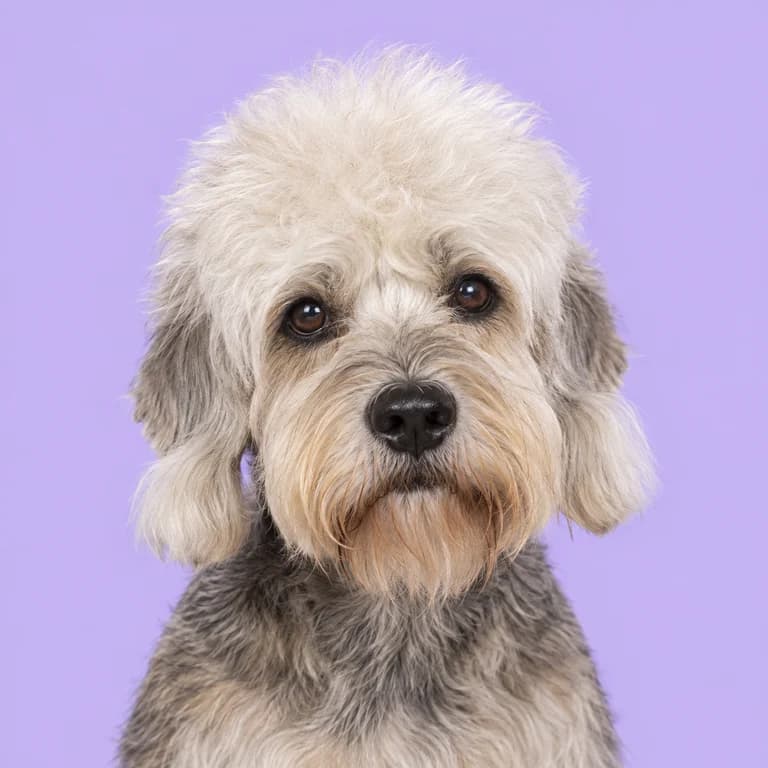
Terrier group
Dandie Dinmont Terrier
8 to 11 kg · 12 to 15 years
A long, low Border terrier with a soft topknot, a dignified stare and a coat that shows off good grooming.
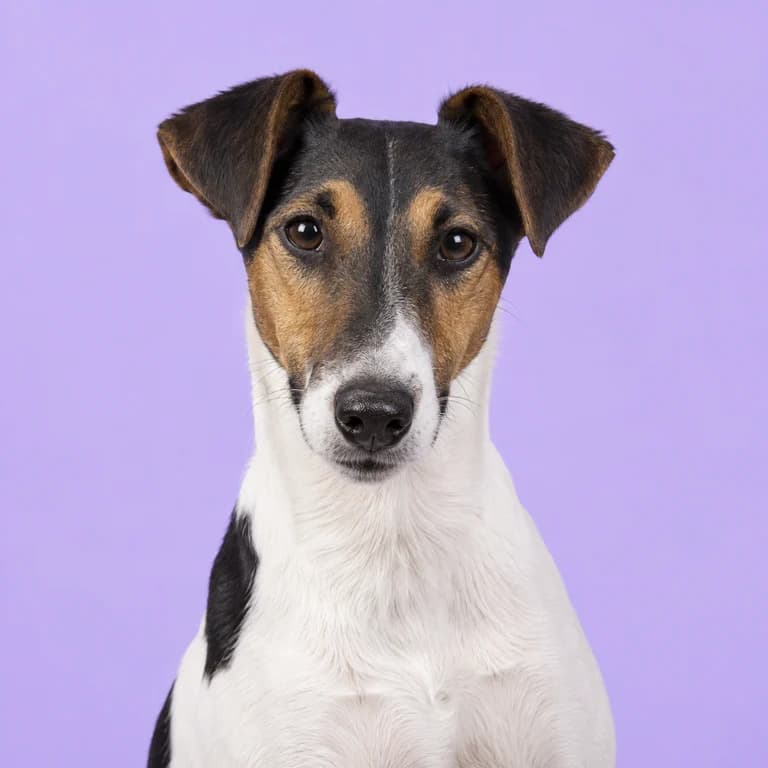
Terrier group
Smooth Fox Terrier
6 to 9 kg · 12 to 15 years
A lively white terrier bred to bolt foxes, still wired for chasing, digging and running rings around you.
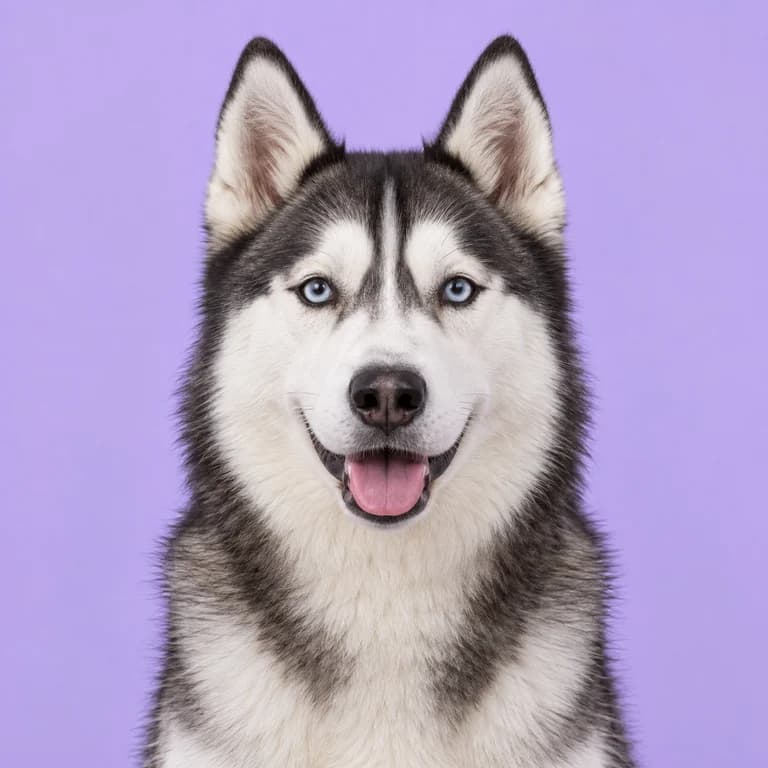
Working group
Siberian Husky
16 to 27 kg · 12 to 14 years
Built to pull light loads over huge distances, this friendly sled dog needs a real outlet or invents its own.
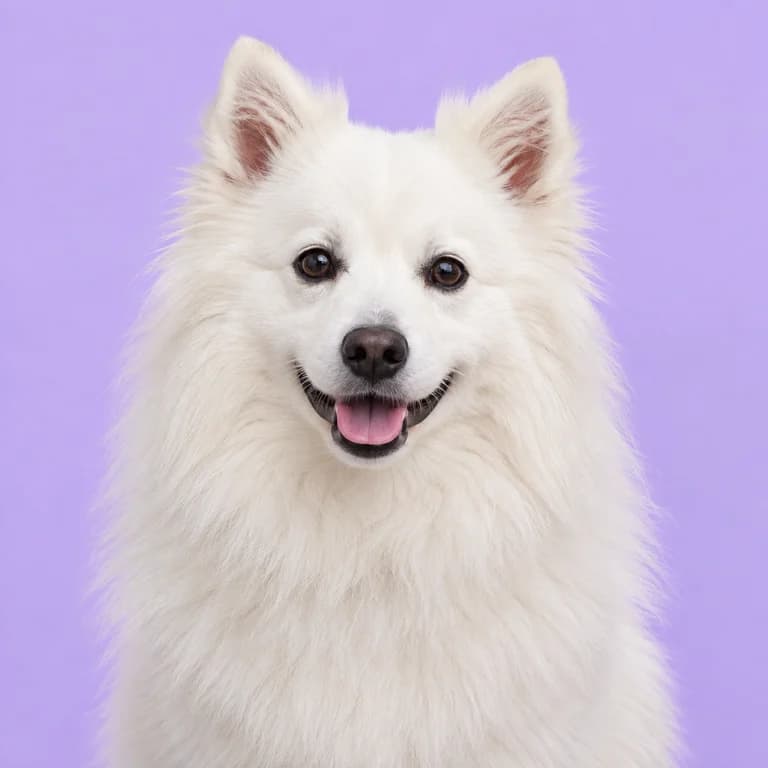
Non-sporting group
American Eskimo Dog
9 to 16 kg · 13 to 15 years
A German spitz renamed in America, once a circus star, now a bright and vocal family watchdog.
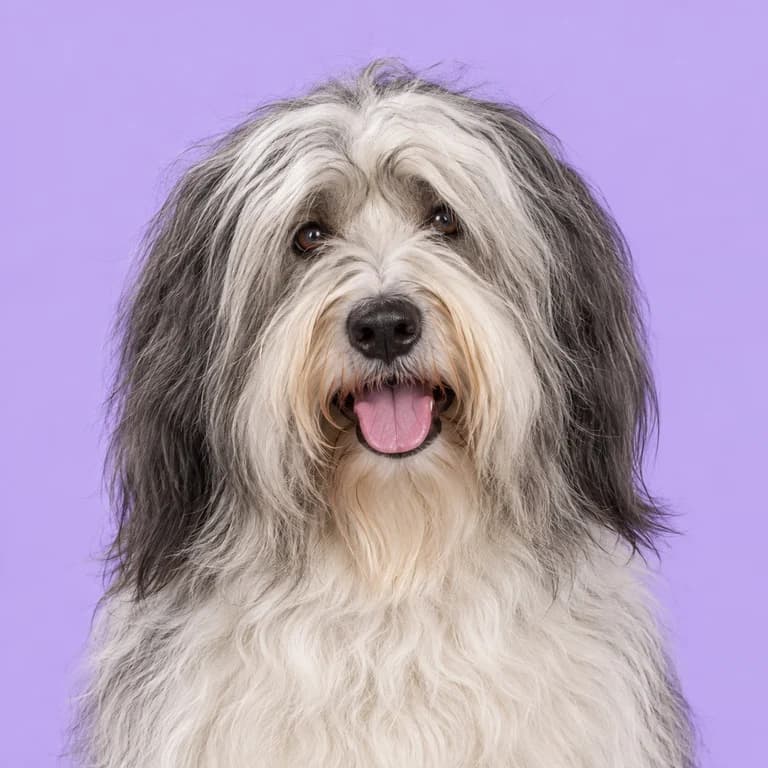
Herding group
Polish Lowland Sheepdog
14 to 23 kg · 12 to 14 years
A shaggy Polish herder with a sharp memory, strong opinions and a watchful eye under its fringe.