Terrier group · England and Scotland (the Border country)
Border Terrier
Also called Border, Coquetdale Terrier
A terrier with legs long enough to keep up with a hunt on horseback and stamina to spare afterwards.
The Border Terrier is a small, rough-coated working terrier of about 5 to 7 kg (11 to 16 lb), bred in the hill country between England and Scotland. It is gentler and more sociable than many terriers, but its drive to run, dig and chase is very much intact.
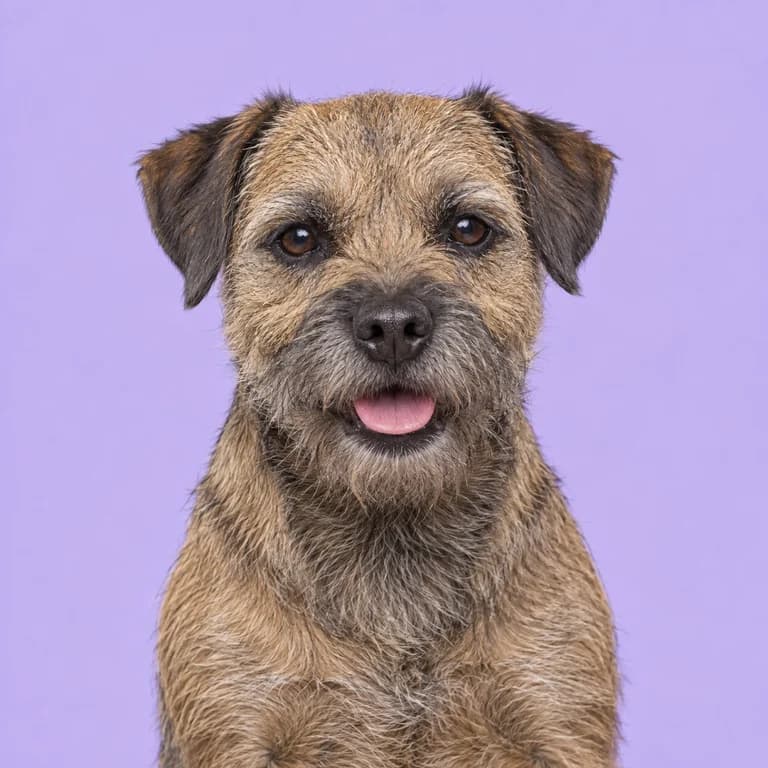
Original AI-generated breed illustration
Weight
5 to 7 kg
11 to 15 lb
Height
30 to 38 cm
at the shoulder
Life expectancy
12 to 15 yrs
Activity estimate
90 to 120 min
editorial daily planning range
Adult-size estimate
12 months
approximate model input
Life with a Border Terrier
Farmers and shepherds in the Cheviot Hills needed a terrier that could run with the foxhounds for miles, then bolt a fox from rocky cover once the hounds had it marked. Short-legged terriers got left behind, and heavy ones could not fit underground. The Border Terrier was the answer: long enough in the leg to follow horses, narrow enough in the chest to go to ground.
It went by a few local names, including Coquetdale and Reedwater Terrier, before settling on the name of the Border Hunt. The Kennel Club recognized it in 1920, and it is now one of the most popular terriers in Britain.
Living with one means living with a dog that likes to be busy. Borders are friendly with people, usually fine with other dogs, and more affectionate at home than their scruffy look suggests. They are also persistent, curious and fast, and a rabbit hole or an open gate can override everything you have taught them.
What stands out
Exercise
Plan on 60 to 90 minutes of activity a day for an adult. Borders happily cover long country walks, and many enjoy canicross, agility, earthdog trials and scent games. Two walks plus some play in the garden is a realistic minimum.
Read the full exercise guideActivity planning estimate
90 to 120 min
editorial estimate, not a prescription
Energy
4 / 5
Playfulness 5 / 5
A great match for
- active owners who walk in the countryside
- families with children who like to play outdoors
- people who want a small dog that is not delicate
- homes with a secure garden
Think twice if
- strong urge to chase cats, squirrels and rabbits
- digging and squeezing through fence gaps
- scavenging and weight gain
- dislike of being left alone for long
Personality and needs at a glance
Living together
Good with children
Good with other dogs
Open with strangers
Apartment friendly
Copes with alone time
Energy and character
Energy level
Playfulness
Easy to train
Barking
5 means very vocal
Care and climate
Grooming needs
Shedding
Drooling
Handles cold
Handles heat
How much a Border Terrier eats
Illustrative calculations for neutered adults at midpoint breed weights, with food at 370 kcal per 100 g and 100 g per cup. These are not measured breed requirements. Use actual weight, the food label and veterinary body-condition advice.
| Dog | Weight | Calories | Dry food |
|---|---|---|---|
| Female, relaxed lifestyle | 6 kg | 350 kcal | 95 g (1 cups) |
| Female, typical pet | 6 kg | 400 kcal | 110 g (1 cups) |
| Male, typical pet | 7 kg | 460 kcal | 125 g (1.3 cups) |
| Male, very active | 7 kg | 570 kcal | 155 g (1.5 cups) |
Care guides for the Border Terrier
Things owners are often surprised by
- 1The breed standard asks that the chest can be spanned by two hands behind the shoulders
- 2Named after the Border Hunt in Northumberland
- 3Recognized by the UK Kennel Club in 1920
- 4The coat is hand-stripped two or three times a year instead of clipped
- 5The head is often described as otter-like
Border Terrier questions
Do Border Terriers need hand stripping?
They do not strictly need it, but stripping keeps the coat harsh, weatherproof and true in color. Most Borders are stripped two or three times a year when the coat starts to look open and loose. Clipping is fine for comfort, but the coat will usually turn softer and lighter over time. Many groomers offer stripping, and many owners learn to do it at home.
Are Border Terriers good with cats?
Many live well with a cat they grew up with, especially if introduced as a puppy. Their instinct to chase small animals is strong, though, and it often applies to cats outside the home. Introduce slowly, give the cat escape routes and high places, and supervise until you are confident. Small caged pets are a much bigger risk.
Why does my Border Terrier eat everything?
Borders are well known for their appetite and scavenging. It comes from a tough working dog that ate whatever it could find. Manage it by keeping bins closed, food off counters, and teaching a reliable leave-it and drop cue. If your dog suddenly starts eating non-food items or seems unusually hungry, mention it to your vet.
Can Border Terriers be trusted off lead?
Some can in quiet places, after months of recall practice. The breed's prey drive means even a well-trained Border may bolt after a rabbit or squirrel. Use a long line of 5 to 10 m while you build recall, and pick open spaces away from roads. Many owners keep their dog on lead near woodland and farmland.
What is Spike's disease in Border Terriers?
It is a common name for canine epileptoid cramping syndrome, a condition recognized in the breed that causes episodes of trembling, stiffness, stumbling or cramping, often lasting a few minutes. Only a vet can assess what is behind an episode. If your dog has one, take a video, note what happened before it, and contact your vet.
Popular answers for owners
- How much to feedHow much should I feed a 35kg dog?
- Grooming and coatHow do I stop my dog's fur from getting sun bleached?
- Bowls and feeding gearHow do I keep a spaniel's ears out of the food bowl?
- Exercise and playHow do I introduce a puzzle toy to my dog?
- Exercise and playWhat is dock diving and is my dog suited for it?
- Puppy feeding and growthWhy is my large breed puppy growing so fast?
Breeds you might compare
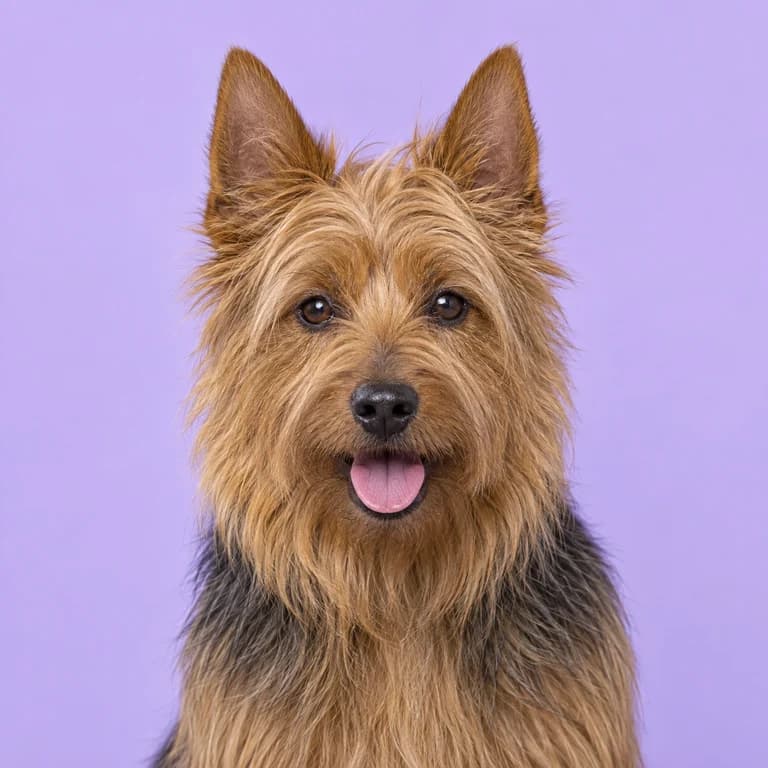
Terrier group
Australian Terrier
5 to 8 kg · 12 to 15 years
A sturdy little terrier from the Australian bush with big-dog confidence and a deeply devoted streak.
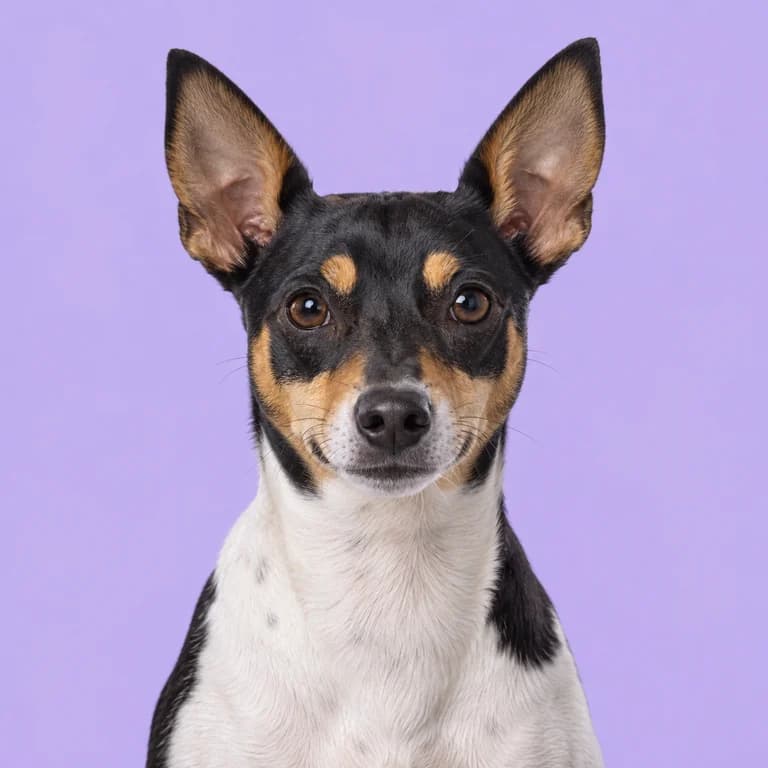
Terrier group
Rat Terrier
4 to 11 kg · 12 to 18 years
A compact American farm terrier that comes in two sizes and handles barn work and sofa duty equally well.
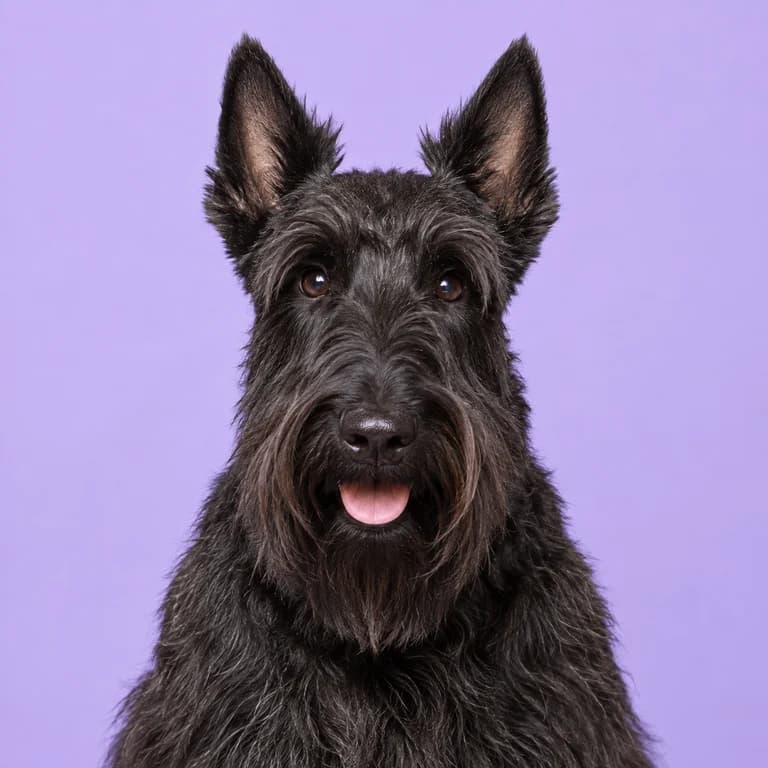
Terrier group
Scottish Terrier
8 to 10 kg · 11 to 13 years
A short-legged Highland den hunter with a beard, bushy eyebrows and the dignified stubbornness of a small laird.
Terrier group
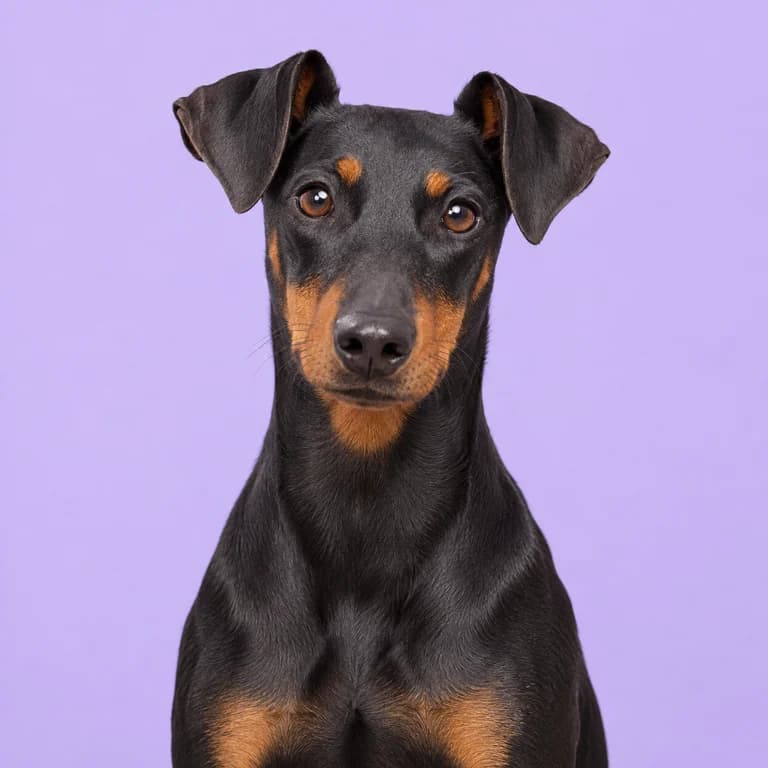
Manchester Terrier
5 to 10 kg · 14 to 16 years
A sleek black and tan ratter from Victorian Manchester, sharp-witted, devoted and very fond of warm laps.
Non-sporting group
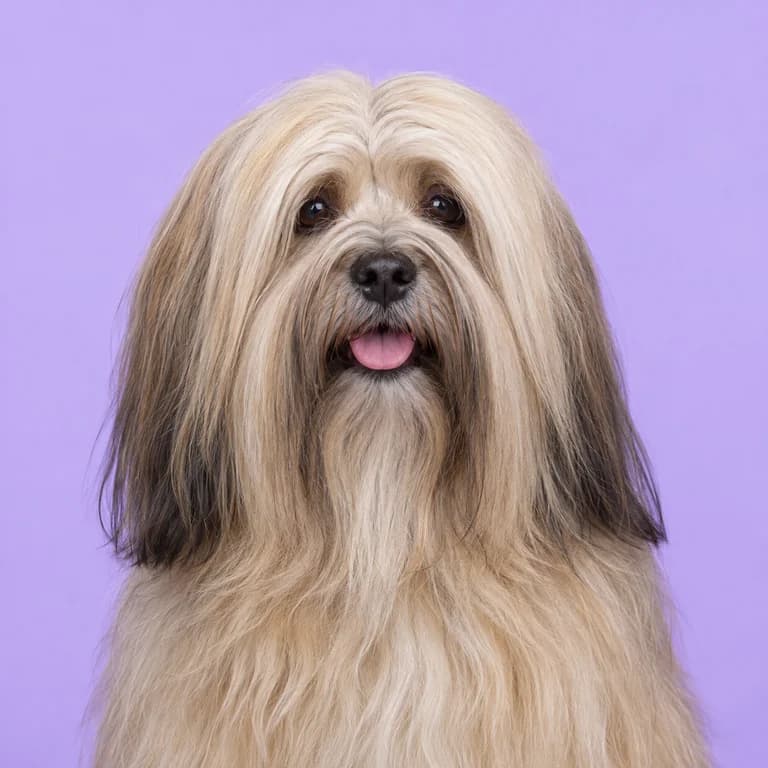
Lhasa Apso
5 to 8 kg · 12 to 16 years
A small Tibetan sentinel with a floor-length coat and a surprisingly serious sense of its own importance.
Terrier group
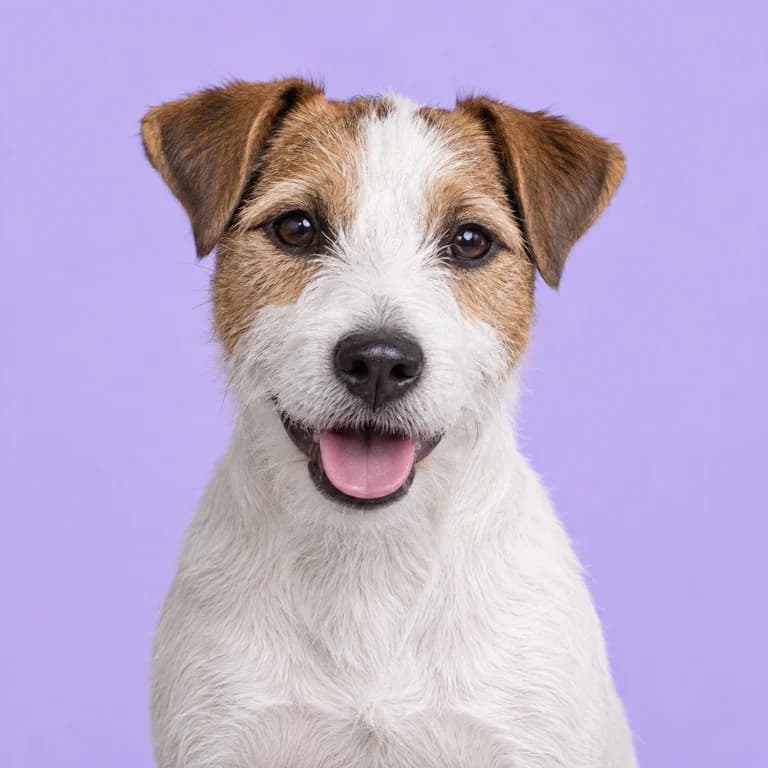
Parson Russell Terrier
5 to 8 kg · 13 to 15 years
A long-legged hunt terrier built to run with horses and hounds all day, then ask for more.