Sources for this article
Terrier group · England
Staffordshire Bull Terrier
Also called Staffy, Staffie, SBT
A muscular, grinning people-lover packed into 40 cm (16 in), often gentler with humans than with other dogs.
The Staffordshire Bull Terrier is a compact, powerful dog with one of the most people-focused personalities of any breed. Bred from bulldog and terrier stock in the English Midlands, today's Staffy is a devoted, clownish companion that needs daily exercise, clear boundaries and careful management around unfamiliar dogs.
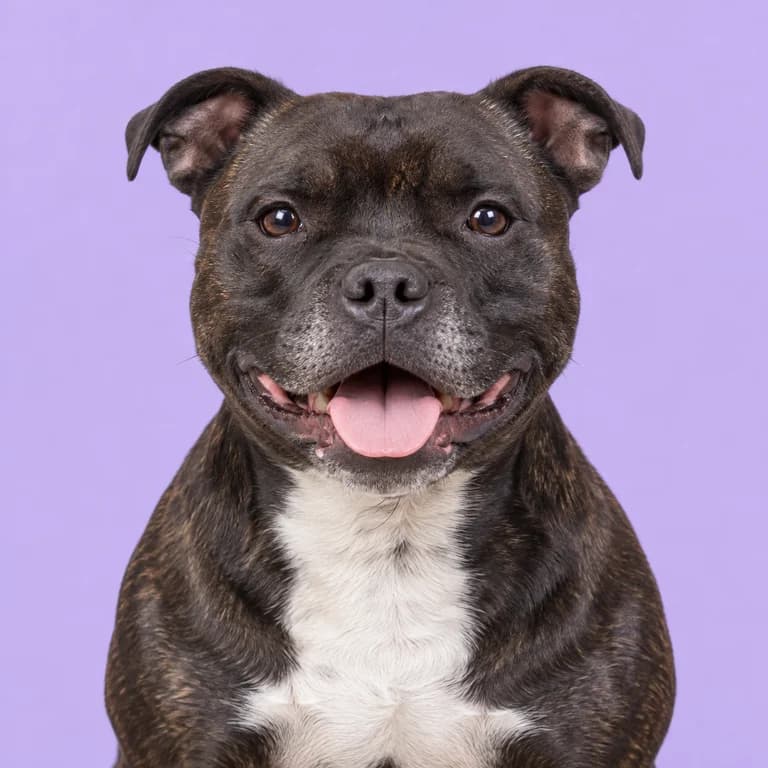
Original AI-generated breed illustration
Weight
11 to 17 kg
24 to 37 lb
Height
36 to 41 cm
at the shoulder
Life expectancy
12 to 14 yrs
Activity estimate
90 to 120 min
editorial daily planning range
Adult-size estimate
18 months
approximate model input
Life with a Staffordshire Bull Terrier
Ask any Staffy owner about the breed and you will probably hear about the wiggle first: the whole back end swinging when a favorite person walks in. Staffies are intensely affectionate, crave physical contact and treat most visitors as long-lost friends. They are far more likely to lick a burglar than bite one.
Their origins are rougher than their manners. In 19th century England, bulldog and terrier crosses were used in the cruel sport of dogfighting, especially in the Black Country around Staffordshire and Birmingham. Those dogs had to be handled by people at close quarters, so aggression toward humans was selected against. After Kennel Club recognition in 1935, breeders turned firmly toward the show ring and the family home.
That history still shapes the dog in one way: many Staffies are wary of, or openly hostile to, dogs they do not know, particularly those of the same sex. Plenty live happily with a household dog, and early socialization helps, but expect to manage greetings rather than rely on off-lead parks. Indoors, once exercised, they are calm and even lazy, and they snore contentedly beside you on the sofa.
What stands out
Training
Staffies are eager learners when training feels like a game, and they respond especially well to food, praise and tug as rewards. They can also be stubborn and excitable, so short, upbeat sessions of 5 to 10 minutes work best. Teach an 'off' cue early, because a delighted 16 kg (35 lb) dog leaping at guests is a lot to handle.
Read the full training guideEasy to train
Open with strangers
Good with other dogs
A great match for
- active families with children
- owners at home for much of the day
- people who enjoy training games
- single-dog households
Think twice if
- may react to other dogs, especially of the same sex
- destroys soft toys in minutes
- rental and insurance restrictions in some places
- struggles with long hours alone
- strong enough to pull an adult off balance
Personality and needs at a glance
Living together
Good with children
Good with other dogs
Open with strangers
Apartment friendly
Copes with alone time
Energy and character
Energy level
Playfulness
Easy to train
Barking
5 means very vocal
Care and climate
Grooming needs
Shedding
Drooling
Handles cold
Handles heat
How much a Staffordshire Bull Terrier eats
Illustrative calculations for neutered adults at midpoint breed weights, with food at 370 kcal per 100 g and 100 g per cup. These are not measured breed requirements. Use actual weight, the food label and veterinary body-condition advice.
| Dog | Weight | Calories | Dry food |
|---|---|---|---|
| Female, relaxed lifestyle | 14 kg | 690 kcal | 185 g (1.8 cups) |
| Female, typical pet | 14 kg | 790 kcal | 215 g (2.3 cups) |
| Male, typical pet | 15 kg | 850 kcal | 230 g (2.3 cups) |
| Male, very active | 15 kg | 1070 kcal | 290 g (3 cups) |
Care guides for the Staffordshire Bull Terrier
Things owners are often surprised by
- 1Recognized by the Kennel Club in 1935, after decades as the dog of miners and nail makers in the Black Country
- 2The UK standard sets height at 36 to 41 cm (14 to 16 in), with weight in proportion
- 3Consistently among the most common breeds in UK rescue centers, largely because of overbreeding
- 4Breeders widely use two DNA tests: one for hereditary cataract (HSF4) and one for L-2-HGA, a metabolic disorder
- 5A separate breed from the American Staffordshire Terrier, which is taller and heavier
Staffordshire Bull Terrier questions
Are Staffies good with children?
Most are wonderful with children, affectionate and tolerant, and the breed's patience with its own family is well known. Their strength and bouncy greetings can still flatten a toddler, so supervise play and teach children not to hug the dog around the neck or bother it while it eats. As with any breed, never leave a young child alone with a dog, however gentle.
Why does my Staffy lean on me?
Leaning is a classic Staffy habit and usually signals affection and a wish for contact. The breed was selected to be people-oriented, and many will press their whole body against your legs or climb into your lap despite weighing 15 kg. Now and then leaning reflects unease in a new place, so read the rest of the body: soft eyes and a loose, low wag suggest contentment.
Can Staffies live with other dogs?
Many do, especially when paired with a dog of the opposite sex and similar energy, introduced gradually on neutral ground. Two females can be the hardest combination. Some Staffies are never comfortable around other dogs, and good owners accept that rather than forcing friendships. If you already have a dog, ask a rescue for a Staffy they have assessed with other dogs.
What is the difference between a Staffy and a pit bull?
A Staffy belongs to a recognized Kennel Club breed with a written standard, standing 36 to 41 cm (14 to 16 in) and weighing 11 to 17 kg (24 to 38 lb). 'Pit bull' is a loose label, and the Pit Bull Terrier type is banned in the UK. The American Pit Bull Terrier is taller and heavier and bred to a different standard. Staffies are legal in the UK, though a few countries restrict them.
Do Staffies bark a lot?
Not usually. Most bark to announce someone at the door and then settle, and they are more likely to grumble, groan and make 'talking' noises than to bark nonstop. Frequent barking in a Staffy usually points to boredom, too little exercise or stress when left alone, rather than a natural trait, so look at the daily routine first.
Popular answers for owners
- Puppy feeding and growthHow much should an 11 week old puppy eat?
- Grooming and coatShould I brush my dog before or after a bath?
- Exercise and playDo dogs need life jackets for swimming?
- How much to feedMy vet said my dog is overweight, what should I do first?
- Puppy feeding and growthHow do I check my puppy's ribs to judge its weight?
- Grooming and coatWhat brush is best for a silky long coat?
Breeds you might compare
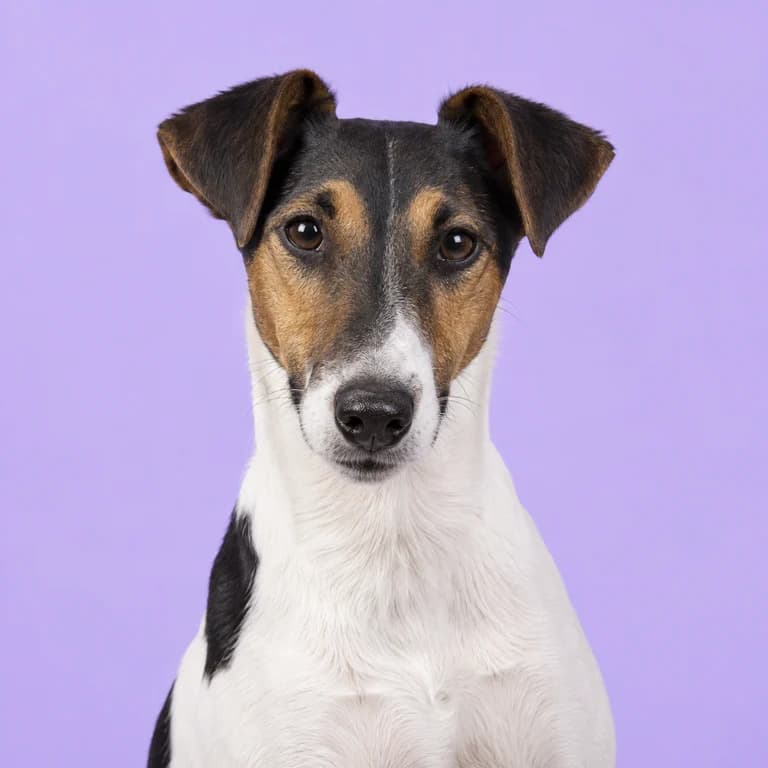
Terrier group
Smooth Fox Terrier
6 to 9 kg · 12 to 15 years
A lively white terrier bred to bolt foxes, still wired for chasing, digging and running rings around you.
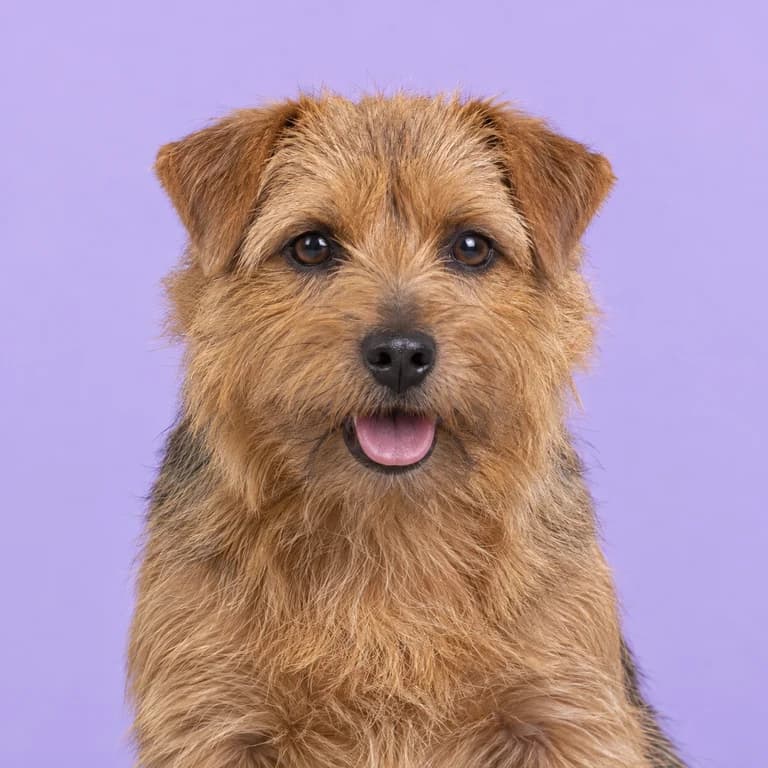
Terrier group
Norfolk Terrier
5 to 6 kg · 12 to 15 years
One of the smallest working terriers, low and sturdy, with folded ears and a notably sociable nature.
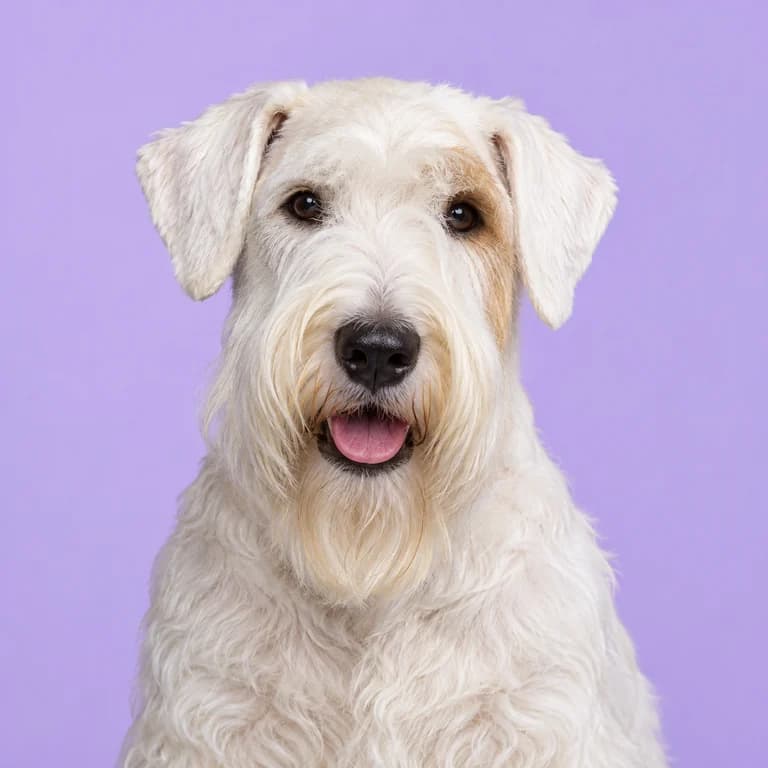
Terrier group
Sealyham Terrier
8 to 11 kg · 12 to 14 years
A sturdy Welsh badger terrier created on one Pembrokeshire estate, now rare, charming and quietly comic.
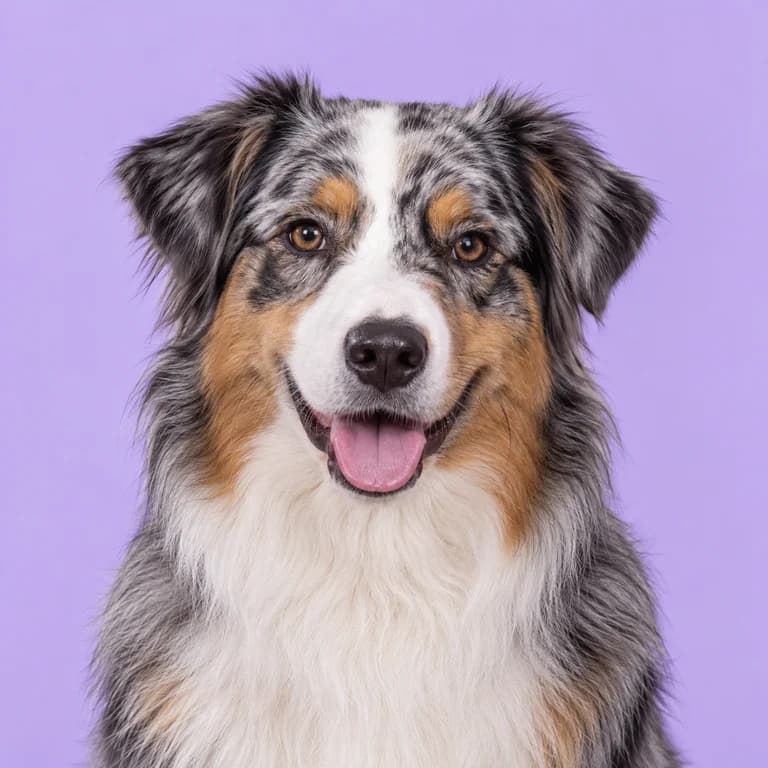
Herding group
Australian Shepherd
18 to 32 kg · 12 to 15 years
A ranch-bred worker with a busy brain, the Aussie wants a daily job and will invent one if you don't.
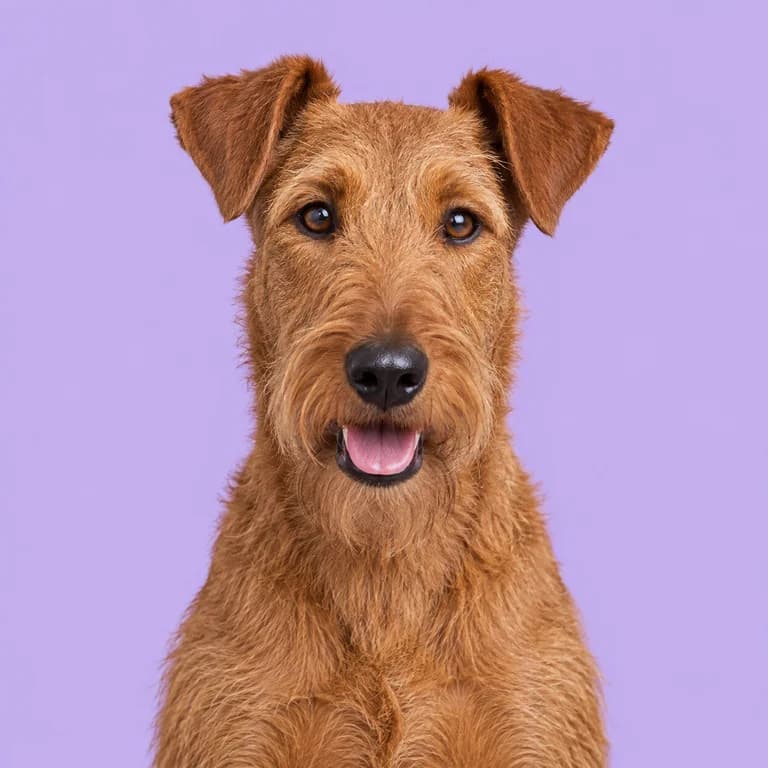
Terrier group
Irish Terrier
10 to 13 kg · 13 to 15 years
The fiery red daredevil of the terrier world, loyal and funny with family and famously brave.
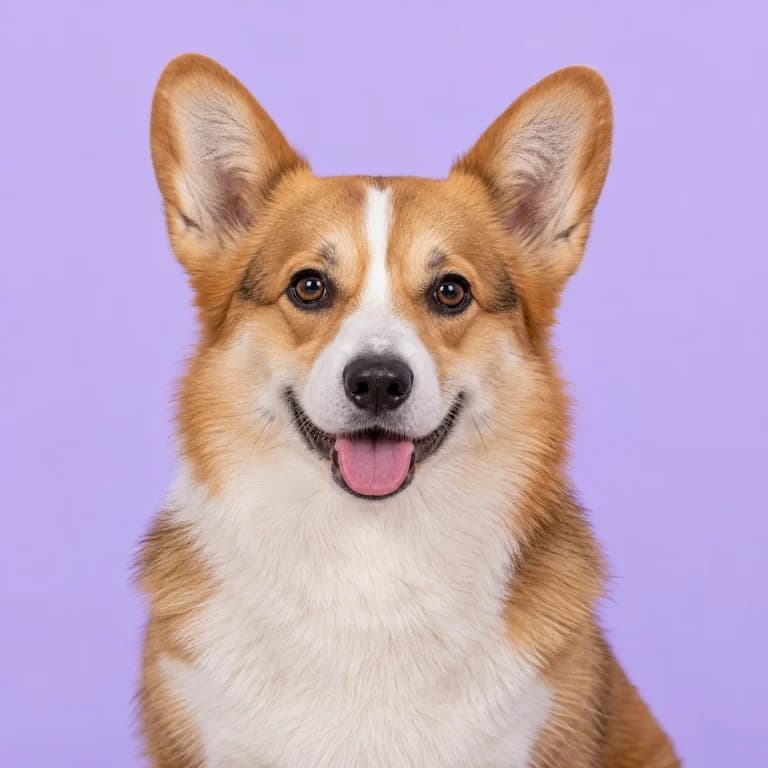
Herding group
Pembroke Welsh Corgi
9 to 14 kg · 12 to 14 years
A cattle driver in a compact body, the Pembroke thinks fast, talks back, and rarely misses a snack.