Sources for this article
Terrier group · Wales
Sealyham Terrier
Also called Sealyham, Sealy
A sturdy Welsh badger terrier created on one Pembrokeshire estate, now rare, charming and quietly comic.
The Sealyham Terrier was bred in the 19th century to face otter, fox and badger in the Welsh countryside. Today it is a low-slung, bearded companion with a calmer nature than many terriers and a dry sense of humor. It is rare enough to be listed as a vulnerable native breed in the UK, so finding a puppy takes patience.
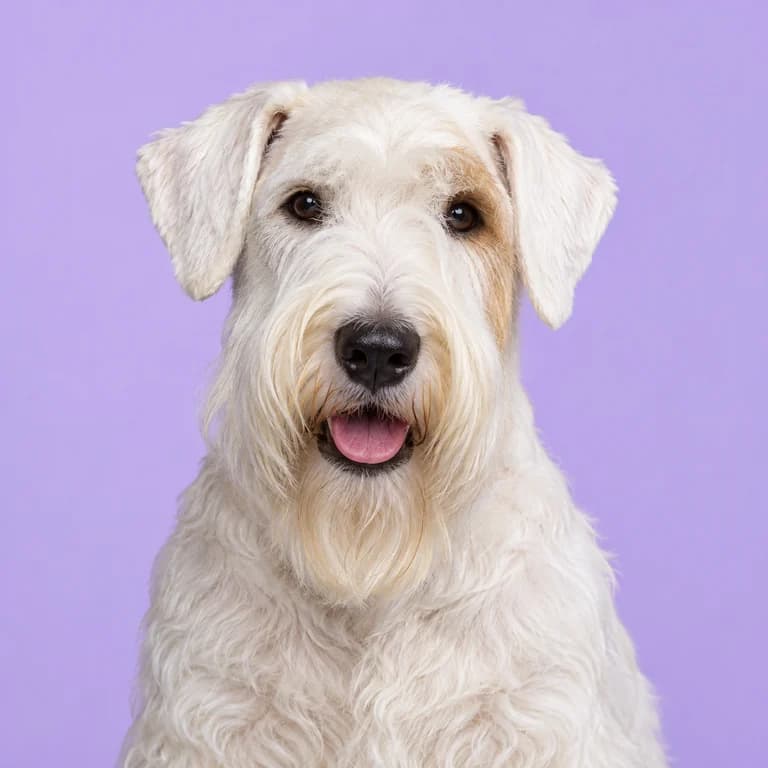
Original AI-generated breed illustration
Weight
8 to 11 kg
18 to 24 lb
Height
25 to 31 cm
at the shoulder
Life expectancy
12 to 14 yrs
Activity estimate
60 to 90 min
editorial daily planning range
Adult-size estimate
12 months
approximate model input
Life with a Sealyham Terrier
The Sealyham has an unusually precise birthplace. Captain John Edwardes of Sealyham House, near Haverfordwest in Pembrokeshire, spent roughly four decades, from about 1850 until his death in 1891, breeding a small, brave terrier to work with his hounds on otter, fox and badger. He tested his dogs hard and is said to have kept only those with real courage. Breeds often credited in the mix include the Dandie Dinmont, the Corgi, the West Highland White and the Bull Terrier, though Edwardes left no detailed records.
After his death, local enthusiasts kept the line going, a breed club was founded in 1908, and Kennel Club recognition followed in 1911. Between the wars the Sealyham became fashionable: film stars and members of the royal family kept them, and they won regularly at major shows. That popularity faded after the Second World War, and registrations are now so low that the breed appears on the UK Kennel Club's list of vulnerable native breeds.
Living with one is a pleasant surprise for people who expect a typical terrier whirlwind. Sealyhams are generally calmer and more observant, content to snooze for much of the day and then suddenly play the clown. They are affectionate with family, friendly with strangers once introduced, and still carry the independence and grit of a dog bred to face a badger underground.
A great match for
- calm households with older children
- apartment or town living with daily walks
- owners who enjoy grooming or budget for a groomer
- people who want a less frantic terrier
Think twice if
- rare breed with long waiting lists
- coat needs stripping or clipping every 6 to 8 weeks
- can be stubborn and selective with other dogs
- long back needs protecting from jumps
- inherited eye conditions, so check the parents' tests
Personality and needs at a glance
Living together
Good with children
Good with other dogs
Open with strangers
Apartment friendly
Copes with alone time
Energy and character
Energy level
Playfulness
Easy to train
Barking
5 means very vocal
Care and climate
Grooming needs
Shedding
Drooling
Handles cold
Handles heat
How much a Sealyham Terrier eats
Illustrative calculations for neutered adults at midpoint breed weights, with food at 370 kcal per 100 g and 100 g per cup. These are not measured breed requirements. Use actual weight, the food label and veterinary body-condition advice.
| Dog | Weight | Calories | Dry food |
|---|---|---|---|
| Female, relaxed lifestyle | 9 kg | 510 kcal | 140 g (1.5 cups) |
| Female, typical pet | 9 kg | 580 kcal | 155 g (1.5 cups) |
| Male, typical pet | 10 kg | 630 kcal | 170 g (1.8 cups) |
| Male, very active | 10 kg | 790 kcal | 215 g (2.3 cups) |
Care guides for the Sealyham Terrier
Things owners are often surprised by
- 1Created between about 1850 and 1891 by Captain John Edwardes at Sealyham House in Pembrokeshire
- 2Recognized by the Kennel Club in 1911
- 3On the UK Kennel Club's vulnerable native breeds list, which covers breeds with fewer than 300 registrations a year
- 4Alfred Hitchcock walks out of a pet shop with two of his own Sealyhams in his cameo in The Birds (1963)
- 5Mostly white so hunters could tell the dog from its quarry
Sealyham Terrier questions
Why is the Sealyham Terrier so rare?
Its popularity peaked in the 1920s and 1930s, then faded as fashions changed and fewer people needed working terriers. Numbers never fully recovered, and active breeders are few. Today the Sealyham is on the UK Kennel Club's vulnerable native breeds list. If you want one, contact breed clubs early and be prepared to wait a year or more for a puppy.
Do Sealyham Terriers shed?
Very little, especially when hand-stripped, because dead hair stays in the coat until it is plucked or combed out. Clipped coats may shed slightly more. This makes them tidy house dogs, though no breed is free of allergens. The price of low shedding is regular grooming, either at home or with a groomer every couple of months.
What is the difference between a Sealyham and a West Highland White Terrier?
Both are small white terriers, but the Sealyham is longer and lower, with a larger, rectangular head and a fuller beard. It is usually calmer and a little heavier, around 8 to 11 kg against roughly 7 to 10 kg for a Westie. Sealyhams may also carry colored markings on the head and ears, while Westies are always solid white.
Are Sealyham Terriers good with children?
They can be lovely with respectful children, since they are sturdy and good-natured. They dislike rough handling and being pestered, and like many terriers may growl to set a boundary. Supervise young children, teach them to leave the dog alone while it rests, and give the dog a quiet spot of its own.
Should I hand-strip or clip my Sealyham?
Hand-stripping keeps the coat harsh, weather resistant and a crisper white, and it is expected for the show ring. It takes time and skill, and fewer groomers offer it. Clipping is quicker and cheaper but softens the coat and can dull the color. Many pet owners choose clipping, while some learn to strip at home in short weekly sessions.
Popular answers for owners
- Grooming and coatHow do I trim the hair around my dog's paws?
- Puppy feeding and growthDoes spaying change how much I should feed my puppy?
- How much to feedHow much should I feed a 20kg dog?
- Grooming and coatHow often should you bathe a puppy?
- Grooming and coatHow often should a doodle be brushed?
- Puppy feeding and growthHow much food does a puppy need once it reaches adult size?
Breeds you might compare
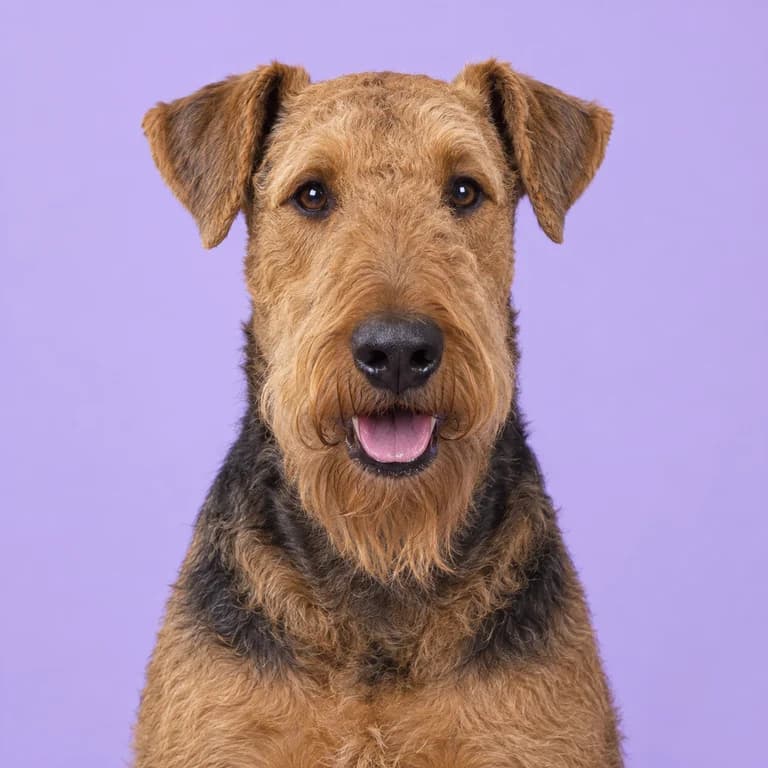
Terrier group
Airedale Terrier
18 to 29 kg · 11 to 14 years
The largest terrier, bred by Yorkshire workers to hunt otters and rats, and later trusted with wartime messages.
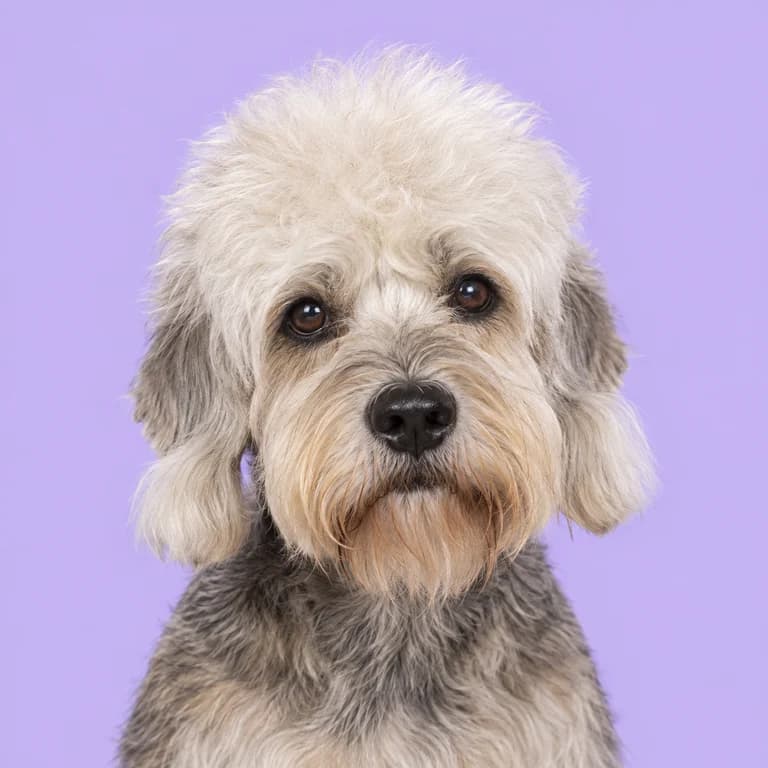
Terrier group
Dandie Dinmont Terrier
8 to 11 kg · 12 to 15 years
A long, low Border terrier with a soft topknot, a dignified stare and a coat that shows off good grooming.
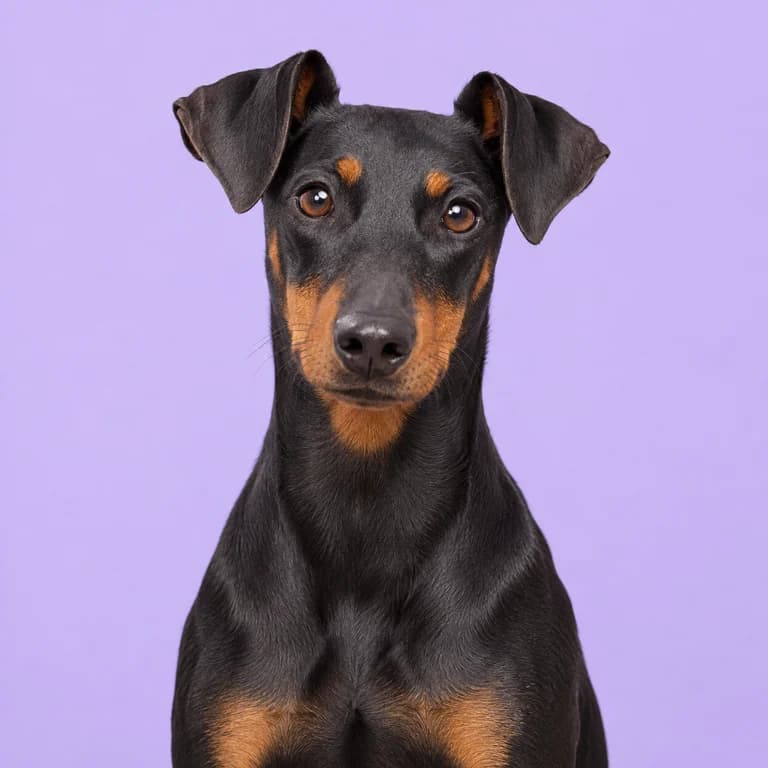
Terrier group
Manchester Terrier
5 to 10 kg · 14 to 16 years
A sleek black and tan ratter from Victorian Manchester, sharp-witted, devoted and very fond of warm laps.
Non-sporting group
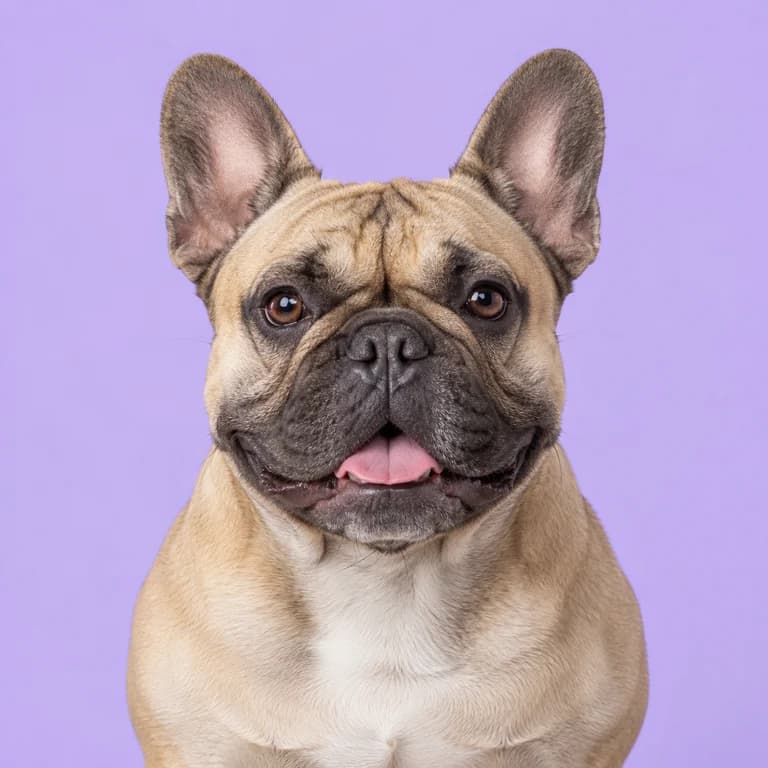
French Bulldog
8 to 14 kg · 10 to 12 years
A compact clown with bat ears whose flat face shapes nearly every decision about exercise, heat and feeding.
Terrier group
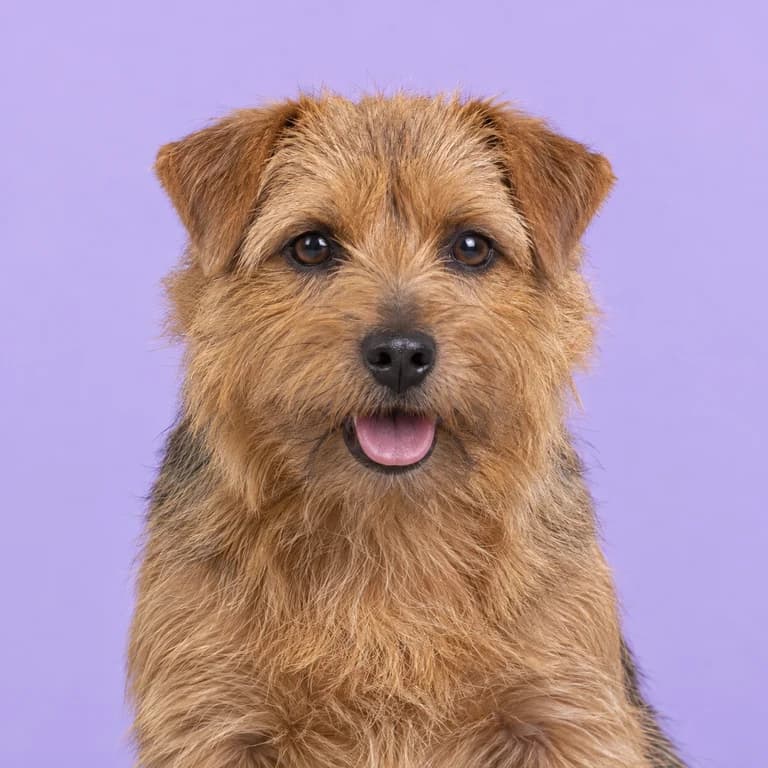
Norfolk Terrier
5 to 6 kg · 12 to 15 years
One of the smallest working terriers, low and sturdy, with folded ears and a notably sociable nature.
Crossbreed
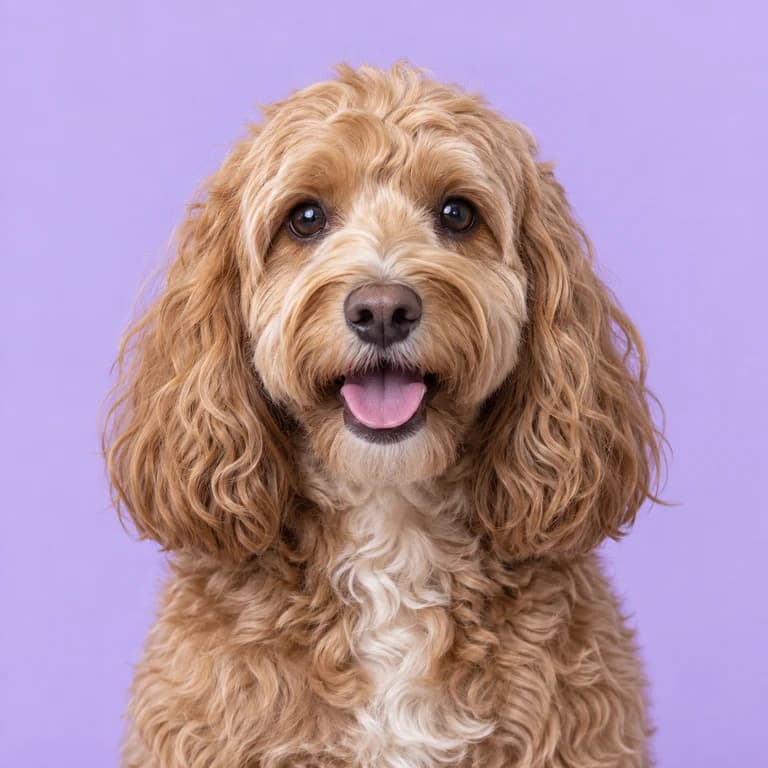
Cockapoo
5 to 11 kg · 12 to 15 years
Part spaniel, part poodle, the Cockapoo is a sociable, playful companion with a coat that never lets you skip grooming.