Sources for this article
Herding group · Wales
Pembroke Welsh Corgi
Also called Pembroke, Corgi
A cattle driver in a compact body, the Pembroke thinks fast, talks back, and rarely misses a snack.
The Pembroke Welsh Corgi was built to nip at the heels of cattle and duck the kick that followed, and that bold, busy mind still shows in the modern pet. Expect a sturdy, loyal, vocal companion that sheds a great deal and needs real work for its brain, not just short strolls.
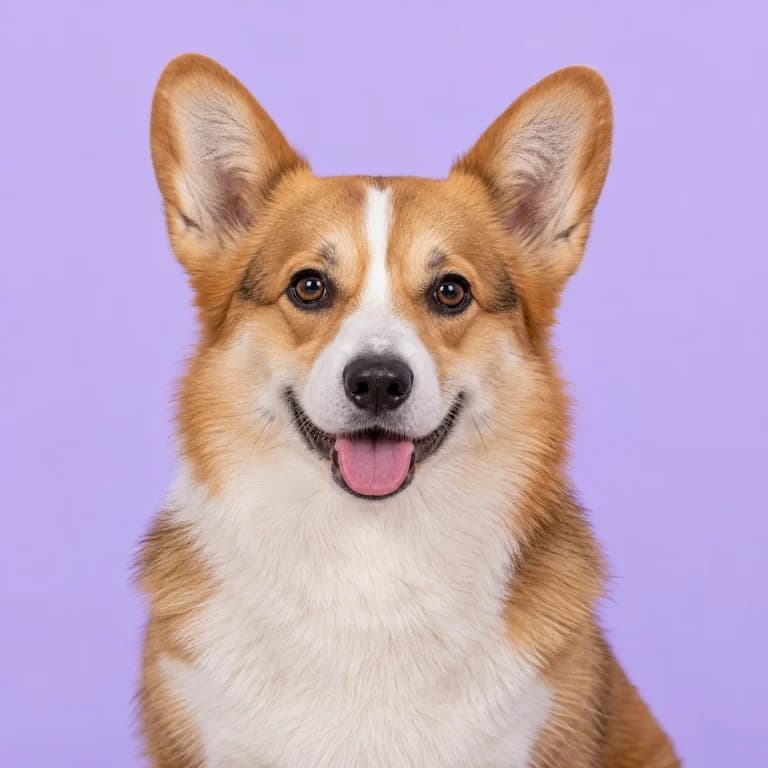
Original AI-generated breed illustration
Weight
9 to 14 kg
20 to 31 lb
Height
25 to 30 cm
at the shoulder
Life expectancy
12 to 14 yrs
Activity estimate
90 to 120 min
editorial daily planning range
Adult-size estimate
12 months
approximate model input
Life with a Pembroke Welsh Corgi
Picture a dog low enough to slip under a cow and brave enough to bite its heel anyway. That was the Pembroke's job on small farms in southwest Wales, where drovers used short-legged heelers to move cattle along lanes and to market. The low build was not a cute accident: a kick aimed at a corgi usually sailed straight over its back.
Where the breed came from before that is harder to pin down. It is often credited to Flemish weavers who settled in Pembrokeshire in the 12th century and brought spitz-type dogs with them, which would fit the fox-like face, pricked ears and thick coat. The Cardigan, its longer-tailed cousin from the neighboring county, was shown alongside it until 1934. Royal patronage from the 1930s onward then turned a hardworking farm dog into one of the most recognized breeds in the world.
Temperament is where new owners get surprised. A Pembroke is affectionate and funny, but it is not a lapdog. It watches the household, forms opinions, and tells you about them in a bark that sounds like it belongs to a far larger animal. Many try to organize people and pets the way they would organize cattle: circling, bumping, and occasionally nipping at heels.
Living with one works best when you treat that drive as something to channel rather than suppress. Give it rules, a job (fetching a named toy, learning tricks, a scent game before dinner) and a predictable routine, and you get a steady, cheerful dog that settles well indoors. Leave it bored and it invents its own work, usually loud.
What stands out
Training
Pembrokes learn fast and remember everything, including the things you did not mean to teach. They respond well to food rewards and short, varied sessions of about five minutes. Because they were bred to make decisions without a handler nearby, they will test whether a rule still applies, so consistency from every person in the house matters.
Read the full training guideEasy to train
Open with strangers
Good with other dogs
A great match for
- active adults who enjoy daily training games
- homes with a secure garden
- owners who don't mind vacuuming often
- people who want a big-dog personality at a manageable size
Think twice if
- herding nips aimed at running children's ankles
- heavy shedding, worst in spring and autumn
- gains weight quickly on extra treats
- a long back that suffers from repeated jumping off furniture
- barks to announce almost anything
Personality and needs at a glance
Living together
Good with children
Good with other dogs
Open with strangers
Apartment friendly
Copes with alone time
Energy and character
Energy level
Playfulness
Easy to train
Barking
5 means very vocal
Care and climate
Grooming needs
Shedding
Drooling
Handles cold
Handles heat
How much a Pembroke Welsh Corgi eats
Illustrative calculations for neutered adults at midpoint breed weights, with food at 370 kcal per 100 g and 100 g per cup. These are not measured breed requirements. Use actual weight, the food label and veterinary body-condition advice.
| Dog | Weight | Calories | Dry food |
|---|---|---|---|
| Female, relaxed lifestyle | 11 kg | 590 kcal | 160 g (1.5 cups) |
| Female, typical pet | 11 kg | 680 kcal | 185 g (1.8 cups) |
| Male, typical pet | 12 kg | 720 kcal | 195 g (2 cups) |
| Male, very active | 12 kg | 900 kcal | 245 g (2.5 cups) |
Care guides for the Pembroke Welsh Corgi
Things owners are often surprised by
- 1Stands only 25 to 30 cm (10 to 12 in) at the shoulder yet has the chest and bone of a much bigger dog
- 2Judged together with the Cardigan Welsh Corgi until the Kennel Club separated the two breeds in 1934
- 3Queen Elizabeth II is widely reported to have owned more than 30 Pembrokes during her reign
- 4Welsh folklore says fairies rode corgis, and the darker shoulder marking is still called the fairy saddle
- 5Some puppies are born with a naturally short tail, known as a natural bob
- 6DNA tests exist for degenerative myelopathy and von Willebrand disease, both relevant to the breed
Pembroke Welsh Corgi questions
What is the difference between a Pembroke and a Cardigan Welsh Corgi?
The quickest clue is the tail: Cardigans always have a long, brushy tail, while many Pembrokes have a short or naturally bobbed one. Cardigans are also heavier boned, have larger, more rounded ears, and come in more colors, including blue merle. Pembrokes are often described as more outgoing, Cardigans as a touch more reserved. The two were judged as a single breed until 1934.
Why does my corgi nip at people's ankles?
Heel nipping is the old cattle-driving instinct showing through. Fast movement, especially running children, triggers the urge to control and move things. In most dogs it is not aggression, but it frightens people and needs redirecting. Keep a tug toy handy, teach a reliable sit or 'find it' for wild moments, and supervise games with kids so the dog never gets to practice chasing and nipping.
Are Pembroke Welsh Corgis good in apartments?
They can be, if two conditions are met: enough daily exercise and control of barking. The size fits most flats, but stairs are hard on the back, so a building with a lift or a ground floor home is easier over a lifetime. Neighbors will notice the bark, so start quiet training in puppyhood and provide chews and puzzle toys for time alone.
Do corgis shed more than other dogs?
Yes, more than most breeds of similar size. The double coat was built for wet Welsh weather and renews itself constantly, with heavier drops twice a year. Owners often describe drifts of fluff gathering in corners. Regular raking of the undercoat, a strong vacuum and washable sofa covers are the realistic plan, since no diet or supplement turns a corgi into a low-shedding dog.
Can corgis swim?
Some enjoy water, but many struggle because the deep, heavy chest and short legs make it hard to keep the rear end level. A corgi can tire quickly and start to sink at the back. If yours likes to paddle, use a well-fitted canine life jacket, stay in shallow water with an easy exit, and never leave the dog unattended near a pool.
Popular answers for owners
- Exercise and playWhat is a safe warm up before intense dog exercise?
- Puppy feeding and growthHow much should a medium breed puppy eat at 5 months?
- Exercise and playHow do I know if my dog is having fun during play?
- How much to feedWhy does the feeding chart on the bag seem like too much food?
- Puppy feeding and growthHow do I know when my puppy has reached its adult size?
- How much to feedWhy do two dog food brands recommend different amounts for the same size dog?
Breeds you might compare
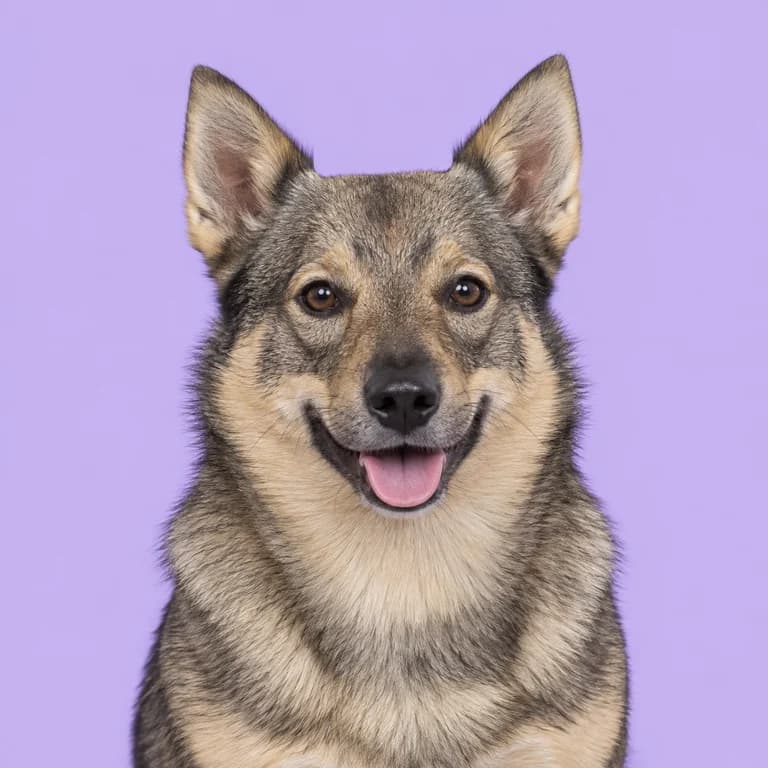
Herding group
Swedish Vallhund
9 to 16 kg · 12 to 15 years
A low-slung Viking-age cattle dog with the drive of a much larger herder packed into 33 cm.
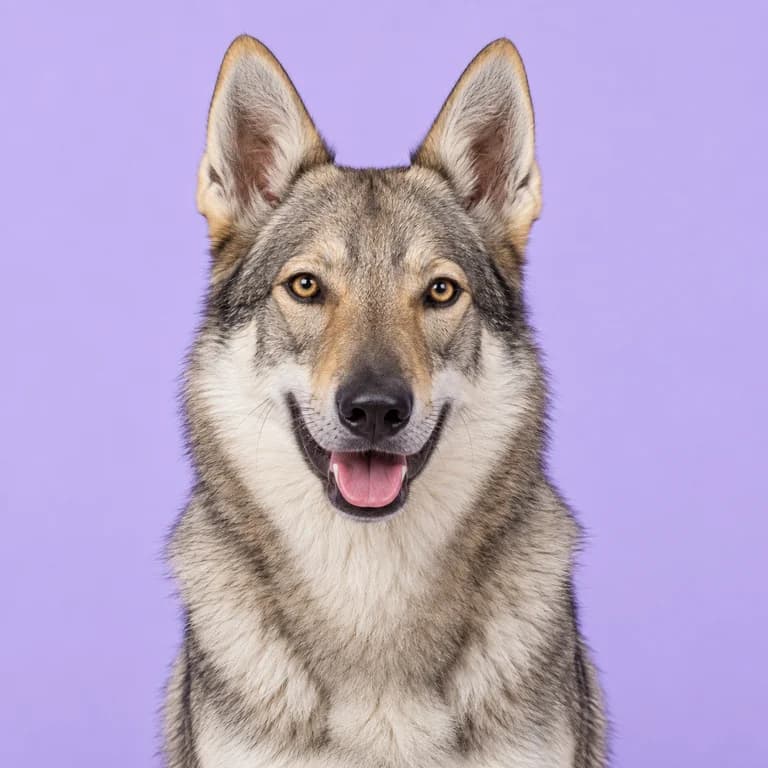
Herding group
Czechoslovakian Wolfdog
20 to 35 kg · 12 to 15 years
A Cold War border experiment that produced a dog with a wolf's look, a wolf's stamina and a mind of its own.
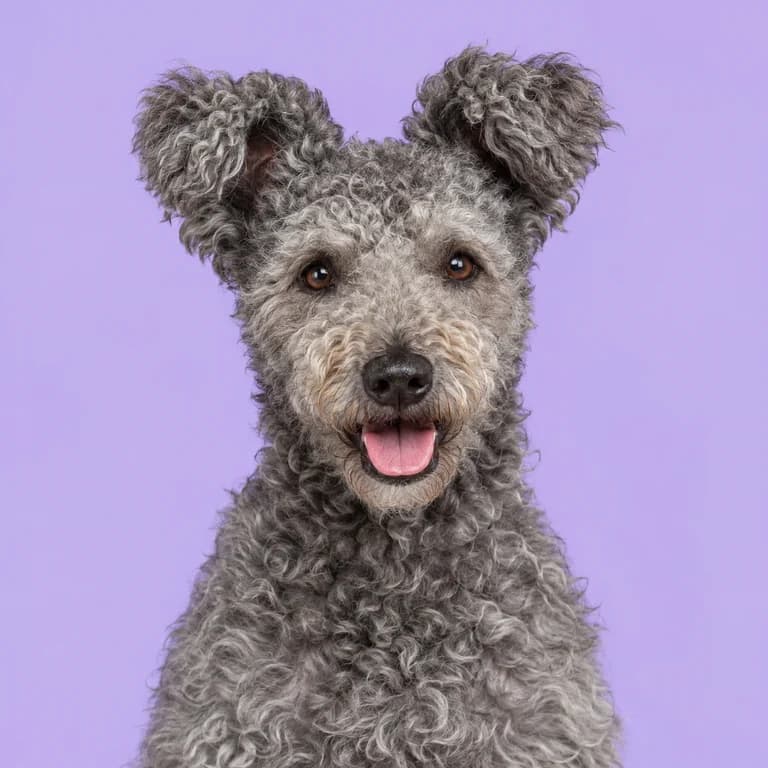
Herding group
Pumi
8 to 15 kg · 12 to 14 years
A curly, whip-smart Hungarian herder that treats every day as a job interview it intends to win.

Hound group
Portuguese Podengo
4 to 30 kg · 12 to 15 years
Portugal's rabbit hunter comes in three sizes and two coats, all sharing big ears, sharp senses and a lively mind.
Hound group
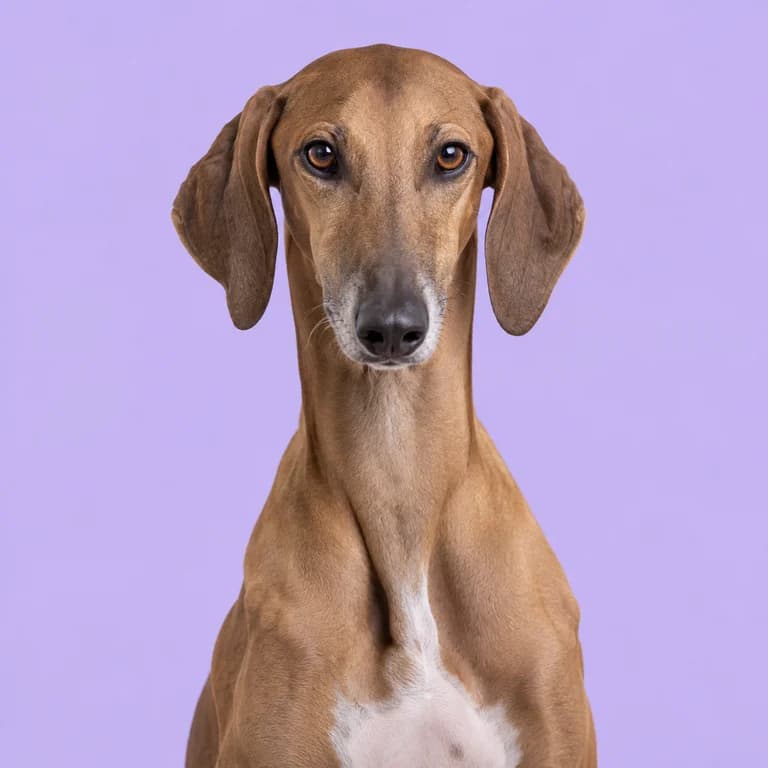
Azawakh
15 to 25 kg · 12 to 15 years
A tall, reserved sighthound from the Sahel that gives deep loyalty to its own people and little to anyone else.
Working group
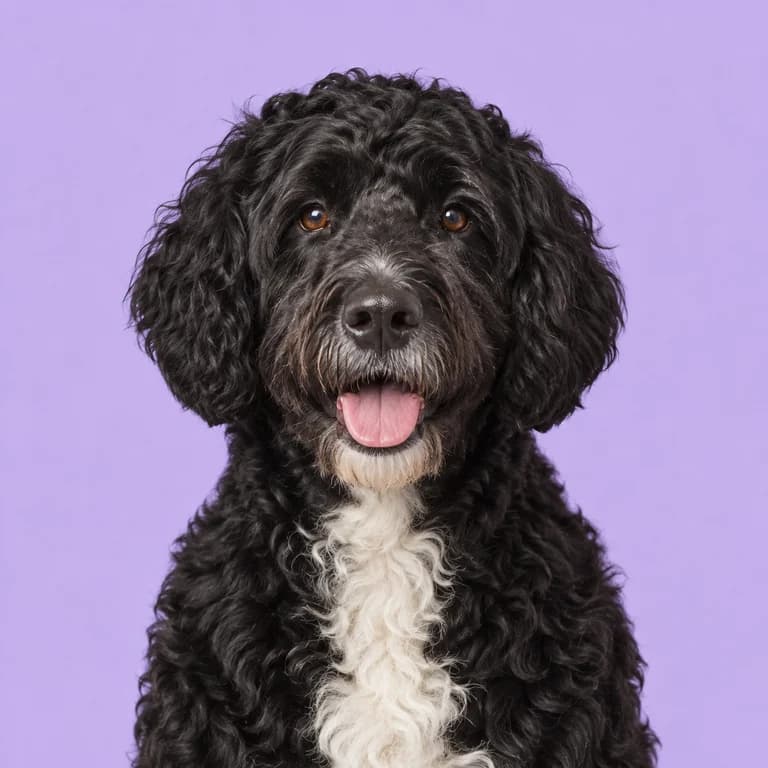
Portuguese Water Dog
16 to 27 kg · 11 to 13 years
A fisherman's crew member from the Algarve, with webbed feet, a rudder tail and a talent for boats.