Sources for this article
Terrier group · Scotland
West Highland White Terrier
Also called Westie, Poltalloch Terrier
A bright white coat built for Highland weather, and a terrier's certainty that it is twice its actual size.
The Westie is a sturdy, self-assured little terrier with a trademark white coat that needs more upkeep than it appears. Behind the teddy-bear face sits a digger and hunter with firm opinions. Owners who handle the coat and skin care well are rewarded with a cheerful, confident companion.
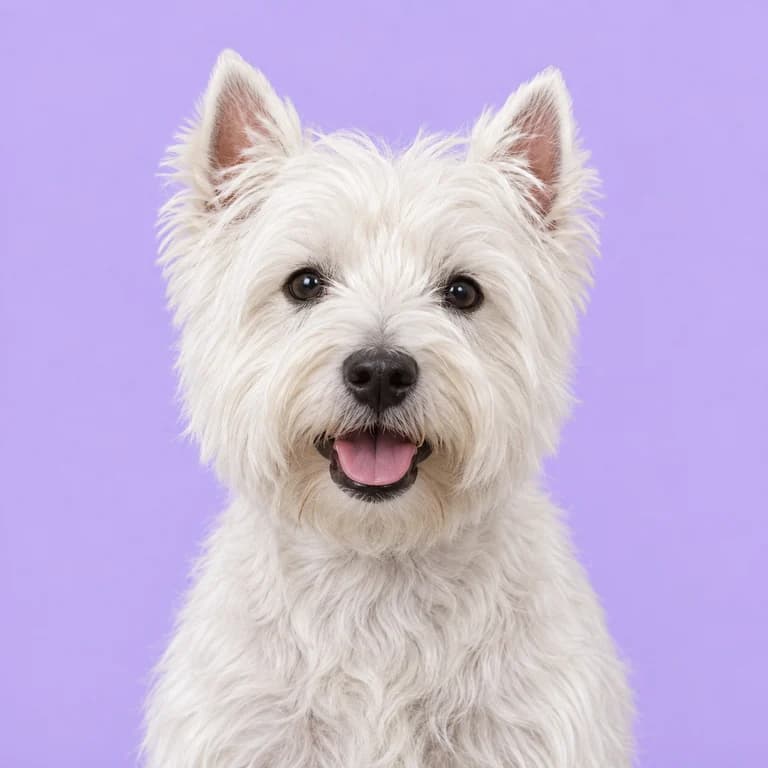
Original AI-generated breed illustration
Weight
6 to 10 kg
13 to 22 lb
Height
25 to 29 cm
at the shoulder
Life expectancy
12 to 15 yrs
Activity estimate
90 to 120 min
editorial daily planning range
Adult-size estimate
12 months
approximate model input
Life with a West Highland White Terrier
Picture a small dog squeezing into a rocky cairn after a fox, then backing out covered in peat. That was the Westie's original job in the western Highlands of Scotland, where it was developed alongside the Cairn and Scottish terriers. The white color was a deliberate choice, making the dog easy to spot against heather and rock.
Today's Westie keeps its hunter's heart. It is confident, curious, and faster to act than to ask permission. Squirrels, rats and even leaves in the wind can trigger a sprint and a volley of barking. Yet indoors the same dog is usually cheerful and affectionate, happy to follow you from room to room and flop down in any patch of sunshine.
Westies tend to be more sociable with people than some terriers, though many prefer to be the only dog or to live with a calm, familiar companion. They do well with respectful older children, but they are not fond of being squeezed or carried around like a toy, which the white fluffy look sometimes invites.
What stands out
Grooming
The coat is the Westie's signature and its biggest chore. Brush two to three times a week with a pin brush and metal comb, paying attention to the legs, beard and armpits. Twice a year, the outer coat can be hand-stripped, which means plucking the dead hair so a new harsh coat grows in.
Read the full grooming guideIllustrative grooming schedule based on our editorial coat-care score. Adjust it to the individual coat and professional advice.
Brushing
4 to 5 times a week
Bathing
Every 3 to 6 weeks
Shedding
Light
Nail trim
Every 3 to 4 weeks
A great match for
- owners who enjoy regular grooming
- households with older children
- cooler climates
- people wanting a small but robust dog
- walkers who like exploring on foot
Think twice if
- itchy skin is common in the breed
- digs enthusiastically in gardens
- strong prey drive around small pets
- barks at anything that moves outside
Personality and needs at a glance
Living together
Good with children
Good with other dogs
Open with strangers
Apartment friendly
Copes with alone time
Energy and character
Energy level
Playfulness
Easy to train
Barking
5 means very vocal
Care and climate
Grooming needs
Shedding
Drooling
Handles cold
Handles heat
How much a West Highland White Terrier eats
Illustrative calculations for neutered adults at midpoint breed weights, with food at 370 kcal per 100 g and 100 g per cup. These are not measured breed requirements. Use actual weight, the food label and veterinary body-condition advice.
| Dog | Weight | Calories | Dry food |
|---|---|---|---|
| Female, relaxed lifestyle | 8 kg | 440 kcal | 120 g (1.3 cups) |
| Female, typical pet | 8 kg | 510 kcal | 135 g (1.3 cups) |
| Male, typical pet | 9 kg | 560 kcal | 150 g (1.5 cups) |
| Male, very active | 9 kg | 700 kcal | 190 g (2 cups) |
Care guides for the West Highland White Terrier
Things owners are often surprised by
- 1Males stand about 28 cm (11 in) and females about 25 cm (10 in) at the shoulder.
- 2Legend says the Malcolm family of Poltalloch bred white terriers after a reddish dog was mistaken for a fox and shot.
- 3A correct Westie coat is harsh to the touch, and hand-stripping keeps it that way.
- 4The breed's carrot-shaped tail was meant to be strong enough to pull a dog out of a burrow.
- 5Westies are prone to skin allergies more often than many other terriers.
West Highland White Terrier questions
Why is my Westie always scratching?
The breed is known for skin allergies, which can be triggered by pollen, dust mites or certain food ingredients, and they often show as itchy paws, ears and belly. Scratching can also come from fleas or infections. Because the causes overlap, a vet examination is the right first step if itching lasts more than a few days.
Should I hand-strip or clip my Westie?
Hand-stripping keeps the coat harsh, weatherproof and bright white, and it is required for showing. Clipping is quicker and painless, and it suits most pet dogs, but the coat becomes softer and slightly more prone to matting and staining. Some owners combine both, stripping the back and clipping legs and face.
How do I keep a Westie's face white?
Wipe the muzzle and eye area after meals and walks, dry the beard thoroughly, and keep facial hair trimmed short around the eyes. Stainless steel bowls and filtered water can reduce rusty staining. A whitening dog shampoo used occasionally helps, but constant brown tear marks deserve a check for eye irritation.
Are Westies good for apartments?
Many live well in apartments if they get daily walks and some play. The main challenge is barking: Westies react to hallway noises and neighbors. Training a quiet cue and giving them a chew or puzzle toy when you leave usually solves this. Their small size and moderate exercise needs otherwise suit city life.
Do Westies get along with other dogs?
Many do, particularly when they meet plenty of calm dogs during the first 16 weeks of life. Westies can be bossy, though, and some will not back down from a larger dog that challenges them. Same-sex pairs occasionally squabble as they mature. A relaxed, sociable companion dog and supervised play sessions usually work best.
Popular answers for owners
- Exercise and playWhat games build a puppy's confidence?
- Grooming and coatWhat are signs your dog's grooming routine is not working?
- How much to feedHow much should I feed a 10 lb dog?
- Exercise and playHow do I know if my dog is bored from lack of exercise?
- Bowls and feeding gearAre bamboo or wooden dog bowls a good choice?
- How much to feedHow many kilograms overweight counts as a real problem?
Breeds you might compare
Terrier group
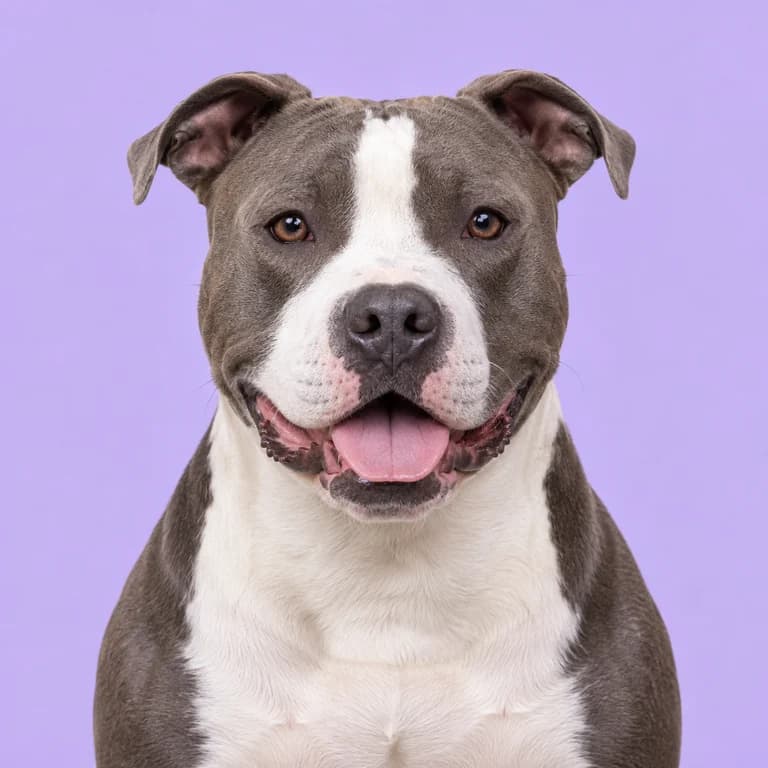
American Staffordshire Terrier
18 to 32 kg · 12 to 15 years
A muscular clown with a soft spot for people, happiest leaning on you or chewing something built to survive it.

Terrier group
Smooth Fox Terrier
6 to 9 kg · 12 to 15 years
A lively white terrier bred to bolt foxes, still wired for chasing, digging and running rings around you.
Terrier group
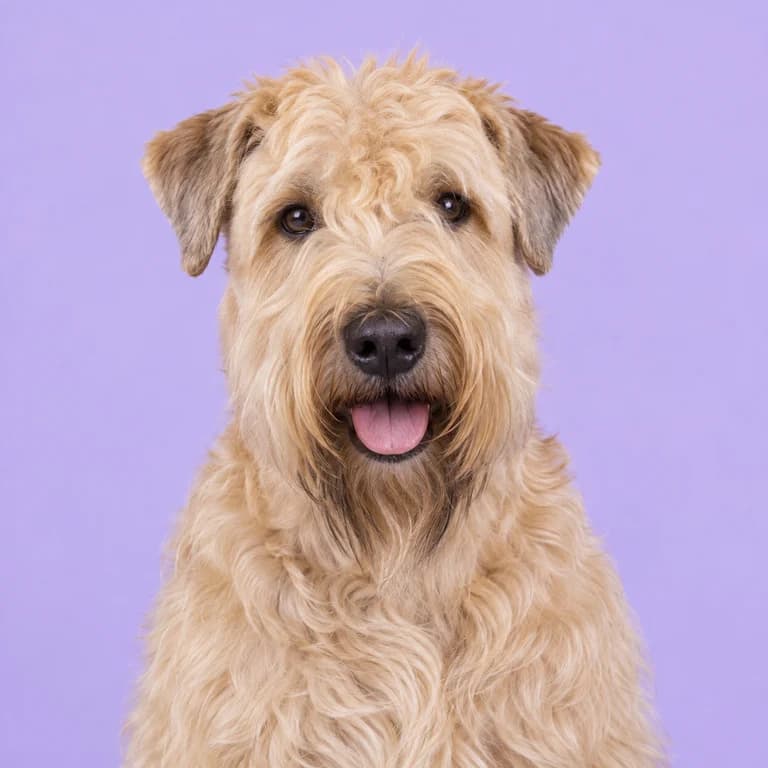
Soft Coated Wheaten Terrier
14 to 18 kg · 12 to 14 years
Silky, bouncy and relentlessly cheerful, the Wheaten asks for more brushing than almost any terrier.

Non-sporting group
German Spitz
5 to 11 kg · 13 to 15 years
One of central Europe's oldest farm watchdogs, the German Spitz still guards the doorstep with its voice.

Crossbreed
Cavapoo
5 to 11 kg · 12 to 15 years
Cavalier softness meets Poodle brains in a people-focused cross sized for almost any home.

Non-sporting group
Shiba Inu
7 to 11 kg · 12 to 15 years
Independent, fastidious and self-possessed, a small Japanese hunter that gives affection on its own terms.