Sources for this article
Hound group · Scotland
Scottish Deerhound
Also called Deerhound, Royal Dog of Scotland
Tall enough to rest its chin on your dining table, yet gentle, quiet and happiest stretched out on the sofa.
The Scottish Deerhound is a rough-coated sighthound once used to course red deer across the Highlands. Males stand 76 cm (30 in) or more at the shoulder, making it one of the tallest breeds, yet indoors it is famously calm, polite and soft-natured. Its size, speed and short lifespan are the main things to weigh before choosing one.
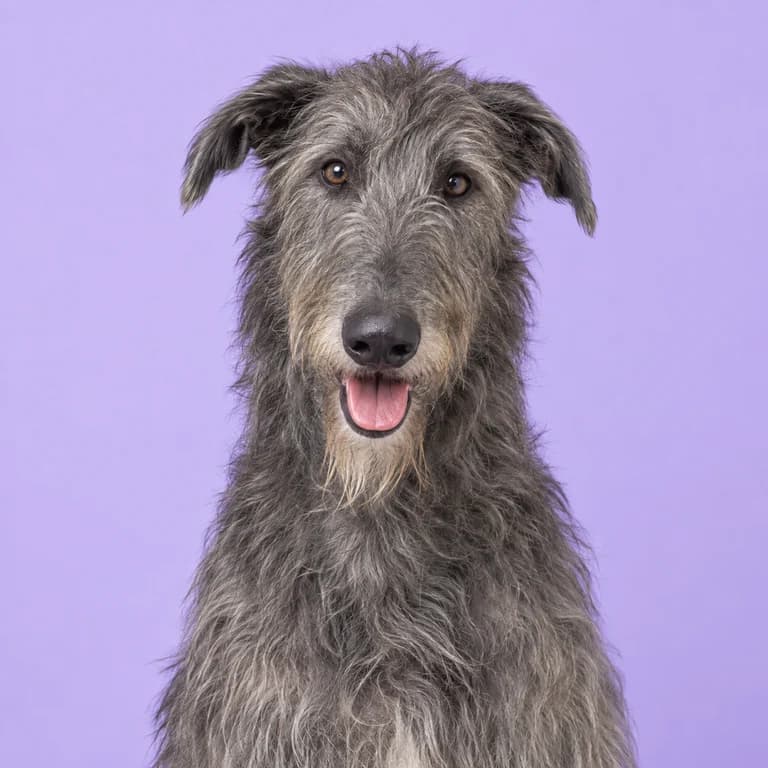
Original AI-generated breed illustration
Weight
34 to 50 kg
75 to 110 lb
Height
71 to 81 cm
at the shoulder
Life expectancy
8 to 11 yrs
Activity estimate
60 to 90 min
editorial daily planning range
Adult-size estimate
24 months
approximate model input
Life with a Scottish Deerhound
Everyone notices the height first, and with good reason. A male Deerhound stands at least 76 cm (30 in) at the shoulder, and when it lifts its head it can look over a kitchen counter with ease. Yet the dog carries that height lightly: a lean, rangy body, long neck and a gait that seems to float. In outline it resembles a heavier, rough-coated Greyhound, which is more or less what it is.
For centuries these hounds were used in Scotland to course red deer, running them down in open country by sight rather than scent. They are often credited as being so prized that only people of noble rank could own one, which earned the nickname Royal Dog of Scotland. The collapse of the clan system and changes in deer hunting pushed the breed close to extinction, and enthusiasts in the 1800s rebuilt it from surviving lines. The novelist Sir Walter Scott kept a large hound named Maida, often described as a Deerhound cross, and wrote about these dogs with obvious affection.
Living with a Deerhound is quieter than most people expect. Adults spend much of the day asleep, sprawled across the largest soft surface they can find. They are affectionate without being clingy, polite with visitors and generally easy with other dogs. Barking is rare, and as guard dogs they are hopeless; most would greet an intruder with mild curiosity.
What they need is space to stretch out indoors, a safe place to gallop regularly and an owner who respects their prey drive. A Deerhound that sees a deer, rabbit or cat running can be gone at 50 km/h (30 mph) or more before you finish calling its name. Their lives are also shorter than average, often 8 to 11 years, which is the hardest part of loving one.
What stands out
Puppy growth
The growth rate is astonishing. A Deerhound puppy goes from around 5 to 7 kg at 8 weeks to close to adult height by 12 months, then takes another year or more to broaden and gain muscle. In the middle stage it can look awkward, bony and uncoordinated, and crashing into furniture is common.
Read the full puppy growth guideIllustrative model, not observed breed data or a healthy-weight standard. Use actual measurements and veterinary advice to assess growth.
A great match for
- calm households with room for a very tall dog
- owners with a large, securely fenced area
- people who want a quiet, gentle companion
- homes with respectful older children
Think twice if
- strong instinct to chase anything that runs
- short average lifespan
- sweeps tables clear and takes up lots of floor space
- needs soft bedding to avoid pressure sores
- puppies hard to find
Personality and needs at a glance
Living together
Good with children
Good with other dogs
Open with strangers
Apartment friendly
Copes with alone time
Energy and character
Energy level
Playfulness
Easy to train
Barking
5 means very vocal
Care and climate
Grooming needs
Shedding
Drooling
Handles cold
Handles heat
How much a Scottish Deerhound eats
Illustrative calculations for neutered adults at midpoint breed weights, with food at 370 kcal per 100 g and 100 g per cup. These are not measured breed requirements. Use actual weight, the food label and veterinary body-condition advice.
| Dog | Weight | Calories | Dry food |
|---|---|---|---|
| Female, relaxed lifestyle | 39 kg | 1510 kcal | 410 g (4 cups) |
| Female, typical pet | 39 kg | 1730 kcal | 470 g (4.8 cups) |
| Male, typical pet | 45 kg | 1930 kcal | 520 g (5.3 cups) |
| Male, very active | 45 kg | 2410 kcal | 650 g (6.5 cups) |
Care guides for the Scottish Deerhound
Things owners are often surprised by
- 1Males are expected to stand at least 76 cm (30 in) at the shoulder
- 2Ownership is said to have once been limited to people of noble rank
- 3The novelist Sir Walter Scott kept a large hound, Maida, often described as a Deerhound cross
- 4Said to reach around 55 km/h (35 mph) in a flat-out sprint
- 5Relatively few litters are born each year, so waiting lists are common
- 6The harsh coat was meant to shrug off Highland rain and wind
Scottish Deerhound questions
What is the difference between a Scottish Deerhound and an Irish Wolfhound?
They look alike, but the Irish Wolfhound is heavier and more powerfully built, often weighing 10 to 20 kg more. The Deerhound is lighter, more elegant and closer to a Greyhound in outline. Both are rough-coated sighthounds with gentle temperaments and short lifespans. The Deerhound was bred to course deer, while the Wolfhound's history is tied to hunting wolves.
Can a Scottish Deerhound live in a small house?
It can, but it needs floor space. A Deerhound stretched out on its side takes up well over 1.5 m, and its tail can sweep a coffee table clear. Plenty of adults are calm enough for modest homes as long as they have a large, soft bed and daily access to somewhere safe to run. Stairs are fine for healthy adults.
Are Scottish Deerhounds good with cats?
Some are, especially when raised with them from puppyhood, and many live peacefully with the family cat indoors. Outdoors is different: a running cat can trigger the chase instinct, even in a dog that ignores the same cat inside. Introduce slowly, supervise carefully and never assume a Deerhound will leave neighborhood cats alone.
Why do Scottish Deerhounds need such soft beds?
Deerhounds are lean and long-limbed, with little natural padding over their elbows, hips and hocks. Lying on hard floors can cause calluses, pressure sores or fluid-filled swellings on these points. A thick orthopedic mattress, or several layers of soft bedding, protects the joints and skin and is far more comfortable for a dog that sleeps 16 hours or more a day.
How hard is it to find a Scottish Deerhound puppy?
Harder than for most breeds. Relatively few litters are born each year, even in countries with active breed clubs, and puppies are often reserved before they are born. Expect to join a waiting list and to be interviewed by the breeder. Be wary of anyone offering Deerhound puppies quickly, since reputable breeders plan litters carefully and screen buyers.
Popular answers for owners
- Bowls and feeding gearDo plastic bowls harbor more bacteria than steel ones?
- Puppy feeding and growthIs it normal for a puppy to skip a meal?
- Grooming and coatHow do I get my puppy used to being brushed?
- Grooming and coatWhen does a puppy's coat change to an adult coat?
- Puppy feeding and growthHow does teething affect a puppy's appetite?
- Bowls and feeding gearAre slow feeder bowls safe for flat faced dogs?
Breeds you might compare
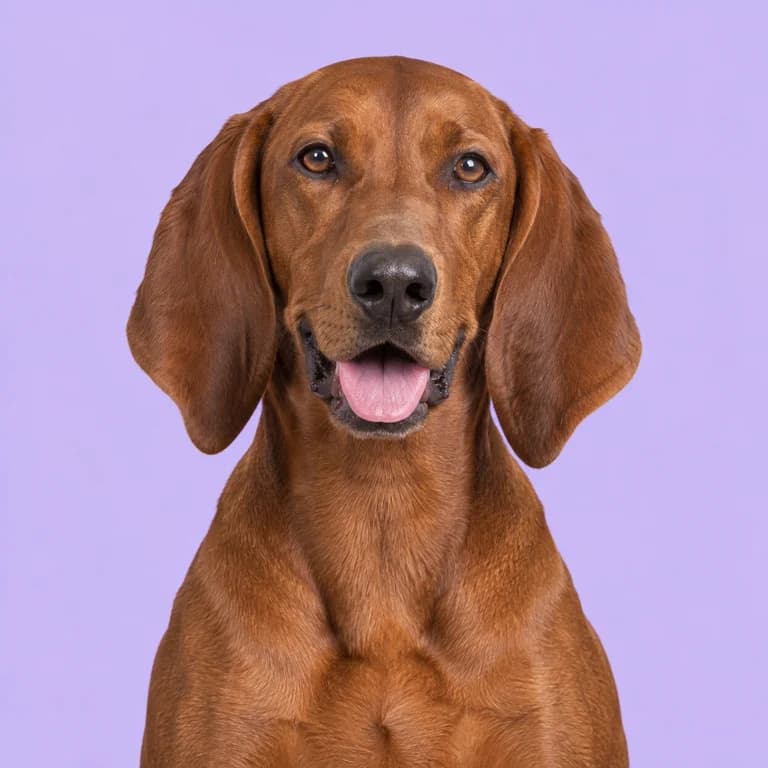
Hound group
Redbone Coonhound
20 to 32 kg · 12 to 15 years
An easygoing sofa companion indoors and a tireless, musical tracker the moment its nose finds a trail outside.
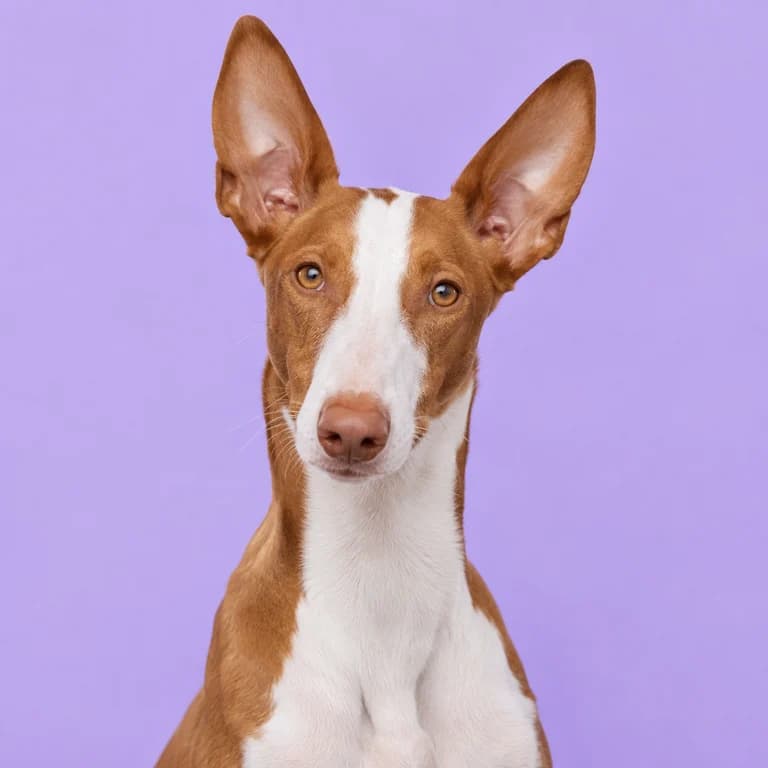
Hound group
Ibizan Hound
19 to 25 kg · 11 to 14 years
A graceful island hunter that tracks rabbits by sight, sound and scent, and clears fences from a standstill.
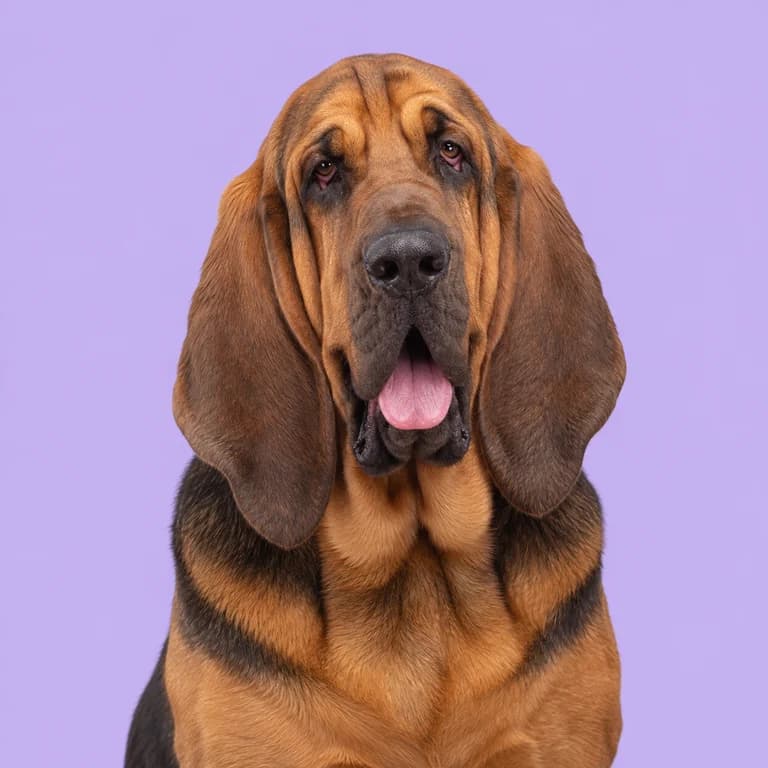
Hound group
Bloodhound
40 to 54 kg · 10 to 12 years
A patient, drooling giant whose trailing work has been accepted as evidence in courtrooms.
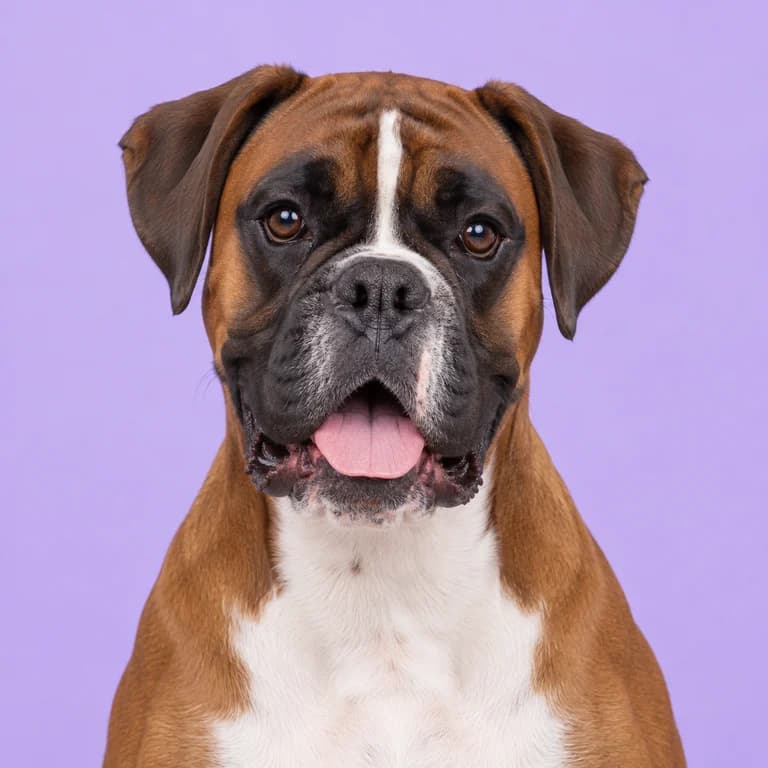
Working group
Boxer
25 to 36 kg · 10 to 12 years
A square, springy German guard dog that treats every morning like the start of a party.
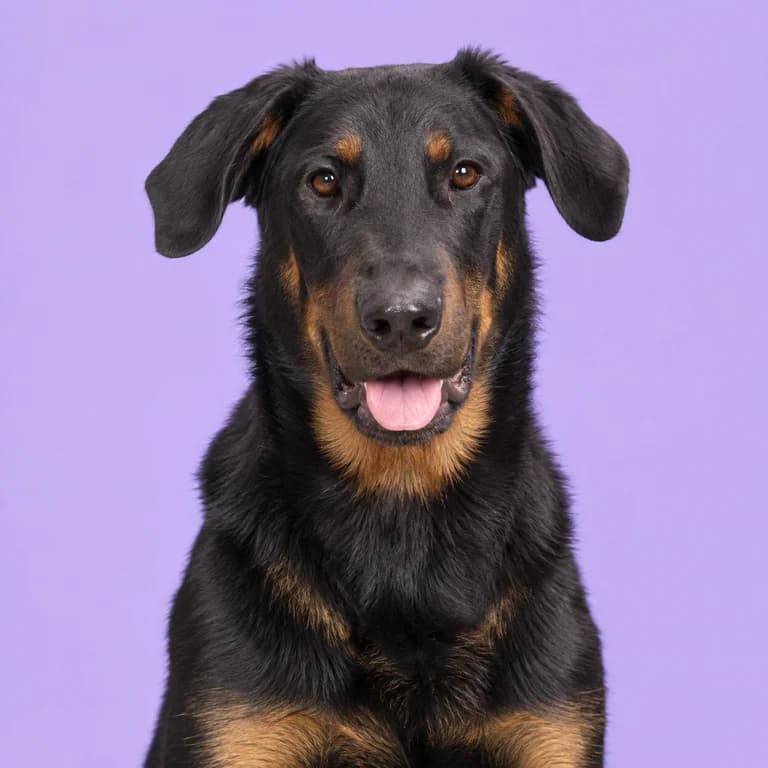
Herding group
Beauceron
30 to 45 kg · 10 to 12 years
A tall French sheepdog with double dewclaws and red stockings, confident enough to take charge of a flock or a household.
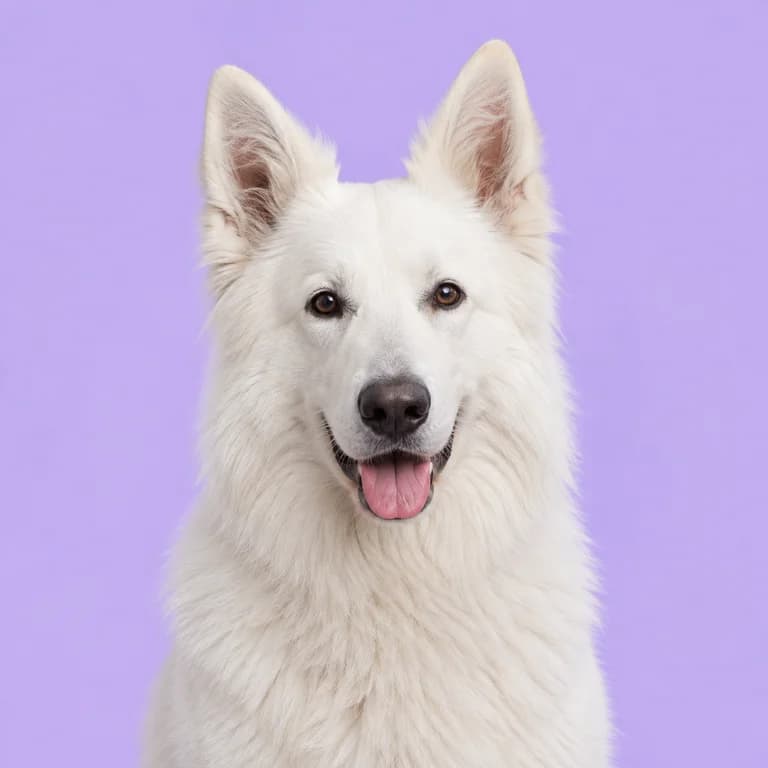
Herding group
White Swiss Shepherd
25 to 40 kg · 12 to 14 years
A snow-white shepherd with the brains of a working dog and a gentler, softer edge.