Sources for this article
Non-sporting group · United States (from German spitz stock)
American Eskimo Dog
Also called Eskie, American Spitz
A German spitz renamed in America, once a circus star, now a bright and vocal family watchdog.
Despite the name, the American Eskimo Dog has no connection to Arctic sledding. It descends from white German spitz dogs brought to the United States by immigrants, and it earned its fame performing tricks in traveling circuses. The result is a clever, showy and affectionate companion that comes in three sizes and sheds generously.
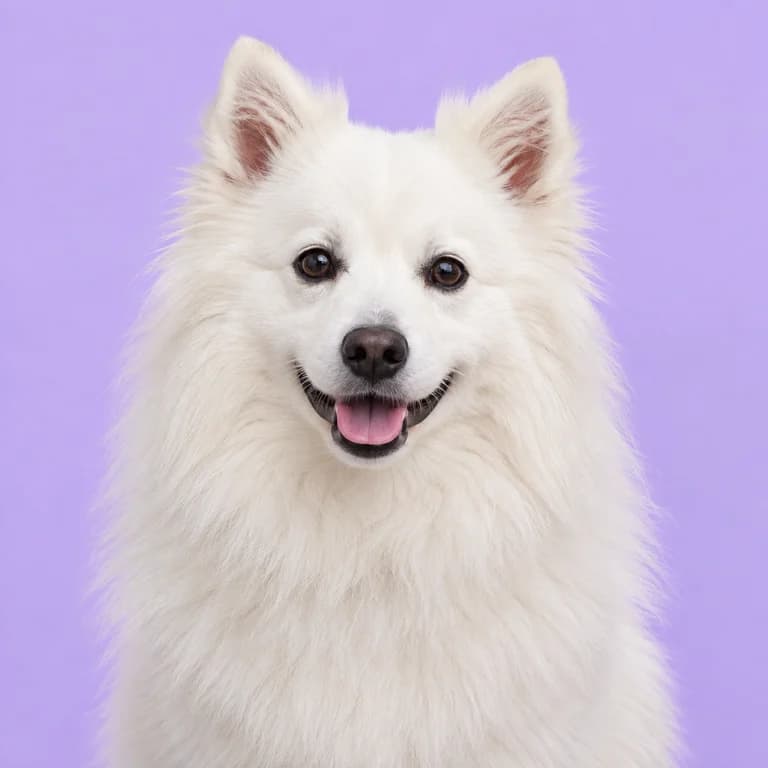
Original AI-generated breed illustration
Weight
9 to 16 kg
20 to 35 lb
Height
38 to 48 cm
at the shoulder
Life expectancy
13 to 15 yrs
Activity estimate
90 to 120 min
editorial daily planning range
Adult-size estimate
12 months
approximate model input
Life with a American Eskimo Dog
The Eskie's story is really about immigration and show business. German families settling in the American Midwest in the late 1800s brought white spitz dogs with them as farm dogs and companions. Traveling circuses soon noticed them: the white coats looked striking under the lights, and their quick minds made them natural performers, walking tightropes, riding ponies and working through long routines. Audiences often bought puppies after the show, which spread the breed across the country.
The name came later. Around the First World War anything that sounded German fell out of favor, and the dogs were rebranded as American Eskimo Dogs, reportedly borrowing a kennel name of the time. The United Kennel Club registered them in 1919, yet full AKC recognition did not arrive until 1995, long after the breed had become a familiar family dog.
At home, an Eskie is bright, cheerful and very much part of the family. Most attach strongly to their household, stay cautious with strangers, and bark at the first hint of anything unfamiliar. The three sizes share one temperament, so the choice usually comes down to your space, your lifestyle and how much dog you are willing to lift into the bath.
A great match for
- families wanting a trainable, playful dog
- owners interested in trick training or agility
- cooler climates
- people who want an alert watchdog
Think twice if
- barks readily at anything unusual
- heavy shedding, especially twice a year
- wary of strangers without early socialization
- anxious and destructive if left alone for long periods
Personality and needs at a glance
Living together
Good with children
Good with other dogs
Open with strangers
Apartment friendly
Copes with alone time
Energy and character
Energy level
Playfulness
Easy to train
Barking
5 means very vocal
Care and climate
Grooming needs
Shedding
Drooling
Handles cold
Handles heat
How much an American Eskimo Dog eats
Illustrative calculations for neutered adults at midpoint breed weights, with food at 370 kcal per 100 g and 100 g per cup. These are not measured breed requirements. Use actual weight, the food label and veterinary body-condition advice.
| Dog | Weight | Calories | Dry food |
|---|---|---|---|
| Female, relaxed lifestyle | 12 kg | 610 kcal | 165 g (1.8 cups) |
| Female, typical pet | 12 kg | 700 kcal | 190 g (2 cups) |
| Male, typical pet | 14 kg | 790 kcal | 215 g (2.3 cups) |
| Male, very active | 14 kg | 990 kcal | 265 g (2.8 cups) |
Care guides for the American Eskimo Dog
Things owners are often surprised by
- 1Registered by the United Kennel Club in 1919, but not recognized by the AKC until 1995.
- 2Comes in three sizes: toy at 23 to 30 cm (9 to 12 in), miniature at 30 to 38 cm (12 to 15 in) and standard at 38 to 48 cm (15 to 19 in).
- 3The weights on this page describe the standard size; toys weigh roughly 3 to 5 kg and miniatures roughly 5 to 9 kg.
- 4The breed was renamed from German Spitz during the wave of anti-German feeling around the First World War.
- 5A circus Eskie called Stout's Pal Pierre is often credited as the first dog to walk a tightrope.
American Eskimo Dog questions
Is the American Eskimo Dog related to the Samoyed or Husky?
Only distantly, as part of the broad spitz family. The Eskie descends from German spitz dogs brought to the United States by immigrants, not from Arctic sled dogs. The Eskimo name came from a rebranding around the First World War. Samoyeds and Siberian Huskies are much larger working breeds with different histories and temperaments.
What size American Eskimo Dog should I choose?
Toys (23 to 30 cm) and miniatures (30 to 38 cm) suit apartments and smaller homes, while standards (38 to 48 cm) are sturdier and better for active families who want a hiking companion. Temperament is similar across sizes, but toys are more fragile and more prone to dental problems. Consider your space, children's ages and how much grooming you can manage.
Do American Eskimo Dogs bark a lot?
Expect a fair amount. The Eskie is an alert watchdog that notices every unusual sound or movement. Barking is easier to manage with plenty of exercise, mental work and training a quiet cue from an early age. Blocking views of a busy street and rewarding calm behavior also help. Eskies left alone and bored often bark much more.
Are American Eskimo Dogs hypoallergenic?
No. The Eskie has a dense double coat and sheds steadily, with two heavy shedding periods a year when the undercoat comes out in clumps. People with dog allergies usually react to them as they would to other heavy-shedding breeds. Regular brushing, ideally outdoors, reduces loose hair in the house but will not remove allergens entirely.
Is the American Eskimo Dog the same as a Japanese Spitz or German Spitz?
They are related but separate breeds. The Eskie developed in the United States from German spitz dogs and allows white or white with biscuit cream. The German Spitz is still bred in Germany in many colors and sizes. The Japanese Spitz is a white spitz from Japan with a different history and slightly different build, though they can look very similar.
Popular answers for owners
- Grooming and coatIs hair loss on the tail normal in dogs?
- Puppy feeding and growthWhat age do puppy growth plates close?
- Puppy feeding and growthHow do I soften kibble for a very young puppy?
- Puppy feeding and growthWhy is my large breed puppy growing so fast?
- Exercise and playHow much exercise does a dog need living in an apartment?
- Exercise and playHow can I tell if my dog is out of shape?
Breeds you might compare

Non-sporting group
Shiba Inu
7 to 11 kg · 12 to 15 years
Independent, fastidious and self-possessed, a small Japanese hunter that gives affection on its own terms.
Non-sporting group
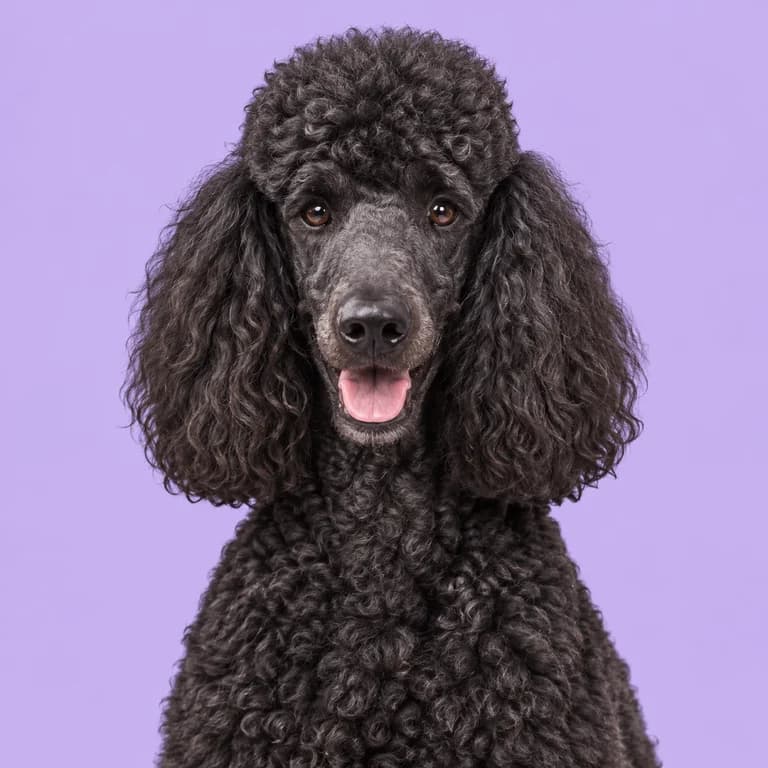
Standard Poodle
20 to 32 kg · 12 to 15 years
A water retriever in disguise, with a mind so quick it turns every household routine into a lesson.
Non-sporting group
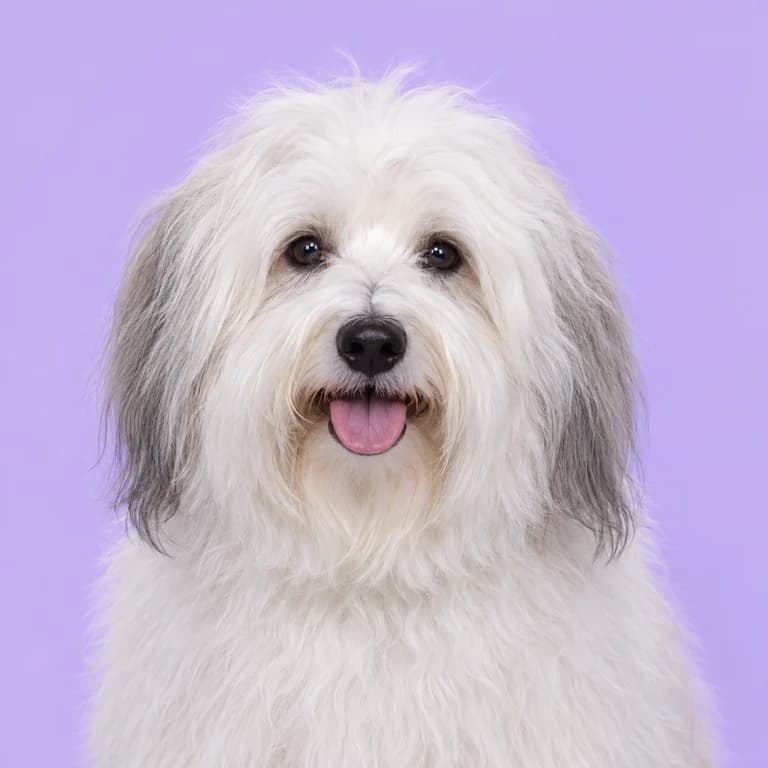
Coton de Tulear
4 to 6 kg · 14 to 16 years
A cotton-coated clown from Madagascar whose soft white hair needs daily attention and rewards it generously.
Herding group
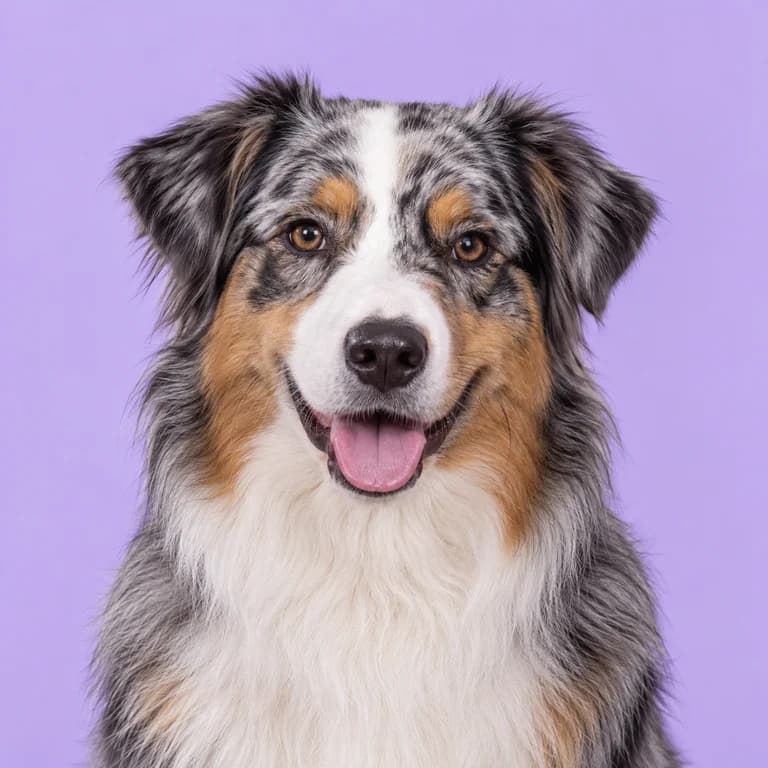
Australian Shepherd
18 to 32 kg · 12 to 15 years
A ranch-bred worker with a busy brain, the Aussie wants a daily job and will invent one if you don't.
Herding group
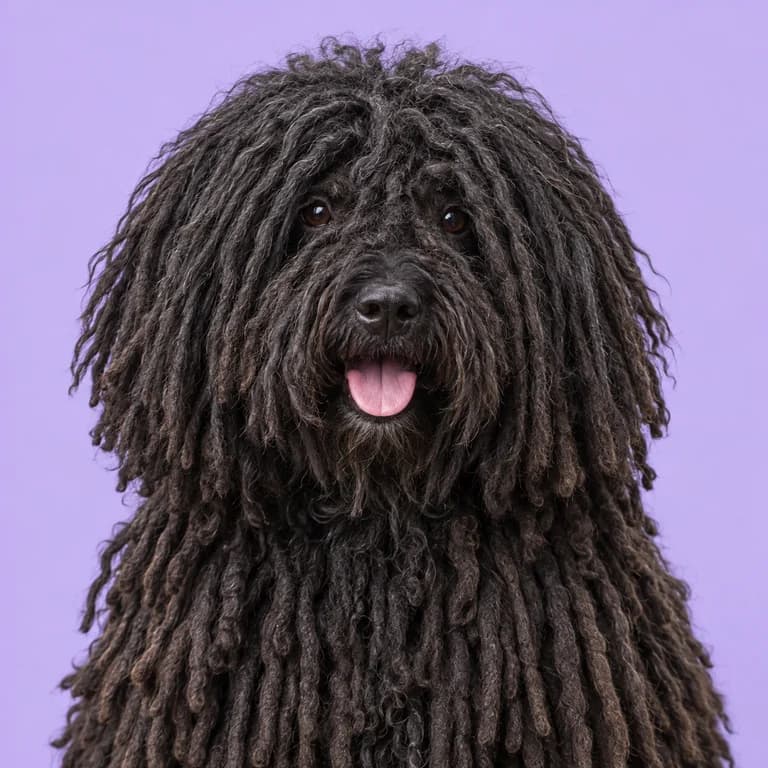
Puli
10 to 15 kg · 12 to 16 years
A Hungarian sheepdog wearing its own dreadlocks, quick on its feet and quicker still to notice anything unusual.
Hound group
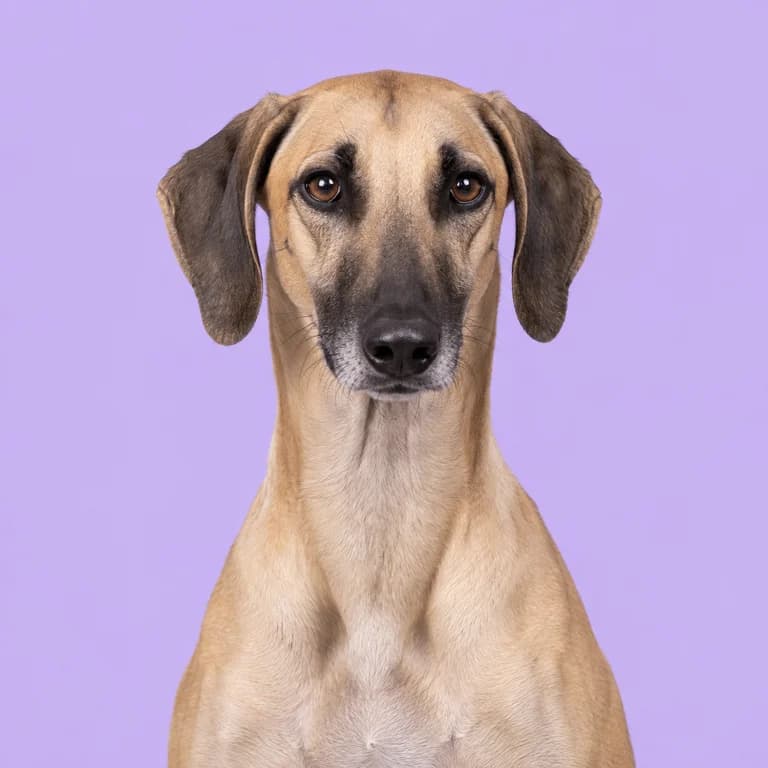
Sloughi
18 to 28 kg · 12 to 15 years
A reserved North African sighthound that gives its heart to one family and keeps strangers at a polite distance.