Sources for this article
Non-sporting group · Germany (developed further in France)
Standard Poodle
Also called Poodle, Caniche, Pudel
A water retriever in disguise, with a mind so quick it turns every household routine into a lesson.
The Standard Poodle is the original, full-sized poodle: an athletic duck retriever from Germany that France later adopted as its own. Behind the famous haircut sits one of the fastest learners in the dog world, a dog that needs real mental work every day and a professional groom every month or so.
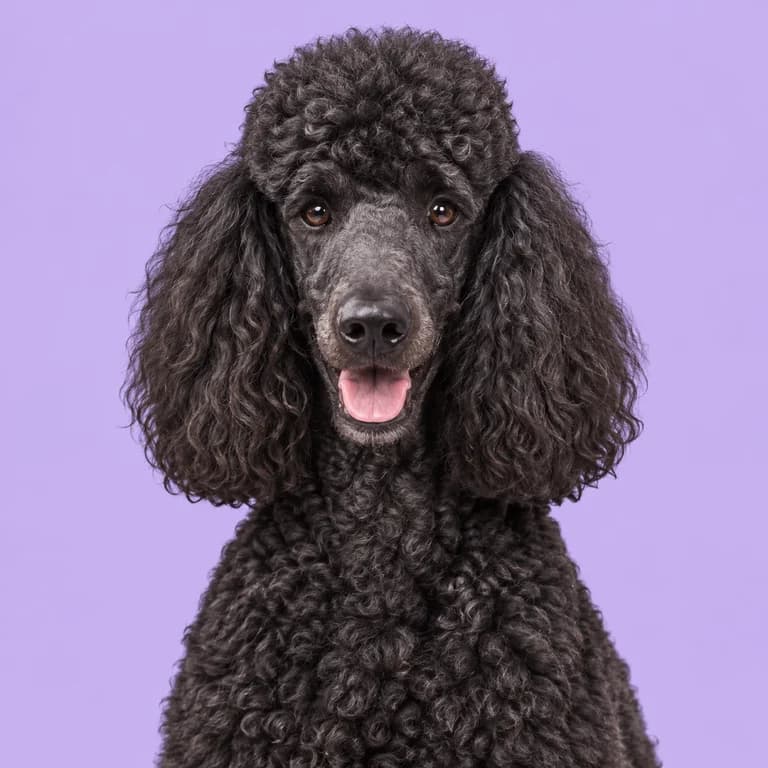
Original AI-generated breed illustration
Weight
20 to 32 kg
44 to 70 lb
Height
50 to 62 cm
at the shoulder
Life expectancy
12 to 15 yrs
Activity estimate
90 to 120 min
editorial daily planning range
Adult-size estimate
18 months
approximate model input
Life with a Standard Poodle
Start with the history and the haircut suddenly makes sense. Poodles were bred in Germany several centuries ago to fetch shot ducks from cold lakes and marshes, and the size now called Standard is the original model. French owners embraced the breed so completely that many people still assume it is French. Hunters trimmed the coat short over the hindquarters to help the dog swim and left puffs over the chest and joints for warmth, which is the root of the show clip you see in the ring today.
Sharing a home with a Standard feels a bit like living with a clever teenager who also happens to be a decent athlete. They notice patterns fast: the jingle of car keys, the drawer where the treats live, the exact time you usually get home. A well-exercised Standard is calm and affectionate indoors, often choosing to lie where it can see you rather than on top of you. An under-occupied one starts projects, such as opening cupboards, stealing tea towels or rearranging the cat.
Most are friendly but a little reserved at first meeting, preferring to watch a stranger for a minute before saying hello. They usually bond with the whole household rather than a single person, and many are gentle and patient with children who treat them kindly. Because they read the mood of a home so closely, constant shouting or chaos can leave them anxious and clingy.
Size matters here as well. A Standard is a leggy, 20 to 32 kg (45 to 70 lb) dog that can rest its chin on a kitchen counter, so it needs more room and more exercise than its smaller Miniature and Toy cousins, though it tends to be steadier and less excitable than either.
What stands out
Training
Many Standards grasp a new cue within a handful of repetitions, which is wonderful until you realize they learn unwanted lessons just as quickly. Keep sessions to about 5 to 10 minutes and switch exercises before boredom sets in, because a bored poodle starts improvising. Food, play and praise all work well.
Read the full training guideEasy to train
Open with strangers
Good with other dogs
A great match for
- owners who genuinely enjoy training
- households wanting a low-shedding dog
- families with considerate children
- dog sports such as obedience, agility and dock diving
Think twice if
- ongoing grooming costs every 4 to 6 weeks
- invents its own entertainment when bored
- sensitive to shouting and household tension
- bloat risk shared with other deep-chested breeds
Personality and needs at a glance
Living together
Good with children
Good with other dogs
Open with strangers
Apartment friendly
Copes with alone time
Energy and character
Energy level
Playfulness
Easy to train
Barking
5 means very vocal
Care and climate
Grooming needs
Shedding
Drooling
Handles cold
Handles heat
How much a Standard Poodle eats
Illustrative calculations for neutered adults at midpoint breed weights, with food at 370 kcal per 100 g and 100 g per cup. These are not measured breed requirements. Use actual weight, the food label and veterinary body-condition advice.
| Dog | Weight | Calories | Dry food |
|---|---|---|---|
| Female, relaxed lifestyle | 24 kg | 1050 kcal | 285 g (2.8 cups) |
| Female, typical pet | 24 kg | 1200 kcal | 325 g (3.3 cups) |
| Male, typical pet | 30 kg | 1420 kcal | 385 g (3.8 cups) |
| Male, very active | 30 kg | 1770 kcal | 480 g (4.8 cups) |
Care guides for the Standard Poodle
Things owners are often surprised by
- 1The name traces back to the German word Pudel, linked to splashing about in water.
- 2The show clip started as a hunter's cut: hair left over the chest and joints for warmth, shaved elsewhere for easier swimming.
- 3Standards measure over 38 cm (15 in) at the shoulder, making them the largest of the three poodle sizes.
- 4The coat keeps growing and usually needs clipping every 4 to 6 weeks.
- 5A deep, narrow chest places the breed among those with a higher risk of bloat.
Standard Poodle questions
Are Standard Poodles hypoallergenic?
No dog is completely free of allergens, because they are found in saliva and skin flakes as well as hair. Standards shed very little, and the hair they do lose stays caught in the curls until you brush it out, so many people with mild allergies cope better with them than with heavy shedders. Spend a few hours with adult poodles before committing, since individual reactions vary widely.
Why do Standard Poodles have such an unusual haircut?
The traditional show clip grew out of the breed's work as a water retriever. Hunters shaved the hindquarters and legs so the dog could swim with less drag, and left hair over the chest, hips and joints for warmth in cold water. Pet Standards rarely wear it now; most live in a short, even clip that is far easier to brush between grooms.
What is the difference between a Standard and a Miniature Poodle?
They share one breed standard and differ mainly in size. Standards stand over 38 cm (15 in) at the shoulder and usually weigh 20 to 32 kg (45 to 70 lb), while Miniatures stand 28 to 38 cm (11 to 15 in) and weigh roughly 5 to 8 kg. Standards tend to be calmer indoors but need noticeably more exercise and space.
Can a Standard Poodle live in an apartment?
It can, provided most of the exercise happens outside the apartment. A Standard that gets an hour or more of walking, running and brain work each day is usually quiet indoors. The main apartment issue is alert barking at hallway noises, which is best handled early by rewarding calm behavior when sounds occur instead of scolding after the dog has already reacted.
When should a Standard Poodle puppy have its first grooming appointment?
Many groomers suggest a gentle introductory visit at around 12 to 16 weeks, once your vet is happy with the puppy's vaccinations. It should be short: a bath, a tidy of the face and feet, and a nail trim, not a full clip. Handling paws, ears and muzzle at home for a few minutes each day beforehand makes that first appointment much easier.
Popular answers for owners
- Exercise and playWhat size toy should I buy for my dog?
- Puppy feeding and growthWhy did my puppy suddenly start eating more?
- Bowls and feeding gearShould I use a raised mat under an elevated bowl?
- Exercise and playHow much exercise does a flat faced dog need?
- Puppy feeding and growthHow much should an 11 week old puppy eat?
- Grooming and coatWhat is a topknot and how do you tie one on a long coated dog?
Breeds you might compare
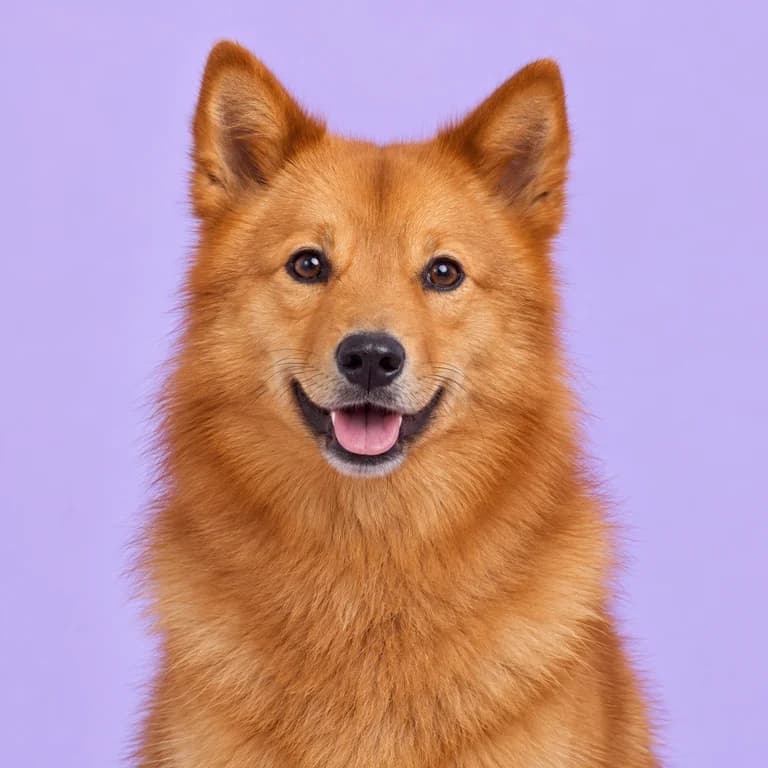
Non-sporting group
Finnish Spitz
9 to 15 kg · 13 to 15 years
Finland's fox-red bird dog, built to bark a treed capercaillie into staying put, and happy to narrate your day.
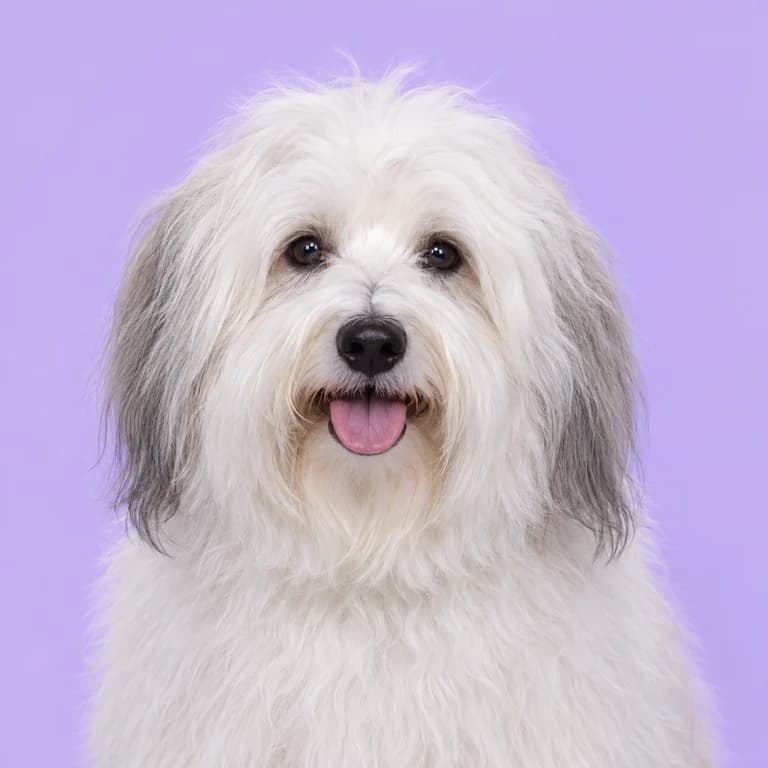
Non-sporting group
Coton de Tulear
4 to 6 kg · 14 to 16 years
A cotton-coated clown from Madagascar whose soft white hair needs daily attention and rewards it generously.
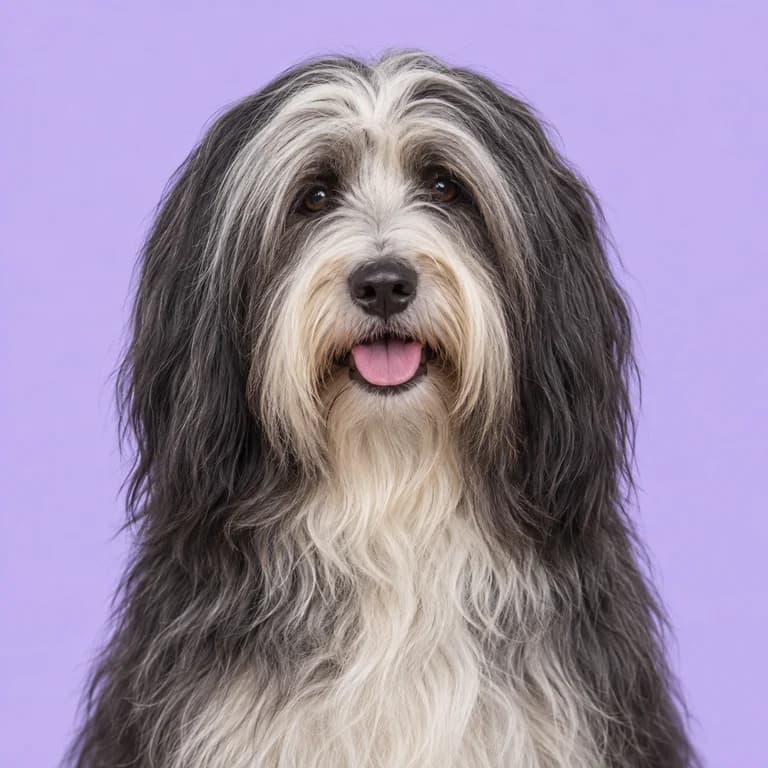
Non-sporting group
Tibetan Terrier
8 to 14 kg · 12 to 15 years
Not a terrier at all, but a shaggy mountain companion once given away as a living good-luck charm.
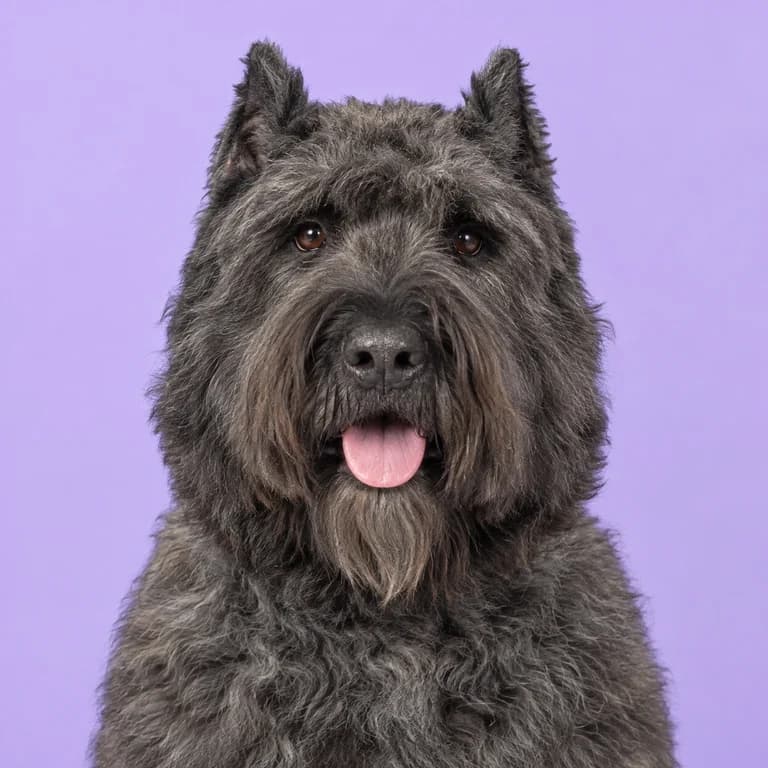
Herding group
Bouvier des Flandres
27 to 40 kg · 10 to 12 years
A rugged Flemish cattle dog hidden under a shaggy coat that demands weekly work and regular trimming.
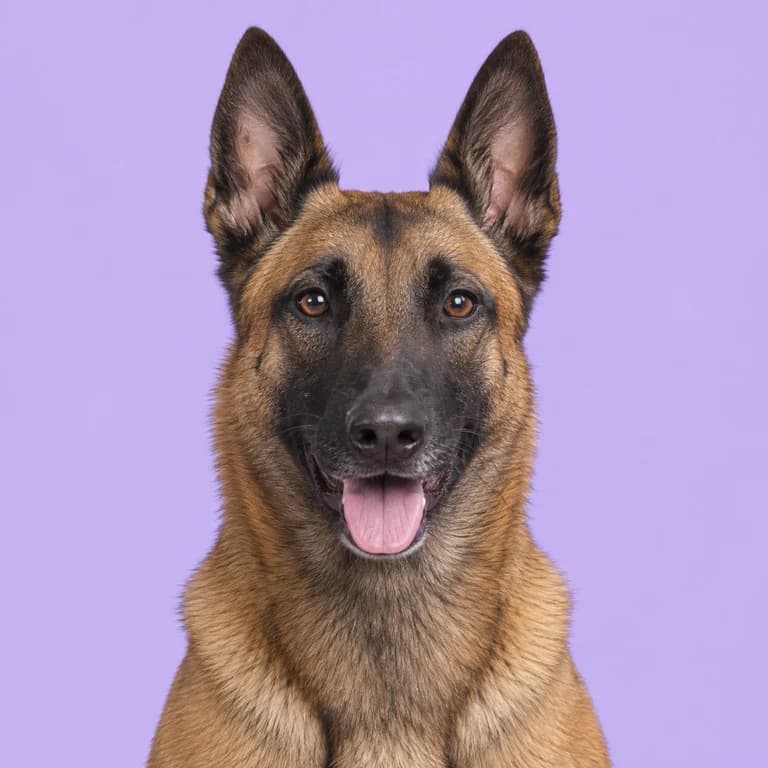
Herding group
Belgian Malinois
20 to 34 kg · 12 to 14 years
A lean Belgian herder turned police partner, built for work at full speed and bored by anything less.
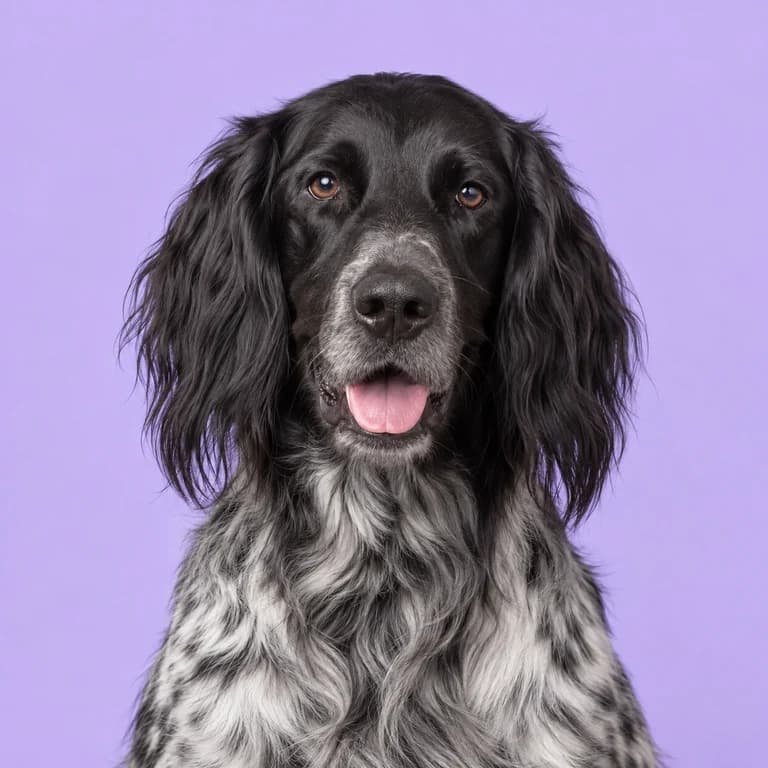
Sporting group
Large Munsterlander
25 to 32 kg · 11 to 13 years
A black and white German gundog that hunts, points and retrieves, then wants to do it all again.