Sources for this article
Hound group · Morocco (North Africa)
Sloughi
Also called Arabian Greyhound, Sloughi Moghrebi
A reserved North African sighthound that gives its heart to one family and keeps strangers at a polite distance.
Berber and Bedouin hunters of North Africa bred this smooth-coated sighthound to run down hare, gazelle and jackal. Today's Sloughi is gentle, sensitive and deeply attached to its own family, but aloof with strangers and easily upset by harsh treatment.
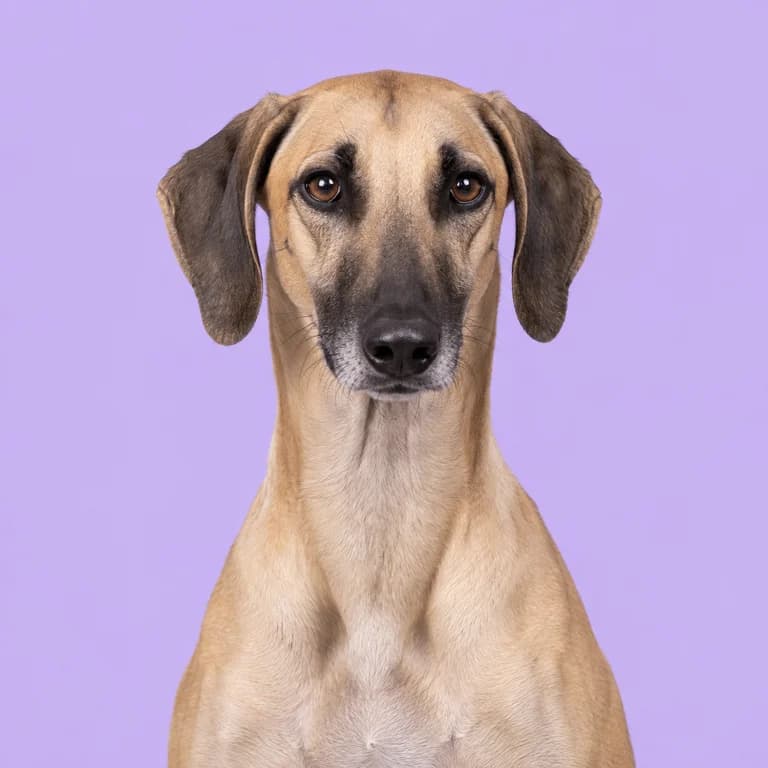
Original AI-generated breed illustration
Weight
18 to 28 kg
40 to 62 lb
Height
61 to 72 cm
at the shoulder
Life expectancy
12 to 15 yrs
Activity estimate
60 to 90 min
editorial daily planning range
Adult-size estimate
20 months
approximate model input
Life with a Sloughi
For centuries the Sloughi was the hunting partner of Berber and Bedouin families across the Maghreb, running down hare, gazelle, fox and jackal over stony plains and desert edges. A good hound was a valued possession, often kept inside the family tent, fed well and sheltered from heat and cold, while rougher dogs guarded the flocks outside.
It is often mistaken for the Saluki, but the Sloughi is a separate breed with a different look and personality. Its coat is short and smooth all over, its head is broader and less refined, and its temperament tends to be more guarded. It bonds very deeply with its own people and usually prefers to watch strangers from a distance.
At home a Sloughi is calm and clean, spending much of the day asleep on the softest surface it can find. It is sensitive to atmosphere and does best in a quiet, predictable household; loud voices, chaotic homes or rough handling can make it withdrawn or anxious. Those who earn its trust describe a gentle, loyal and surprisingly affectionate companion.
What stands out
Training
Sloughis are intelligent but independent and sensitive. They learn best with gentle, reward-based training in short sessions and rarely respond well to repetition or raised voices. Many show little interest in formal obedience yet readily learn whatever they judge useful.
Read the full training guideEasy to train
Open with strangers
Good with other dogs
A great match for
- calm adult households
- experienced sighthound owners
- homes with secure, high fencing
- people wanting a quiet, clean companion
Think twice if
- reserved or suspicious with strangers
- sensitivity to harsh voices and rough handling
- chase instinct that makes recall unreliable
- poor tolerance of cold
- anxiety when left alone for long periods
Personality and needs at a glance
Living together
Good with children
Good with other dogs
Open with strangers
Apartment friendly
Copes with alone time
Energy and character
Energy level
Playfulness
Easy to train
Barking
5 means very vocal
Care and climate
Grooming needs
Shedding
Drooling
Handles cold
Handles heat
How much a Sloughi eats
Illustrative calculations for neutered adults at midpoint breed weights, with food at 370 kcal per 100 g and 100 g per cup. These are not measured breed requirements. Use actual weight, the food label and veterinary body-condition advice.
| Dog | Weight | Calories | Dry food |
|---|---|---|---|
| Female, relaxed lifestyle | 21 kg | 960 kcal | 260 g (2.5 cups) |
| Female, typical pet | 21 kg | 1100 kcal | 295 g (3 cups) |
| Male, typical pet | 25 kg | 1250 kcal | 340 g (3.5 cups) |
| Male, very active | 25 kg | 1570 kcal | 425 g (4.3 cups) |
Care guides for the Sloughi
Things owners are often surprised by
- 1Found across Morocco, Algeria, Tunisia and Libya; the FCI lists Morocco as its country of origin
- 2Unlike the Saluki, it has no feathering on its ears or tail
- 3A prized hunting dog was often allowed to sleep inside the family tent
- 4Colors stay within the sand to mahogany range, sometimes with a black mask, brindle or overlay
- 5Carries so little body fat that it needs soft bedding and a coat in cold weather
Sloughi questions
What is the difference between a Sloughi and a Saluki?
Both are North African and Middle Eastern sighthounds, but they are separate breeds. The Sloughi has a short, smooth coat everywhere, while most Salukis have feathering on the ears, legs and tail. The Sloughi's head is broader, its colors are limited to sand, red and mahogany shades with possible black markings, and its temperament is often more reserved.
Are Sloughis good with children?
They can be gentle and tolerant with calm, respectful children in their own family. They are sensitive dogs that dislike noise, chaos and rough play, however, so homes with toddlers or very boisterous children may not suit them. Teaching children to let the dog rest and to approach quietly makes a big difference.
Can Sloughis live with cats?
Some can, especially if raised with cats from puppyhood. Their chase instinct is strong, though, and even a Sloughi that lives peacefully with the family cat may chase cats outdoors. Introductions should be gradual and supervised, and some adults should never be trusted with small animals at all.
Do Sloughis need a coat in winter?
In cold climates, yes. Sloughis carry very little body fat and have a thin, short coat, so they feel the cold quickly. A well-fitted coat for walks below about 10°C (50°F), plus warm, soft bedding indoors, keeps them comfortable. Watch for shivering, a hunched posture or reluctance to go outside.
Why is my Sloughi shy with visitors?
Reserve with strangers is typical of the breed and reflects its history as a family hunter and watchful tent companion. Many Sloughis prefer to observe newcomers before approaching. Ask visitors to ignore the dog, never force interactions, and reward calm behavior. With time most become polite, though few will ever be outgoing with strangers.
Popular answers for owners
- Exercise and playWhy does my dog collapse after playing fetch?
- Puppy feeding and growthWhat is the right protein level for a growing puppy's food?
- Grooming and coatWhy does my dog scratch constantly but have no fleas?
- Puppy feeding and growthWhy does my puppy refuse to eat its food?
- Grooming and coatHow do I trim the hair around my dog's eyes safely?
- How much to feedHow many calories does my dog need per day?
Breeds you might compare
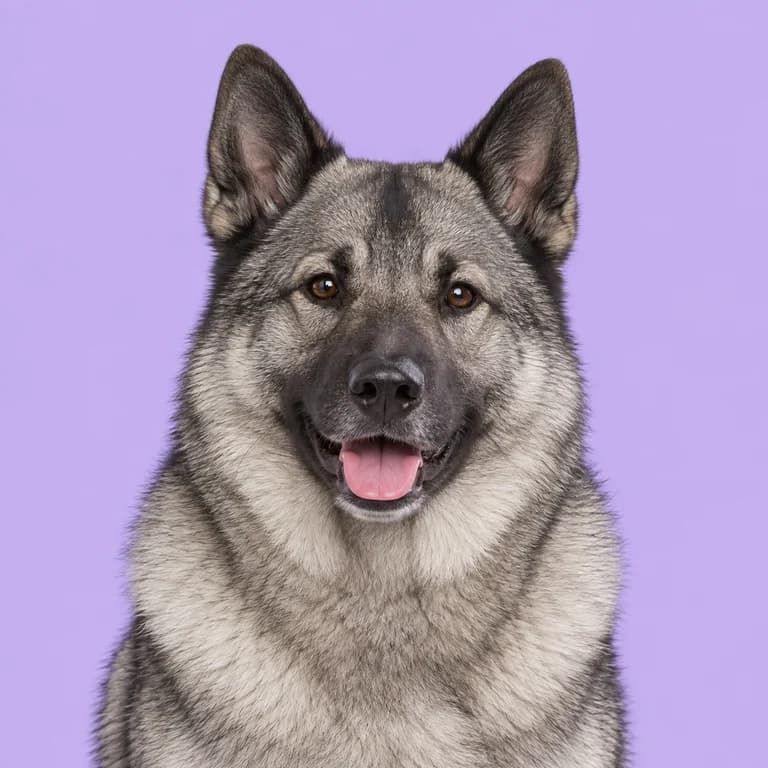
Hound group
Norwegian Elkhound
18 to 25 kg · 12 to 15 years
A silver-grey Nordic hunter bred to find moose and hold them in place with its voice.
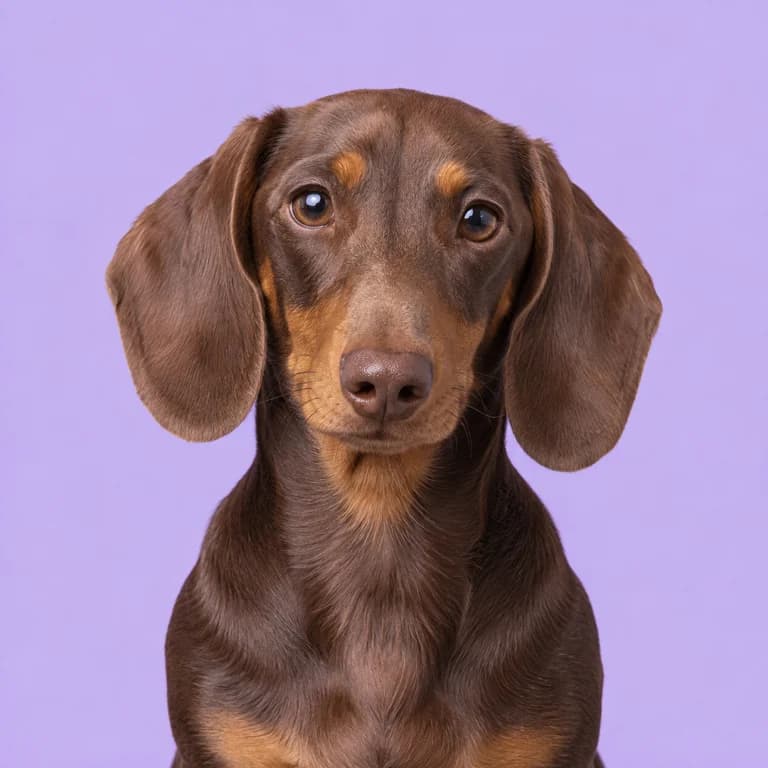
Hound group
Dachshund
7 to 13 kg · 12 to 16 years
A badger hunter shrunk to lap size, with a long spine that shapes almost every care decision you make.
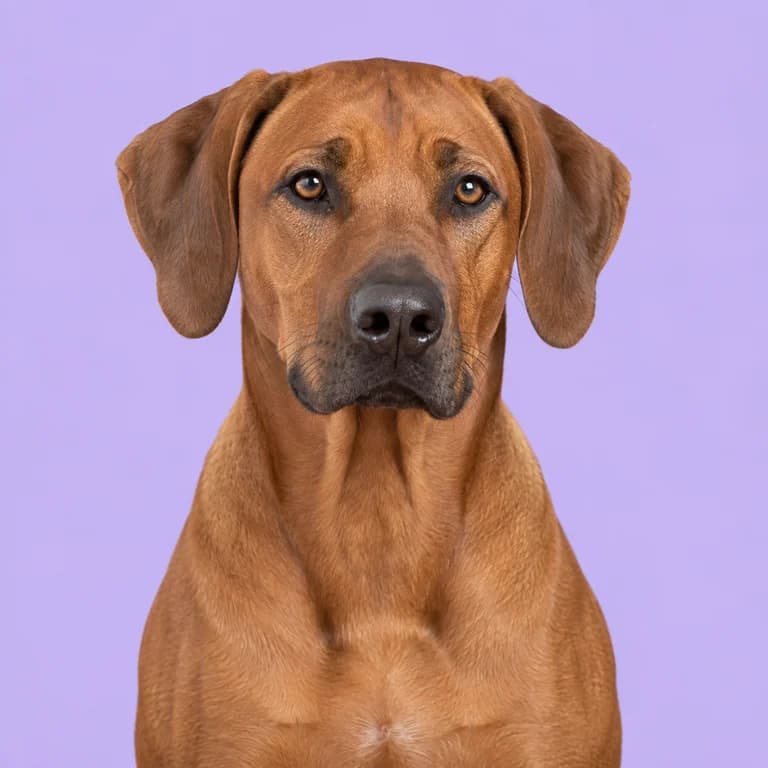
Hound group
Rhodesian Ridgeback
29 to 41 kg · 10 to 12 years
A sleek African hunting hound built to hold lions at bay, marked by a ridge of hair that grows the wrong way.
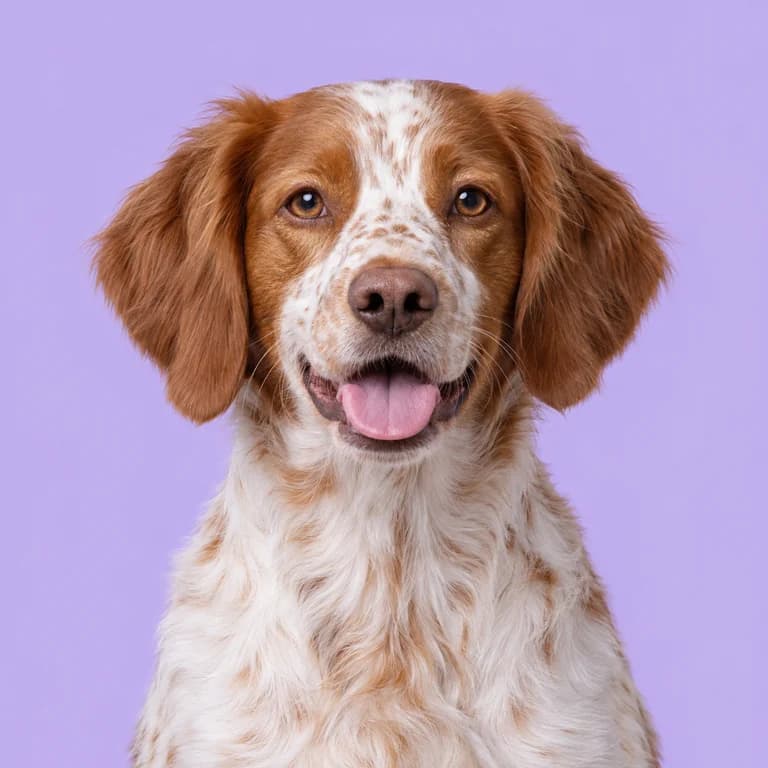
Sporting group
Brittany
13 to 18 kg · 12 to 14 years
A compact French bird dog built to cover open ground at speed, then freeze on point.
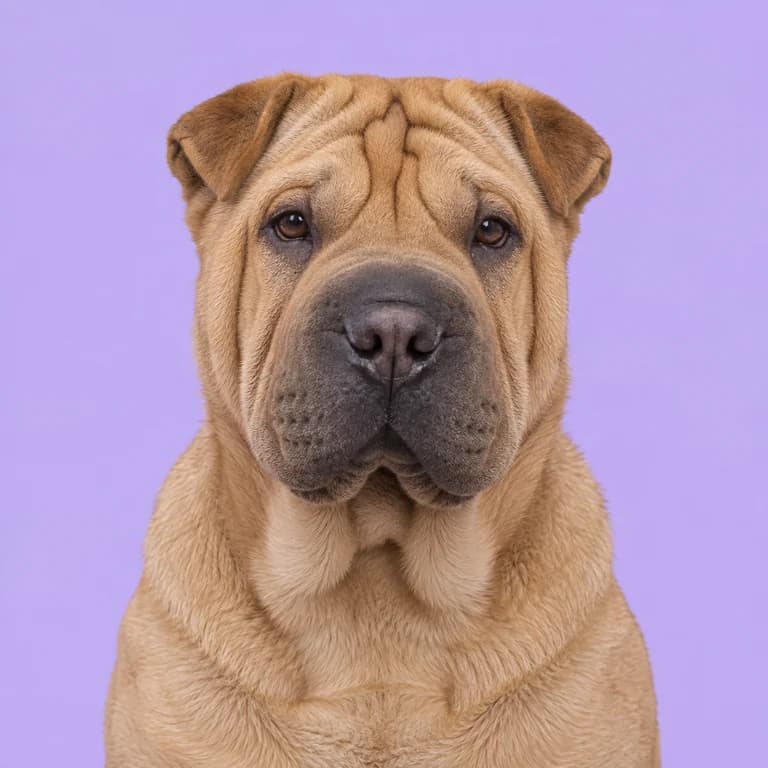
Non-sporting group
Chinese Shar-Pei
18 to 27 kg · 8 to 12 years
A wrinkled, blue-tongued guardian from southern China whose skin and eyes need more attention than almost any breed.
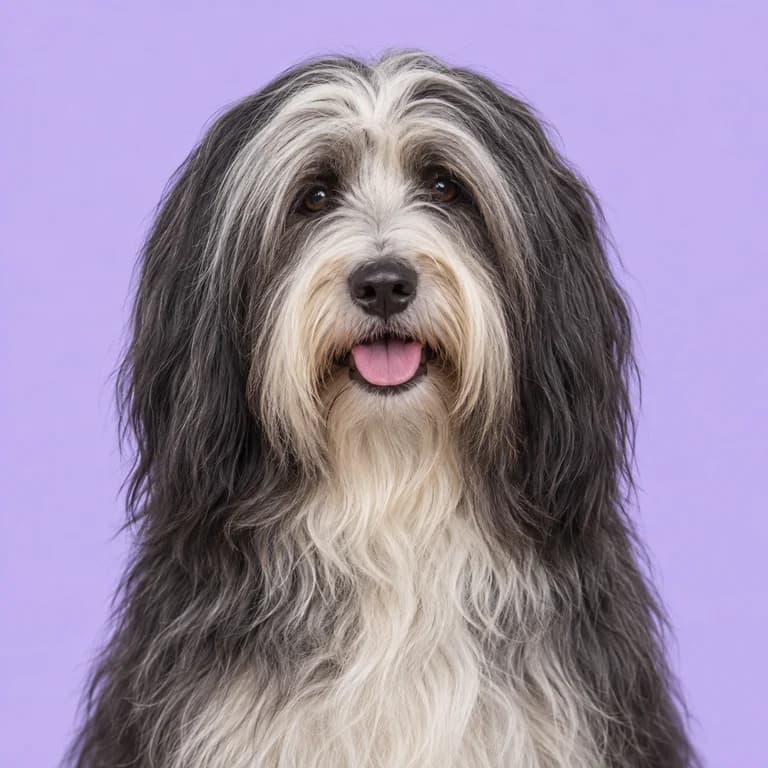
Non-sporting group
Tibetan Terrier
8 to 14 kg · 12 to 15 years
Not a terrier at all, but a shaggy mountain companion once given away as a living good-luck charm.