Sources for this article
Terrier group · England
Parson Russell Terrier
Also called Parson Jack Russell Terrier, Parson
A long-legged hunt terrier built to run with horses and hounds all day, then ask for more.
The Parson Russell was bred in Devon to follow foxhounds across country and then go to ground when the fox did. That job left it with long legs, a compact chest and a seemingly bottomless supply of energy. It is a brilliant companion for active people and a real handful for everyone else.
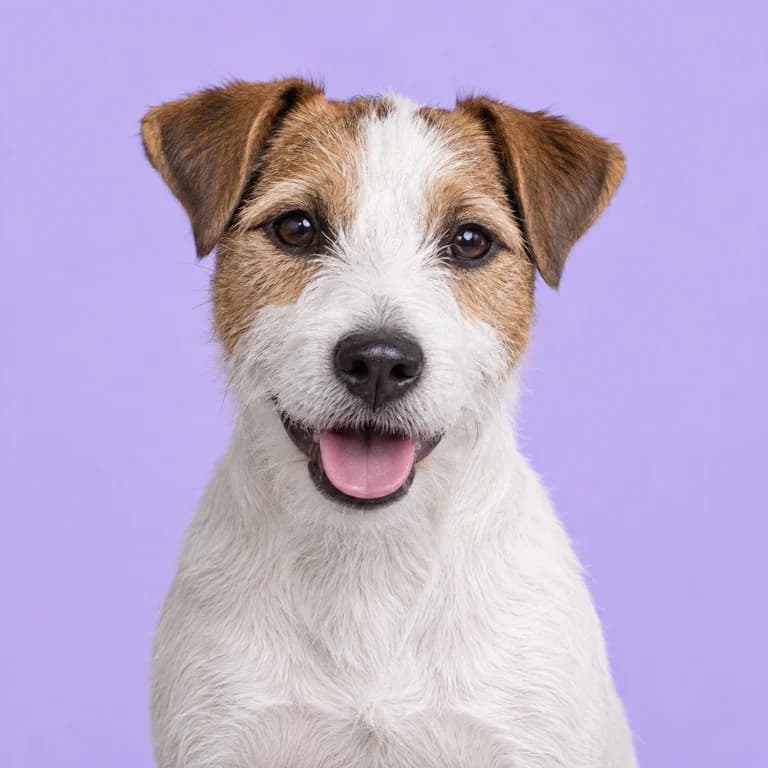
Original AI-generated breed illustration
Weight
5 to 8 kg
11 to 18 lb
Height
31 to 38 cm
at the shoulder
Life expectancy
13 to 15 yrs
Activity estimate
120 to 150 min
editorial daily planning range
Adult-size estimate
12 months
approximate model input
Life with a Parson Russell Terrier
Two hours in a field, a soggy tennis ball, and a Parson Russell will still be staring at you for more. This is a working terrier designed to run miles behind a hunt, and its energy is the first thing every owner mentions. The small size fools people into expecting a lapdog. It is nothing of the sort.
The Reverend John Russell, a hunting clergyman in Devon, spent much of the 19th century breeding terriers with legs long enough to keep up with hounds and the nerve to bolt a fox from its earth without killing it. He was a founder member of the Kennel Club and judged terriers at early shows, yet his own dogs were bred for work, not looks. His name eventually attached itself to a whole family of white working terriers.
In 1990 the Kennel Club recognized the longer-legged type as the Parson Jack Russell Terrier, a name trimmed to Parson Russell Terrier in 1999. The shorter, longer-bodied terriers often seen around stables are now a separate breed, the Jack Russell Terrier. Knowing which you are buying matters: a Parson stands around 33 to 36 cm (13 to 14 in) and is built square.
At home, a well-exercised Parson is affectionate, funny and sharp. An under-exercised one excavates flowerbeds, barks at the window for hours and finds inventive ways out of the garden. It thinks independently, as it had to when alone underground, and it will make its own mind up about whether a squirrel is worth chasing.
What stands out
Exercise
An adult Parson needs at least 60 to 90 minutes of vigorous activity daily, and many would happily double that. Great outlets include running beside you on trails once fully grown, flirt pole sessions, agility, flyball, earthdog trials and scent work. Mental work tires them as much as physical effort does: 15 minutes of nosework can equal a long walk.
Read the full exercise guideActivity planning estimate
120 to 150 min
editorial estimate, not a prescription
Energy
5 / 5
Playfulness 5 / 5
A great match for
- runners, cyclists and hikers
- experienced terrier owners
- homes with securely fenced gardens
- dog sports such as agility and earthdog
- households with older, dog-savvy children
Think twice if
- digs, chases and escapes
- may quarrel with dogs of the same sex
- not safe around pet rodents
- barks readily
- needs far more exercise than its size suggests
Personality and needs at a glance
Living together
Good with children
Good with other dogs
Open with strangers
Apartment friendly
Copes with alone time
Energy and character
Energy level
Playfulness
Easy to train
Barking
5 means very vocal
Care and climate
Grooming needs
Shedding
Drooling
Handles cold
Handles heat
How much a Parson Russell Terrier eats
Illustrative calculations for neutered adults at midpoint breed weights, with food at 370 kcal per 100 g and 100 g per cup. These are not measured breed requirements. Use actual weight, the food label and veterinary body-condition advice.
| Dog | Weight | Calories | Dry food |
|---|---|---|---|
| Female, relaxed lifestyle | 6 kg | 380 kcal | 100 g (1 cups) |
| Female, typical pet | 6 kg | 430 kcal | 115 g (1.3 cups) |
| Male, typical pet | 7 kg | 480 kcal | 130 g (1.3 cups) |
| Male, very active | 7 kg | 600 kcal | 165 g (1.8 cups) |
Care guides for the Parson Russell Terrier
Things owners are often surprised by
- 1The breed is named after the Reverend John Russell, who bought his first terrier, Trump, from a milkman in Oxford around 1819.
- 2Breeders use a 'span' test: an average pair of hands should be able to encircle the chest just behind the elbows.
- 3The coat should be mostly white, so hunters could tell dog from fox at a glance.
- 4It is taller and squarer than the Jack Russell Terrier, now recognized as a separate breed.
- 5Adults weigh only 6 to 8 kg (13 to 17 lb) yet can cover 10 km (6 miles) of rough country without flagging.
Parson Russell Terrier questions
What is the difference between a Parson Russell and a Jack Russell Terrier?
They share a history but most kennel clubs now treat them as separate breeds. The Parson is square, with legs long enough that its height roughly equals its body length, and stands 33 to 36 cm (13 to 14 in). The Jack Russell is shorter, around 25 to 30 cm (10 to 12 in), and slightly longer than tall. Energy and temperament are very similar.
Can a Parson Russell Terrier live with a cat?
Often, if raised with one from puppyhood and supervised in the early months. Prey drive is strong, so an adult Parson meeting a cat for the first time may chase or pester it. Confident cats that stand their ground often earn respect. Rabbits, guinea pigs and hamsters are a different story: keep them securely separated for the dog's whole life.
Why does my Parson Russell dig so much?
Digging was part of the original job, since these terriers were expected to dig toward quarry underground. It is instinct, not naughtiness. Give your dog an approved digging spot, such as a sandpit with toys buried in it, and reward it for using that spot. More daily exercise and nosework usually reduce digging elsewhere. Supervise near fences with loose soil.
Is a Parson Russell a good first dog?
It can be, for the right first-time owner: someone active, patient and ready to attend training classes. People expecting a calm little dog often find them overwhelming. Before committing, be honest about how much time you have each day for exercise and training, whether your garden is escape-proof, and whether you keep small pets. An adult from a breed rescue can be an easier start.
Do Parson Russell Terriers bark a lot?
More than average. They alert to passers-by, wildlife and noises from next door, and a bored Parson may bark out of pure frustration. Teaching a quiet cue early, blocking the view of the street from favorite windows and providing plenty of exercise all help. Barking while you are out often points to not enough activity or difficulty being left alone.
Popular answers for owners
- Bowls and feeding gearHow do I introduce my dog to a puzzle feeder?
- Exercise and playWhy does my dog limp only after playing, not after walks?
- Puppy feeding and growthHow much should a 5 month old puppy eat?
- Bowls and feeding gearCan feeding multiple dogs from one big bowl cause problems?
- Exercise and playCan an adult dog get too little exercise and gain weight?
- Exercise and playHow do I make puzzles harder as my dog improves?
Breeds you might compare
Terrier group
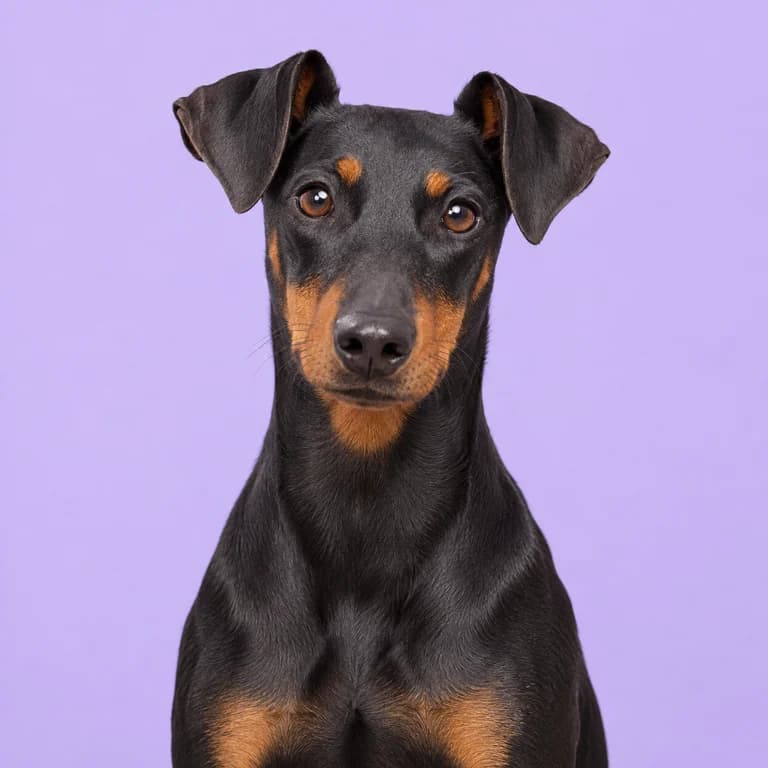
Manchester Terrier
5 to 10 kg · 14 to 16 years
A sleek black and tan ratter from Victorian Manchester, sharp-witted, devoted and very fond of warm laps.
Terrier group
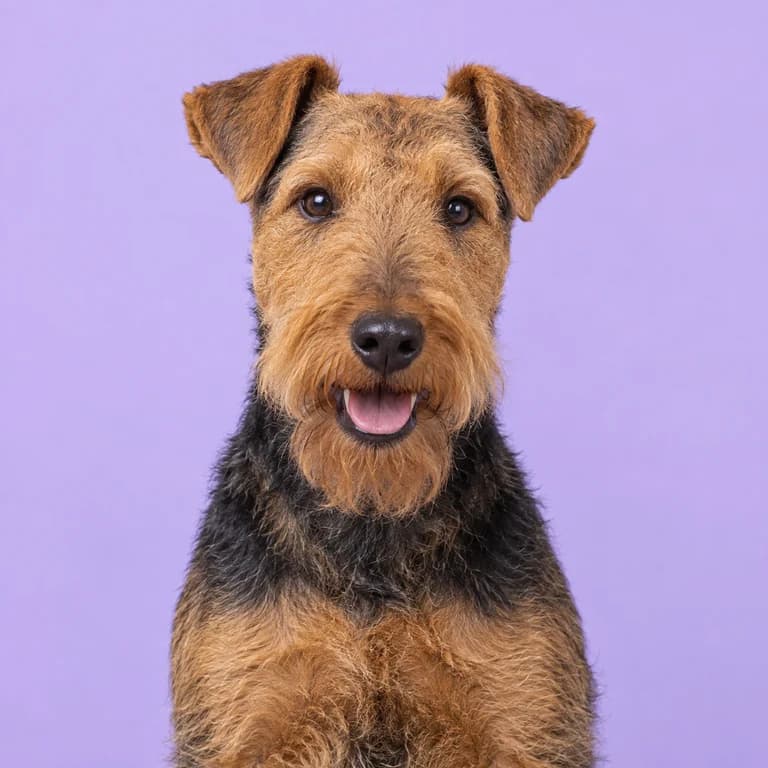
Welsh Terrier
8 to 10 kg · 12 to 15 years
Confident, clownish and a little stubborn, the Welsh Terrier packs a working terrier's spirit into a tidy 10 kg.
Terrier group
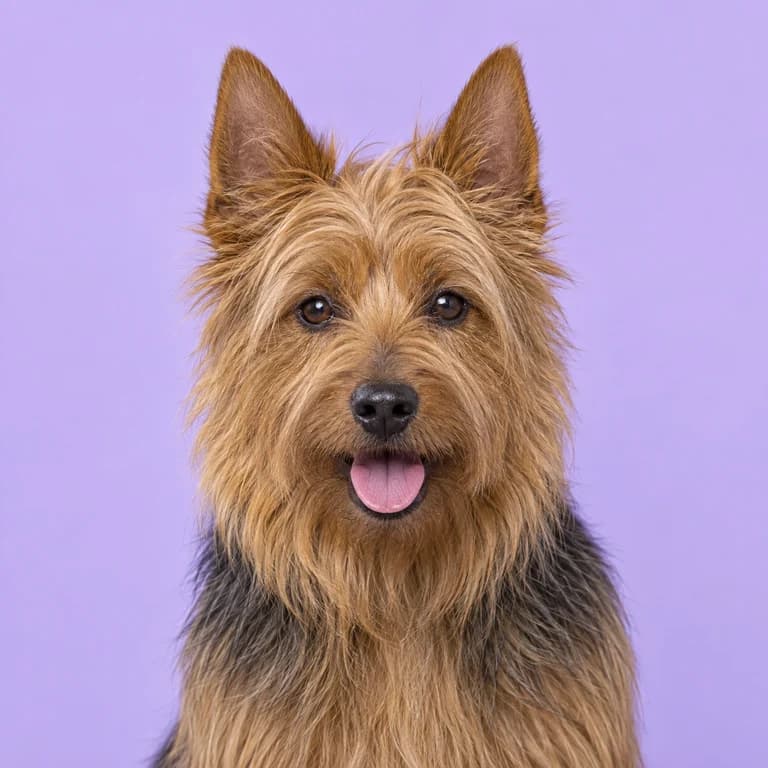
Australian Terrier
5 to 8 kg · 12 to 15 years
A sturdy little terrier from the Australian bush with big-dog confidence and a deeply devoted streak.

Non-sporting group
Japanese Spitz
5 to 10 kg · 12 to 16 years
A snow-white spitz with a cheerful, people-centered nature and a coat that sheds dirt better than you would expect.
Terrier group
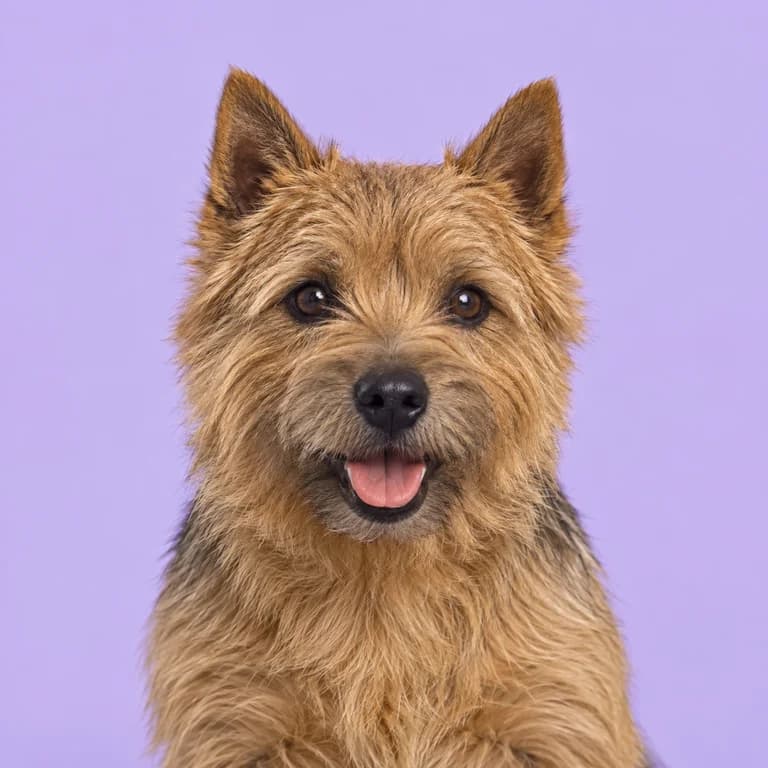
Norwich Terrier
5 to 6 kg · 12 to 15 years
One of the smallest working terriers, a big-dog attitude packed into about 5 kg of solid muscle.

Toy group
Shih Tzu
4 to 7 kg · 10 to 16 years
A palace lapdog with a lion's name, a topknot and a coat that grows much like human hair.