Sources for this article
Terrier group · Scotland
Scottish Terrier
Also called Scottie, Aberdeen Terrier, Diehard
A short-legged Highland den hunter with a beard, bushy eyebrows and the dignified stubbornness of a small laird.
Low to the ground and high in self-regard, the Scottish Terrier was bred in the Highlands to follow foxes and badgers into rocky dens. Independent, dignified and loyal to its own people, it suits owners who respect a dog with opinions and are happy to keep up with coat care.
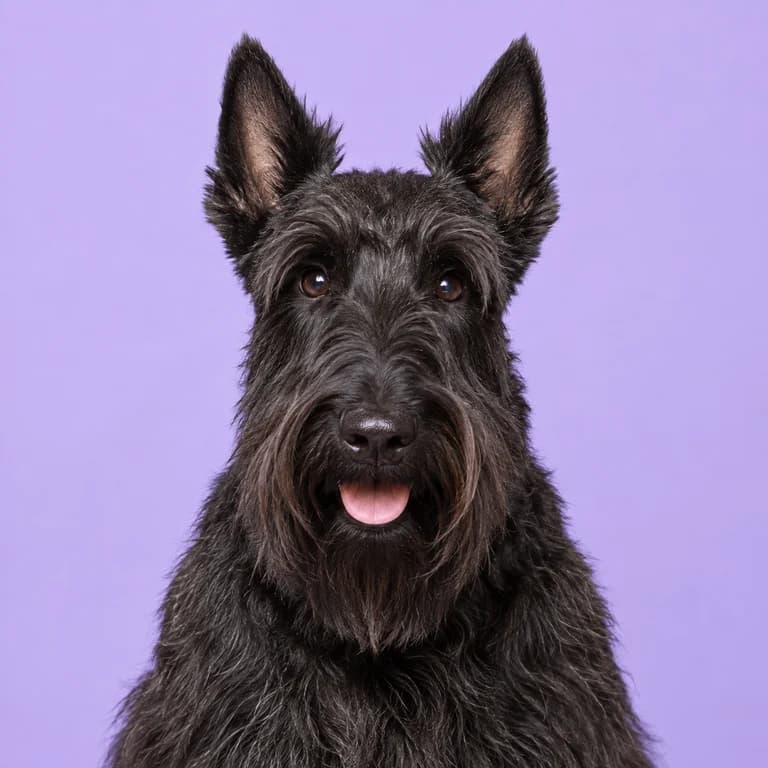
Original AI-generated breed illustration
Weight
8 to 10 kg
18 to 22 lb
Height
25 to 28 cm
at the shoulder
Life expectancy
11 to 13 yrs
Activity estimate
60 to 90 min
editorial daily planning range
Adult-size estimate
12 months
approximate model input
Life with a Scottish Terrier
The Highlands and islands of Scotland produced a whole family of small, tough terriers, and for centuries nobody bothered to separate them. Farmers and gamekeepers wanted a dog that would go to ground after foxes, badgers and otters among rocks and cairns, and they bred for courage rather than looks. When dog shows became fashionable in the late 1800s, breeders began sorting these terriers into the Cairn, the Skye, the West Highland White and the Scottish Terrier.
Early Scotties were often called Aberdeen Terriers because many good specimens came from around that city. Captain Gordon Murray and a small group of enthusiasts pushed for a fixed type, and a written standard followed around 1880. The breed then became a kind of emblem of Scotland, used in advertising and on board games, and it reached a peak of popularity in America in the 1930s, helped along by President Roosevelt's constant companion, Fala.
Living with a Scottie today is less like owning a lapdog and more like sharing a house with a small, opinionated gentleman. They are affectionate but not fawning, often choose one person as their own, and like their routines. Expect a dog that inspects visitors carefully, digs with great enthusiasm, and sometimes sits down in the middle of a walk because it disagrees with the route.
A great match for
- adults and families with older children
- apartment or town living
- owners who like an independent, less clingy dog
- people willing to learn hand-stripping or budget for a groomer
Think twice if
- strong urge to dig and chase small animals
- can snap if handled roughly
- often unfriendly toward unfamiliar dogs
- higher than average risk of bladder cancer
- needs professional grooming every 6 to 8 weeks
Personality and needs at a glance
Living together
Good with children
Good with other dogs
Open with strangers
Apartment friendly
Copes with alone time
Energy and character
Energy level
Playfulness
Easy to train
Barking
5 means very vocal
Care and climate
Grooming needs
Shedding
Drooling
Handles cold
Handles heat
How much a Scottish Terrier eats
Illustrative calculations for neutered adults at midpoint breed weights, with food at 370 kcal per 100 g and 100 g per cup. These are not measured breed requirements. Use actual weight, the food label and veterinary body-condition advice.
| Dog | Weight | Calories | Dry food |
|---|---|---|---|
| Female, relaxed lifestyle | 9 kg | 510 kcal | 140 g (1.5 cups) |
| Female, typical pet | 9 kg | 580 kcal | 155 g (1.5 cups) |
| Male, typical pet | 10 kg | 610 kcal | 165 g (1.8 cups) |
| Male, very active | 10 kg | 760 kcal | 205 g (2 cups) |
Care guides for the Scottish Terrier
Things owners are often surprised by
- 1Often called the Aberdeen Terrier in the 1800s, after the area that produced many early dogs
- 2George, fourth Earl of Dumbarton, called his pack his little diehards, and the nickname stuck
- 3A breed standard was drawn up around 1880, one of the earliest for any terrier
- 4Fala, the Scottie owned by Franklin D. Roosevelt, is sculpted beside the president at his memorial in Washington, D.C.
- 5The heavy body and short legs make most Scotties weak swimmers
- 6Wheaten Scotties, pale straw to almost white, are fully recognized and not a cross
Scottish Terrier questions
Why is the Scottish Terrier called a Diehard?
The nickname is credited to George, the fourth Earl of Dumbarton, who kept a well-known pack of Scotch terriers and called them his little diehards for their courage. His regiment was later nicknamed the Diehards too. The name suits the breed's reputation for stubborn bravery against much larger animals.
Are wheaten Scottish Terriers purebred?
Yes. Black is the best-known color, but the breed standard also allows wheaten, which ranges from almost white to straw, and brindle in several shades. Wheaten Scotties are sometimes mistaken for crosses or for a different terrier breed, yet they are fully recognized Scottish Terriers.
Can Scottish Terriers swim?
Most swim poorly. Their heavy, deep bodies and short legs make it hard to stay level in the water, and they tire fast. Some can manage a short paddle, but many sink at the rear end. If you live near water or have a pool, fence it off, supervise closely and fit a proper dog life jacket for boats.
Is a Scottie good for someone with allergies?
Scotties shed much less than many breeds, and some people with mild dog allergies cope better with them. Allergens are carried in saliva and skin flakes as well as hair, though, so no dog is truly hypoallergenic. Spending time with adult Scotties before committing is the best way to find out how you react.
What is Scottie cramp?
It is an inherited neurological condition in which excitement, stress or exercise triggers episodes of stiffness, often with an arched back and a goose-stepping gait. Dogs stay conscious and usually recover within minutes. It is not generally considered painful, but any unusual movement episode should be checked by a vet so other causes can be ruled out.
Popular answers for owners
- Bowls and feeding gearDo stainless steel bowls rust?
- How much to feedHow do I measure a portion of raw dog food?
- Grooming and coatHow often should a dog get a professional groom?
- Exercise and playIs it safe to bike with my dog running alongside me?
- Exercise and playHow do I teach my dog to play fetch?
- How much to feedDoes a male dog need more food than a female dog of the same breed?
Breeds you might compare
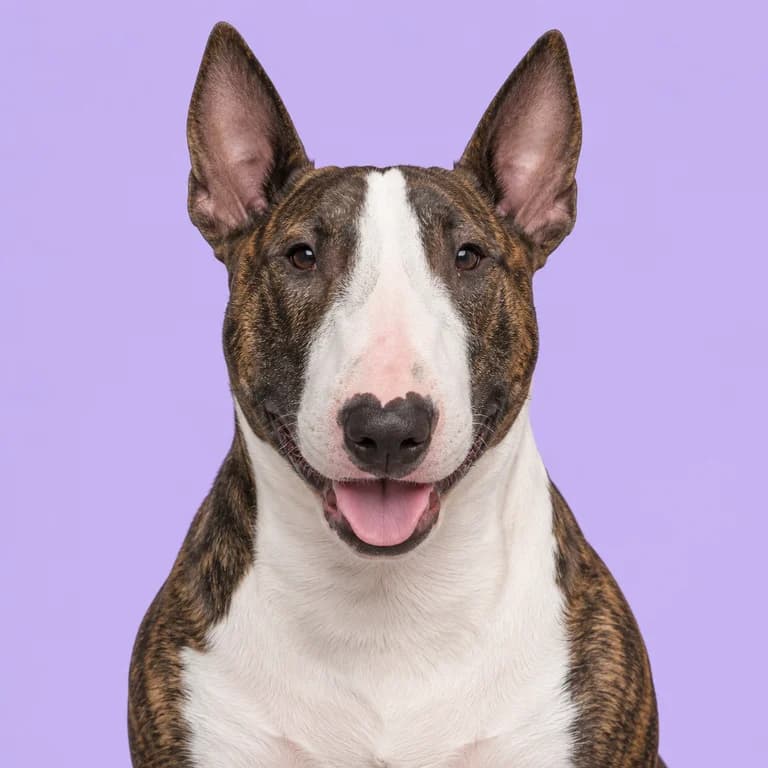
Terrier group
Bull Terrier
20 to 30 kg · 11 to 13 years
A muscular comedian with an egg-shaped head, loyal to its people and stubborn about almost everything else.
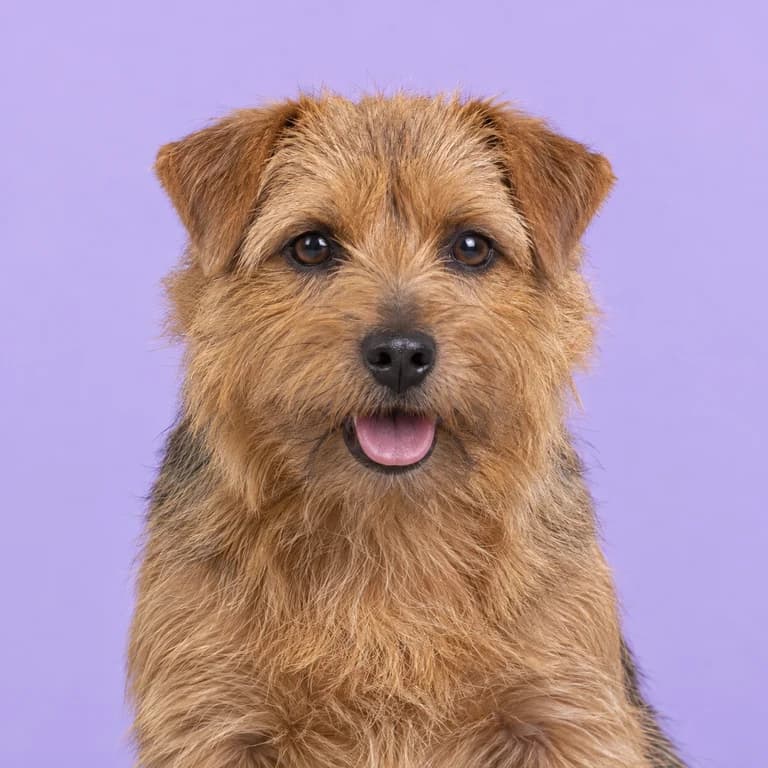
Terrier group
Norfolk Terrier
5 to 6 kg · 12 to 15 years
One of the smallest working terriers, low and sturdy, with folded ears and a notably sociable nature.
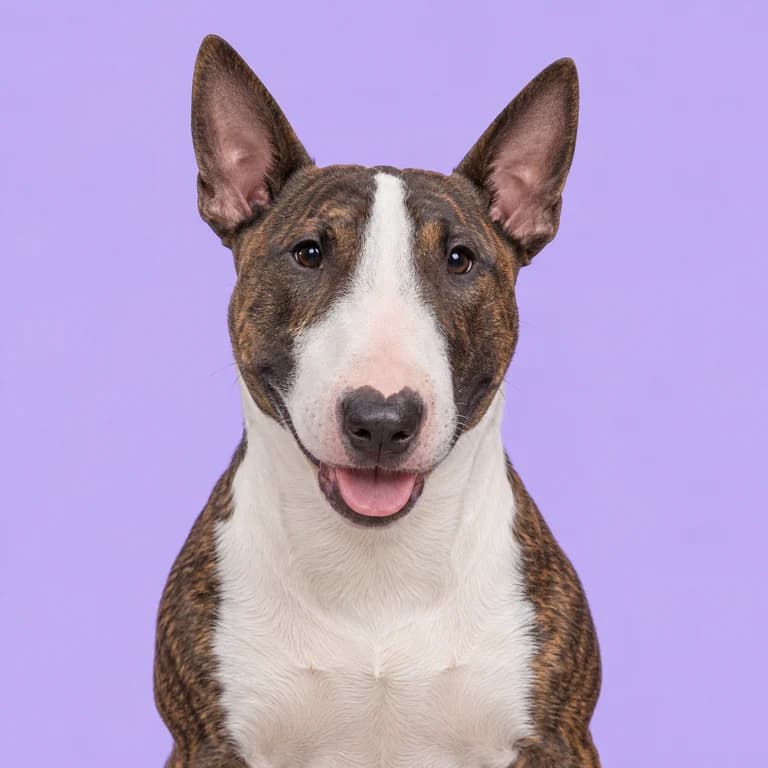
Terrier group
Miniature Bull Terrier
9 to 15 kg · 11 to 14 years
An egg-shaped head, a triangular wink of an eye and a personality far bigger than its compact frame.
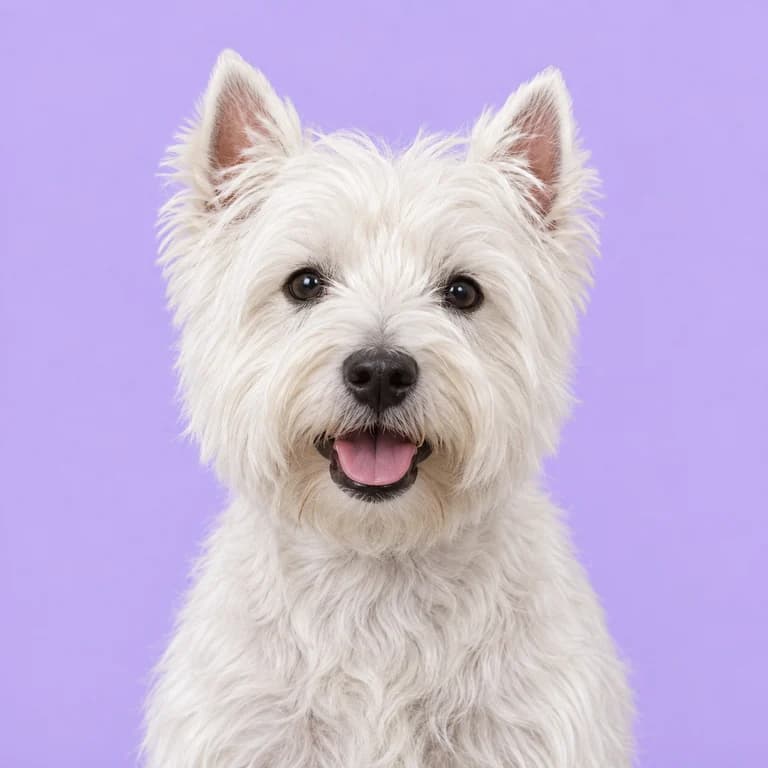
Terrier group
West Highland White Terrier
6 to 10 kg · 12 to 15 years
A bright white coat built for Highland weather, and a terrier's certainty that it is twice its actual size.
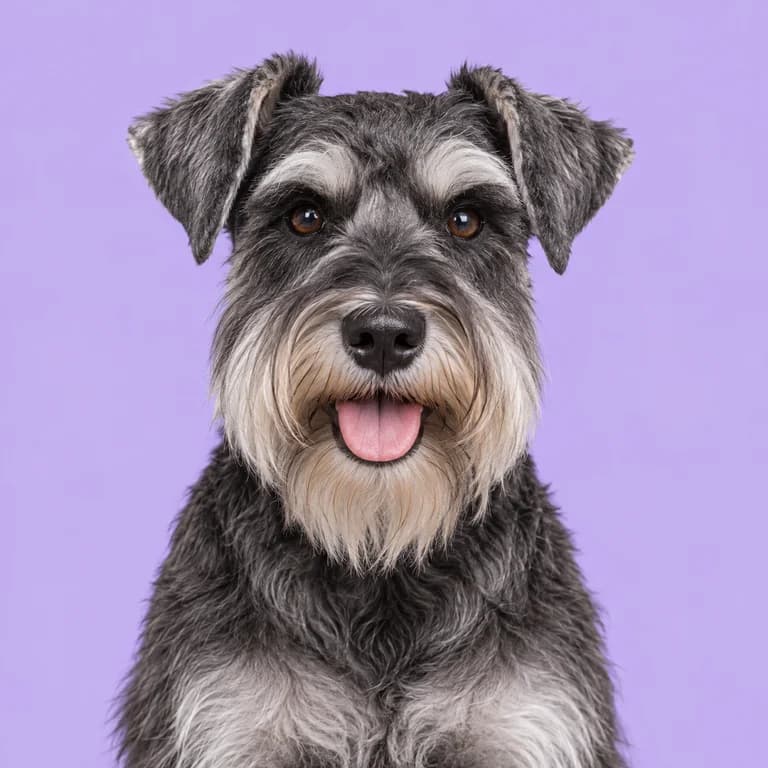
Terrier group
Miniature Schnauzer
5 to 9 kg · 12 to 15 years
A bearded farmyard ratter whose wiry coat needs a plan and whose opinions come out loud.
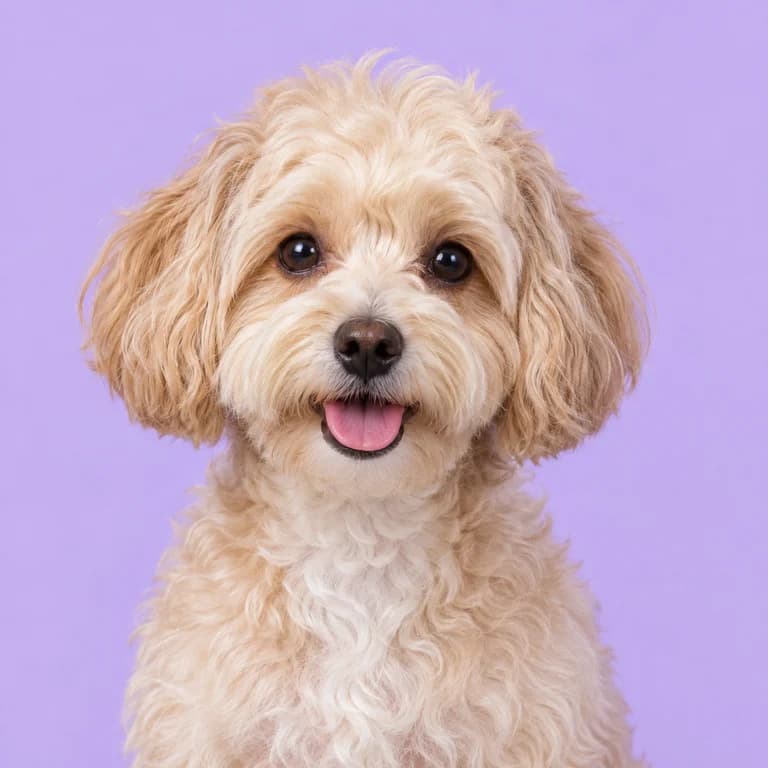
Crossbreed
Maltipoo
3 to 7 kg · 12 to 15 years
A cuddly Maltese and Poodle cross with a big personality, bred as a close companion rather than a worker.